
Share This Story
A school district will never finish its capital work.
Even as one project reaches completion, roofs continue to weather, mechanical systems move further into their service lives and educational priorities evolve. The measure of a strong capital plan is not whether it clears the district’s list, it is whether it keeps that list from dictating the district’s decisions.
Federal pandemic relief briefly changed the pace of this work. ESSER funding allowed districts to accelerate ventilation improvements, replace aging systems and advance projects that might otherwise have waited years. But that funding was an anomaly, not a new foundation for capital planning. Its expiration returns districts to the more familiar work of balancing facility needs, educational goals and limited resources.
That balance is becoming harder as construction costs rise and aging infrastructure demands attention. Still, the fundamental challenge has not changed: determining what must happen now, what can responsibly wait and how each investment prepares the district for what comes next.
Deferred maintenance and capital improvement cannot be treated as separate conversations. One may begin with a failing system and the other with an educational ambition, but both compete for the same dollars, affect the same buildings and shape the same student and staff experience. Districts need one strategy capable of holding those realities together.
A Capital Plan is Not a Deficiency List
Every district needs a clear understanding of its buildings. Depending on the state, that process may take the form of a facility condition assessment, building survey or another type of infrastructure review.
In New York, school districts complete state-mandated building condition surveys on a five-year cycle and use the findings to inform long-range capital facilities plans. The process documents the condition of roofs, mechanical equipment, fire alarms, electrical infrastructure and other essential components. It gives leaders a baseline for understanding what their buildings may require over the next several years.
But an assessment is only the raw material of a capital plan.
A condition report can identify more work than a district could reasonably complete in a decade. It cannot determine what the community can support, how a project should fit within the district’s debt schedule or which improvements would create the greatest educational and operational benefit. Those decisions require a more complete view.
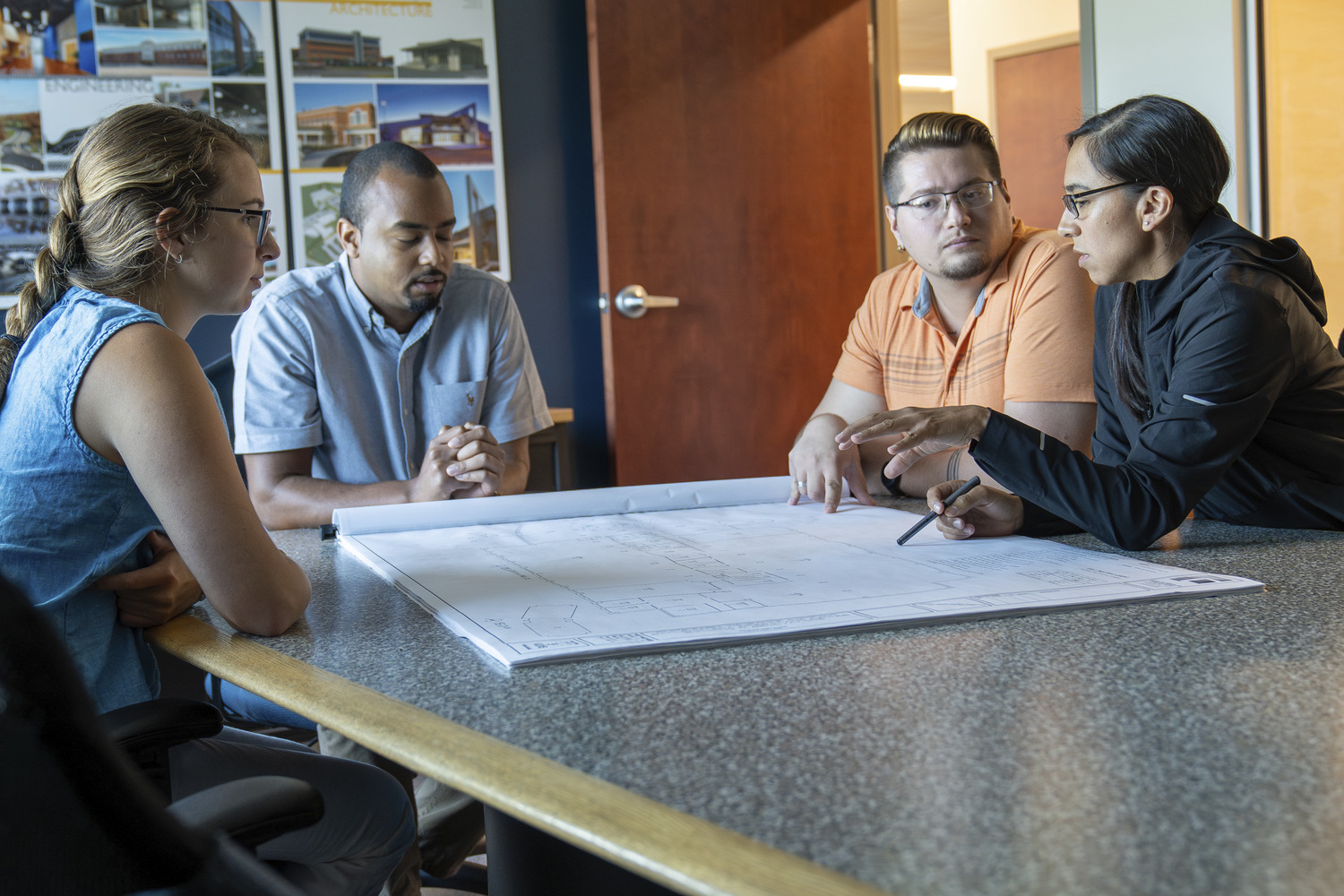
Facilities teams bring essential knowledge to that discussion. They know which systems demand constant attention, which repairs are becoming routine and where replacement parts are increasingly difficult to find. They also know when equipment that appears functional on paper has become a daily operational burden.
District leadership brings a different but equally important perspective: enrollment, program priorities, financial capacity, anticipated debt retirement and the needs of students and educators. A useful capital plan brings those perspectives together and places each facility need within its broader consequence.
What happens if the system fails? How much time will design, regulatory review, procurement and construction require? Can the work be completed without disrupting instruction? Does another planned improvement depend on it? When will the district be financially positioned to act?
The answers matter more than the age of a system alone.
An older floor finish that remains safe and serviceable may stay on the long-range plan without demanding immediate action. A boiler showing signs of failure presents a different calculation. Replacing it can require months of design, review and construction. If the district waits until spring to address a system that must be operational by fall, a known need can become an emergency.
The work does not become more important when it becomes urgent. It simply becomes harder to deliver well.
Compressed timelines narrow choices, complicate procurement and reduce the district’s ability to coordinate the replacement with other work. Most critically, a failure could interrupt school operations. The cost of waiting, therefore, is not limited to escalation. It includes disruption, diminished flexibility and the staff time required to manage a preventable crisis.
That does not mean every aging component should be replaced immediately. Districts cannot — and should not — treat every item on a condition assessment as equally urgent. Health and life safety come first, followed closely by the systems necessary to keep schools open and functional. From there, leaders can weigh maintenance burden, remaining service life, educational impact, code requirements and the consequences of further delay.
This is also where sequencing becomes important. A roof may need to be addressed before the district renovates the spaces beneath it. An HVAC replacement may create an opportunity to coordinate ceilings, lighting and classroom finishes that would otherwise be disturbed twice. The right order protects earlier investments and helps the district get more from each period of disruption.
Strong Capital Programs Operate on More Than One Clock
Many districts approach capital improvement through a major referendum or bond initiative every five to seven years. Those programs are essential. They allow communities to address substantial infrastructure needs and modernize educational spaces at a scale that annual operating budgets cannot absorb.
They should not be the district’s only mechanism for moving work forward.
When every need waits for the next major project, the list grows faster than the district can address it. Smaller concerns become larger ones. Work that could have been managed through a focused project becomes one more competing priority in an already crowded referendum.
A more sustainable approach operates on at least two timelines: a longer cycle for major capital initiatives and a recurring cycle for smaller projects. Annual or periodic investment packages can address targeted replacements, persistent maintenance concerns and other manageable needs while a larger program is being planned or implemented.
South Orangetown Central School District in New York offers a strong example. CPL has worked with the district for nearly a decade, during which South Orangetown has established a consistent capital planning rhythm rather than relying on isolated projects.
A larger capital initiative is unfolding across several years, but that work has not suspended the district’s smaller priorities. South Orangetown continues to budget for annual project packages while district leaders, facilities personnel and the planning team meet regularly to revisit the running list of needs. A fire alarm replacement or another essential infrastructure project may be paired with a library renovation or an improvement students and educators experience more directly.
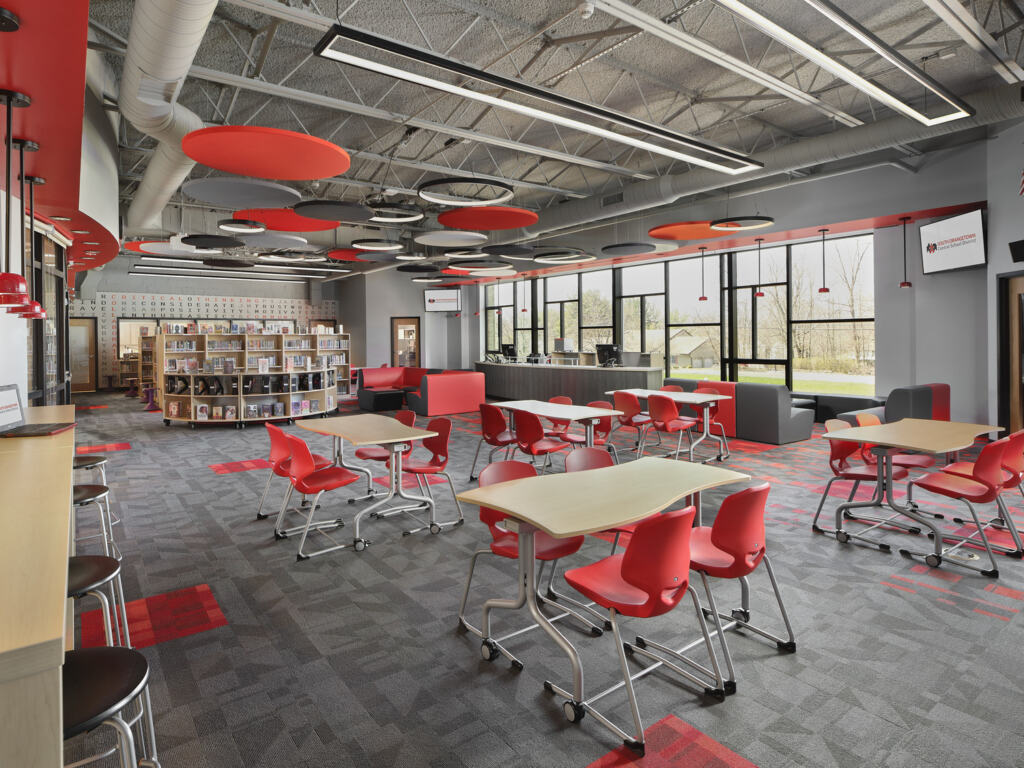

As part of South Orangetown Central School District’s multi-phase capital plan, this library renovation paired necessary infrastructure upgrades with a modern, technology-rich environment for students and staff.
This concurrent approach accomplishes several things. It keeps important work moving between major capital initiatives. It gives the district regular opportunities to update costs and respond to changing conditions. It also prevents a single referendum from carrying the entire burden of years of accumulated need.
The specific funding tools differ by state and community. They may include annual capital allocations, reserve funds, state building aid, local bonds or other mechanisms. Some districts can take advantage of state reimbursement structures for smaller projects. Others may align new borrowing with debt that is retiring to limit changes in the local tax burden.
There is no universal formula. The objective is to give the district more than one responsible way to act.
A capital plan prepared today will not remain static for the next decade. Systems may age faster or last longer than anticipated. Enrollment can shift. Educational programs change. New funding becomes available, and construction estimates evolve. A recurring planning process allows leaders to adjust the sequence without losing the larger direction.
It also gives districts a more realistic way to respond to cost escalation. The cause of each increase may change — labor availability, supply disruptions, energy prices, tariffs or broader economic conditions — but construction prices rarely return to an earlier baseline.
Waiting may still be the right decision. But it should be a decision made with a clear understanding of what delay could do to the eventual scope, cost and operational risk. Hoping that an old estimate will become accurate again is not a capital strategy.

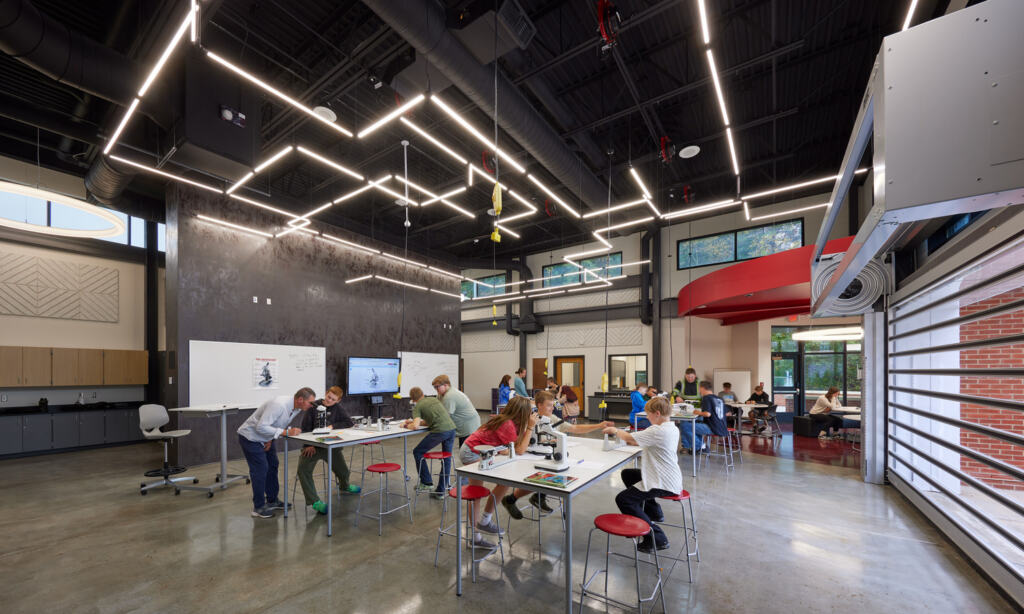
Kenmore-Tonawanda Union Free School District’s capital improvement plan transformed traditional classrooms into tech-enabled, adaptable learning environments with writable surfaces and flexible seating to support diverse teaching styles.
Consistent Delivery Creates Community Capacity
The work most essential to a school’s operation is often the least visible.
A modernized media center, athletic facility or STEM environment gives the community something tangible to imagine. A new fire alarm, electrical service or mechanical system may consume a substantial portion of the project budget and then disappear behind walls and ceilings.
Successful capital programs do not ask communities to choose between responsible infrastructure investment and meaningful educational progress. They develop a scope that addresses both.
That balance is not about using visible improvements to make necessary work more appealing. School facilities have two responsibilities: They must operate safely and reliably, and they must support the way education is delivered. A capital program that addresses only one side of that equation is incomplete.
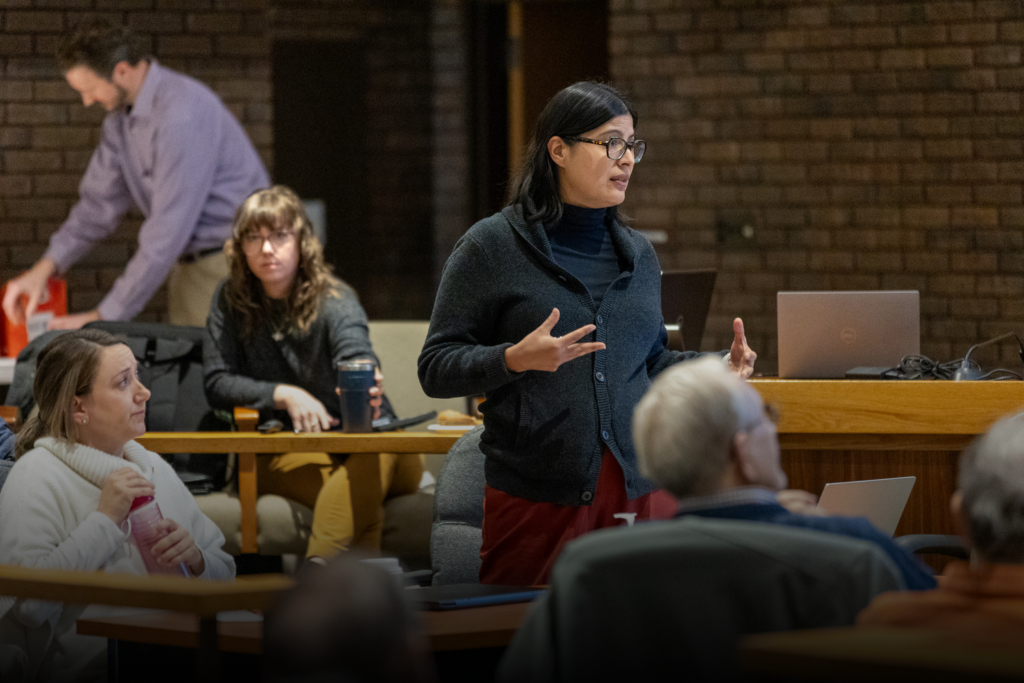
The planning process must make that balance clear. Before asking voters to support a project, a district should be able to explain how it evaluated its facilities, considered alternatives, established priorities and tested the proposed scope against its financial capacity.
Communities generally understand that aging buildings require continued investment. What they want is evidence that the district has done its homework.
That may mean showing photographs of deteriorating equipment, inviting residents to tour facilities or explaining why one project must precede another. It also means presenting the financial picture plainly: how reserves, state aid, existing debt and proposed borrowing affect the local taxpayer.
The district owns that story because it owns the decisions. The architect, engineer, construction manager and fiscal adviser are there to provide the information required to make those decisions — and to explain the consequences of each available path.
When a district plans carefully, communicates clearly and delivers what it promised, that success becomes part of the next capital conversation. The community gains confidence that its investment was managed responsibly. District leaders gain a stronger foundation for advancing the next set of needs.
That matters because there will always be a next set.
Even today’s newest school will eventually require reinvestment. Every system placed into service begins its own countdown toward repair or replacement. As educational priorities continue to evolve, each generation will ask something different of the buildings it inherits.
The lasting outcome of capital planning is not a completed project or an empty list — it is a district with the information, financial rhythm and community confidence to address what comes next.
Keep Your Capital Plan Moving
Your district’s capital needs will keep changing. The question is how prepared you are to respond.
Whether you’re building a long-term capital plan, evaluating facility needs or deciding what should come next, CPL can help bring facility conditions, educational priorities and financial realities into the same conversation.
About the Author: Lauren Tarsio

