
Share This Story
On paper, a community may have an emergency shelter, an operations center and a public works facility ready for the next disruption. But during an actual emergency, those labels matter far less than whether the buildings can do what the community is counting on them to do.
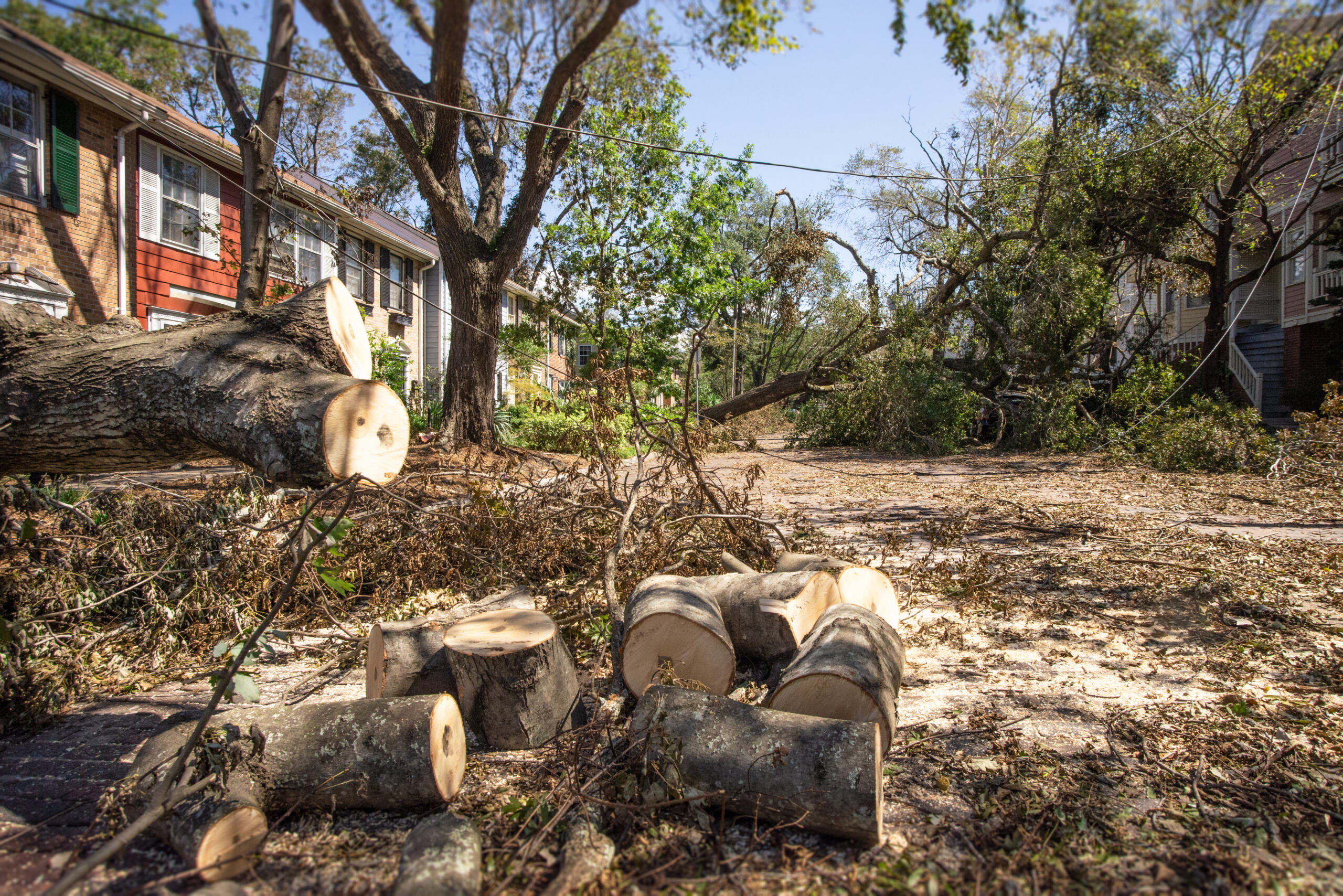
Hurricane Helene made that distinction clear across western North Carolina. The storm damaged buildings and infrastructure, but it also exposed vulnerabilities that were easier to overlook under normal conditions. Critical equipment flooded. Roads became difficult or impossible to use. Facilities needed to support residents and essential services for longer than anticipated.
In each case, the challenge extended beyond the building itself. A shelter still depends on power, water, access, supplies and people to operate it. A fire station may need to serve residents without compromising emergency response. Backup power provides little protection if the equipment it serves is located in the path of a flood.
That is the larger lesson for communities planning for future disasters: facility preparedness is operational. It requires understanding what a building must do, what it depends on to do it and what happens if one of those dependencies fails.
Start With what the Facility must deliver
Before evaluating a building or selecting improvements, leaders need to be clear about what they expect that facility to provide.
Consider an emergency shelter. A building intended to offer refuge for several hours requires something very different from one expected to support families for several days or weeks. Once the duration changes, so do the needs. Sleeping accommodations, meals, showers, laundry, storage, privacy and access to social services become part of whether the facility can actually fulfill its role.
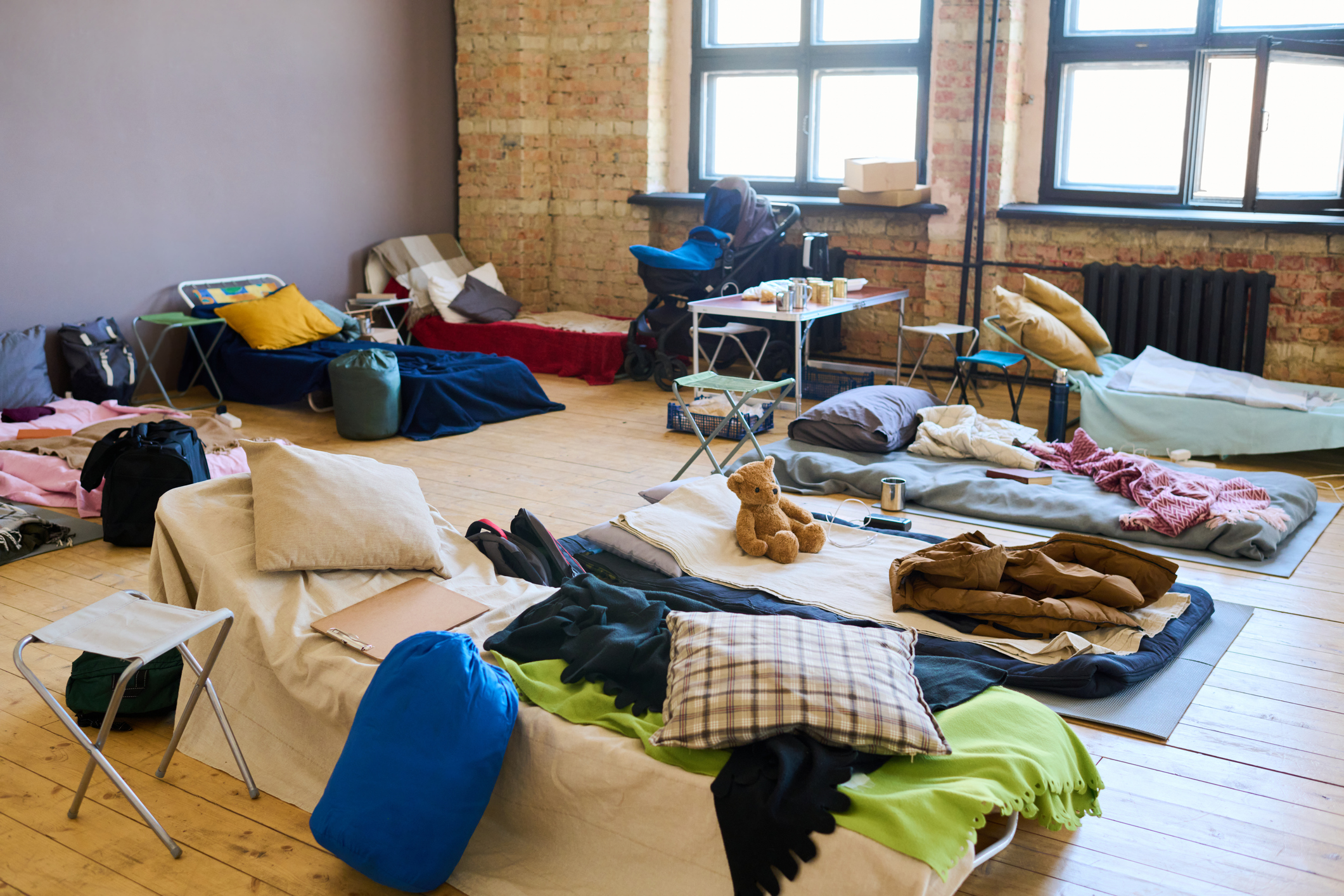
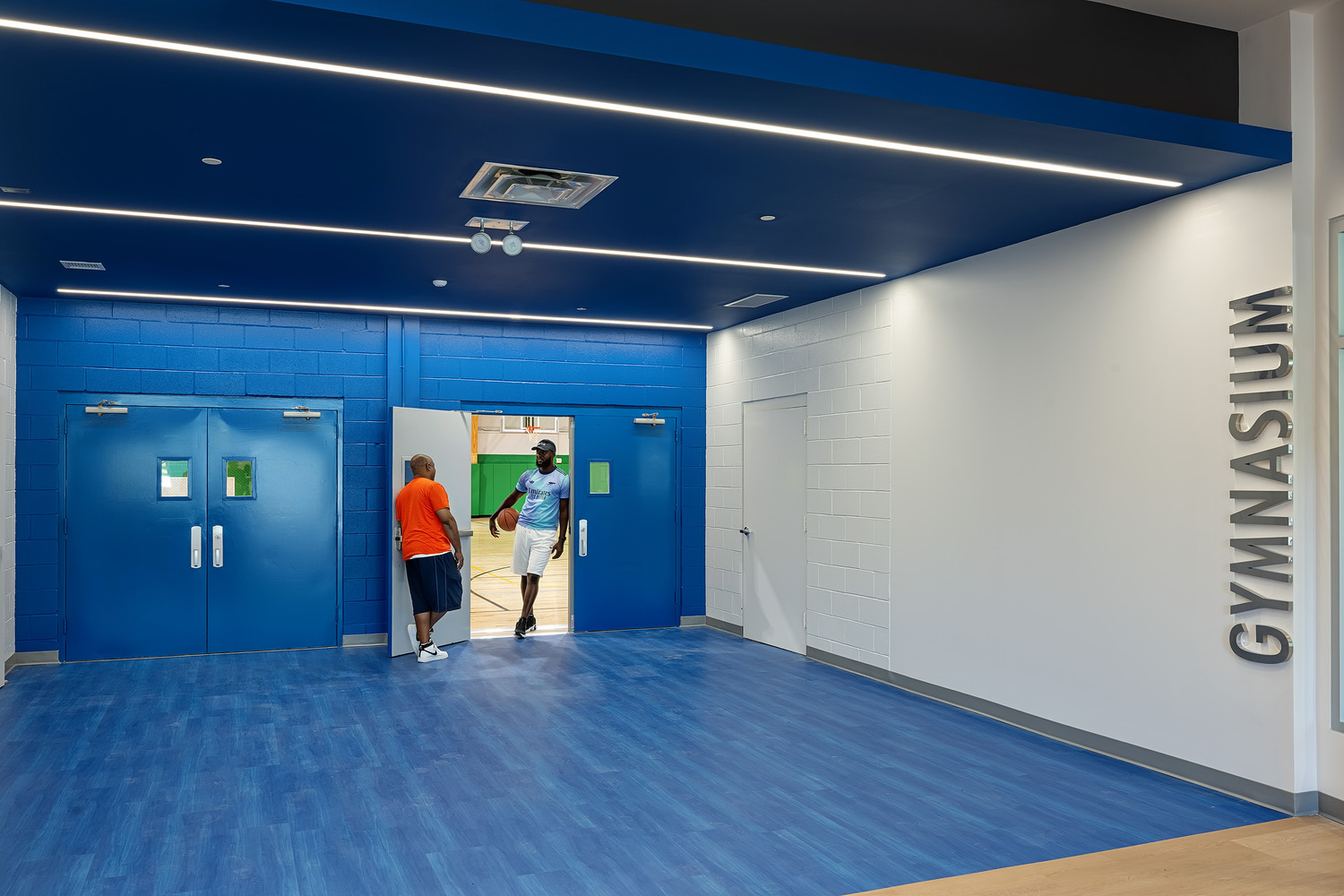
A former middle school in western North Carolina illustrates what that looks like in practice. The campus is being repurposed as a recreation center that can also transition into an emergency shelter. Its existing spaces naturally support different pieces of that operation: the gymnasium can accommodate cots, the cafeteria and kitchen can provide meals, the auditorium can serve as a central location for information and coordination, and other rooms can support families, case management and social services.
The significance is not simply that the building has enough space. Its spaces work together to support what residents may need over an extended period.
Its everyday use strengthens that readiness. Because the building will function as a recreation center between emergencies, it will remain active, maintained and familiar to the community and the people responsible for operating it. Rather than creating a facility that waits for a disaster, the project uses everyday community value to support long-term preparedness.
That same thinking should apply to any facility expected to play a critical role. Leaders first need to understand who will rely on it, how long it may need to operate and what services must continue. Only then can they determine whether the building and its supporting systems are prepared to deliver.
Test the Entire Operating Chain
Once the facility’s role is clear, the next step is to trace what has to keep working for that role to continue.
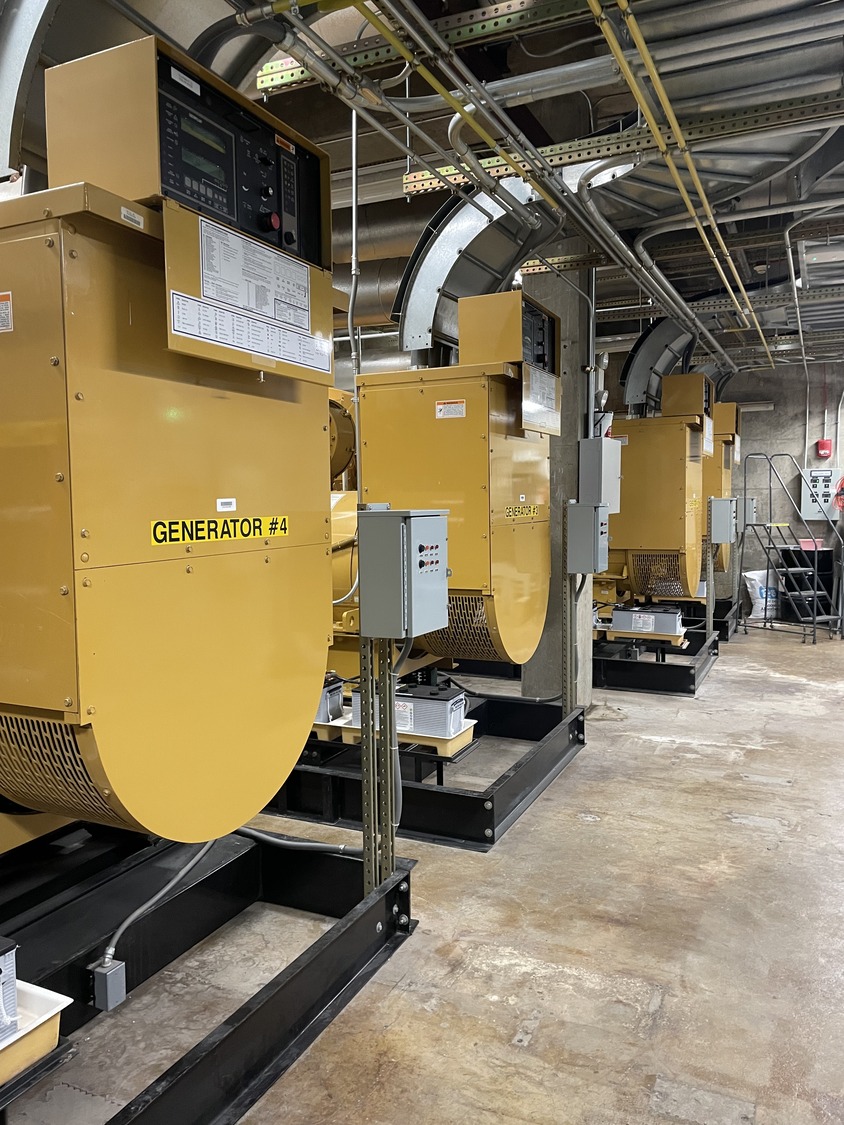
Backup power is a good example. A generator may be essential, but electricity alone does not make a facility operational. Fuel must still reach the site. Heating and cooling systems must operate within the available load. Water, sewer, communications and technology need to function. Residents, staff and supplies must be able to reach the building.
The same principle applies inside the facility.
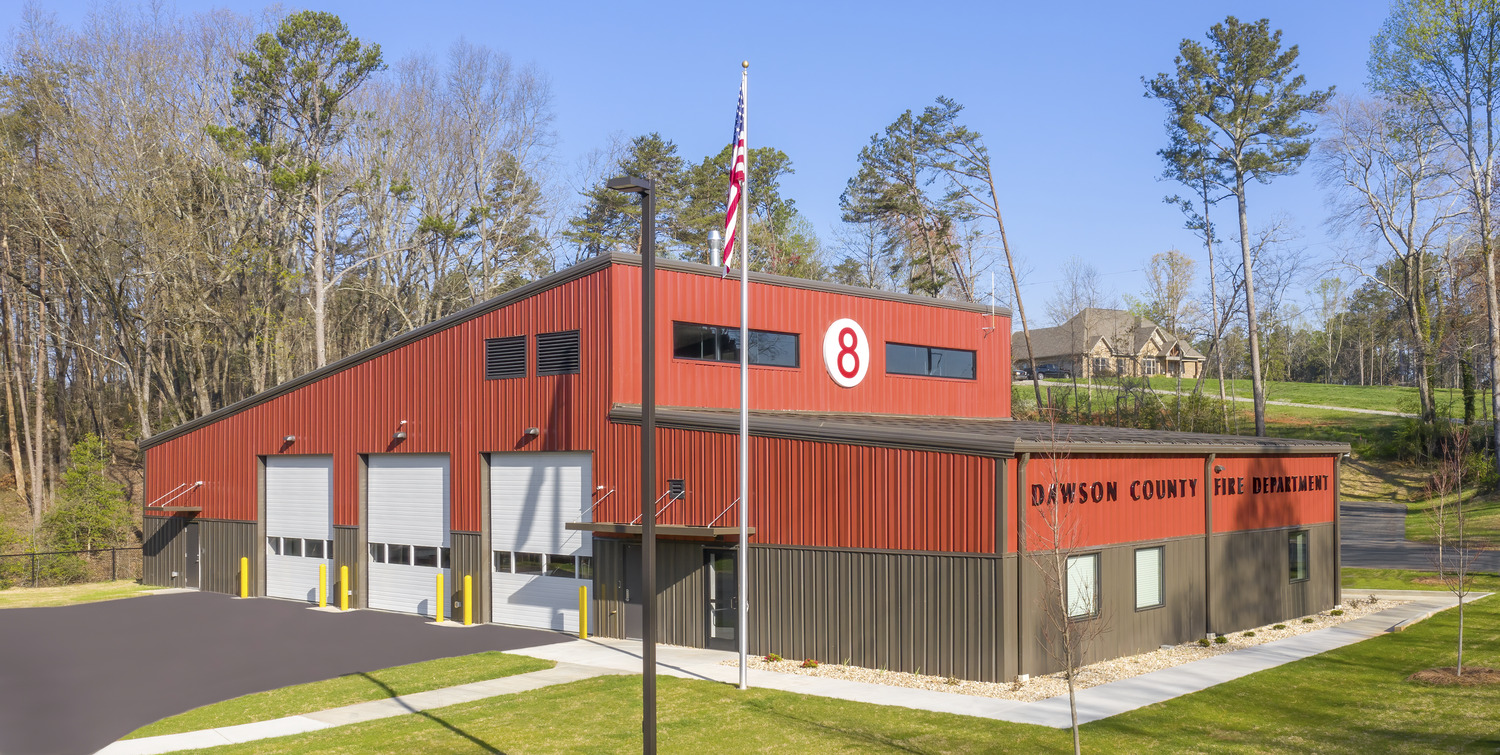
At a new fire substation being planned in the region, a community room can transition into a 20-person shelter. The design includes a separate public entrance, restroom, shower, laundry and storage area so residents can use that portion of the building without interfering with emergency operations.
That separation is more than a convenience. It allows the building to fulfill two responsibilities at once. During a disaster, firefighters still need to respond to calls while residents may simultaneously need a safe place to shelter. If one use prevents the other, the facility has not fully met either need.
Site conditions and hazards are part of the same operating chain.
At the former school campus, mechanical and electrical systems located in the basement flooded during Helene. Adding backup power while leaving those systems exposed would address one vulnerability while preserving another. A generator cannot help if the equipment it is meant to support is underwater.
That example points to why communities should resist planning only around the most recent disaster or around a single piece of equipment. Flooding may be the immediate concern in one location, while another facility faces greater exposure to wind, wildfire, loss of power or inaccessible roads. Several conditions may also occur together.
The objective is not to make every facility resistant to every imaginable hazard. It is to understand which conditions could prevent a building from performing its intended role and then address those vulnerabilities deliberately. In some cases, that means hardening the facility. In others, it means providing redundancy elsewhere in the community so another site can assume the role if the first cannot.

Let the Consequences Shape Investment
That understanding becomes especially important when communities begin deciding where limited resources should go.
Not every vulnerability carries the same consequence. A weakness in a facility with an available backup may be manageable. Failure at a site supporting several essential services, or one with no practical substitute, may warrant much greater urgency.
The key is to connect investment decisions to what would happen if the facility could not perform.
Which services would be interrupted? How many people would be affected? Is another site prepared to take over? Could one vulnerable system disable several functions at once?
Those considerations help communities distinguish between improvements that are desirable and those that are critical to continuity. The resulting priorities may range from communications and storage improvements to relocating vulnerable equipment, strengthening structures, mitigating flood exposure or providing redundant power.
This also creates a stronger foundation for grant and recovery funding. Rather than allowing an available funding source to define the project, communities can pursue resources with a clear understanding of the operational problem they are trying to solve and the consequence of leaving it unresolved.
That clarity matters because preparedness is not about eliminating every possibility of failure. No community can guarantee that every building, utility or transportation route will remain available through every emergency.
What leaders can do is understand what must keep working, where the weak points are and what will take over if something fails.
The time to answer those questions is before residents are depending on the answer.
When the Stakes Are High, Start With the Right Questions
Preparing for the next disaster takes more than identifying potential risks. It takes experienced advisors who understand how facilities, infrastructure, operations and community needs come together.
Our team can help you assess vulnerabilities, prioritize investments and develop practical strategies that keep critical facilities ready to serve your community when they are needed most.
About the Author: Gabrielle Steffel

