
Share This Story
Atlanta is growing.
New residents continue to arrive, development remains active across the metro area, and communities throughout the region are investing in housing, infrastructure, and placemaking to support economic growth. Yet amid that growth, a different trend is emerging: more people are feeling disconnected from the communities around them.
A 2024 analysis by ChamberofCommerce.org ranked Atlanta as the fourth loneliest city in the United States based on the prevalence of one-person households and trends in solo living. While living alone is not the same as experiencing loneliness, the findings highlight a challenge that extends well beyond individual well-being. Increasingly, loneliness is being recognized not only as a public health concern, but also as a market signal, revealing a growing demand for places, experiences, and environments that foster meaningful human connection.
Research continues to show that loneliness and social isolation are widespread across age groups and demographics. Whether among young professionals, aging populations, remote workers, or recent transplants to growing metropolitan areas, many people report struggling to build and maintain social connections. As a result, the need for community is becoming an increasingly important economic development, real estate, and quality-of-life consideration.
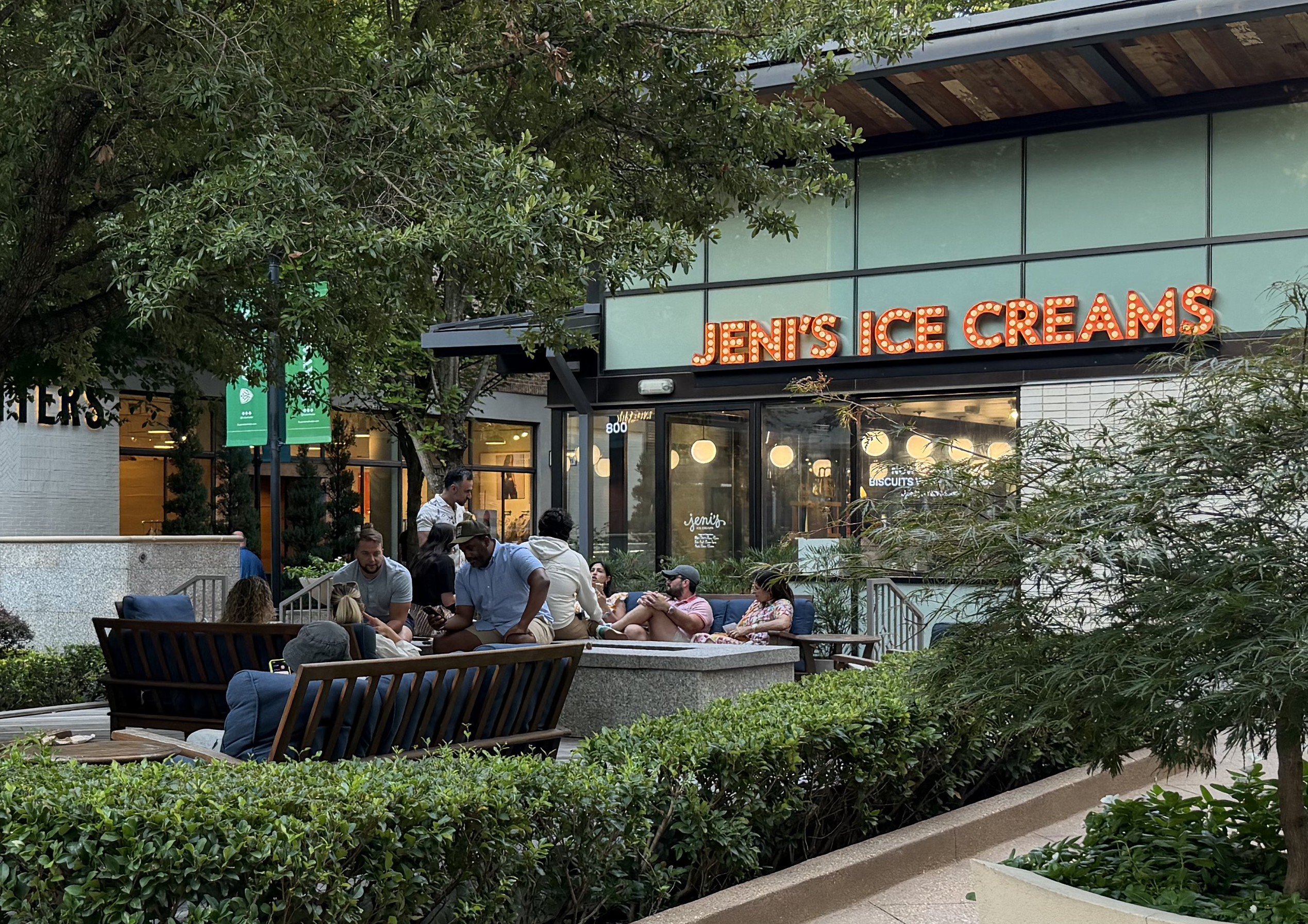
The impact of social isolation is increasingly evident. The opportunity now lies in understanding how the public and private sectors can work together to create places, experiences, and environments that foster meaningful human connection.
For decades, development discussions focused on familiar priorities: transportation, housing supply, economic growth, public safety, and infrastructure. These remain critical. However, a growing body of evidence suggests that the places people live, work, shop, and spend time can either encourage social interaction or unintentionally make it more difficult. This impact can be particularly significant for older adults, especially those experiencing life transitions such as retirement, loss of a spouse, or relocation of family members, especially when their housing choices are far from places that are easily walkable. This will become even more acute as the fastest growing age cohort in metro Atlanta are those 65 and older.
Historically, many communities relied on traditional gathering places such as town squares, civic organizations, neighborhood parks, libraries, and main streets to provide opportunities for connection. While those places remain important, the private sector is increasingly stepping in to meet the growing demand for social interaction.
From Social Challenge to Market Opportunity
In many ways, we are already seeing the emergence of a loneliness economy.
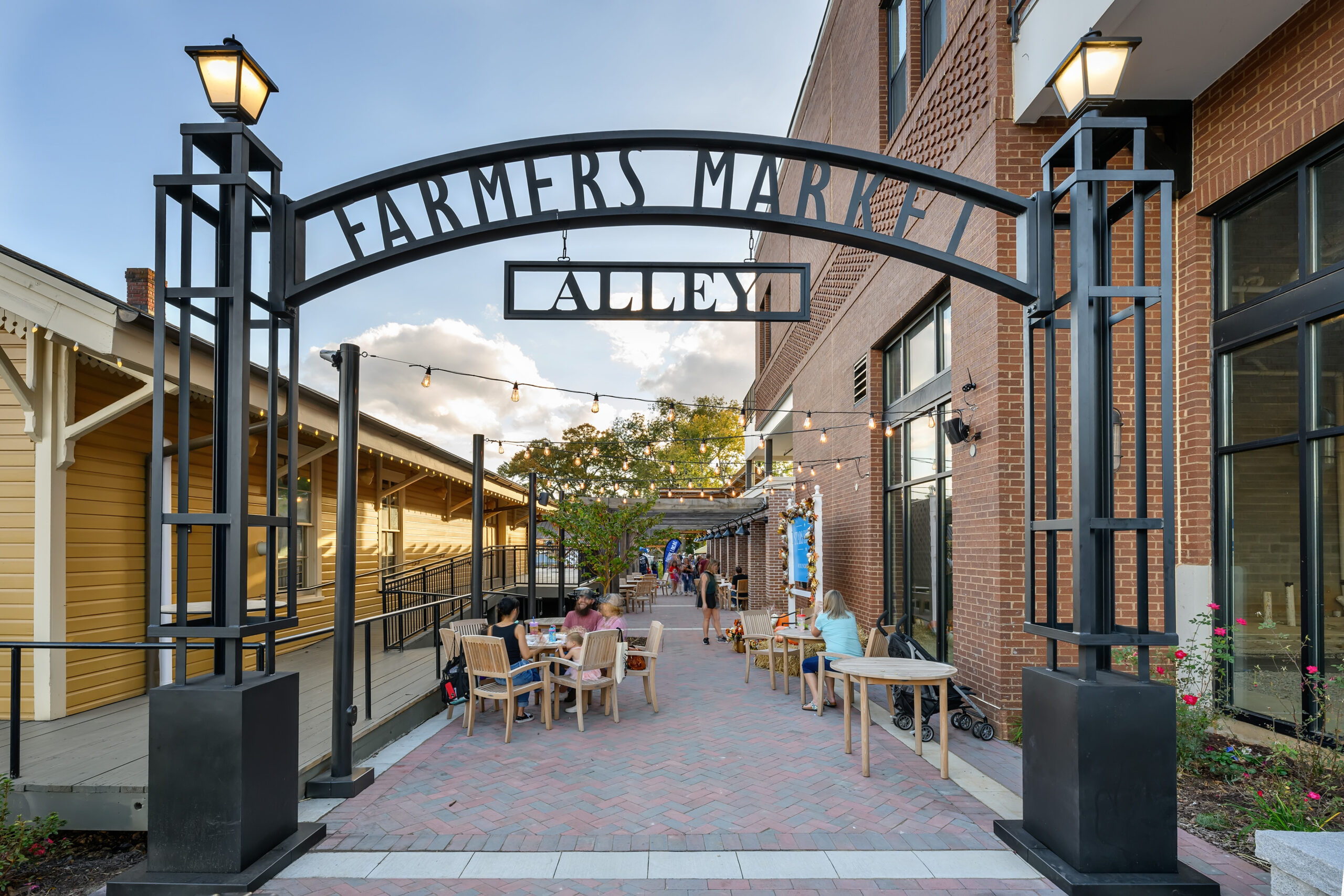
Consumers are spending money on experiences that provide opportunities to connect with others. Fitness studios, coworking environments, breweries, coffee shops, entertainment districts, membership-based communities, networking groups, and mixed-use destinations have become more than businesses. They have become social infrastructure.
Rather than viewing loneliness solely as a social challenge, developers and business leaders should increasingly recognize it as an unmet market need. People are actively seeking places where they can gather, build relationships, and feel a sense of belonging.
This represents an opportunity for both the public and private sectors. The built environment plays a powerful role in determining whether those opportunities exist.
THE BUILT ENVIRONMENT SHAPES SOCIAL CONNECTION
The challenge is that many development patterns established over the past several decades were not necessarily designed with social connection as a primary objective. Large setbacks, disconnected street networks, single-use zoning districts, and automobile-oriented development often limit opportunities for spontaneous interaction. Residents move between home, work, school, and commercial destinations often only by car, with few natural opportunities to engage with one another.
As a result, the most successful projects are increasingly those that intentionally create opportunities for connection.
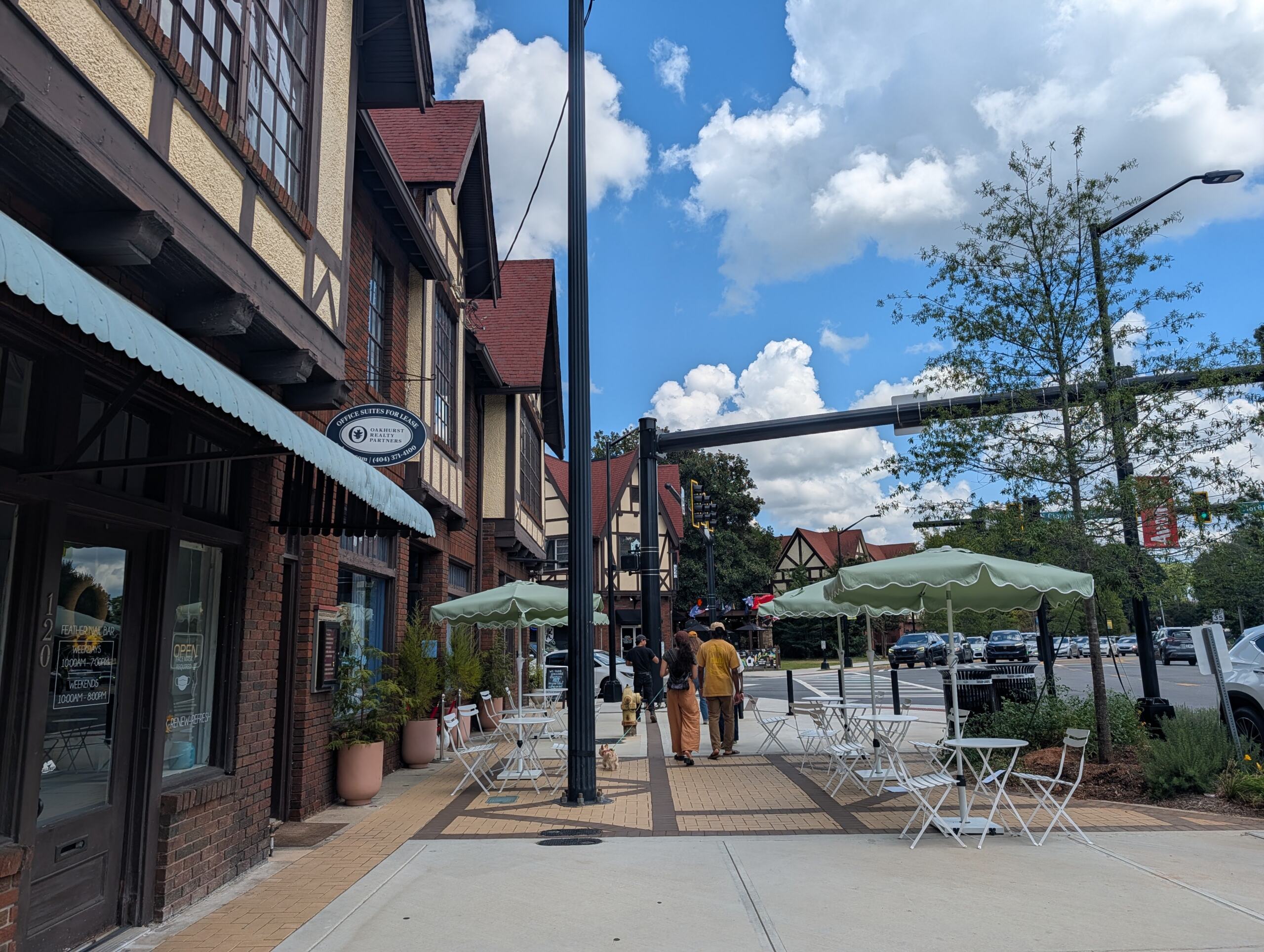
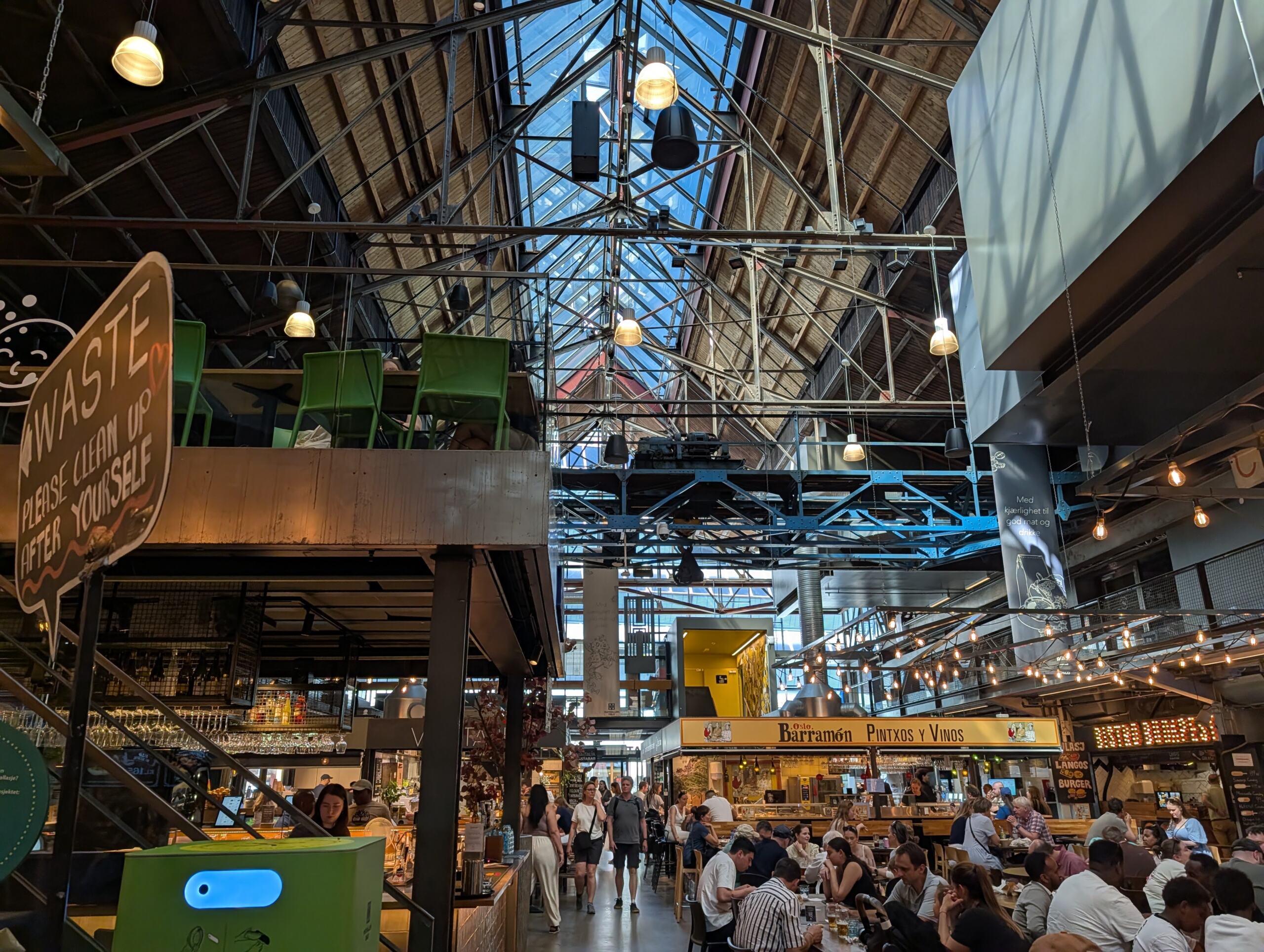
This does not necessarily require massive public investments. Often, it means designing environments where people naturally want to spend time. Walkable mixed-use developments, activated public realms, community gathering spaces, outdoor programming, neighborhood-scale retail nodes, trails, food halls, coffee shops, breweries, and flexible event spaces can all contribute to stronger social networks and more vibrant communities.
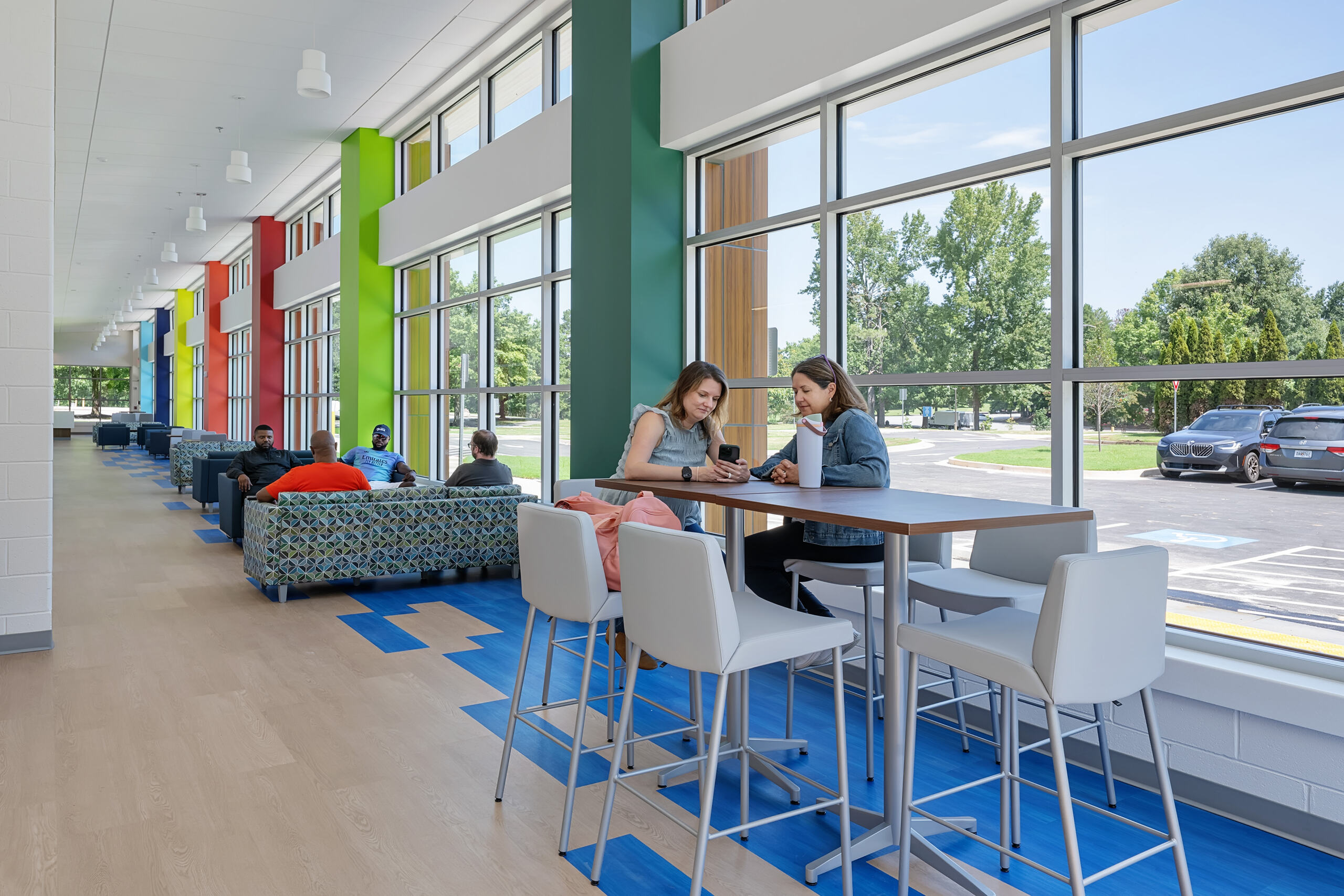
Our firm’s recent work exploring community connection and social infrastructure has demonstrated that successful places often share common characteristics. They prioritize connectivity, provide opportunities for informal interaction, support diverse activities throughout the day, and create destinations that attract people for reasons beyond a single transaction. These principles formed the foundation of a community connection toolkit developed through recent planning and research efforts and point toward practical strategies that communities can implement regardless of size.
Fortunately, communities throughout metro Atlanta are already demonstrating what intentional social infrastructure can look like in practice.
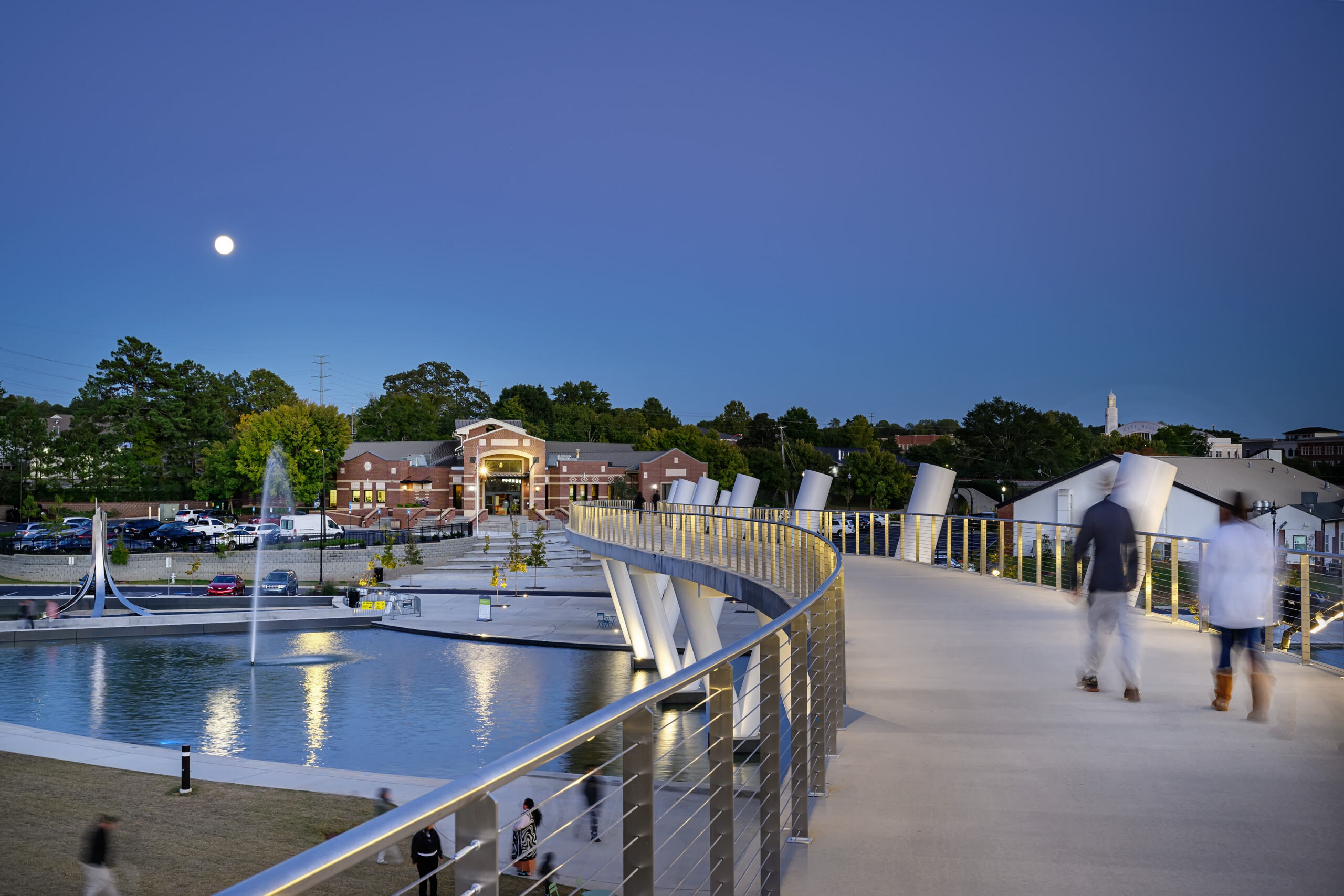
The City of Suwanee’s Town Center is one example. Designed as more than a civic destination, the area combines public gathering spaces, active programming, walkability, retail activity, and community-focused design. The result is a destination where residents regularly interact, celebrate community events, and build social connections.
Likewise, investments in trails, parks, and public spaces in communities such as Union City and Peachtree City demonstrate the continued importance of public-sector investment in social infrastructure. These projects create opportunities for gathering, recreation, and everyday encounters that strengthen community ties.
The Evolving Role of Local Government
The most effective public-sector response may not always be directly building every community gathering space. Instead, municipalities are increasingly positioned to act as facilitators, creating the conditions that allow both public and private investment in social infrastructure to flourish.
This begins with modernizing development regulations.
Many comprehensive plans emphasize placemaking, walkability, quality of life, and community character. However, the zoning ordinances and land development regulations that govern growth may still reflect priorities established decades ago. In some communities, it remains easier to develop isolated land uses than integrated, community-oriented environments.
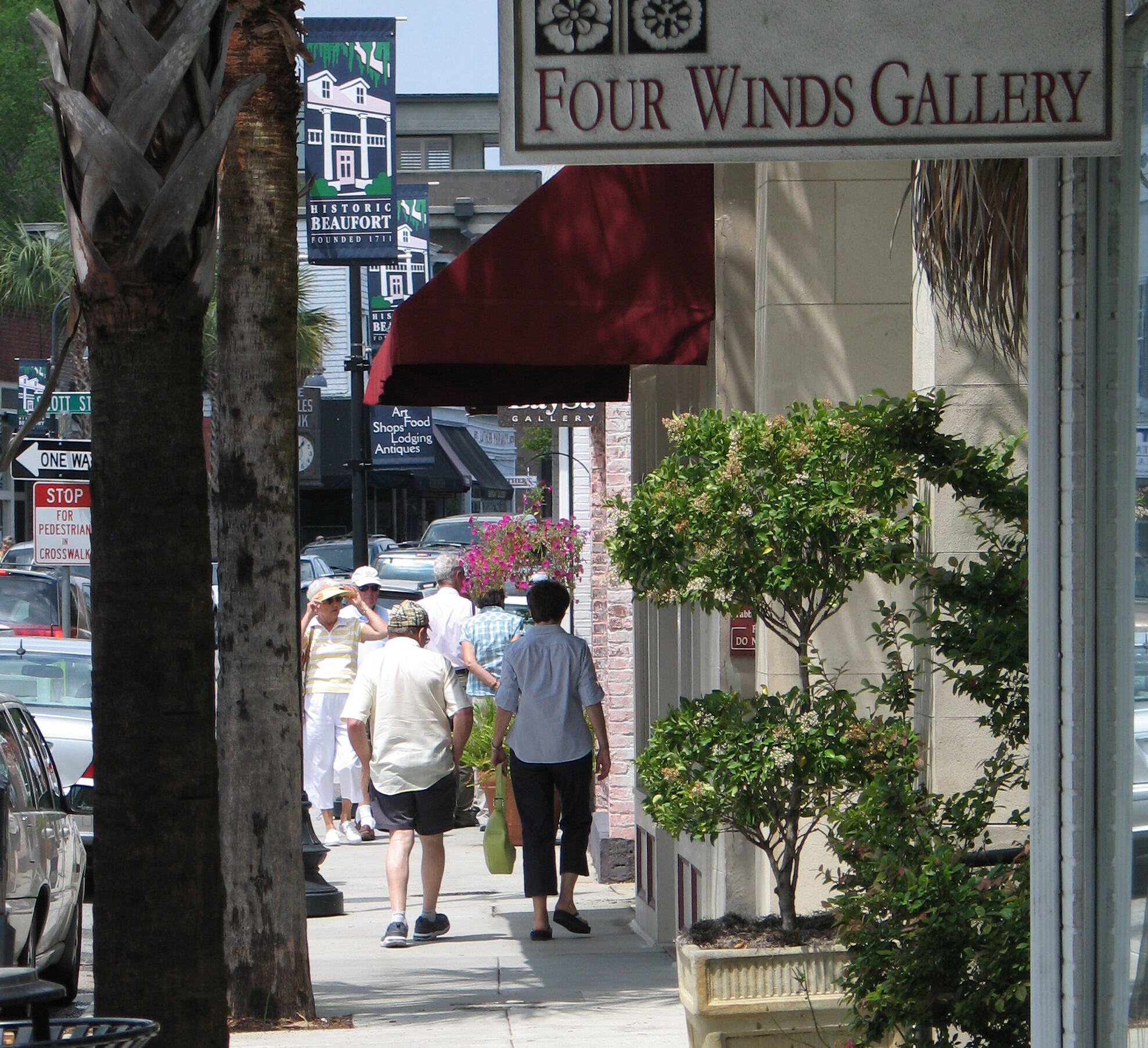
Local governments can help bridge that gap by updating Unified Development Ordinances, encouraging mixed-use development, supporting neighborhood commercial nodes, promoting pedestrian connectivity, and removing barriers to the types of projects that foster interaction and community building. Economic development incentives, public-private partnerships, and strategic infrastructure investments can further encourage developers to incorporate community-focused spaces into new projects.
In this framework, social connection becomes a shared responsibility.
Connection as a Competitive Advantage
Creating more connected communities is not the responsibility of any one sector alone. The private sector increasingly delivers the destinations, experiences, and gathering places that people seek out, while local governments establish the policies, incentives, and development frameworks that make those investments possible. When both work in concert, they create environments that support not only economic growth, but also a stronger sense of community.
This matters because social connection is emerging as a competitive advantage. People are increasingly drawn to places where they can build relationships, participate in community life, and experience a sense of belonging. Whether through vibrant mixed-use districts, neighborhood coffee shops, community events, trail networks, or well-designed public spaces, the environments that foster connection are often the same places that attract residents, retain talent, support local businesses, and encourage long-term investment.
As Atlanta continues its remarkable growth trajectory and increases in median age at the same time, the region has an opportunity to lead this conversation. Addressing loneliness is not simply about building more parks or creating more programs. It is about recognizing that human connection has become an important component of economic development, real estate strategy, and community design.
Communities that embrace this reality and intentionally create places where people can connect will be better positioned to thrive in the years ahead. In an era where connection has become increasingly valuable and increasingly scarce, investing in the environments that bring people together may be one of the most consequential decisions a growing region can make.
About the Author: Craig Lewis

