
Share This Story
The traditional pathway to career readiness once began in high school. Today, forward-thinking school districts are recognizing that preparing students for future success starts much earlier.
As workforce shortages continue across industries ranging from healthcare and engineering to skilled trades, advanced manufacturing, and technology, K-12 districts are expanding career exploration and applied learning opportunities into elementary and middle school environments. Rather than asking students to choose a career path at an earlier age, educators are creating opportunities for students to discover interests, develop problem-solving skills, and understand how learning connects to the world around them.
This shift is transforming not only educational programming, but also the environments where learning takes place. Schools are evolving beyond traditional academic settings and becoming hubs for innovation, workforce awareness, and hands-on exploration that prepare students for an increasingly dynamic future.
At the same time, school leaders are confronting a fundamental question: How do you design learning environments today that will remain relevant for the careers, technologies, and workforce demands of tomorrow?
Increasingly, the answer requires a more strategic approach to educational planning, one that considers not only today’s curriculum and programs, but also long-term workforce trends, community priorities, evolving instructional models, and the skills students will need decades from now.
Career Exploration Is Moving Earlier
For generations, career planning was viewed primarily as a high school responsibility. Today, districts are increasingly recognizing that meaningful exposure to future opportunities should begin long before students start evaluating college majors or career pathways.
Elementary and middle school students are naturally curious. They want to build, experiment, create, and understand how things work. Educational leaders are capitalizing on that curiosity through hands-on experiences that introduce concepts such as engineering, robotics, coding, design thinking, digital fabrication, and entrepreneurship.
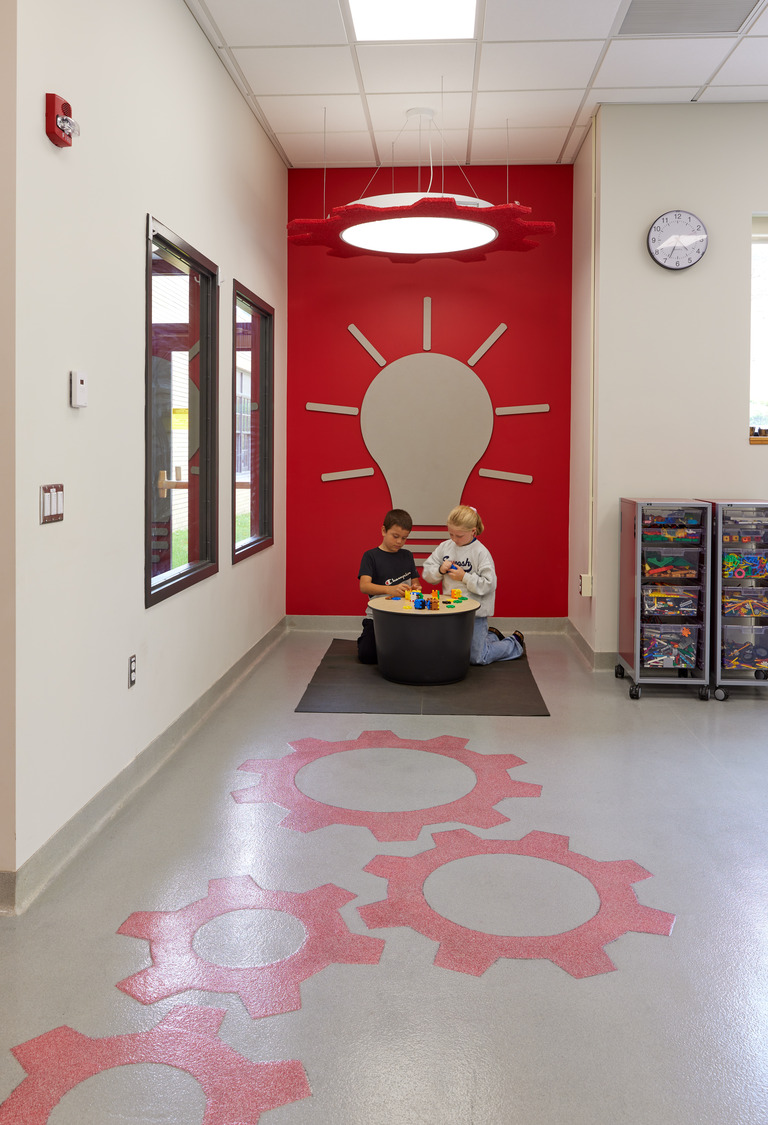
These experiences help students begin connecting classroom learning to real-world applications. A science lesson becomes an engineering challenge. A math concept becomes part of a design project. Technology shifts from a tool for consumption to a platform for creation. Importantly, early career exploration is not about narrowing options. It is about expanding them.
Students who are exposed to a wide variety of industries, skills, and learning experiences develop a greater understanding of the opportunities available to them and often become more engaged in their education as a result. When students have the opportunity to design a prototype on a 3D printer, participate in a robotics challenge, build a woodworking project, or collaborate on an engineering-based problem, they begin developing skills that transfer across countless careers and industries.
As many districts have discovered, the earlier students can see purpose in what they are learning, the more likely they are to remain motivated and connected throughout their educational journey.
Schools Are Becoming Workforce Development Partners
At the same time, workforce challenges are creating new expectations for educational systems. Employers across many sectors continue to face talent shortages, while communities are looking for ways to build stronger local workforce pipelines and support long-term economic development. This has created opportunities for closer collaboration between school districts, higher education institutions, workforce development organizations, and local industry partners.
As a result, educational planning increasingly includes conversations about how schools can help students develop the skills, experiences, and awareness needed to navigate future careers. This does not diminish the importance of traditional academics. Rather, it enhances them by creating opportunities for students to understand how foundational skills in mathematics, science, literacy, communication, and critical thinking apply across a wide range of professions.
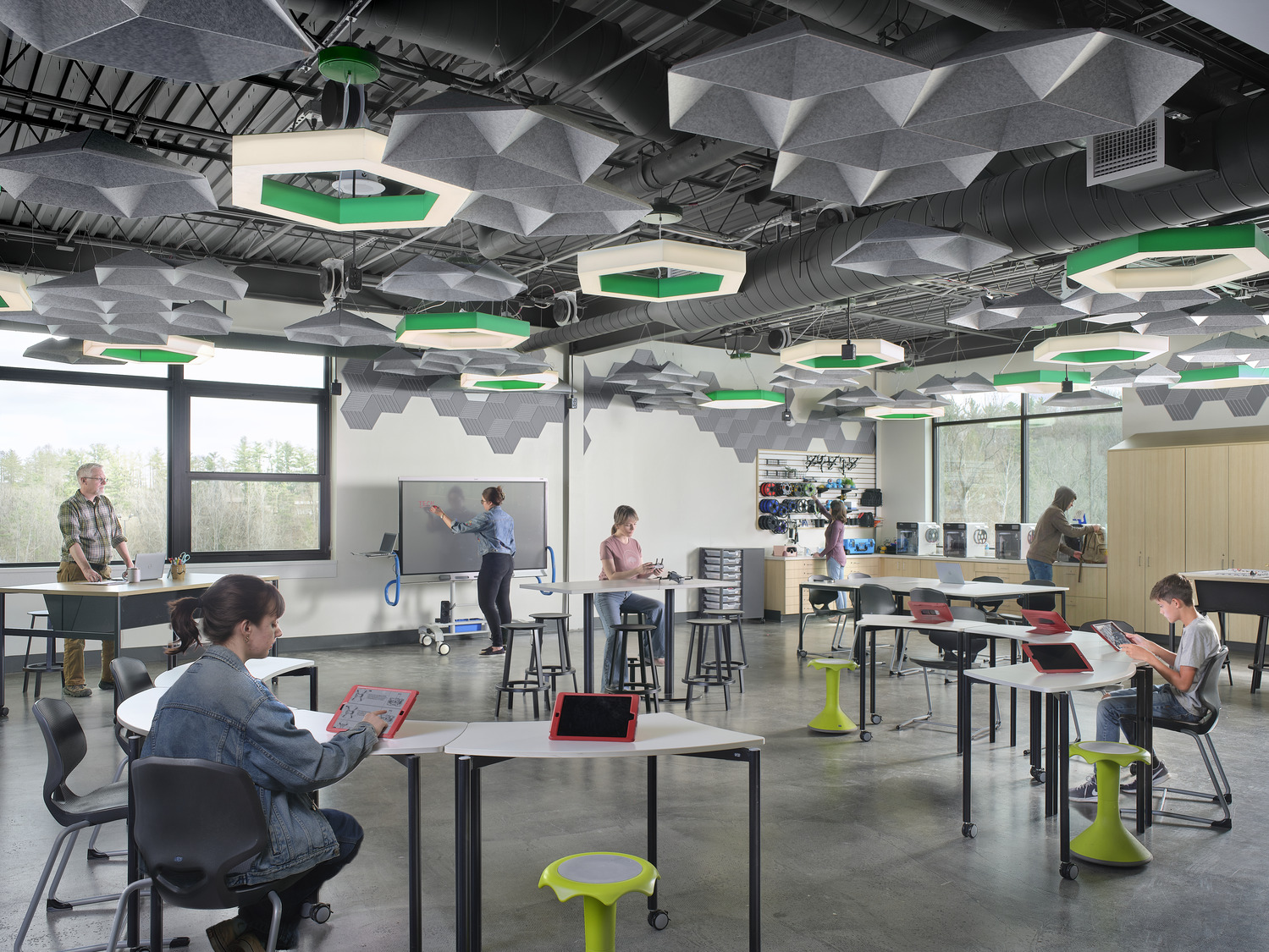
Schools are becoming important connectors between students, communities, and future opportunities. In many districts, workforce readiness is no longer viewed as a program. It is becoming part of a broader educational strategy.
For educational leaders, this shift has important implications. The conversation is no longer simply about what programs to offer. It is about creating environments that encourage exploration, adaptability, collaboration, and real-world engagement.
At CPL, these conversations often begin well before facility design enters the discussion. They start with understanding a district’s educational vision, workforce development goals, community priorities, and long-term strategic plans. The most successful outcomes occur when educational planning, facility planning, and community development objectives are aligned from the outset.
Hands-On Learning Is Reshaping Educational Environments
As career exploration expands, districts are rethinking what learning environments need to support. Traditional classrooms remain essential, but they are increasingly complemented by spaces that encourage experimentation, collaboration, creativity, and applied learning. Students learn differently when they are actively engaged. Whether building a robot, designing a prototype, operating a 3D printer, developing a digital media project, or solving a collaborative engineering challenge, students are applying knowledge in ways that deepen understanding and build confidence. Educational environments are evolving to support these experiences.
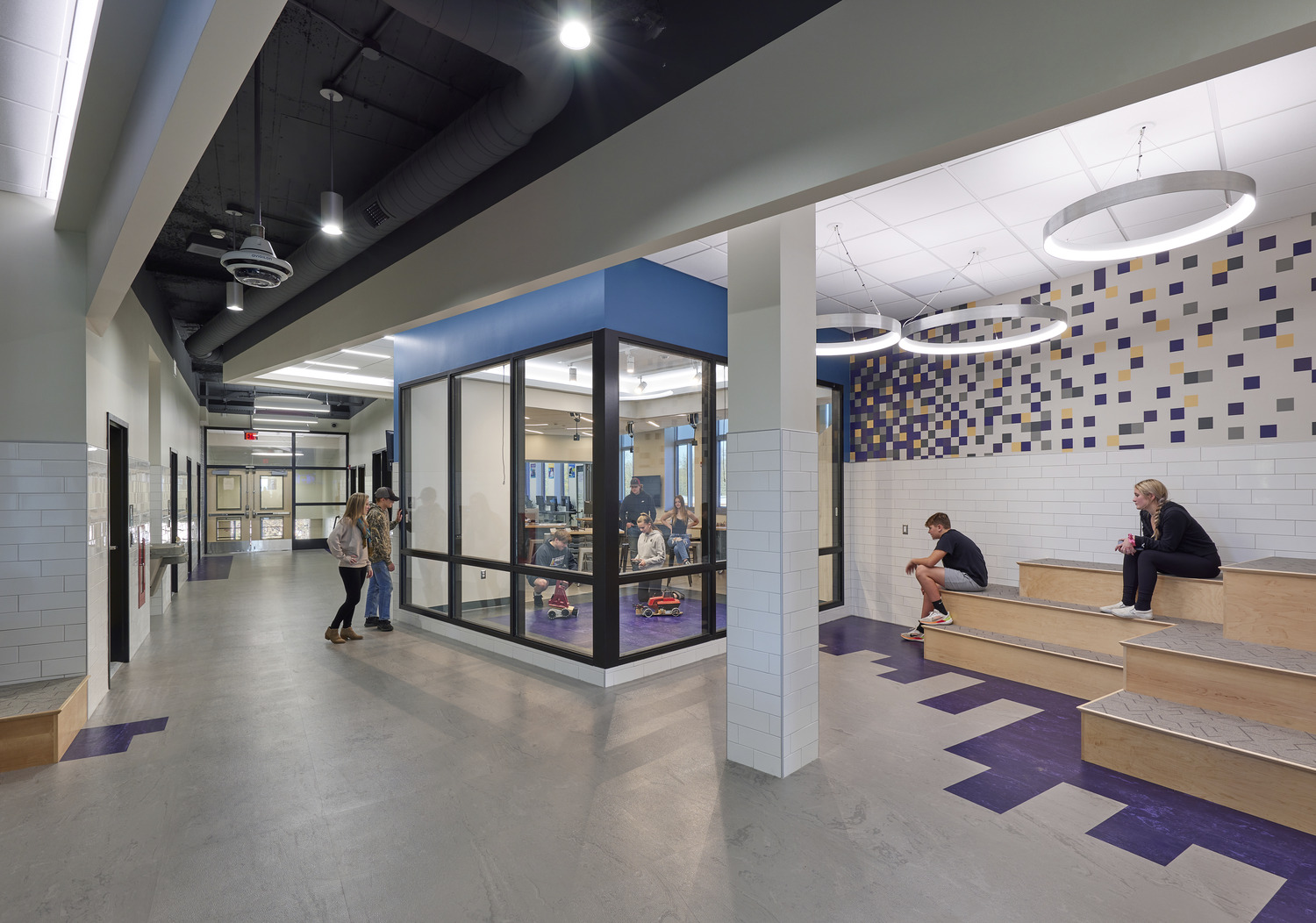
Across New York State, districts are embracing learning environments that encourage innovation and exploration.
At Portville Central School, the district has invested in STEAM learning opportunities through initiatives such as its STEAM Envisioneering Center and has become a regional hub for career awareness through its long-running Manufacturing and STEAM Fair. These programs expose students to engineering, manufacturing, technology, and workforce opportunities while helping them better understand potential career pathways.
Wellsville Central School District has similarly embraced a STEAM-focused educational approach centered on inquiry, collaboration, problem-solving, creativity, and experiential learning. The district’s vision emphasizes STEAM integration and technology-rich learning experiences that support college and career readiness while helping students develop skills required for future success.
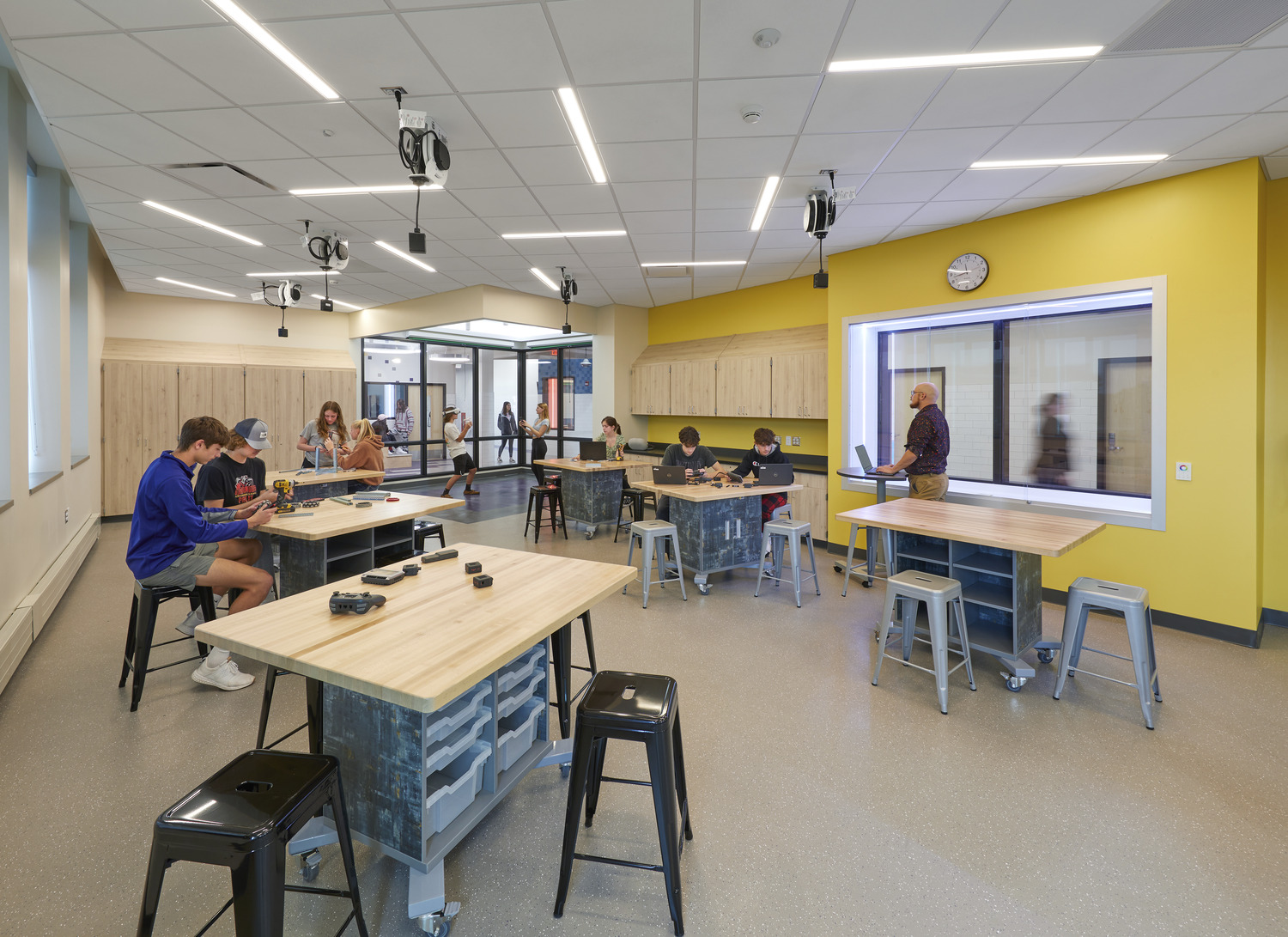
This same emphasis on future-ready learning informed CPL’s work with Bolivar-Richburg Central School District. The district sought to modernize its facilities to reflect changing curriculum needs, emerging career pathways, and evolving instructional practices. Rather than creating static specialty rooms designed around a single use, the project focused on developing adaptable STEAM environments that support coding, robotics, engineering, collaboration, project-based learning, presentation, and independent exploration. Dedicated STEAM and computer labs at the elementary level provide early exposure to these experiences, while flexible learning environments at the secondary level support more advanced and interdisciplinary learning.
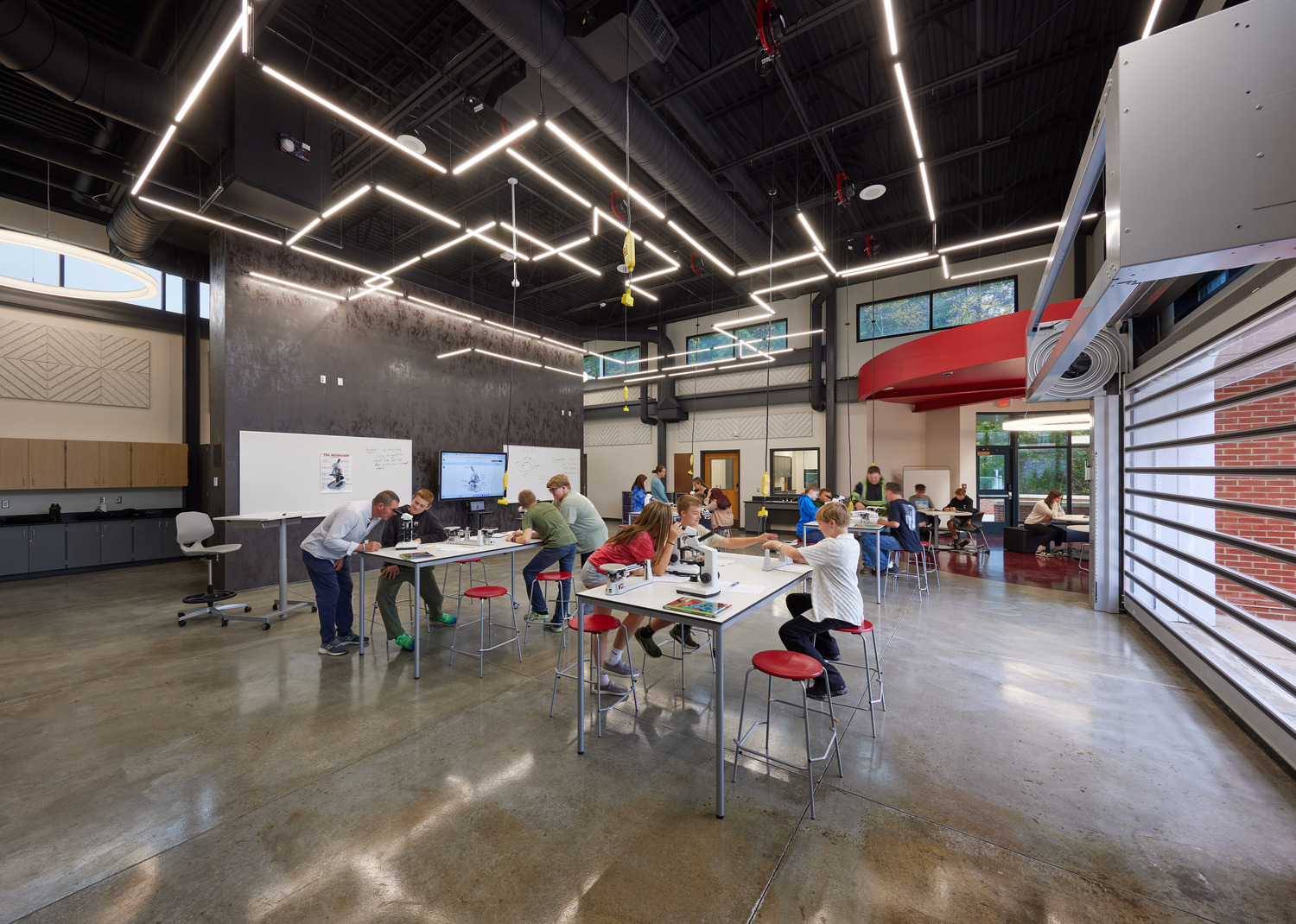
These districts reflect a broader trend emerging across K-12 education: creating environments that encourage students to move beyond passive learning and become active participants in the educational process.
Flexibility Has Become a Strategic Priority
One of the most significant shifts occurring in educational planning is a move away from highly specialized rooms toward more adaptable, multi-purpose environments. The challenge facing today’s educational leaders is that workforce needs continue to evolve rapidly. The technologies students will use in ten years may not exist today. The careers they pursue may look dramatically different from those of previous generations. For that reason, flexibility has become a strategic priority.

Rather than creating spaces dedicated to a single activity, districts are investing in environments that can support multiple learning modes throughout the day. A space may serve as a robotics lab during one class period, a collaborative project space during another, and a community learning environment after school hours. These flexible environments often support:
- Robotics and coding activities
- Woodworking and fabrication experiences
- 3D printing and prototyping
- Engineering and design challenges
- Digital media creation
- Small-group collaboration
- Presentation and demonstration spaces
- Project-based learning
Movable furnishings, adaptable infrastructure, breakout areas, integrated technology, and flexible layouts allow educators to modify how spaces function without requiring major renovations. The most successful districts are not designing facilities around today’s programs alone. They are designing environments capable of supporting whatever opportunities emerge next.
Planning for What’s Next
One of the greatest challenges facing educational leaders is planning for careers and technologies that have yet to fully emerge.
Ten years ago, few districts were discussing artificial intelligence, advanced manufacturing automation, digital fabrication, or many of the technologies now influencing workforce conversations. The pace of change continues to accelerate.
As a result, districts increasingly benefit from learning environments that prioritize adaptability over specialization. Spaces designed to accommodate a wide range of uses provide significantly greater long-term value and allow educational programs to evolve alongside workforce trends and student interests.
This is where thoughtful educational planning becomes critical.
Future-ready campuses are not built around today’s programs alone. They are built around the flexibility to accommodate unforeseen opportunities, emerging industries, and evolving teaching methods. Educational environments must be capable of adapting to changing technologies, community needs, enrollment patterns, and instructional priorities without requiring constant reinvestment.
For district leaders making decisions that will shape their schools for decades, this requires a planning process that extends beyond facilities and focuses on educational outcomes, community impact, and long-term resiliency.
Empowering Students for Future Opportunities
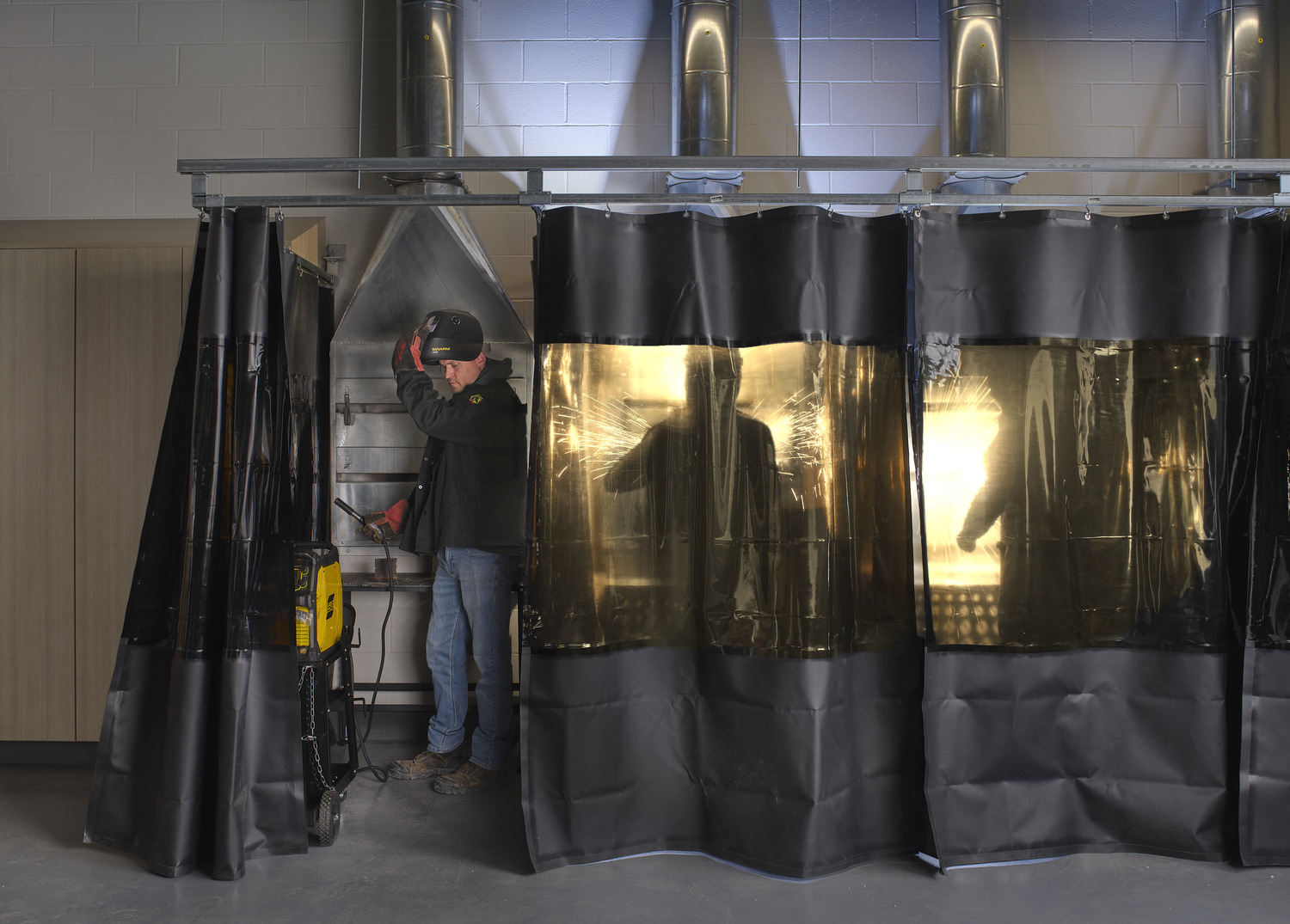
Career-focused education today extends well beyond traditional vocational pathways. Students are exploring healthcare careers, engineering, advanced manufacturing, communications, digital media, entrepreneurship, computer science, environmental studies, and countless other fields. The goal is not to direct students toward a particular profession. It is to help them build the skills necessary to adapt, learn, and succeed in an ever-changing world.
Those skills, including communication, critical thinking, creativity, adaptability, collaboration, and problem-solving, are increasingly at the center of educational planning. The environments that support those skills are becoming equally important.
As districts continue to respond to changing workforce demands and evolving instructional models, the conversation is no longer simply about adding a STEAM lab or introducing a new program. It is about creating educational ecosystems that foster exploration, innovation, and lifelong learning.
The most successful districts are approaching educational planning through a strategic lens, aligning instructional goals, workforce trends, community priorities, and facility investments into a shared vision for student success.
At CPL, we see this shift occurring in communities of all sizes. School districts are increasingly seeking environments that encourage curiosity, support evolving instructional models, and remain adaptable as educational and workforce needs continue to change. By approaching educational planning holistically, districts can create campuses that serve as more than educational facilities. They become community assets, workforce development partners, and launchpads for future opportunity.
Preparing students for the future begins long before graduation day. By introducing career exploration earlier, strengthening community partnerships, and creating flexible environments that support hands-on learning, districts can build a stronger foundation not only for students, but also for educators, employers, and entire communities.
In the years ahead, the most successful schools will be those that remain adaptable, student-centered, and responsive to change. Schools that embrace this evolution will do more than educate students. They will help inspire the next generation of innovators, creators, problem-solvers, and leaders while ensuring their communities remain positioned for long-term success.
Let’s Design What’s Next for Your District
Preparing students for tomorrow starts with creating the right learning environments today. Whether your district is expanding career exploration, introducing hands-on STEAM learning or reimagining existing facilities, CPL’s K-12 team can help align your educational vision with flexible, future-ready spaces that support students, educators and communities for years to come.
About the Author: Ryne Wight

