
Share This Story
Bringing new procedures into practice requires a plan for the full investment, current operations and the path to patient care.
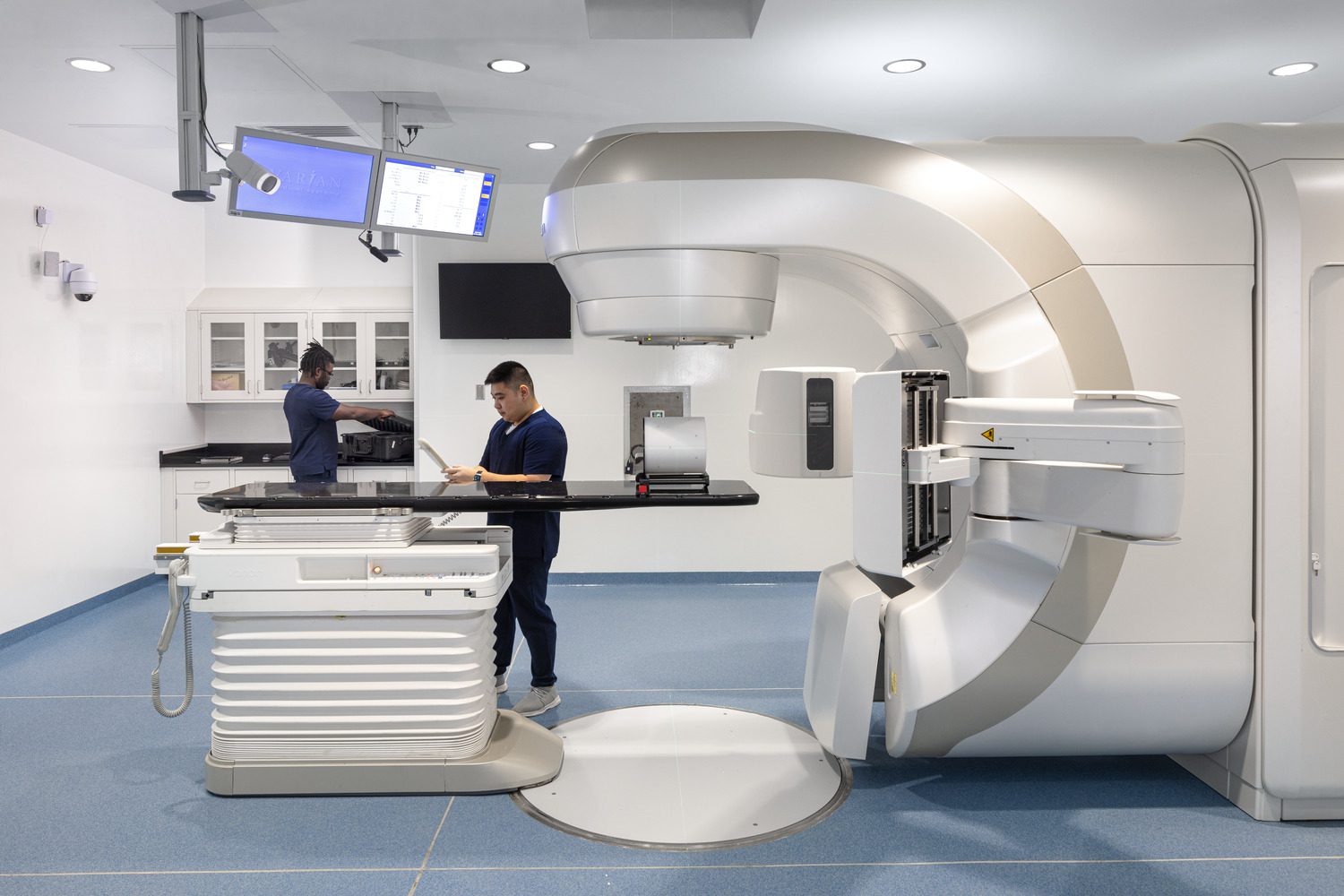
A hospital can invest in sophisticated medical technology and still be unprepared to deliver the care it enables.
An imaging system, surgical platform or diagnostic technology may help recruit a specialist, expand a clinical program or improve access for patients. Realizing those benefits requires the right space, infrastructure, staffing and operating plan. The equipment price captures only part of that commitment.
If building modifications or temporary clinical arrangements are identified after the purchase, executives may face additional capital requests and a longer path to opening the program. The investment decision needs to establish which clinical capability the organization intends to create, what it will cost to support and when patients can benefit.
Defining the Clinical Capability
Technology that supports several specialties gives leadership more choices about how to use the investment. It also requires agreement on which uses belong in the initial program and which remain future possibilities.
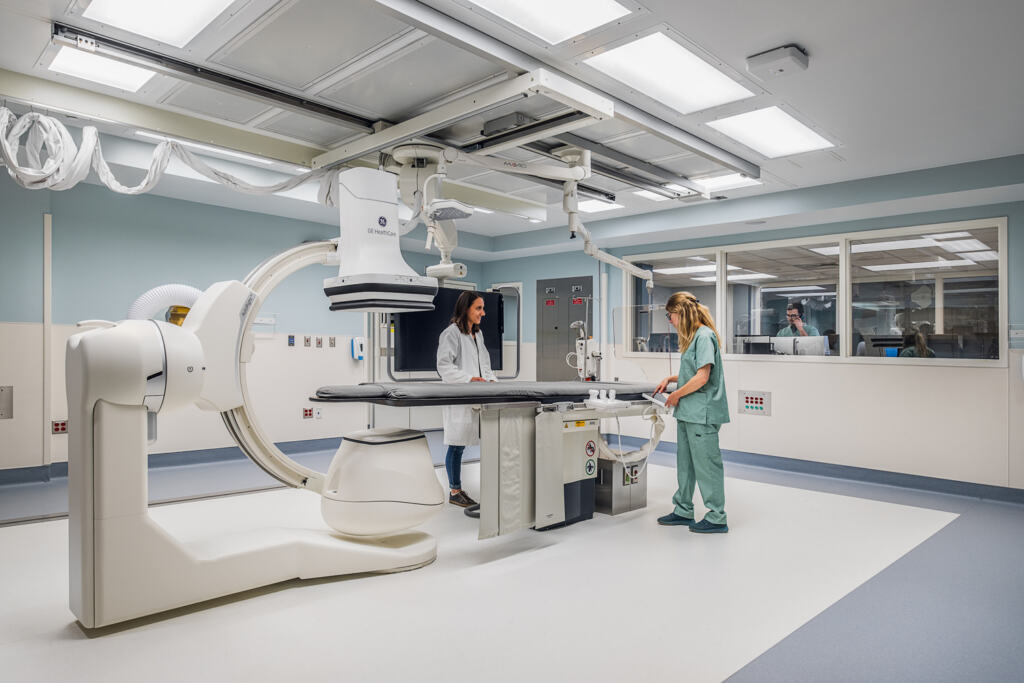
On an interventional radiology project for Northwell Health in New York, CPL’s team needed to clarify whether a proposed room would support neurological procedures, cardiovascular procedures or both. The equipment offered multiple possibilities. The planning question was which clinical programs the hospital wanted to prioritize and where to preserve options for later.
Different specialties may share equipment while requiring different supplies, support equipment and staffing arrangements. Accommodating both can affect storage, circulation
and adjoining clinical support spaces. Those requirements need to be understood before leadership commits to shared use.
The Northwell example illustrates why a system’s range of applications should prompt a clinical strategy discussion. Leadership needs agreement on which programs justify the supporting space and operating commitments before assuming shared use will increase the value of the purchase.
EVALUATE THE FULL INVESTMENT
The intended procedures help determine room classification¹ and requirements for ventilation, infection prevention, finishes and controlled access. Equipment specifications also establish technical needs that must be assessed against existing electrical, cooling and structural capacity. A room large enough for the equipment may still require substantial work to support its intended use.
These findings belong in capital planning. Executives need to understand the equipment and facility costs together, including work elsewhere in the building and temporary arrangements needed during construction. They also need a separate view of the ongoing staffing and operating commitments required to sustain the program.
Software integration and security are part of readiness as well. Hospital IT and security representatives should participate early enough to identify approval requirements and dependencies that could affect implementation. Equipment selection, facility preparation and clinical planning need a coordinated schedule.
PROTECT CURRENT CARE DURING IMPLEMENTATION
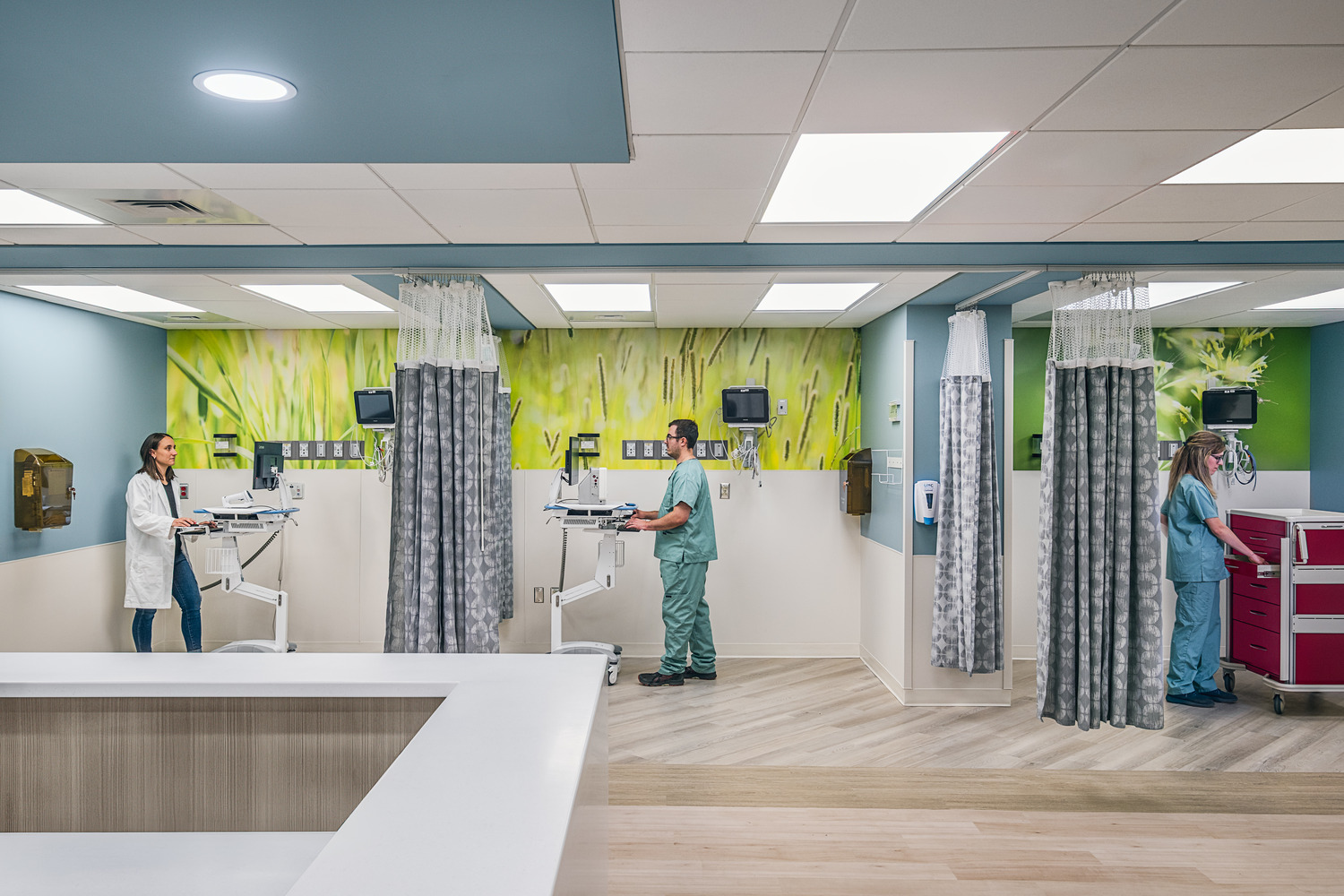
The hospital must continue serving patients while the new capability is being created. Infrastructure work may affect adjacent departments, and equipment installation may require opening walls or using corridors that patients and staff rely on. Temporary relocations and equipment downtime can change how much care existing departments can provide.
At Caldwell UNC Health, relocating a laboratory hood during construction required evaluating an exhaust route to the exterior. CPL worked with laboratory staff, facilities representatives and the contractor to examine how a temporary location could support the equipment. The temporary location had to support functioning laboratory work before the hospital could rely on it during construction.
For leadership, the decision includes which services must remain available, where they will operate and what those arrangements require. Planning how care will continue during construction makes temporary operations part of the implementation budget and schedule. It also exposes dependencies that could delay installation or disrupt existing procedures if left unresolved.
FUND THE FUTURE OPTIONS THAT MATTER
Future flexibility is a capital allocation decision. Providing space or infrastructure capacity now may avoid a costly retrofit, but preparing for every possible clinical use can commit funds to capabilities the organization may never need.
At Caldwell, the cath lab expansion initially included one new suite and shell space for a second. When certificate-of-need approval arrived sooner than anticipated, the second suite could be completed within the active project. The existing cath lab remained operational until staff could transfer to the completed suites. The reserved space supported a timely response to approval, while the construction sequence preserved existing cath lab capacity.
Clinical leaders can identify likely program growth, while operations leaders assess patient volume and staffing needs. Facilities can identify provisions that would be difficult to add later, and finance can compare their initial cost with a future retrofit. The resulting plan should state what the initial investment enables and what further construction, equipment or operating commitments would still be required.
APPROVE A PLAN FOR BRINGING THE CAPABILITY INTO USE
Patients benefit when clinical teams can use the technology safely and consistently. Facility completion, equipment installation, IT approvals and clinical readiness must come together to make that possible. A delay in any one can postpone the planned procedures and extend the expense of temporary operations. Leadership therefore needs a target date for clinical use, with named responsibility for the work and approvals needed to reach it.
Before approving a significant medical technology investment, executives should be able to answer five questions:
- Clinical purpose — Have clinical leaders agreed on the procedures, patient populations and programs the investment will support?
- Full commitment — Does the investment estimate include equipment, facility work and implementation, with ongoing staffing and operating costs identified separately?
- Readiness — Who is accountable for resolving outstanding facility, IT and clinical requirements by the planned start of patient care?
- Current operations — Is there an agreed plan to maintain essential services during construction, installation and equipment downtime?
- Future options — Which future capabilities does the initial investment enable, and what additional funding and preparation would each require?
CPL’s Advisory Services helps leadership teams compare the clinical opportunities, facility requirements and operational commitments behind an investment. That gives executives a basis for deciding what to fund now, what to preserve for later and what must be resolved before the new capability can serve patients.
Move Medical Technology Forward with Confidence
The measure of a successful technology investment is whether clinical teams can use it to diagnose and treat patients as intended. Our contribution begins while leaders still have choices: identifying what each proposed capability requires so they can commit to a plan their teams are prepared to deliver.
About the Author: Darren-Erik Diaz

Darren-Erik brings three decades of industry expertise to CPL’s leadership bench, with a multifaceted background in construction management, architectural design and real estate. Renowned for assembling and leading truly high-performing teams, he fosters seamless collaboration to achieve the best outcomes for all parties.
About the Author: Bin Weng

Bin is a dedicated architect with over 20 years of experience specializing in healthcare planning and design. Known for his strategic thinking and creativity, he leads teams to craft environments that prioritize functionality and enhance the patient experience.
About the Author: CPL

