
Share This Story
A building’s urgent repair needs should not place it automatically at the top of a capital improvement plan.
Many public agencies are managing two realities at once: aging buildings and infrastructure and ongoing or changing demands for space and services. In growing communities, existing facilities may not have enough capacity. Elsewhere, agencies may own more space than they need or occupy buildings that were never well suited to their current use. In all cases, a list of needed repairs cannot answer the larger question of where continued investment makes sense.
A deferred maintenance list identifies what buildings need and prioritizes those needs. Instead, leadership needs a list that identifies and prioritizes the needs beyond the physical building by considering the needs of those who occupy them and receive services from them. Before acting on deferred maintenance for a building, leaders must understand the purpose that building serves within their ecosystem.
Strategic asset management provides that broader perspective. For public facilities, it brings condition, space use and service needs into the same conversation. Capital planning then turns those findings into decisions about what to renovate, consolidate, repurpose, replace or remove from inventory.
BEGIN WITH THE NEED, NOT THE PRESUMED PROJECT
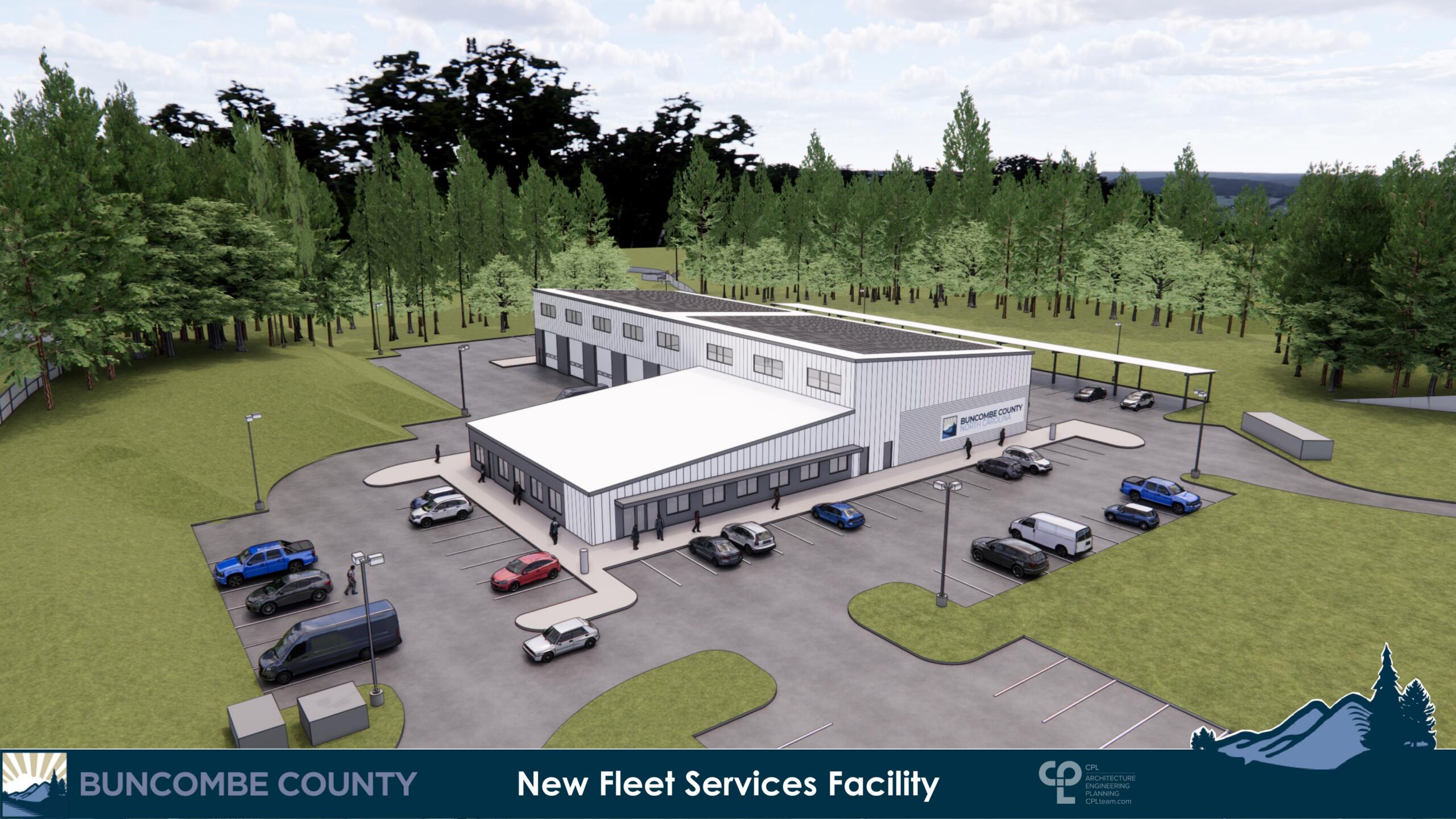
In one county, the need for a fleet maintenance facility could have led directly to plans for a new building. Instead, an available former equipment dealership offered an opportunity to convert an existing property for the county’s use.
The planning process allowed the county to consider the operational need before committing to a particular building solution. Once the required space, access and functions were understood, adaptive reuse emerged as a practical alternative to a significant new construction project.
That is an important shift. When an agency begins with a proposed project, the conversation can narrow quickly to its scope and cost. Beginning with a capital plan approach leaves room to consider whether existing space could work differently, related operations could be brought together or another property within the portfolio could meet that need more effectively.
Deferred maintenance remains part of the decision, but it is no longer the deciding factor; it is data to inform the action plan. A building may require substantial repairs and still lack the capacity, the location, or configuration the organization needs. Continuing to invest can preserve the facility while preserving the problem along with it.
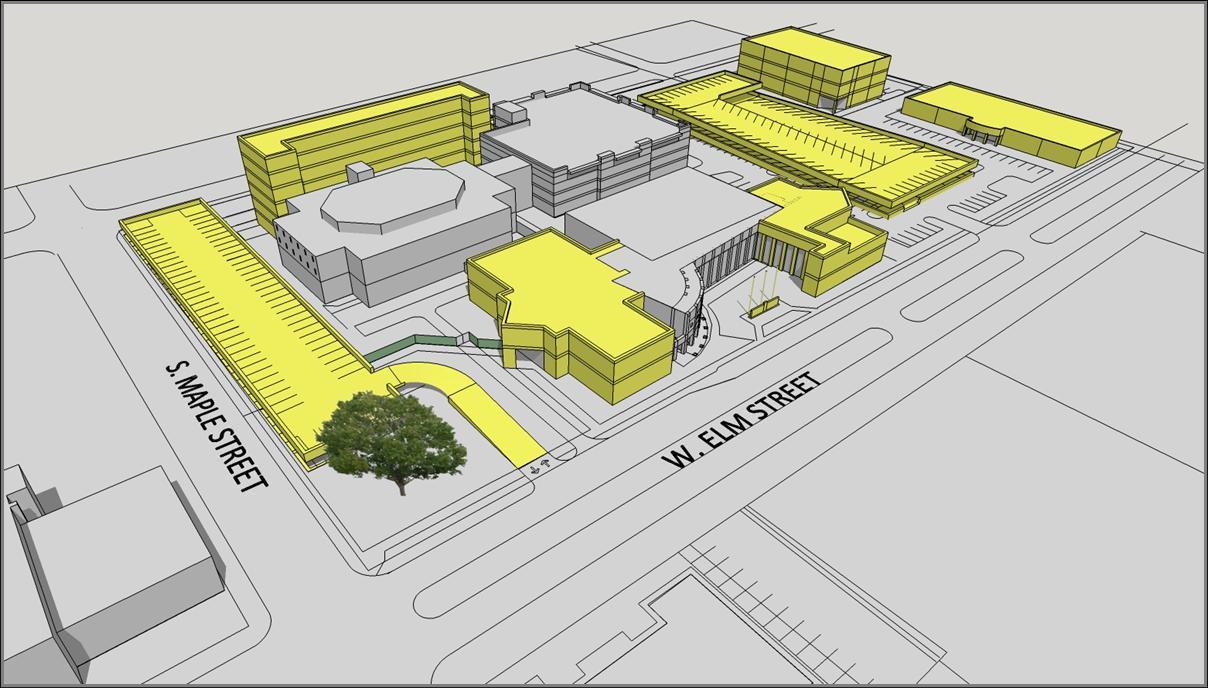
Understand the Portfolio before Enacting the Project
Public agencies often occupy buildings acquired over decades for many different reasons. Some were designed for another purpose. Others were purchased to solve an immediate space need. As the organization and community change, communities grow, staff increases, new services are needed, those individual decisions can add up to a portfolio that no longer functions as well as it should.
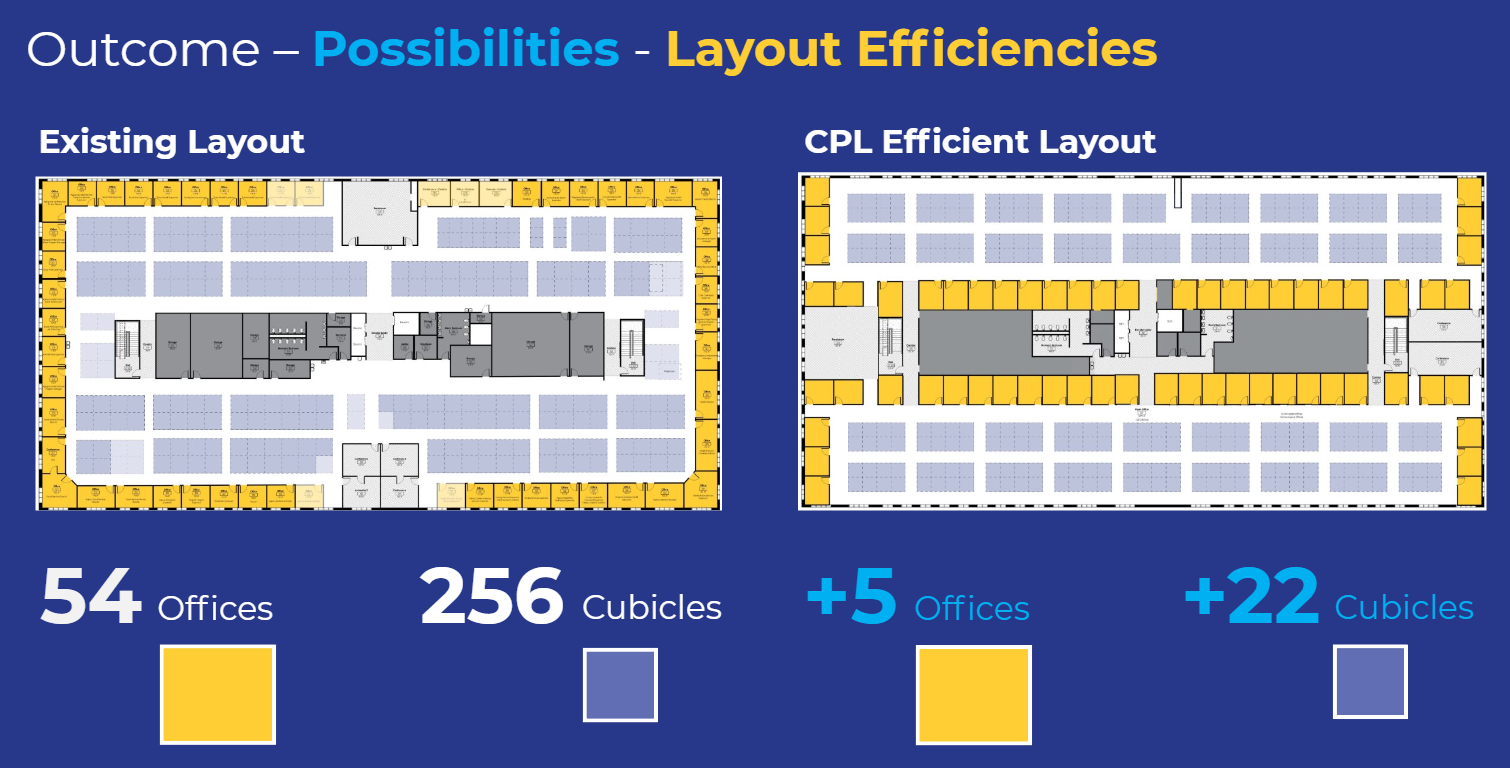
One department may be at capacity while another holds space that remains empty. Different jobs have different space needs. Employees who spend most of their time in the field may have dedicated workstations that sit unused. Related services may be spread across several buildings or communities, creating unintended redundancies, requiring the public to travel between locations or making coordination more difficult for staff.
Those conditions are hard to recognize when facilities are studied one at a time.
A portfolio-wide analysis looks at how space is actually being used across the organization. Space-use guidelines can provide a consistent basis for determining what different roles and departments require. Department interviews and user feedback can reveal how well a location supports daily work and how affectively services are being accessed by the community.
With that information, an apparent space shortage may turn out to be an allocation problem. Reorganizing an existing floor could create capacity for more employees. Bringing related services together could make better use of the space while improving the experience for the people who rely on them.
Property use also matters. A deteriorating building on valuable land may be supporting a function, such as storage, that could operate from a less expensive location. Moving that use could reduce the need for renovation while creating an opportunity to sell or repurpose the property.
The answer will not always be consolidation or relocation. Sometimes services are best provided when they are decentralized. Often a renovation may still be the strongest investment, particularly when it can improve how the space functions while addressing aging systems. The value of the analysis is that it makes those alternatives visible before the agency commits capital.
Build an Actionable Capital Plan
Understanding the options for each property is only part of the work. Those recommendations must then be considered together and organized around what the agency can realistically fund. Leadership must evaluate their organizational goals. A capital improvement plan changes the way decisions are made. Decisions do not have to be reactionary, decisions can be strategic steps towards a long-term vision for the community.
A comprehensive facilities assessment for Buncombe County informed a 15-year capital plan aligned with the county’s funding cycles. It helped the county look beyond individual project requests and understand how property decisions could be sequenced over time, accounting for the growing community and consequent growth of services and personnel. This work established direction for several subsequent initiatives, including a fleet facility, the reimagining of a public-facing building around a consolidated service delivery model, an offsite storage and operations facility, and a population-based growth plan for the county’s library system.
More importantly, the plan showed how one decision could affect another. Relocating a department may free space for a different use. Consolidating operations can reduce the need for multiple renovation projects, improve collaboration, and enhance service access and delivery. Moving storage from valuable property may create revenue potential while addressing an operational need elsewhere.
These relationships are easy to miss when departments present their needs independently. A long-range capital plan brings them into one view, allowing leaders to determine what should happen first, what can wait and which projects depend on other actions.
The sequence of the plan can adapt. Conditions change, construction costs rise and organizational priorities shift. New regulations or funding opportunities can also affect what becomes possible. Strategic asset management keeps the information current so the capital plan can adjust without losing its integrity.
Make the Decision Defensible
Facilities leaders may already know where the most pressing problems are. Their challenge is often presenting those needs in a way that finance teams, administrators and elected officials can evaluate alongside other public priorities.
More data is not necessarily the answer. Data needs context, analysis, and a set of standards to evaluate it based on criteria that align with an agency’s needs. The information, such as a deferred maintenance list, is not an action plan. The information is a tool used to inform recommendations for an action plan that enables leadership to accomplish their goals.

Clear standards and understandable analysis give decision-makers a basis for acting. They help explain why one project should advance, why another can wait and why the building with the most visible maintenance problems may not receive the next investment. The same information can support annual budgets, multiyear capital improvement programs, bond planning and other funding requests.
A strategic plan does not eliminate difficult trade-offs. It gives public leaders a consistent and defensible way to make them.
No public agency can or should address every deferred need. Investment decisions should not be about addressing the building’s deferred needs, it should be about reevaluating those needs in context of the larger collective needs of the agency. A capital improvement plan doesn’t focus on patching an immediate problem, it focuses on investments that best protects public services and delivers lasting value.
COMPLEX OBJECTIVES made into a clear plan
Each public agency’s situation and portfolio is unique. As a community goes through constant change, a tailored and informed plan helps address the unique needs.
Our team provides strategic support to help get early decisions right. We evaluate options, organize information needed to prioritize, and help you arrive at an investment plan that keeps your public facilities efficient and protected for years to come.
About the Author: Chelsea Hansen

