
Share This Story
As Atlanta continues to grow, discussions about transportation often focus on congestion, transit investments and development. But the most important transportation conversation may be about health. Emerging research shows that walkable communities do more than move people efficiently. They can improve physical and mental health, reduce stress, strengthen social connections and support more vibrant local economies.
When we think about walkability, it’s easy to focus on infrastructure: sidewalks, crosswalks, trails and streetscapes. Yet the real value of walkable communities goes much deeper. The design of our neighborhoods and business districts influences how people feel, behave and connect with one another every day. Increasingly, research shows that thoughtful urban design can directly impact both physical and mental wellbeing.
Walking remains one of the simplest and most accessible forms of physical activity. Regular walking has been linked to lower rates of cardiovascular disease, diabetes and obesity, while also supporting improved mood, creativity and stress reduction. Despite these benefits, many American communities have been developed in ways that make walking feel inconvenient, uncomfortable or unsafe. Decades of automobile-oriented planning produced environments dominated by wide roadways, large parking lots and disconnected destinations, often discouraging people from choosing to walk even short distances.
The challenge is not that people dislike walking. In many cases, the built environment simply isn’t designed around the human experience.
The Psychology Behind Walkability
Our brains continuously assess the environments around us. Every moment, we process visual, sensory and spatial cues that help determine whether a place feels safe, engaging and worth exploring. Those evaluations happen almost instantly and often subconsciously.
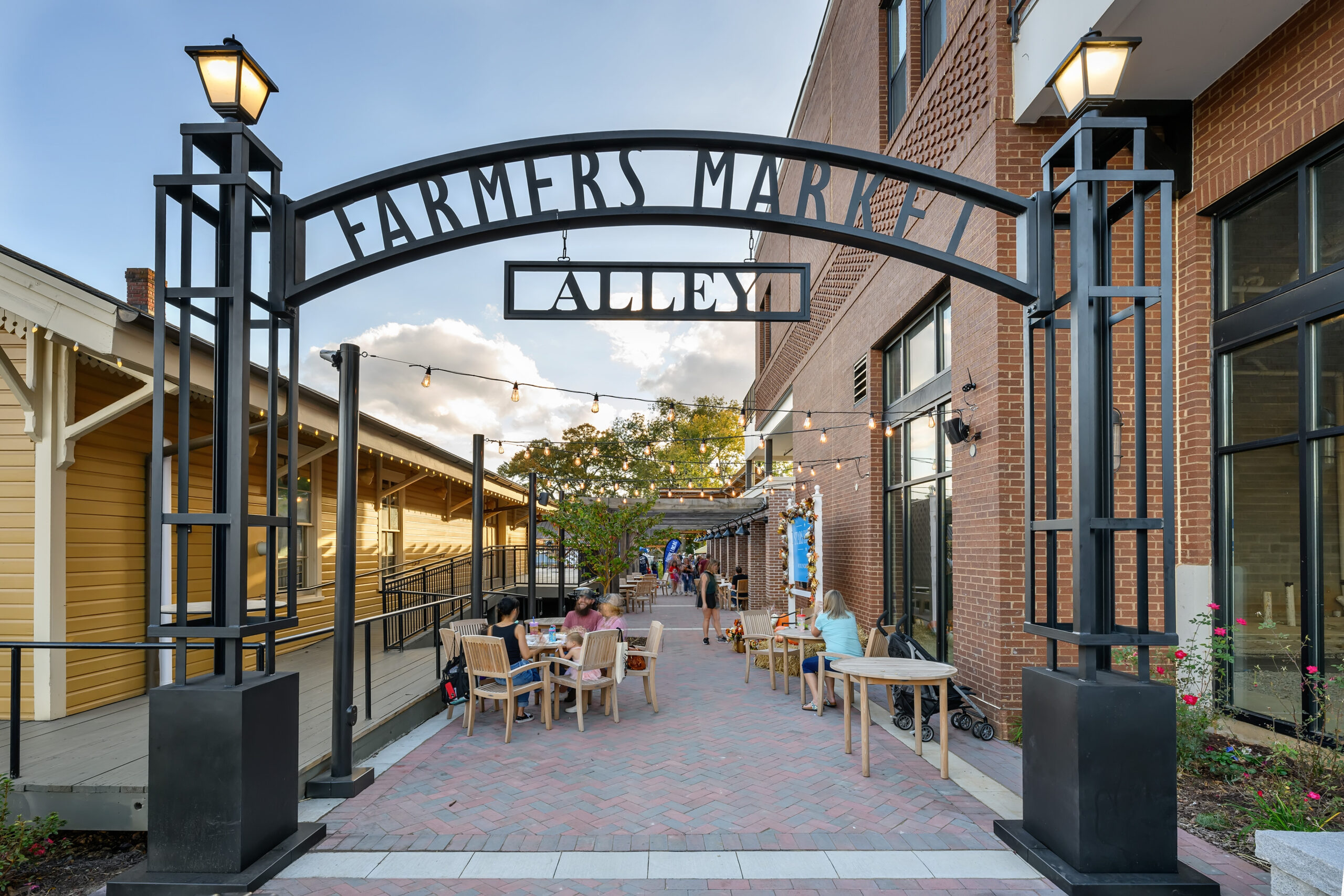
This helps explain why some streets naturally attract pedestrians while others feel uncomfortable despite having sidewalks.
People are drawn to environments that offer visual interest and stimulation. Active storefronts, outdoor dining, public art, street trees, front porches, and public gathering spaces provide a steady stream of sensory engagement. These elements create moments of discovery and encourage people to continue their journey. By contrast, blank façades, expansive parking lots and inactive streetscapes often feel uninviting and can discourage pedestrian activity.
Successful walkable environments do more than accommodate movement. They create experiences that people enjoy.
Why Design Matters to Mental Health
One of the emerging concepts influencing urban design is the role that our surroundings play in stress levels.
Researchers have found that people instinctively seek comfort along defined edges, such as building frontages, storefronts and tree-lined streets. This natural tendency is reflected in how pedestrians navigate public spaces, often choosing routes that provide a sense of protection and enclosure rather than crossing large, exposed areas.
When environments lack those characteristics, the result can be significant psychological discomfort (i.e. fear). Large parking lots, wide empty streets and barren public spaces can trigger feelings of vulnerability and stress. Studies suggest these environments may contribute to heightened cortisol levels, reinforcing negative perceptions of walking and reducing the likelihood that people will choose active transportation options.
Conversely, people tend to feel more comfortable walking in environments that provide visual texture, transparency and human activity. Buildings with windows, active street fronts, landscaping and comfortable pedestrian-scale design can transform a routine walk into a positive experience.
Stronger Communities Start on Foot
The benefits of walkability extend well beyond individual health outcomes. Studies examining pedestrian-oriented neighborhoods have identified stronger levels of social interaction and community engagement. When people walk, they are more likely to encounter neighbors, visit local businesses and participate in public life. These interactions help build social capital and strengthen community connections.
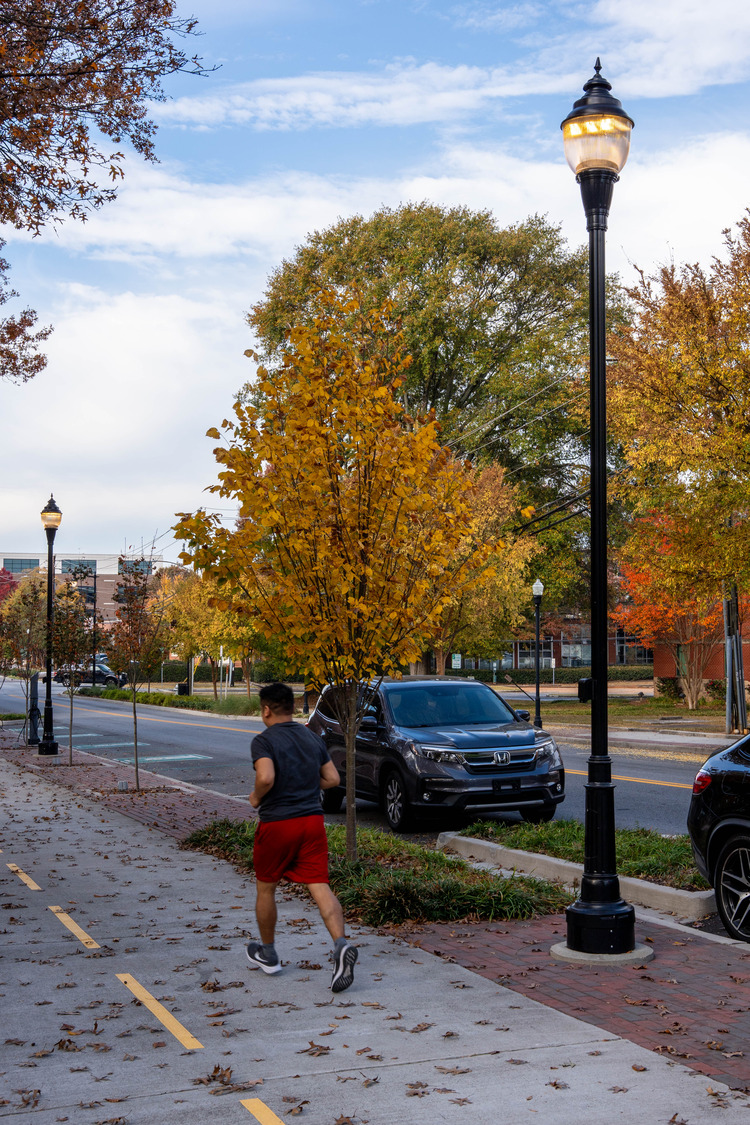
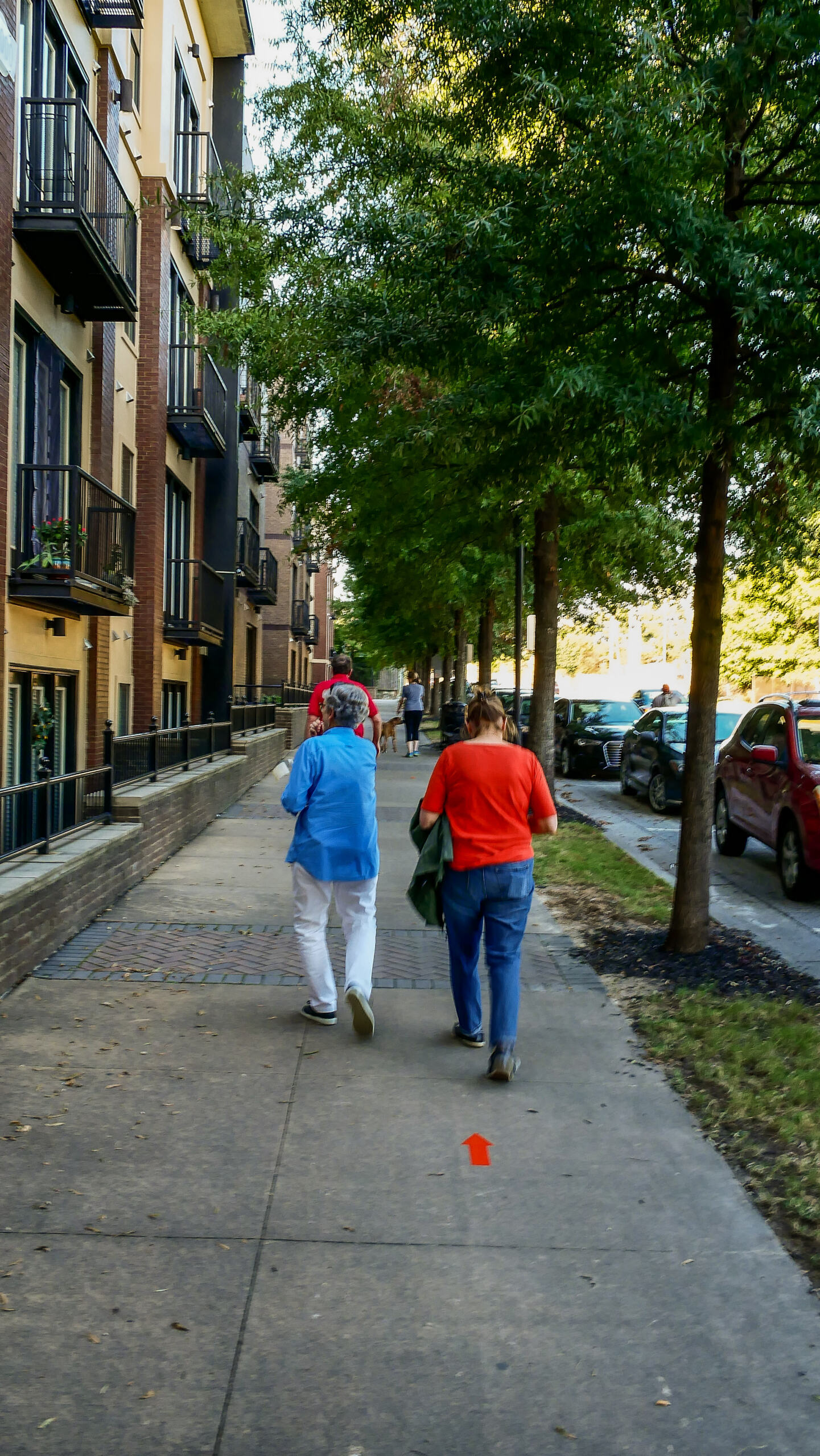
Research also suggests that environments rich in greenery, diverse architecture and active public spaces encourage greater emotional connection to a place. These settings support positive cognitive engagement, helping create memorable experiences and fostering a stronger sense of belonging.
For business districts, the implications are significant. Walkable environments often generate more foot traffic, longer visits and increased opportunities for economic activity. Engaging streets coupled with vibrant public spaces translate into longer dwell times and higher sales per square foot equating to a more successful destination.
WHAT THIS MEANS FOR ATLANTA
As one of the nation’s fastest-growing metropolitan regions, Atlanta has an opportunity to rethink how growth and mobility intersect with health and quality of life.
Investments in trails, mixed-use districts and connected public spaces demonstrate growing interest in people-centered development. However, continued growth will require communities to focus not only on moving vehicles efficiently, but also on creating environments where walking feels safe, comfortable and enjoyable.

Communities across the Atlanta region are already demonstrating the value of this approach. In Chamblee, initiatives such as the Mid-City Stroll and Town Center Stroll allow residents to experience proposed pedestrian and bicycle improvements firsthand through temporary streetscape installations, helping build community support for long-term walkability investments and public realm. Likewise, destinations such as Avalon and Medley, along with neighborhoods like Cabbagetown, Glenwood Park, and Historic Fourth Ward, illustrate many of the characteristics that make places both walkable and psychologically inviting. These environments combine shaded streets, activate ground-floor uses, distinctive architecture, well-maintained public spaces and opportunities for social interaction. Together, these elements create places that not only support mobility, but also encourage physical activity, reduce stress and foster a stronger sense of community.
That means prioritizing elements such as active ground-floor uses, shaded sidewalks, accessible public spaces, pedestrian-scale design and thoughtful connections between destinations. These features support more than walkability. They help shape communities that encourage physical activity, reduce stress and strengthen social bonds.
The science is increasingly clear: walkable cities are healthier cities. By designing places that align with the way people naturally experience and navigate the world, communities can create environments that support both individual well-being and long-term economic resilience.
As Atlanta plans for its future, the question is not simply how people will get from one place to another. It is how the places we build can help people live healthier, happier and more connected lives.
About the Author: Craig Lewis

