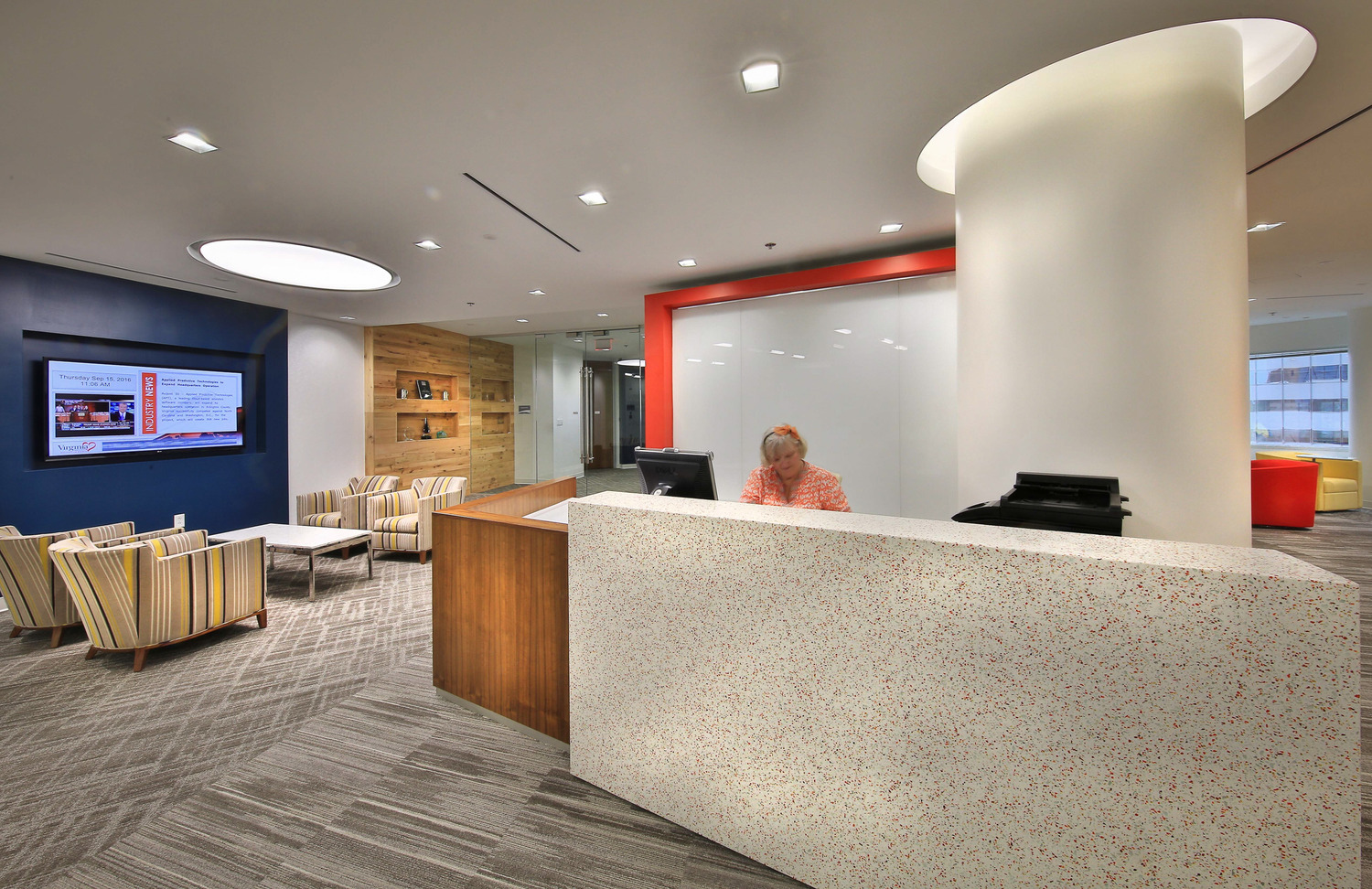
CPL partnered with the Virginia Economic Development Partnership (VEDP) and the Virginia Tourism Corporation (VTC) to reimagine their workplace environments—aligning physical space with each organization’s role in attracting business, talent and visitors. Both agencies required a setting that could function as a workplace while also serving as a front door for economic development and tourism across Virginia.
Client
Richmond Economic Development Partnership
Location
Richmond, Virginia
Photographer
Quentin Penn-Hollar (QPH Photography)
Key Contact
Lee Shadbolt
Completed
2026
Size
14,928 sq. ft.
Services
Architecture, Interior Design

The process began with a series of visioning sessions to better understand staff culture, operational needs and long-term goals. These conversations helped define how the organizations wanted to present themselves to external partners while also supporting internal collaboration and recruitment. The resulting strategy focused on creating a more open, flexible workplace that reflects both the professionalism and energy of the agencies’ missions.
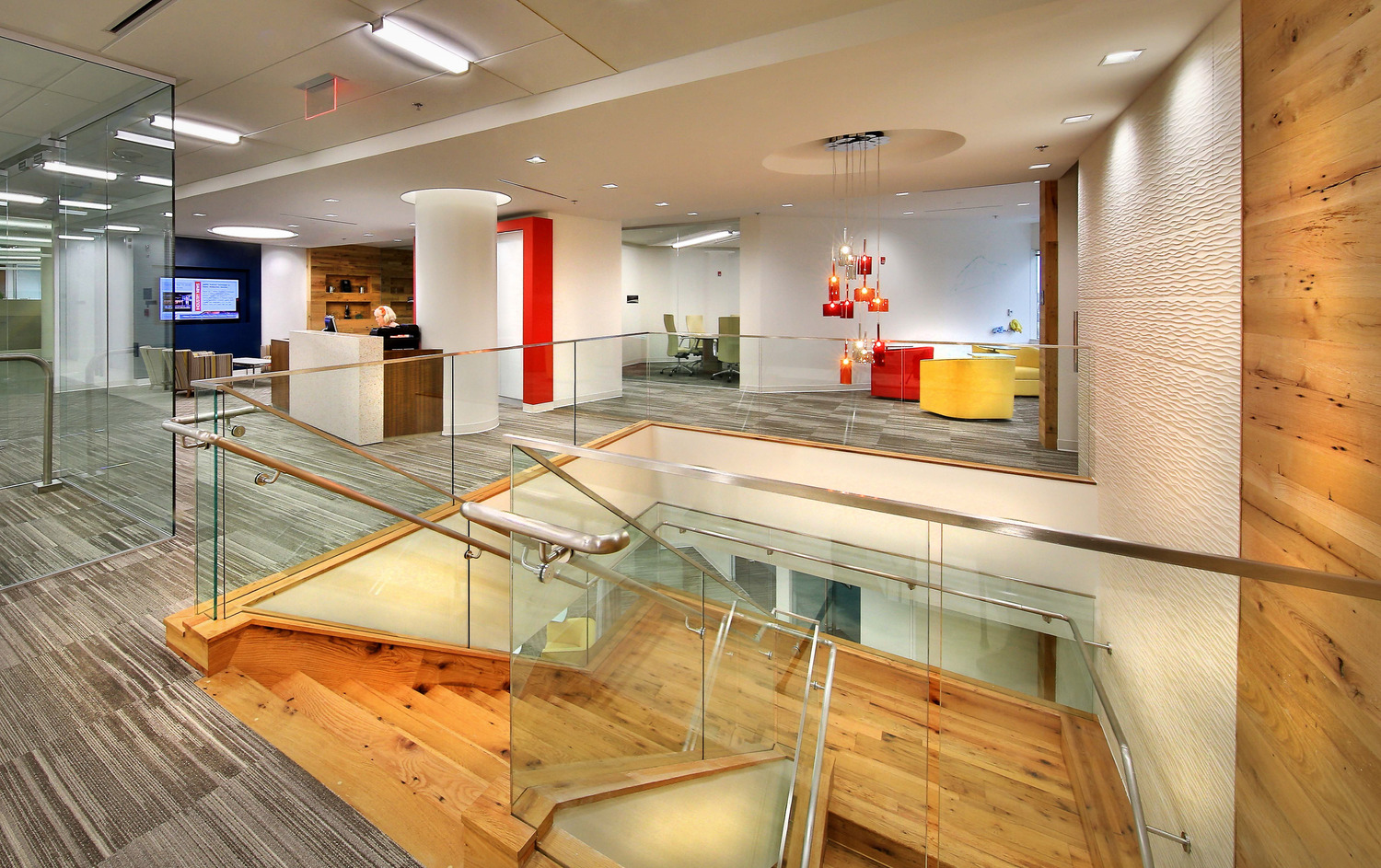
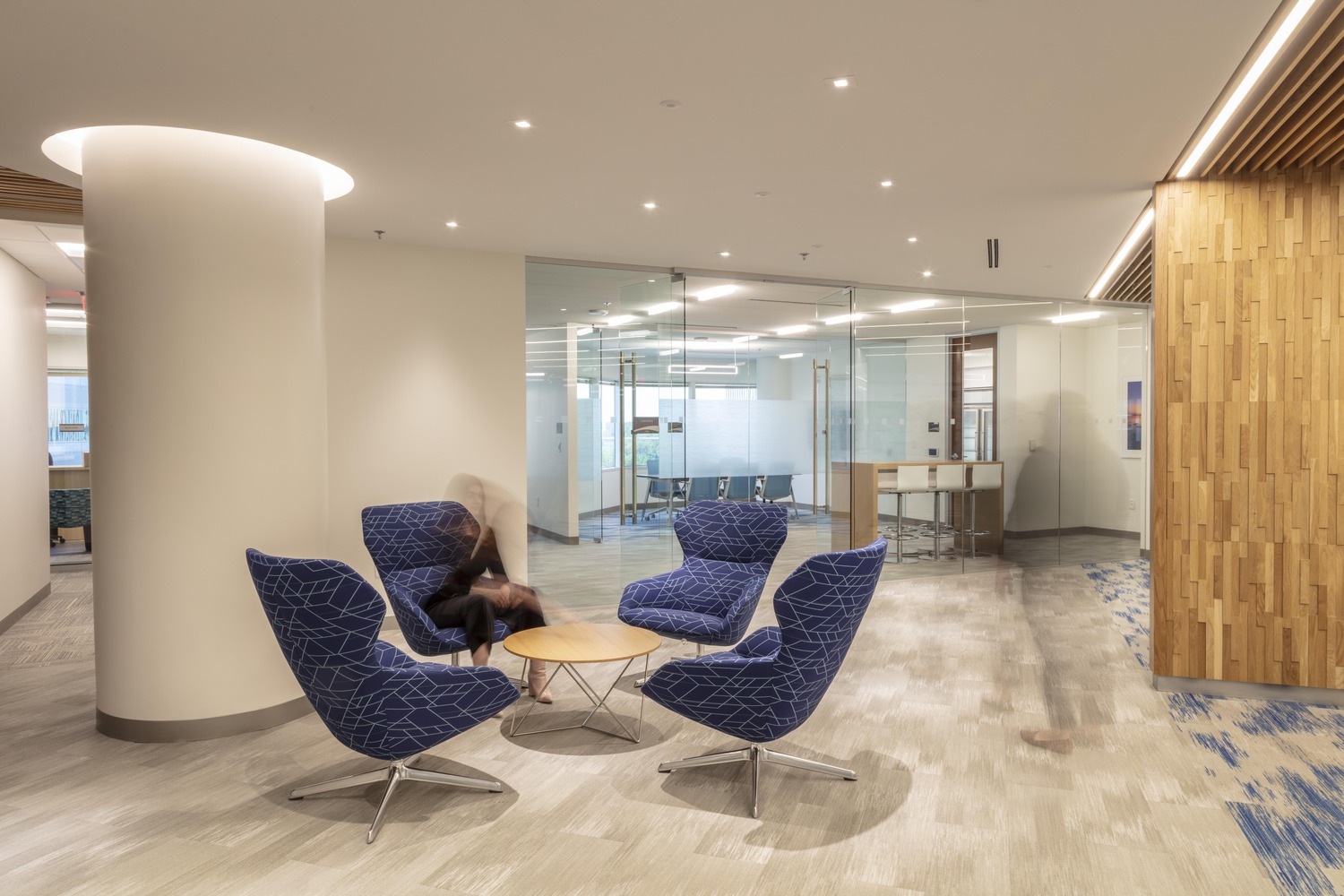
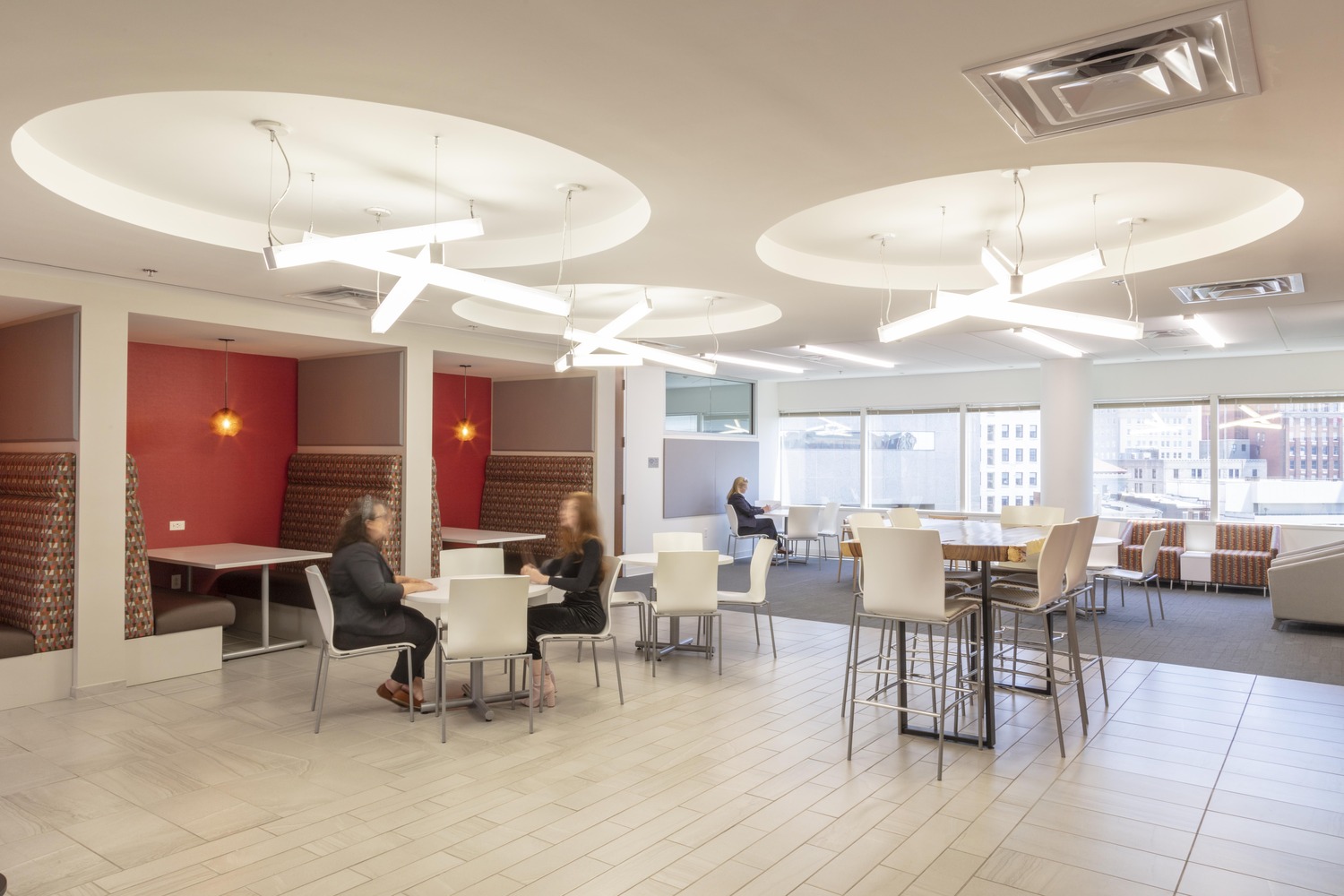
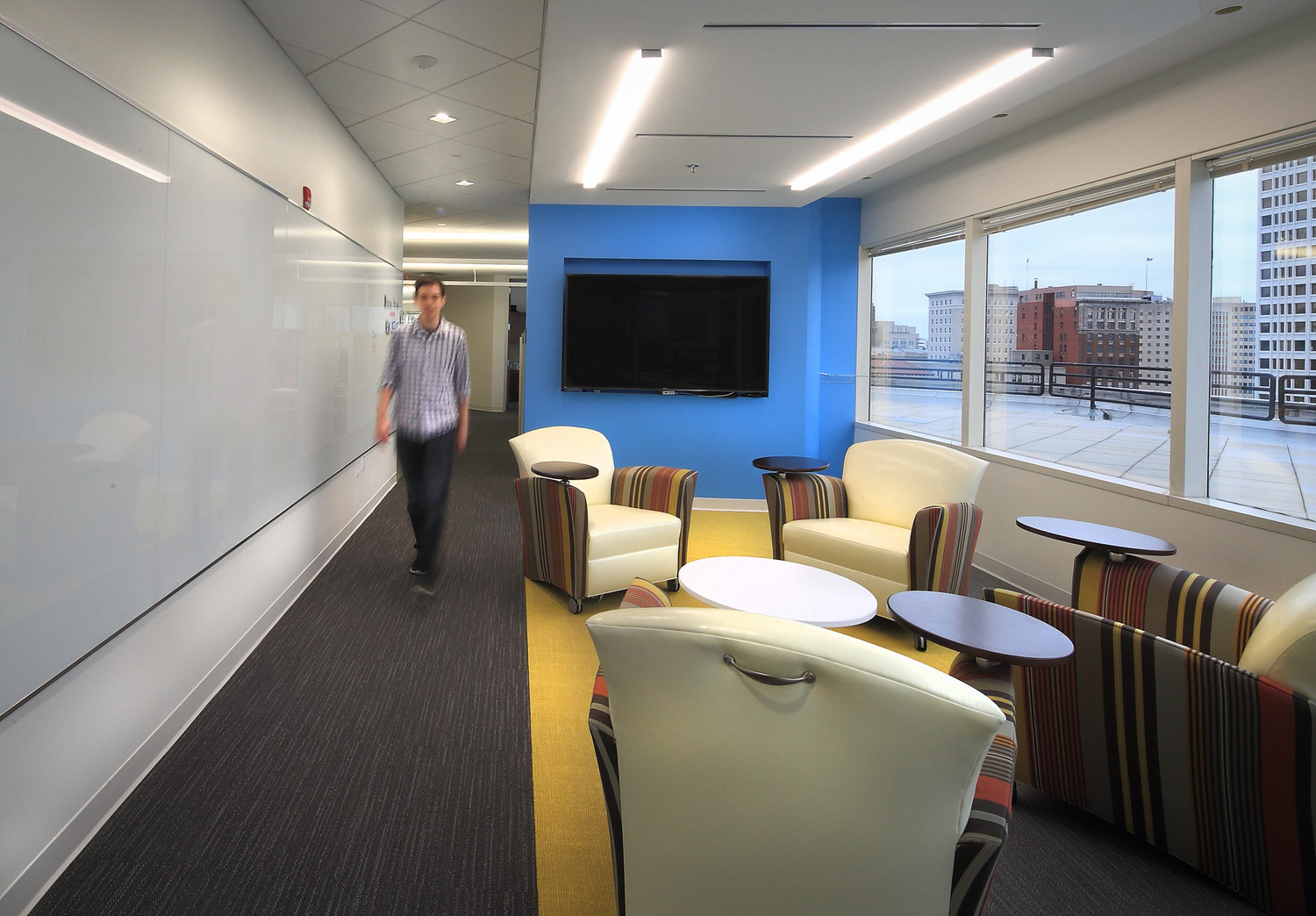
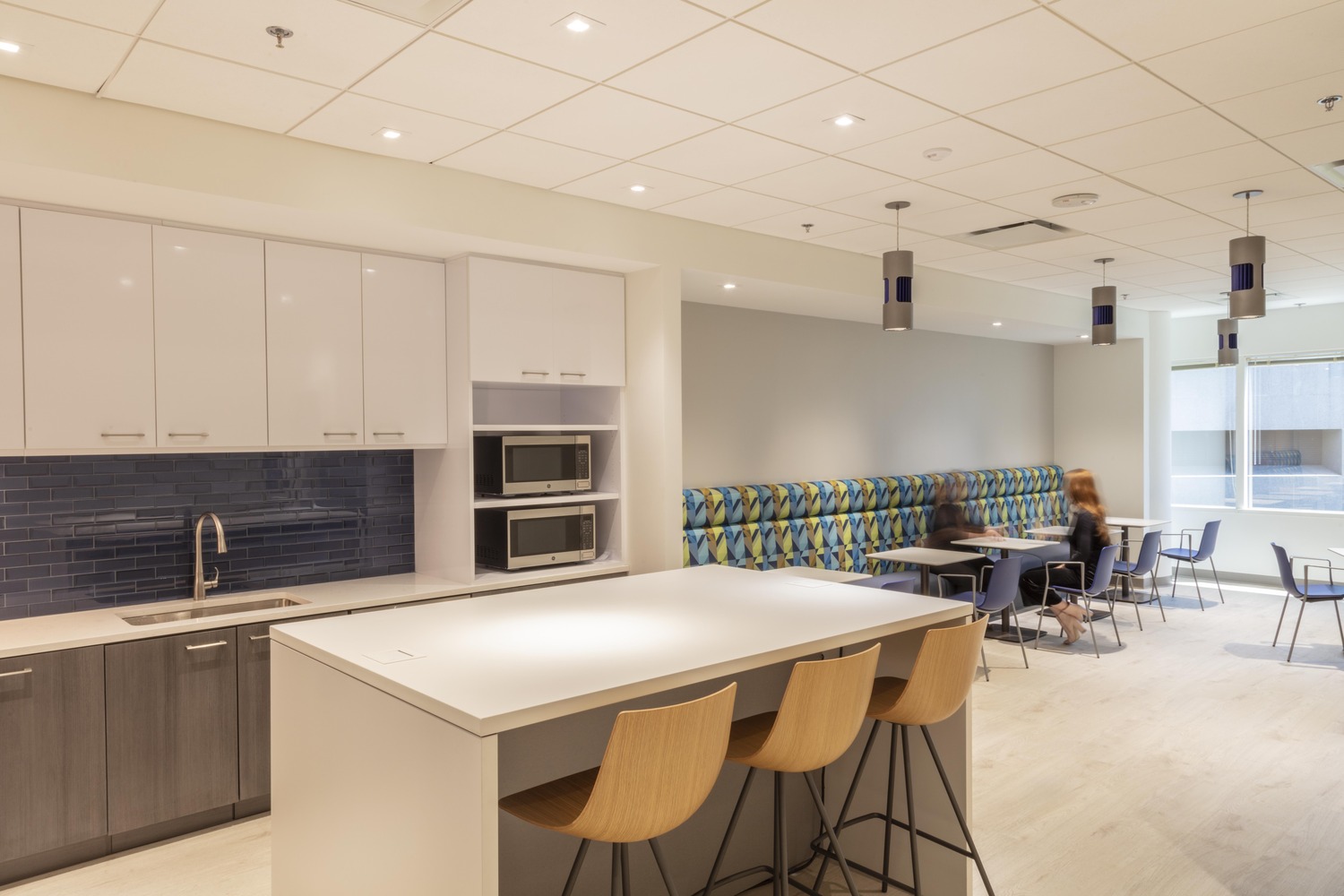
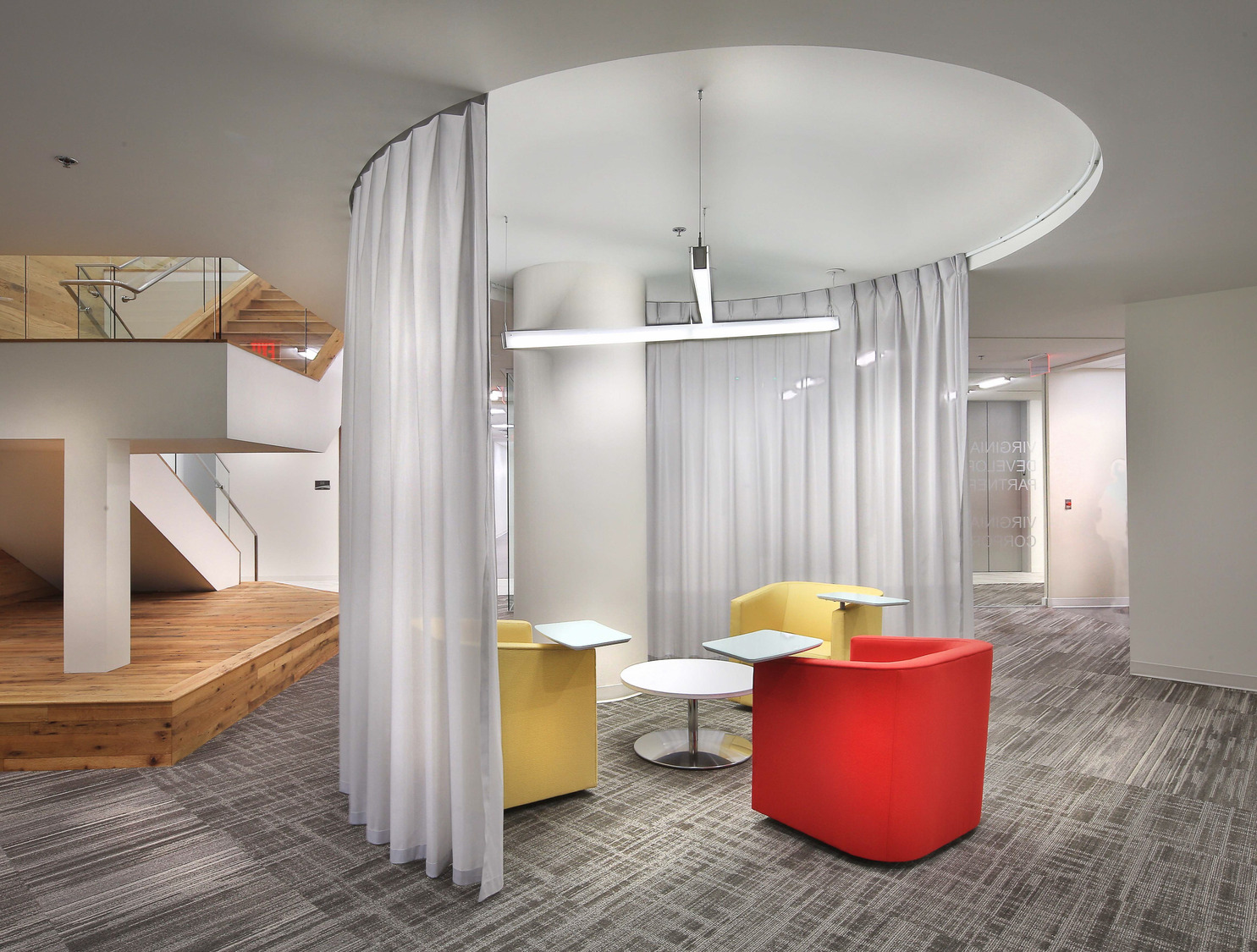
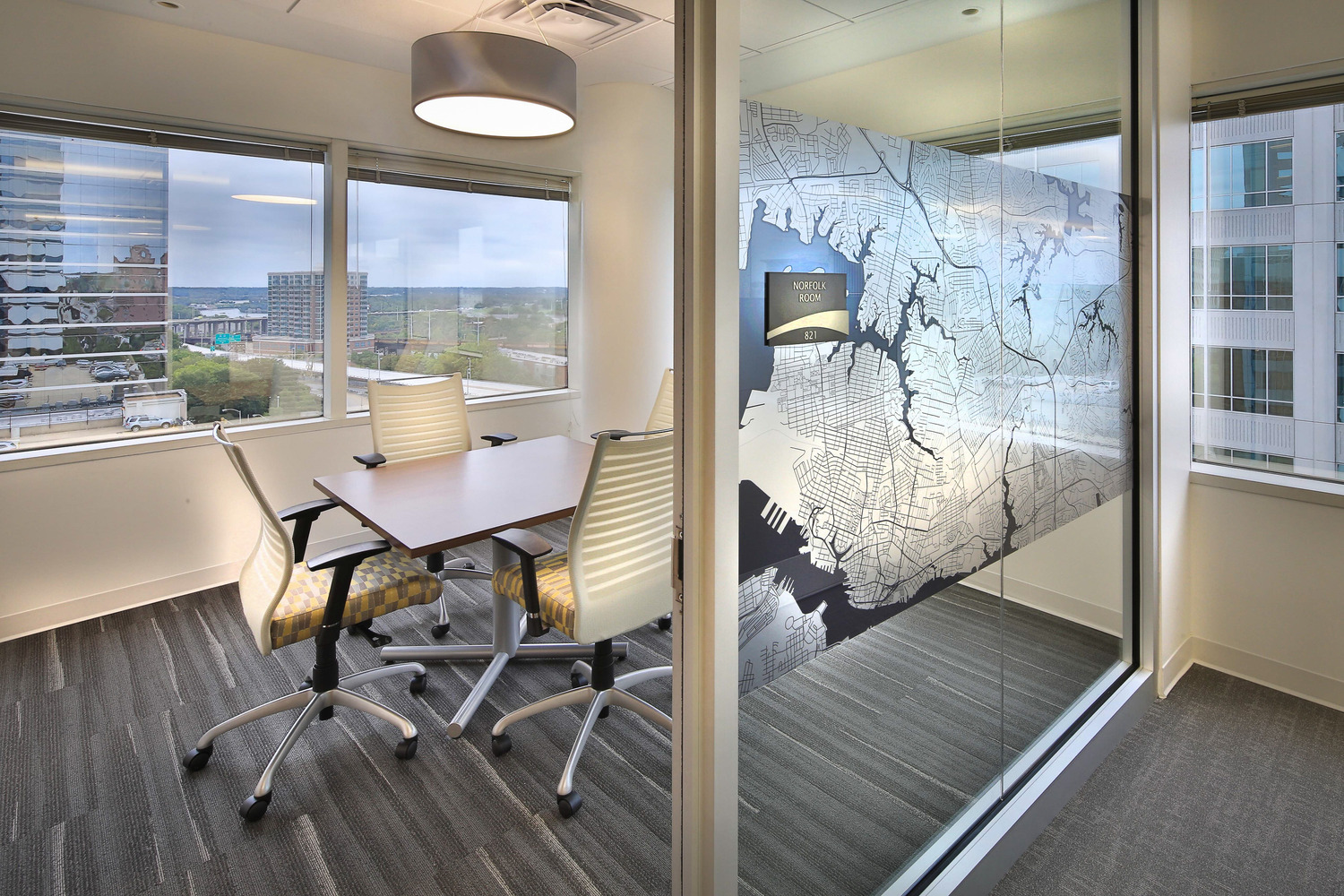
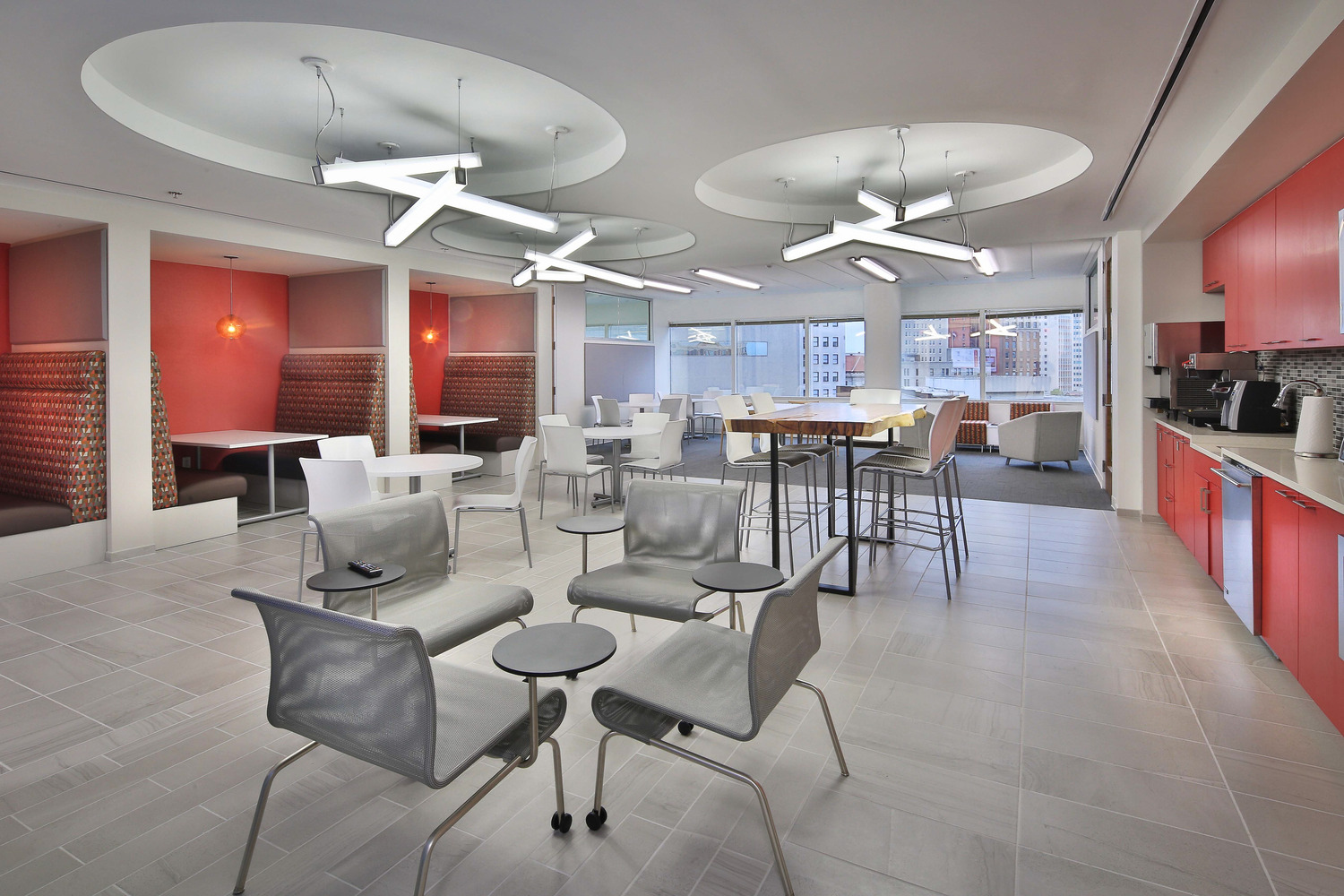
The initial buildout reorganizes the workplace to prioritize visibility, access to daylight and a wider range of meeting environments. Private offices and workstations were reduced and standardized, allowing more space for collaborative areas, informal meeting zones and technology-enabled workspaces.
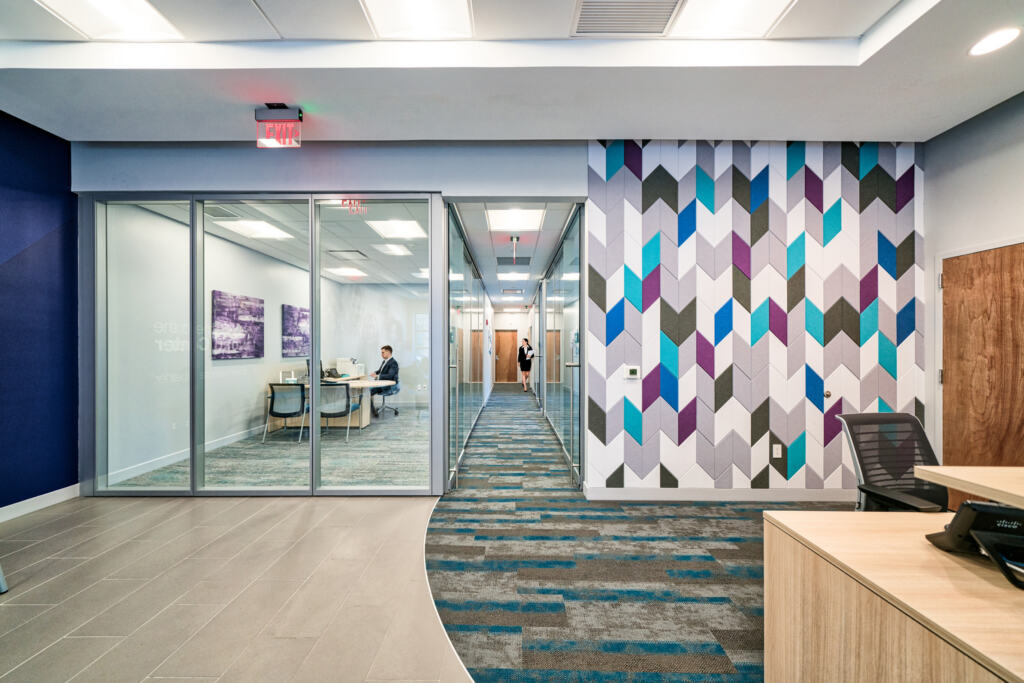
Offices were relocated toward the interior of the floor plate, opening perimeter access for shared work areas and improving daylight distribution across the space. Glass partitions further reinforce openness, allowing light to extend deeper into the floor while maintaining necessary separation.
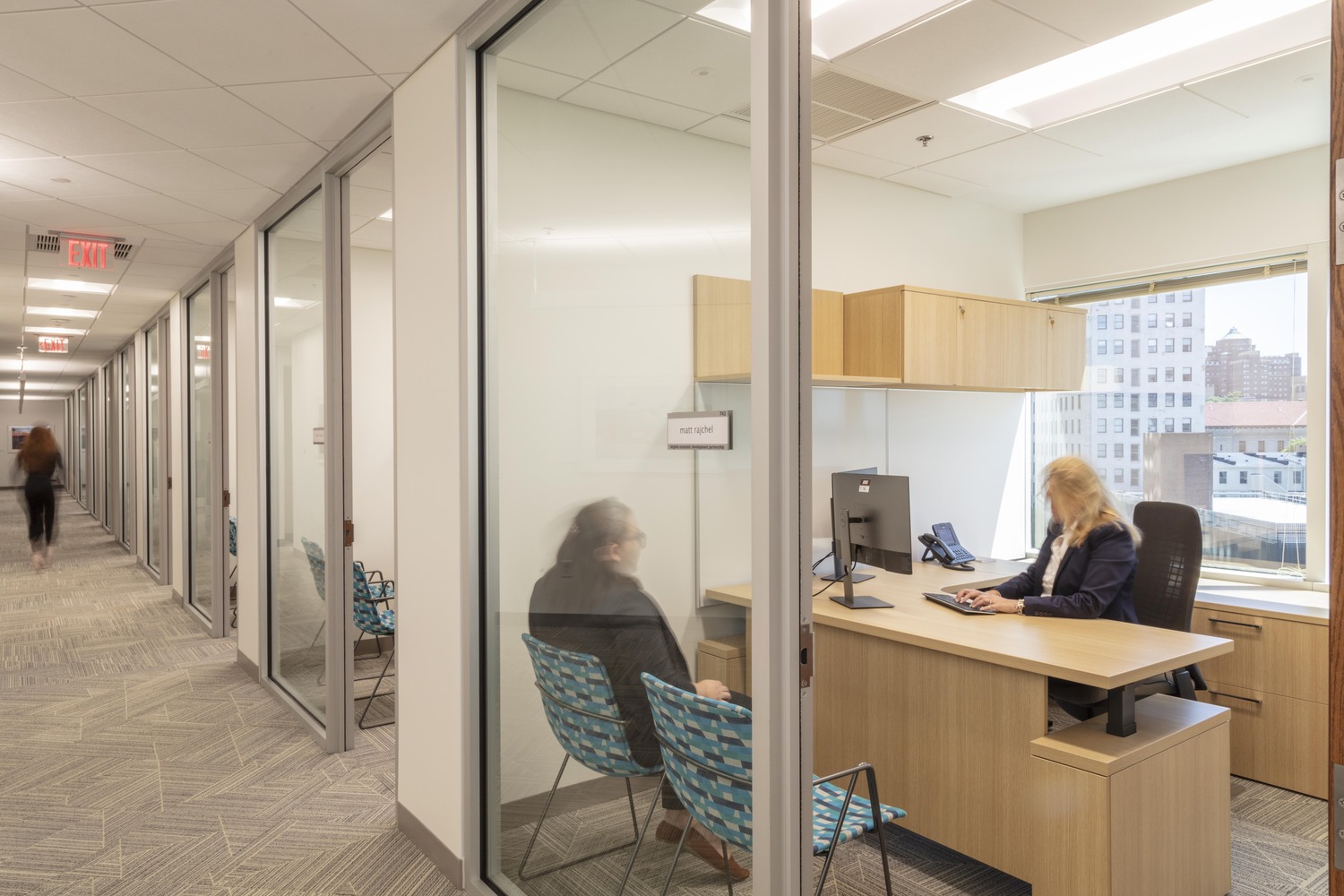
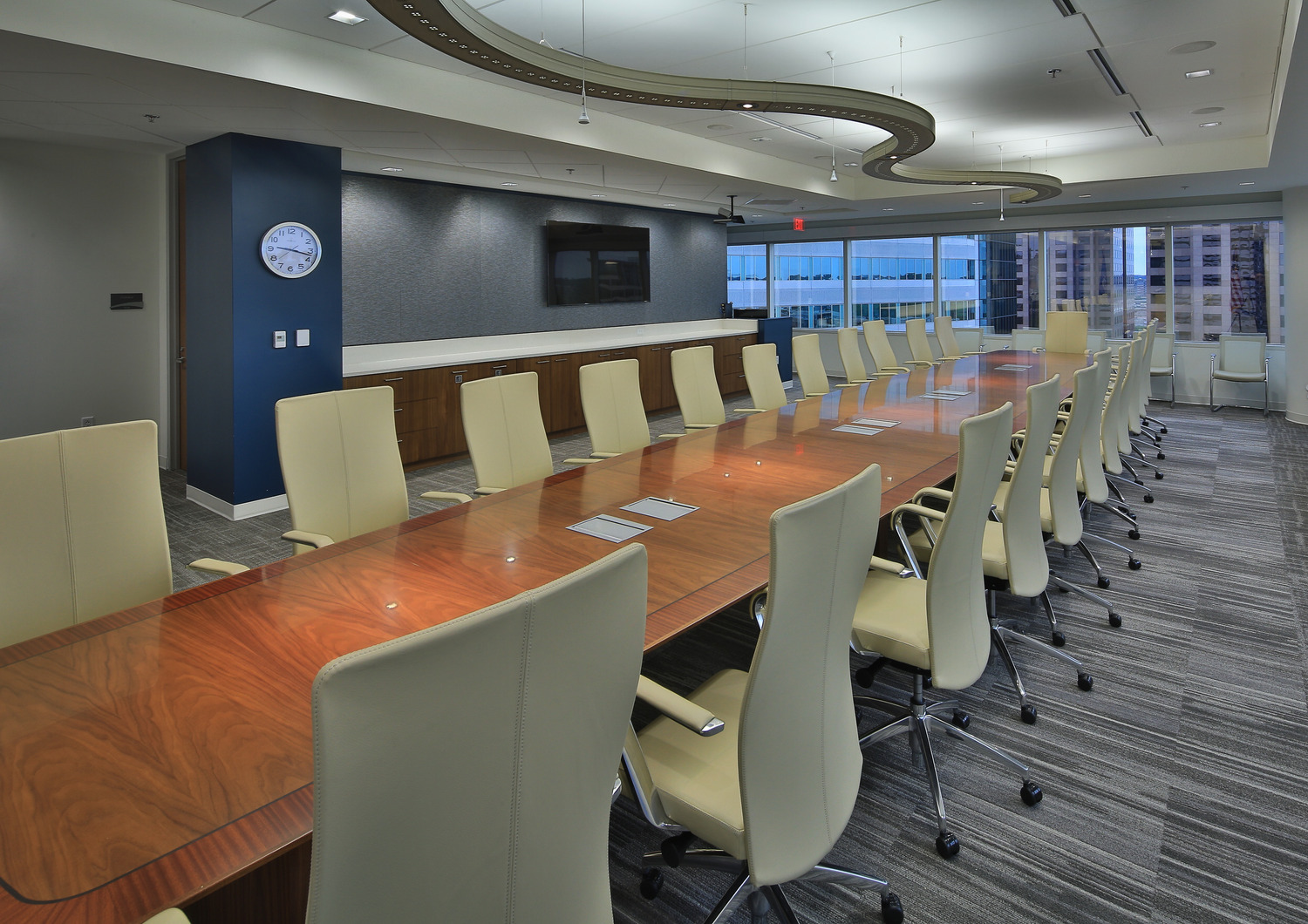
As organizational needs evolved, the partnership continued. VEDP expanded operations and required additional space with a more diverse program. The building’s 7th floor was fully reconfigured to support this growth, including a new interior fit-out, extension of the communicating stair from the 8th floor, and integration of flexible meeting infrastructure such as a large divisible conference space. Structural coordination and furniture planning supported a more adaptable environment capable of accommodating a range of internal and external uses.
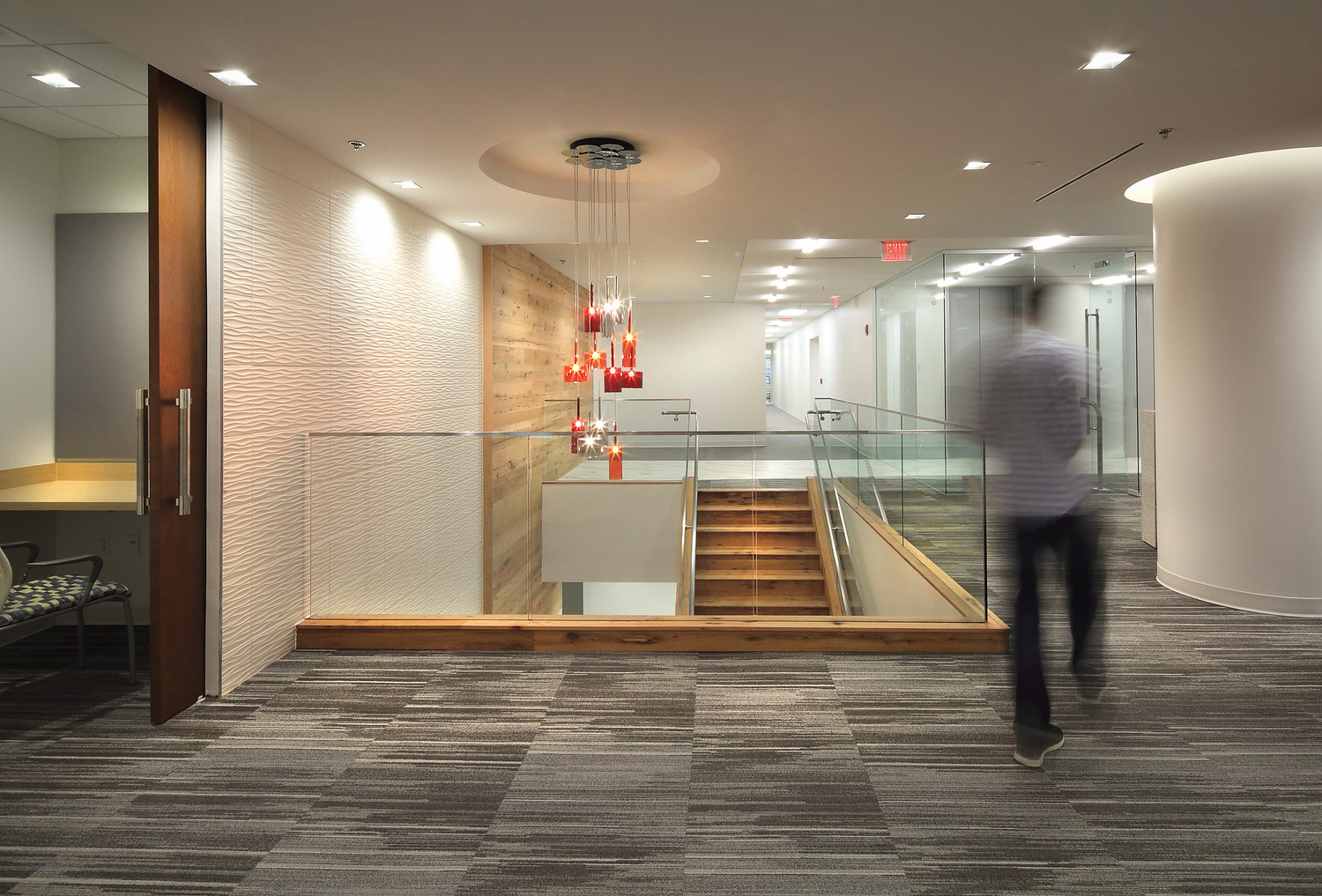
Across all phases, the design supports both daily operations and the broader mission of each organization. Staff benefit from improved access to light, a greater variety of work settings, and spaces that support collaboration and focus. At the same time, the workplace provides a more engaging and representative environment for business leaders, partners and visitors—reinforcing the role these agencies play in shaping Virginia’s economic and cultural landscape.