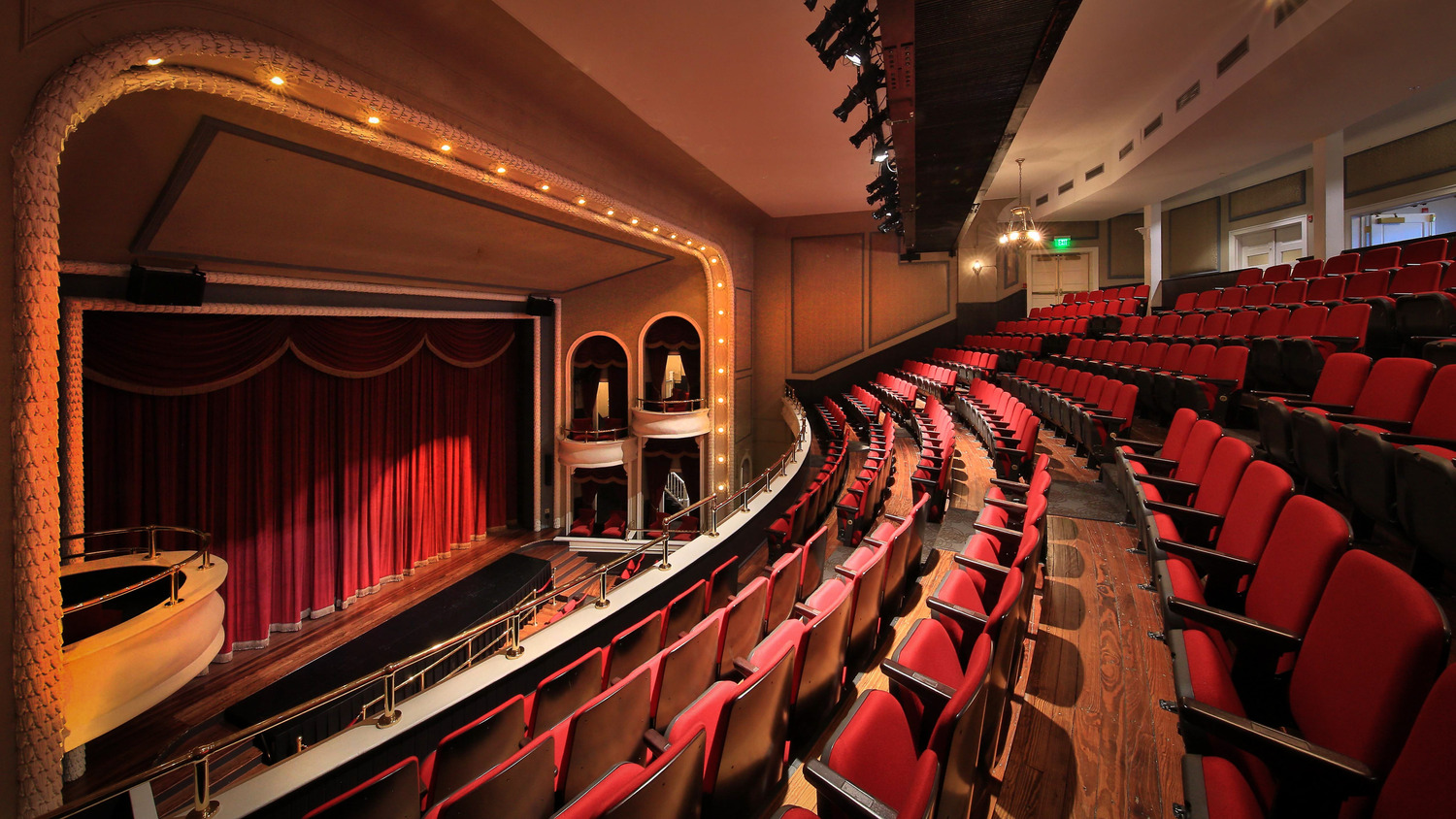
Originally constructed in 1905–06, the Masonic Theatre has served multiple roles within the Clifton Forge community—from live performance venue to movie house, with additional space supporting civic and commercial uses. After years of decline, the building required a comprehensive approach to restore its historic character while reestablishing it as an active cultural destination.
Client
Masonic Theatre Preservation Foundation
Location
Clifton Forge, Virginia
Photographer
Jim Sink
Services
Architecture, Interior Design

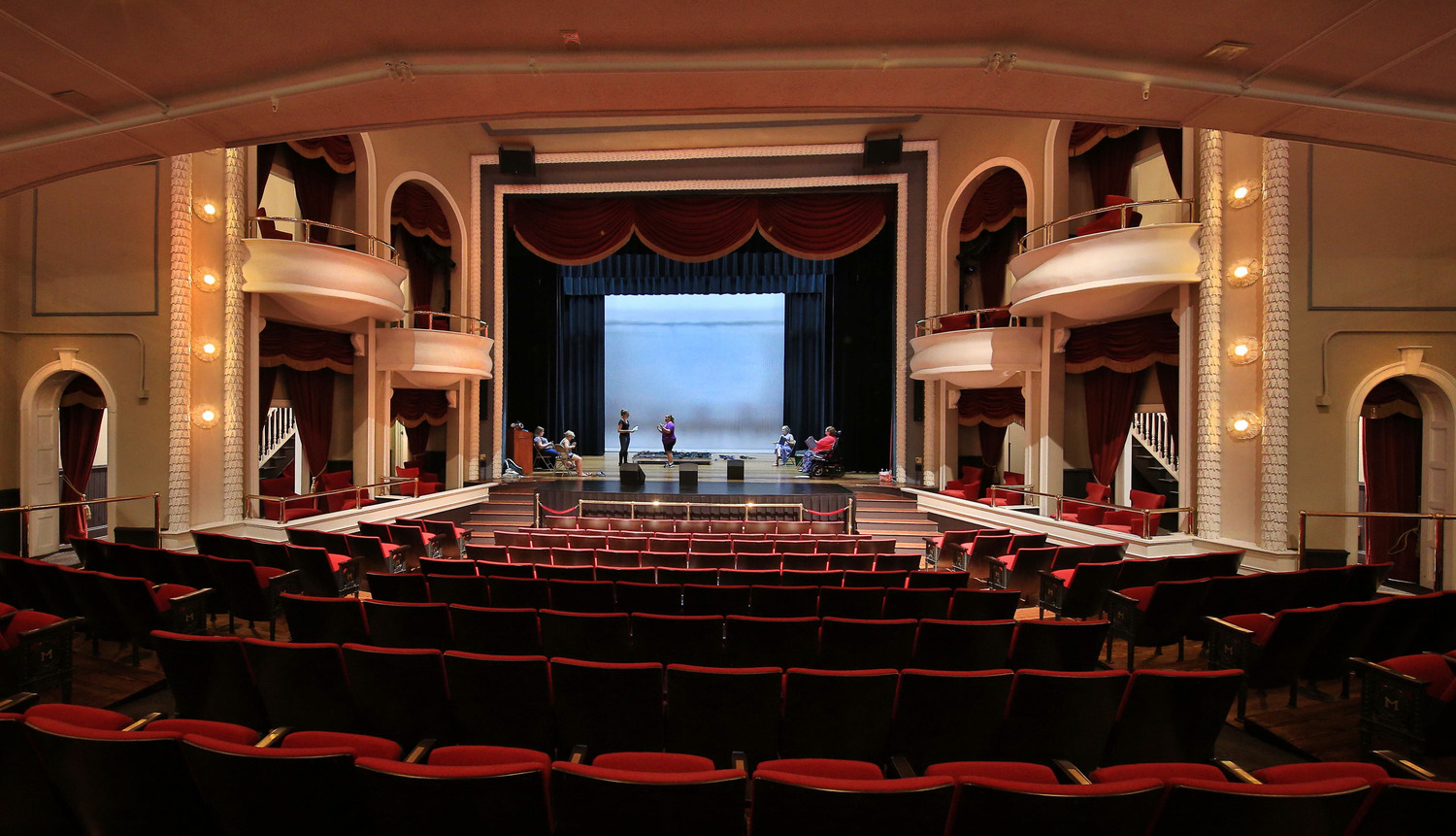
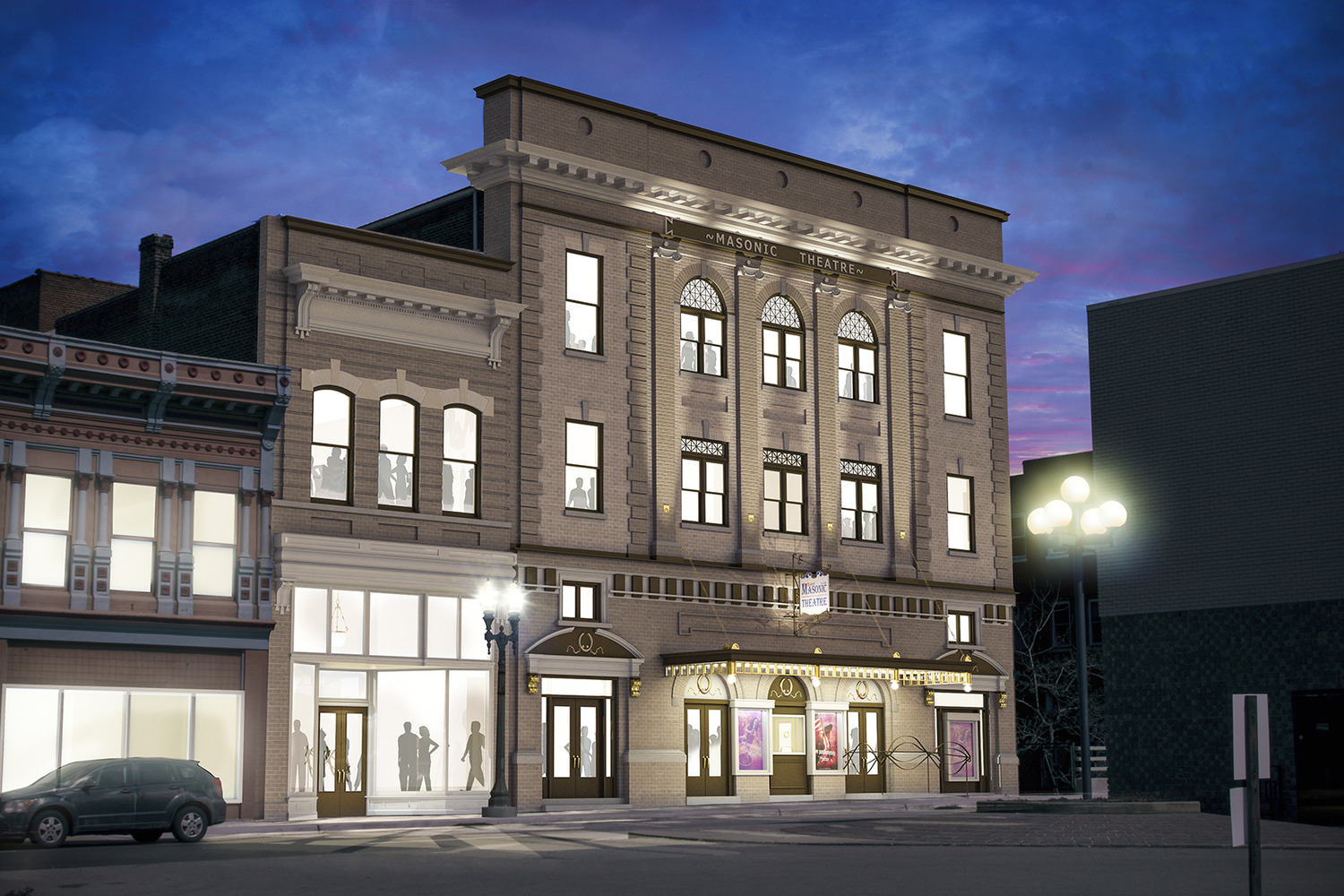
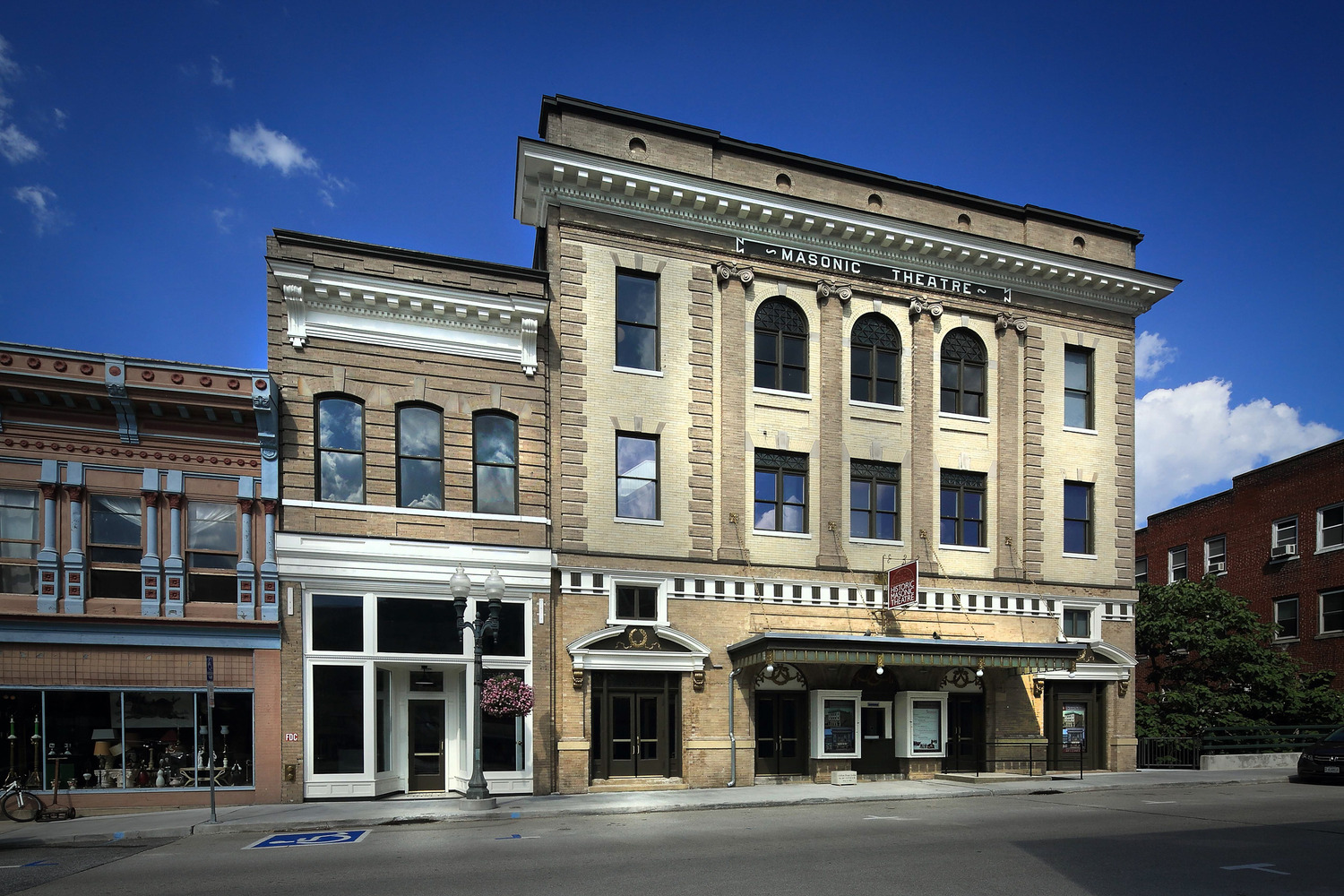
CPL partnered with The Masonic Theatre Preservation Foundation to rehabilitate both the interior and exterior of the theatre, guided by the Secretary of the Interior’s Standards for Rehabilitation. The design focused on preserving defining architectural elements while introducing the infrastructure needed to support contemporary performances and community use.
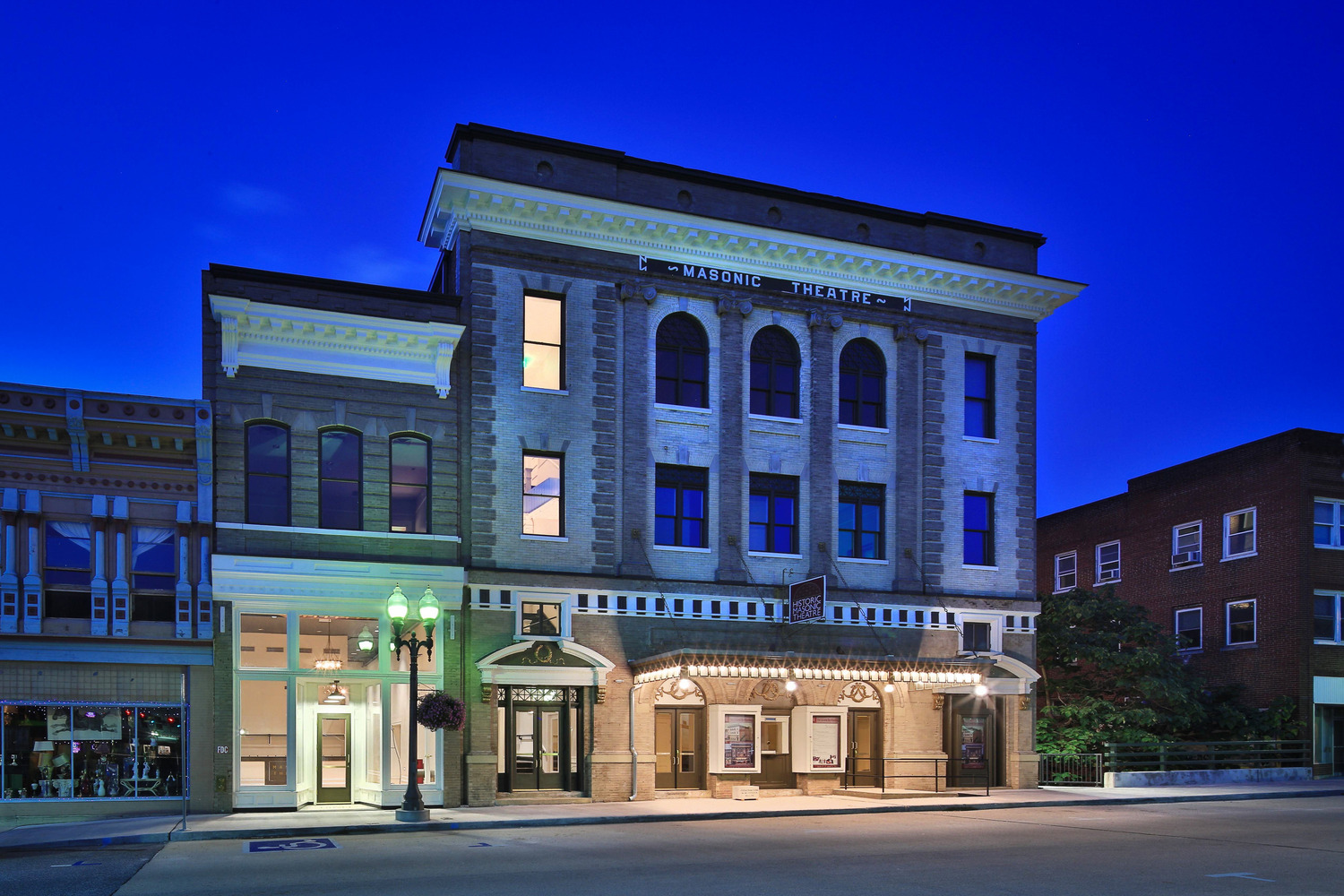
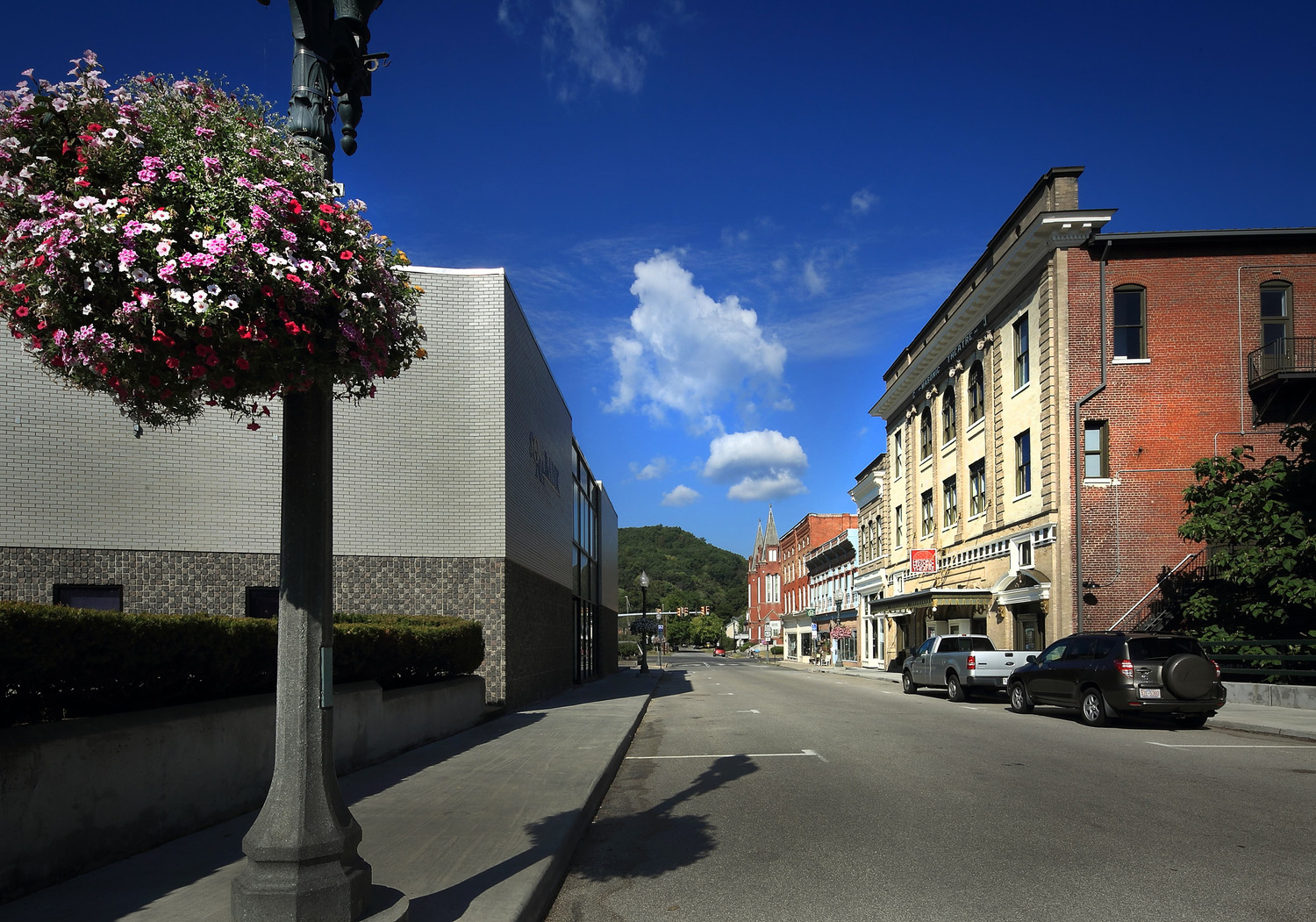
Exterior improvements restored the building’s presence within the downtown, including rehabilitation of the façade and marquee. A new stage loading dock was added to support modern production requirements, improving functionality for performers and event operators without compromising the historic structure.
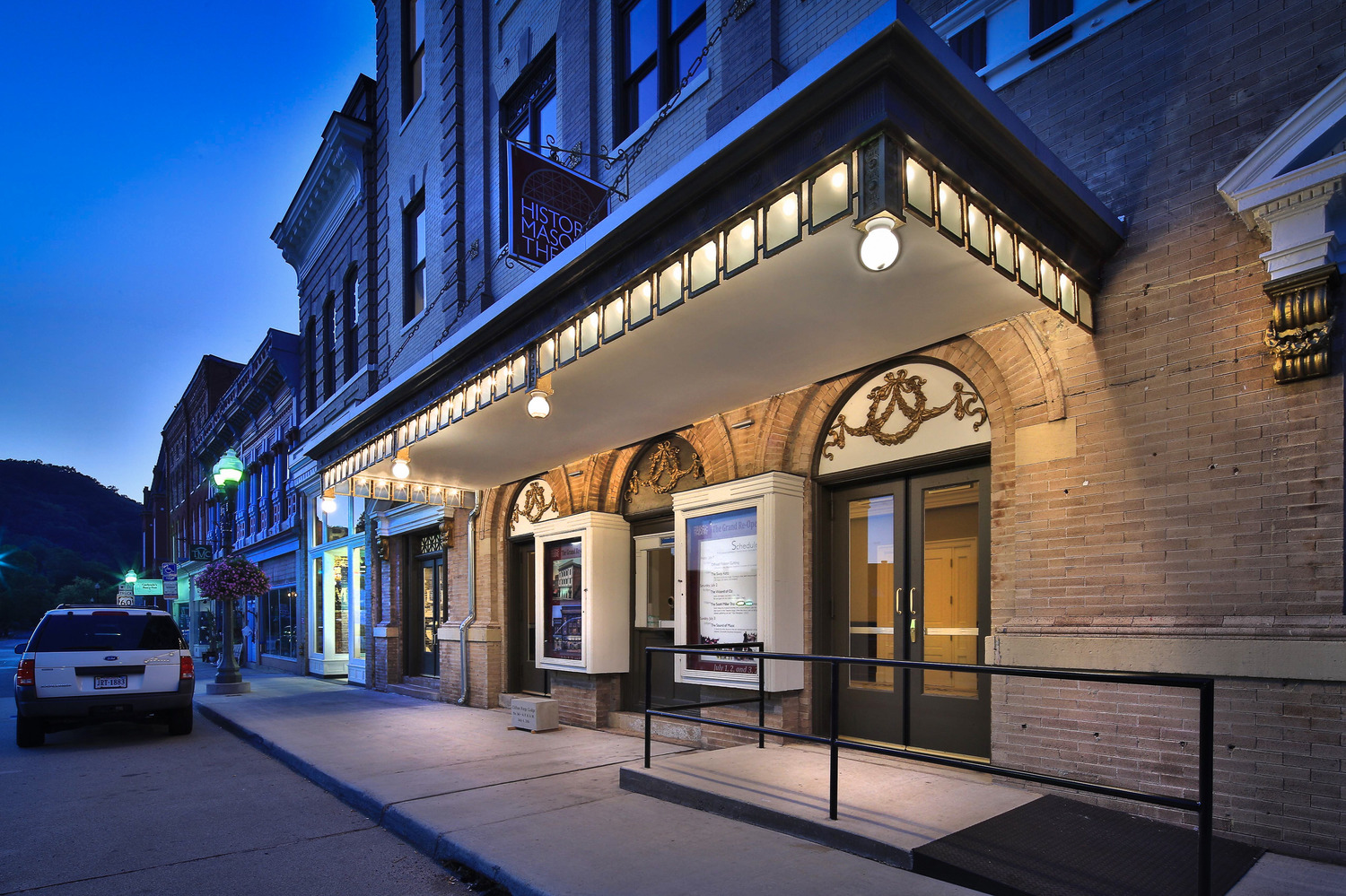
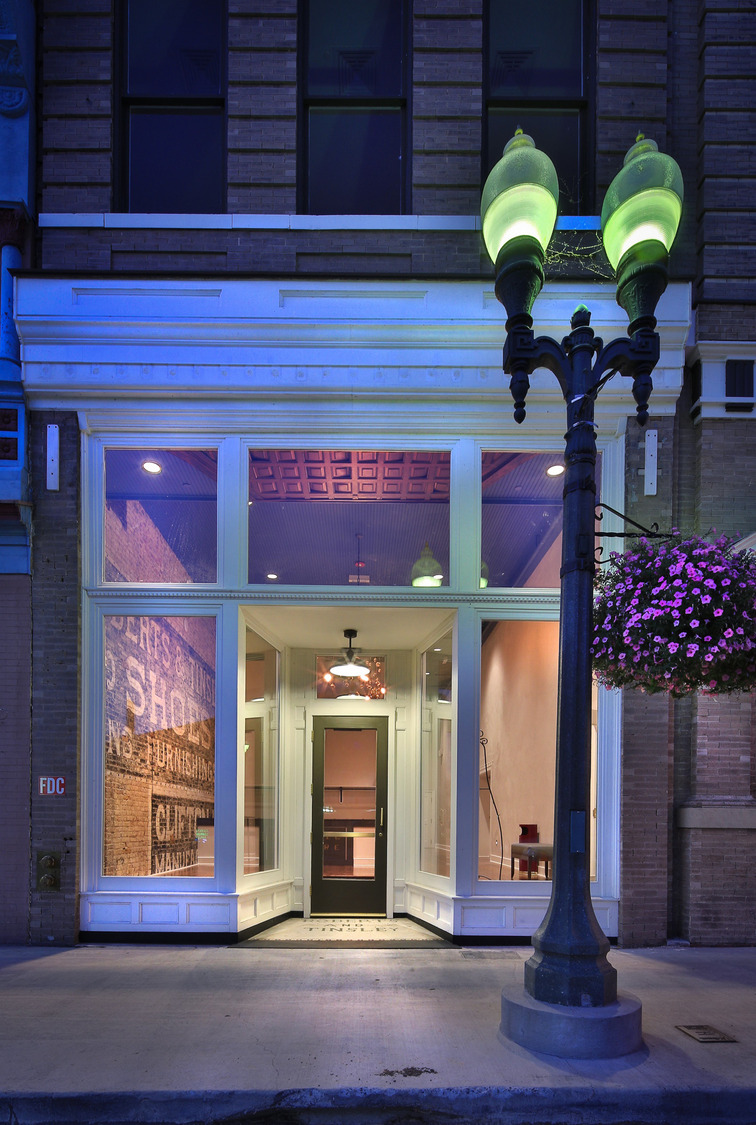
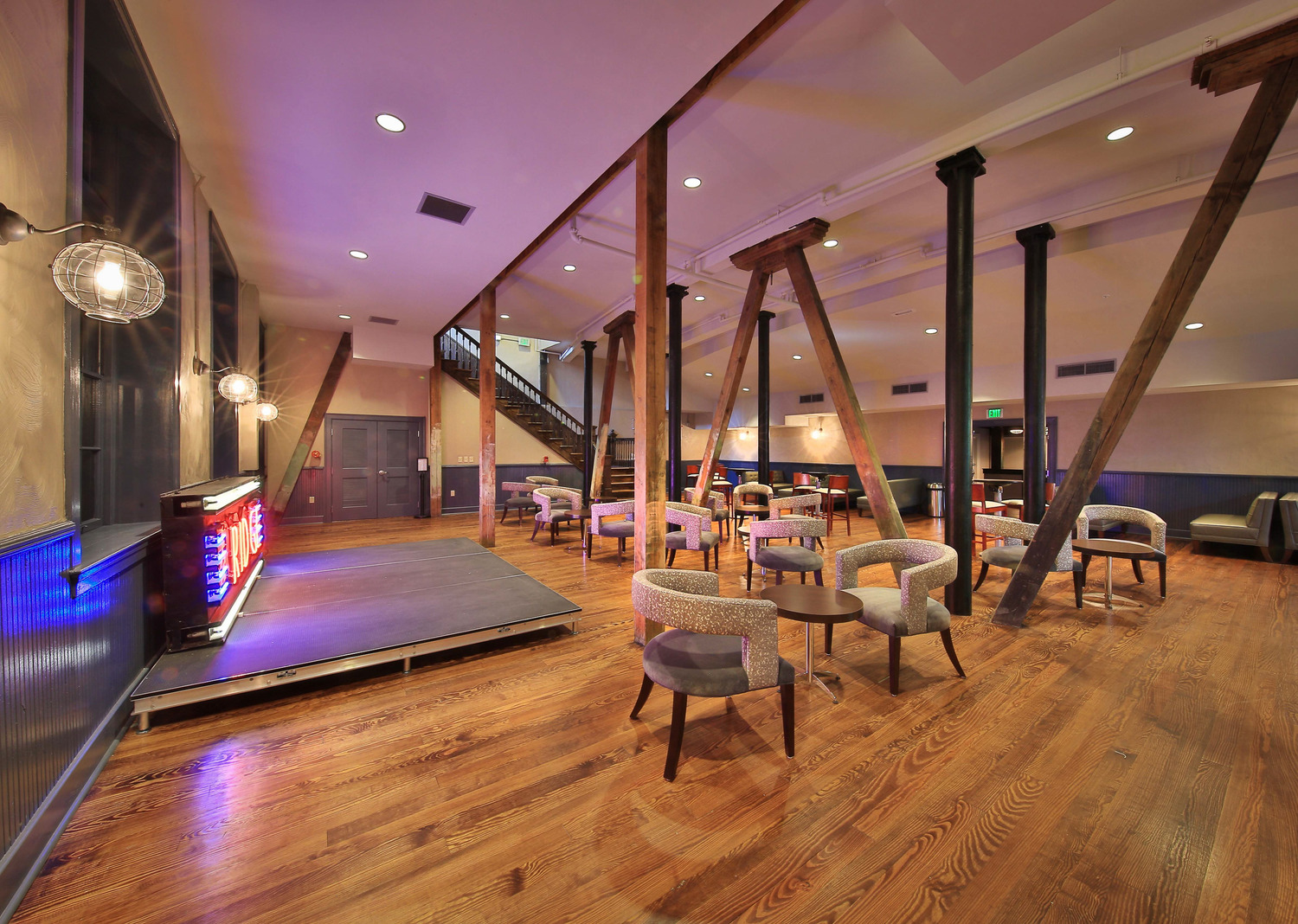
Inside, the lobby and auditorium were restored to reflect their original character, while new program elements were introduced to support a wider range of uses. These include updated concessions, restrooms, dressing rooms and a lower-level lounge, along with improved connections to the adjacent amphitheater.
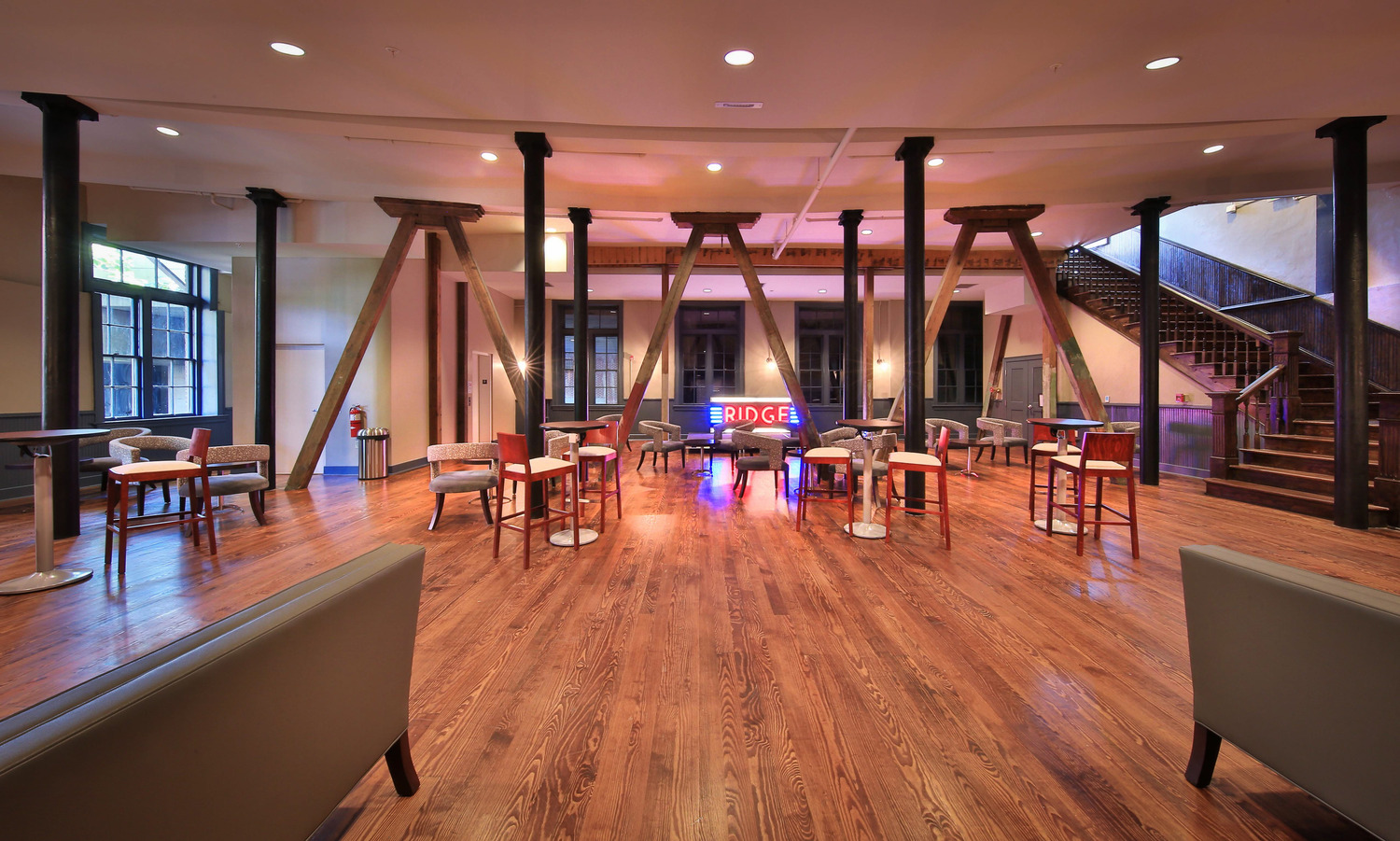
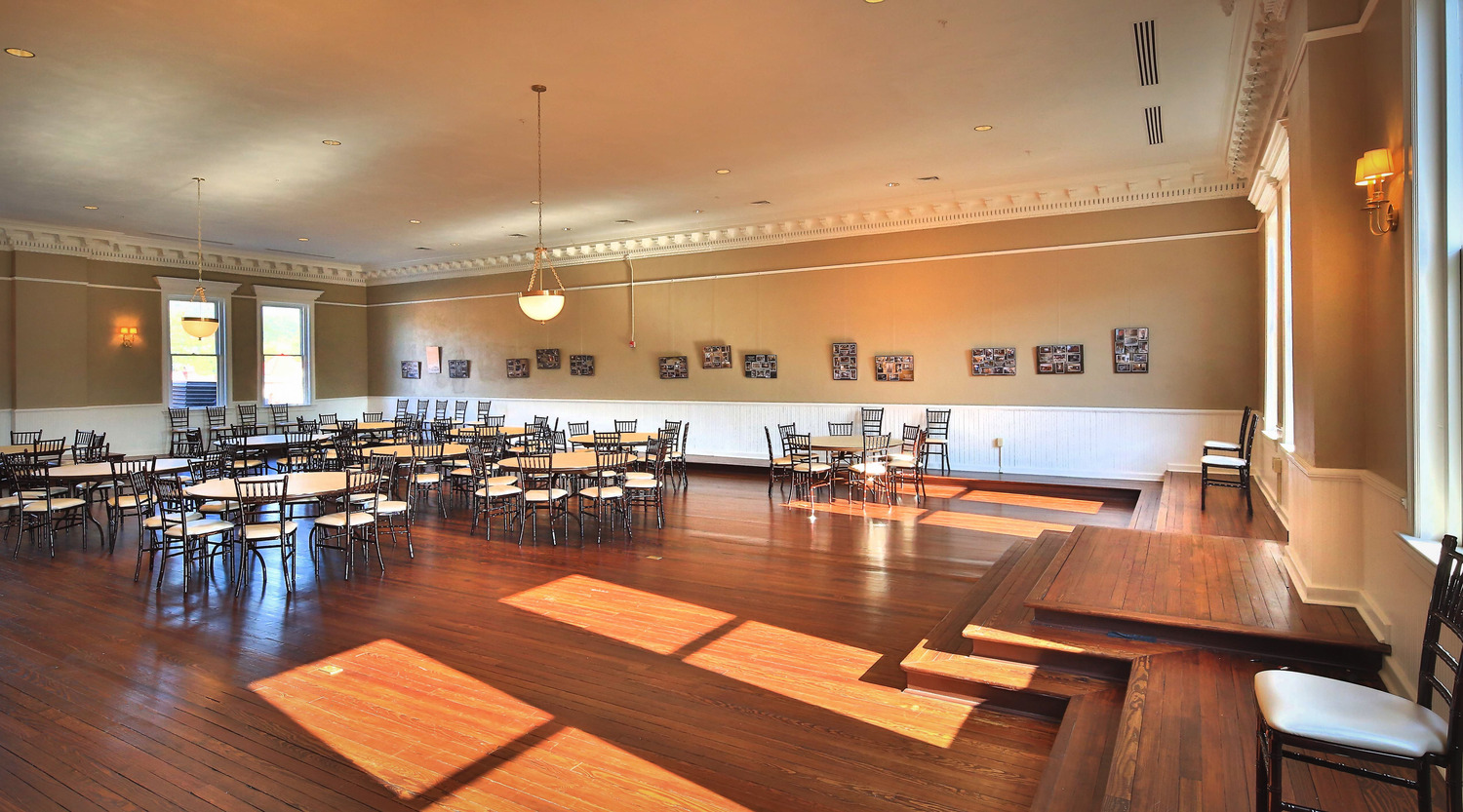
Upper floors were reconfigured to accommodate offices and a community room, extending the building’s use beyond scheduled performances.
An adjacent structure—historically connected to the theatre—was also rehabilitated to support operations, housing additional restrooms, a secondary lobby and coat room, and building systems.
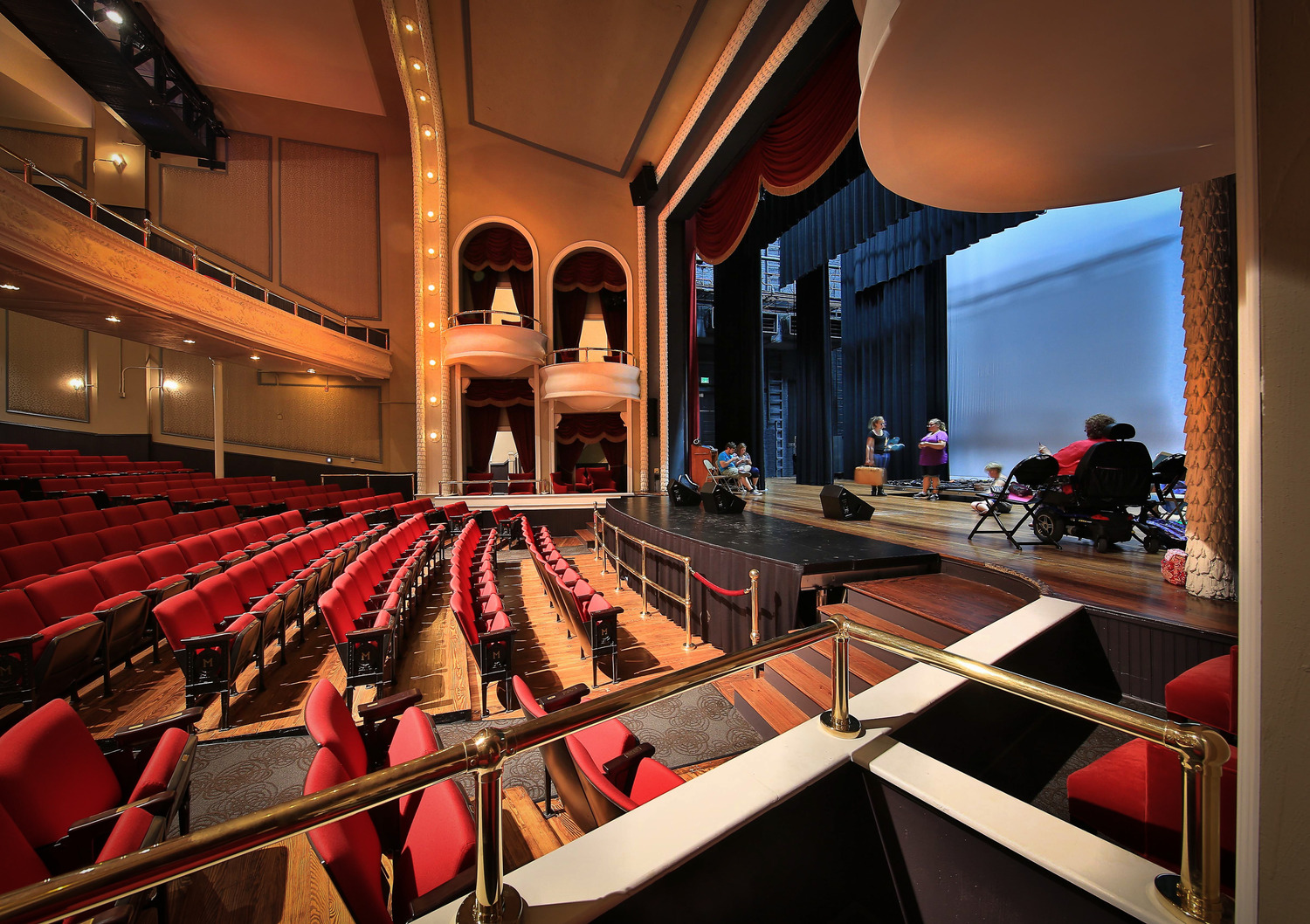
For audiences, performers and the broader community, the restored theatre provides a flexible venue that supports performances, events and everyday gathering. For Clifton Forge, it reactivates a long-standing landmark and strengthens the role of the arts in downtown life.
The project leverages Historic Rehabilitation Tax Credits to support investment in preservation, ensuring the building can continue to serve the community while maintaining its architectural legacy.