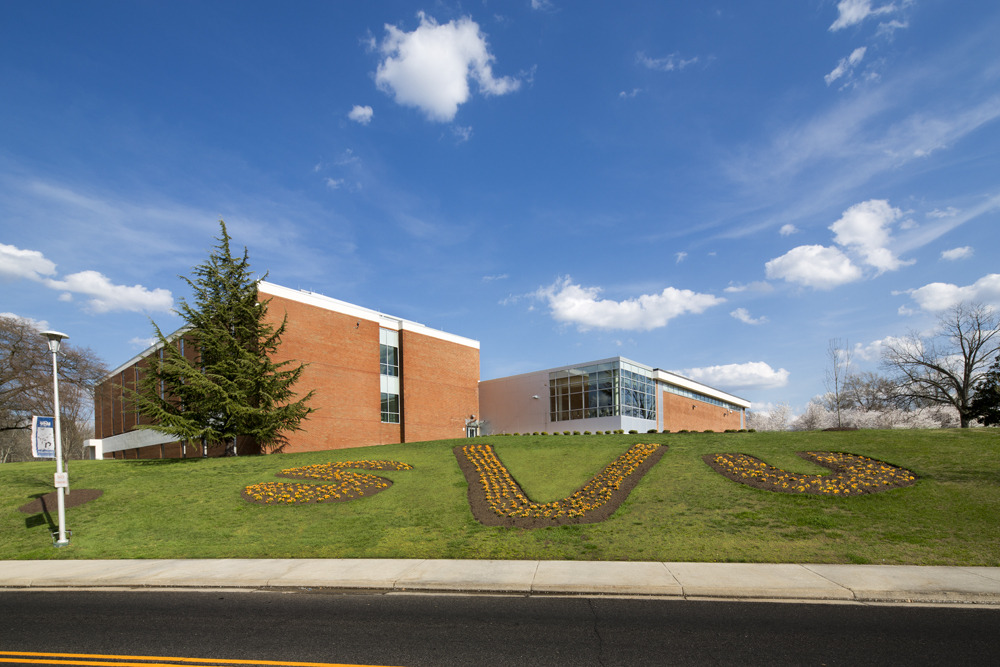
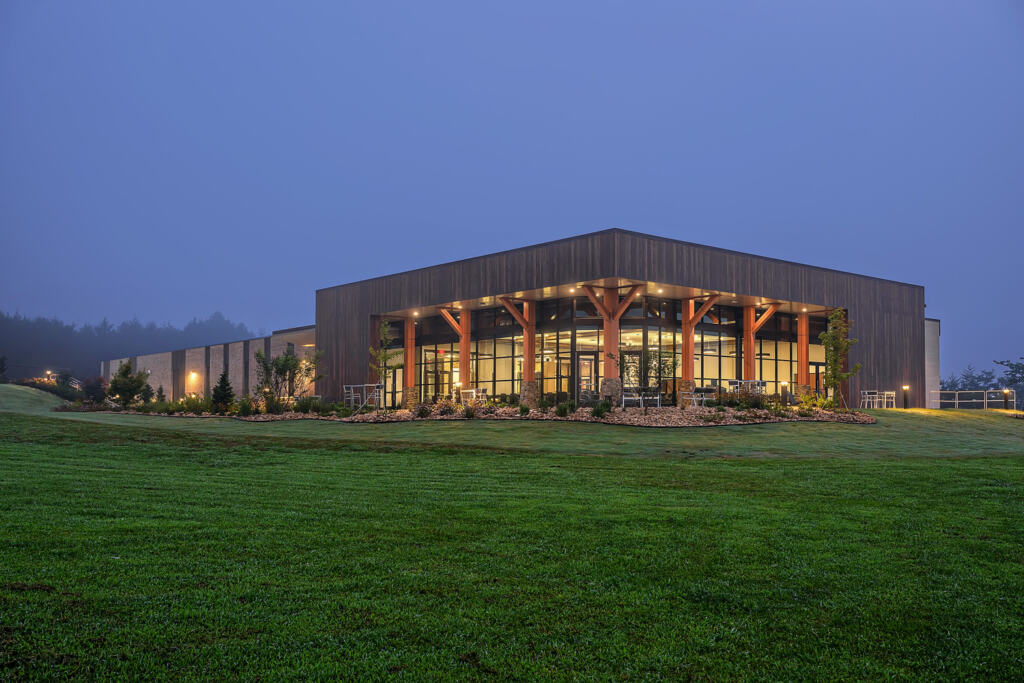
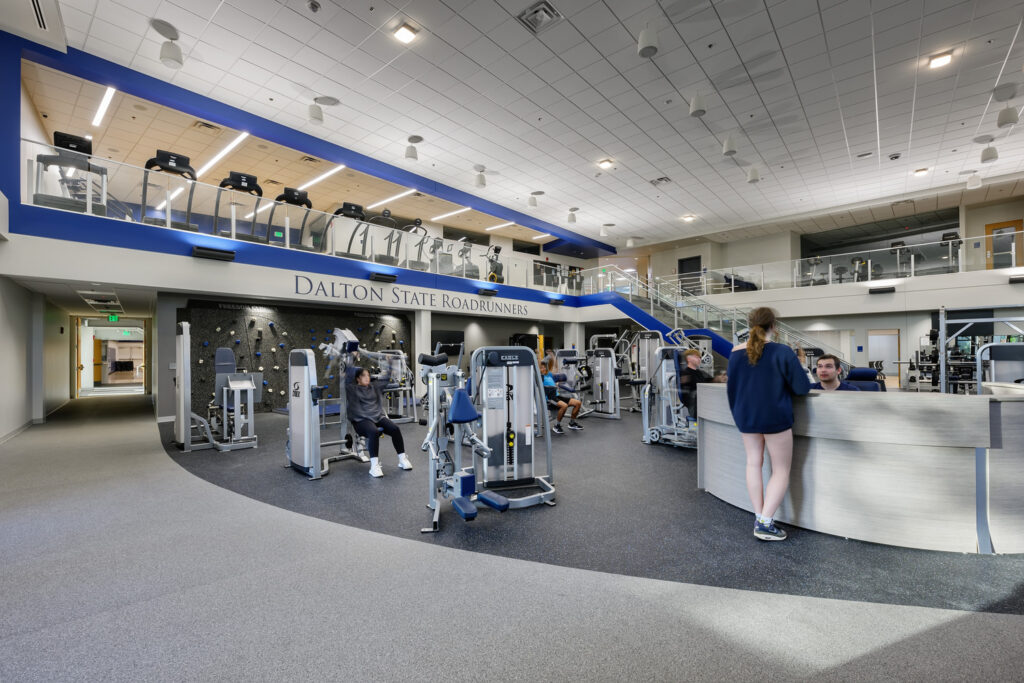
Originally constructed in 1969, Virginia State University’s Hunter McDaniel Hall has long served as a multidisciplinary hub, housing programs in engineering, chemistry, physics, nursing, psychology, mathematics and computer science. But as enrollment surged and fields evolved, aging infrastructure and a compartmentalized layout could no longer support the teaching pedagogies shaping today’s workforce.
Client
Virginia State University
Location
Petersburg, Virginia
Project Type
Classrooms & Lecture Halls, Science & Technology
Size
106,000 sq. ft.
Services
Architecture, Interior Design, Landscape Architecture
Key Contact
Michael Mistriner

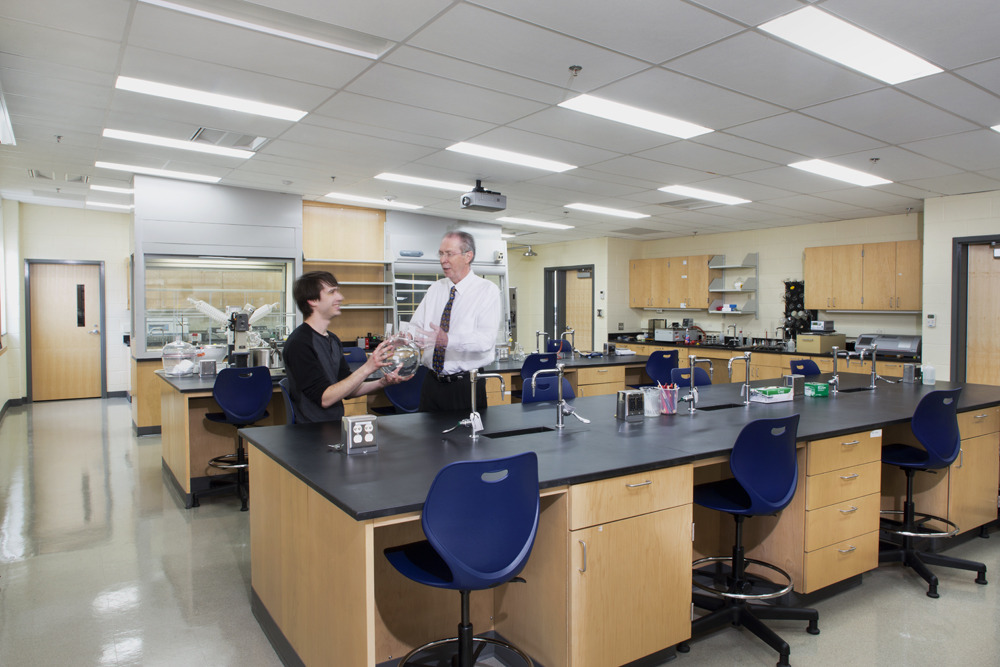
Our Higher Education practice team led a comprehensive revitalization, reimagining the building for 21st-century education. Overhauling building systems was a top priority, with newly installed HVAC and exhaust hoods tailored for the increased demands of contemporary lab equipment.
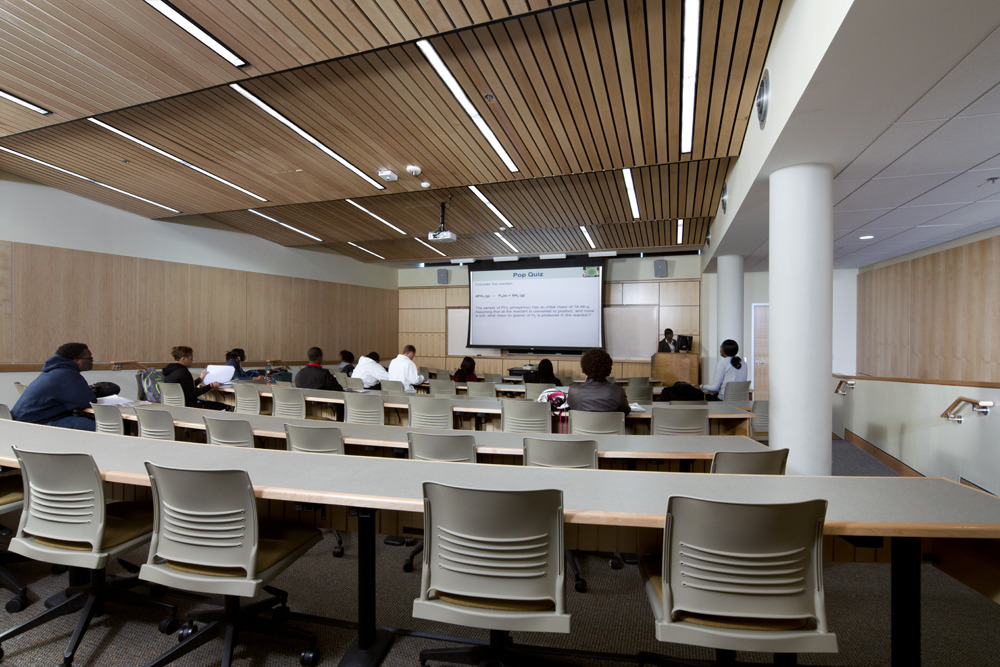
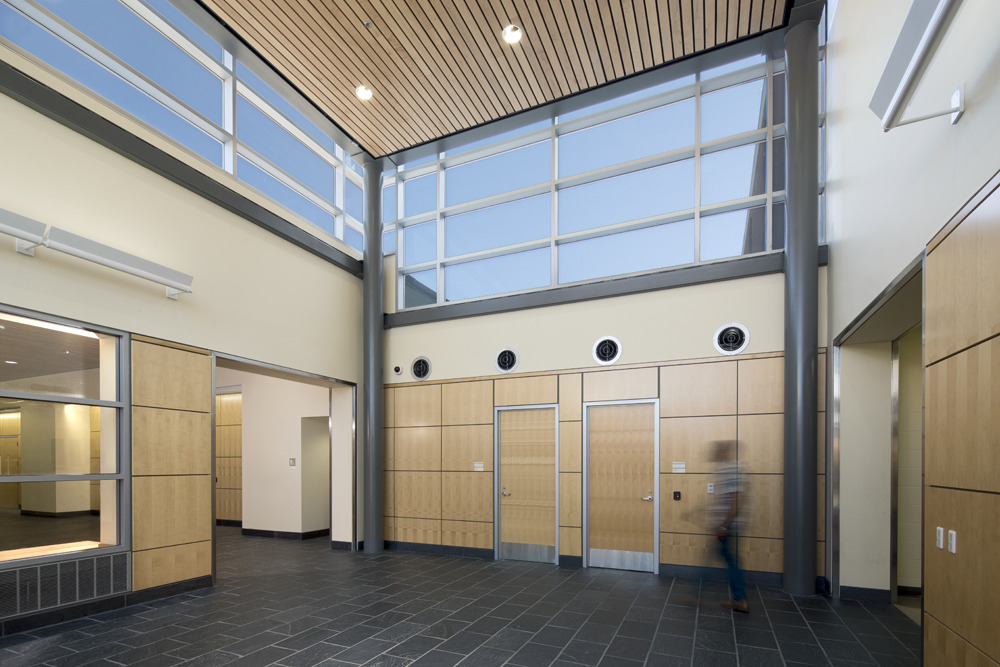
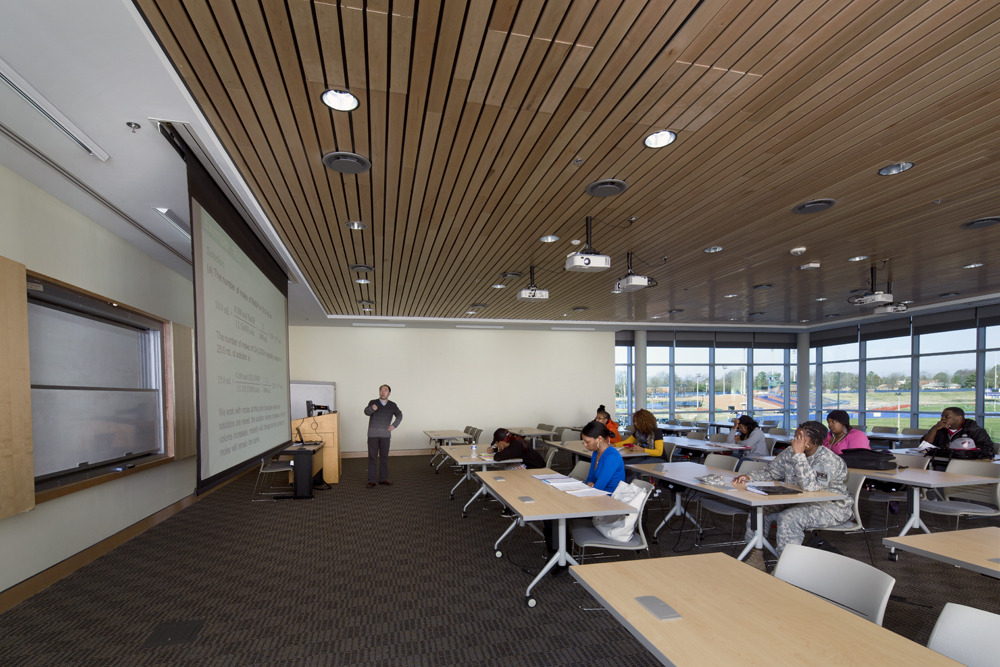
What started as a technical upgrade quickly became a cultural shift. Marked by a bunker-like design—long corridors and sealed-off wings—the building lacked any real connection to the outdoors. By swapping hallway closets for windows, we introduced daylight deep into the interior, creating a brighter, more welcoming environment. Moreover, sloped ceilings were added to classrooms to conceal mechanical systems while preserving natural light distribution.
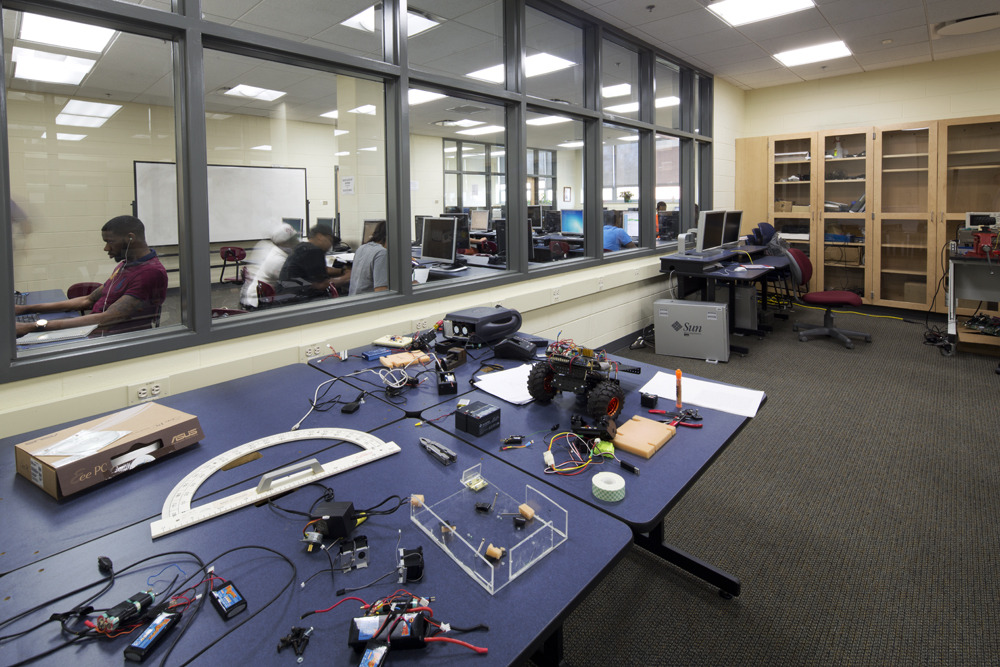
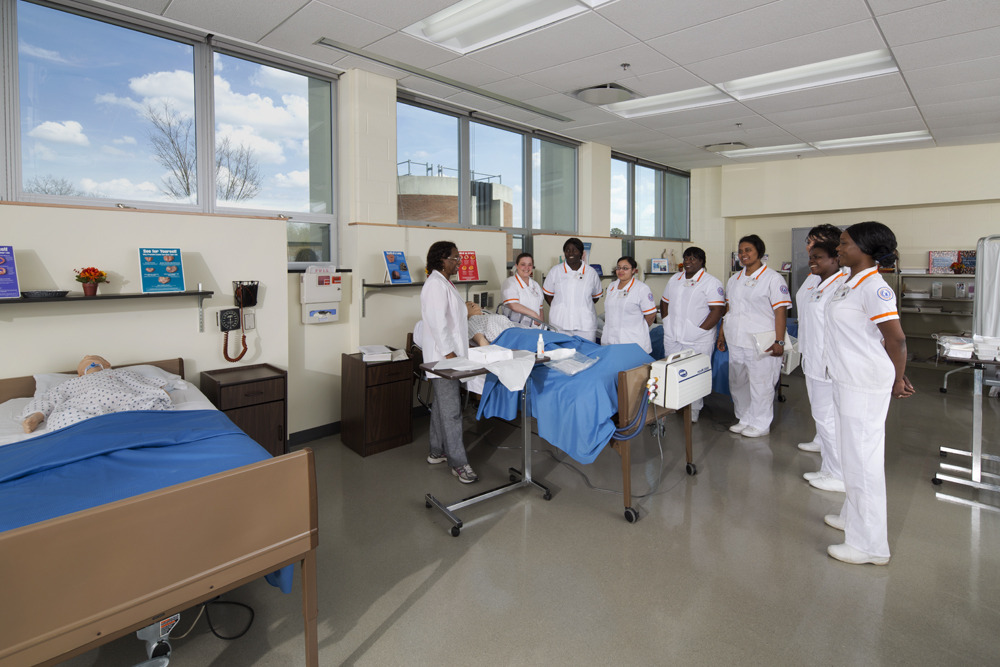
Specialized spaces were redefined to showcase VSU’s strengths. Once hidden from view, the basement-level robotics lab is now enclosed in glass, allowing passersby and prospective students to glimpse students at work in real time. The nursing program also gained a major boost with high-fidelity patient simulators, bringing realism and rigor to clinical instruction.
Material choices added warmth and character. Wood ceilings along main corridors, paired with new furniture, soften the building’s tone and improve wayfinding, approved in close collaboration with fire officials.
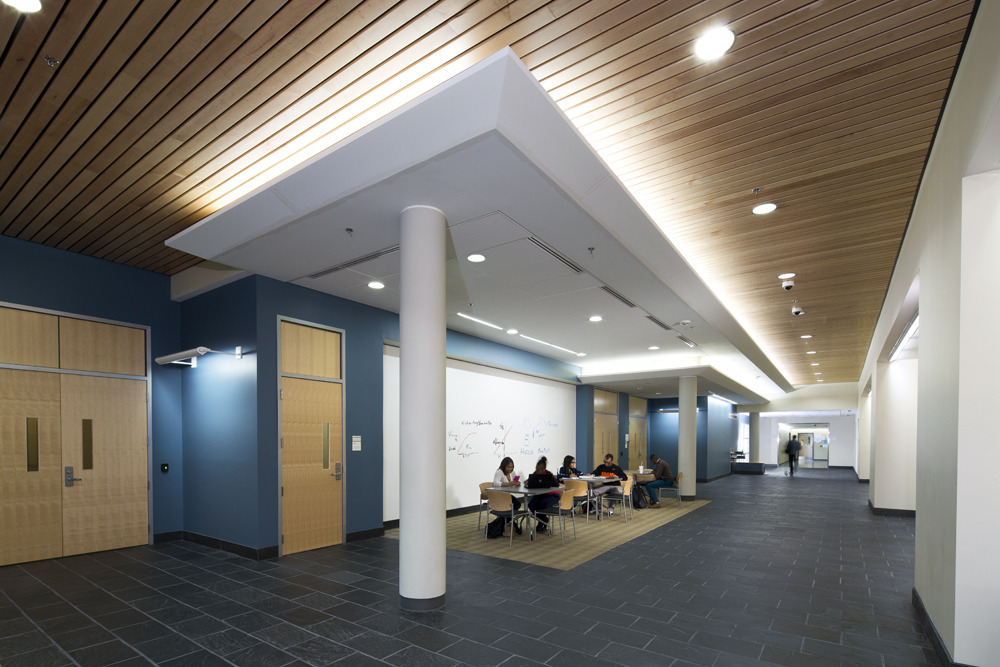
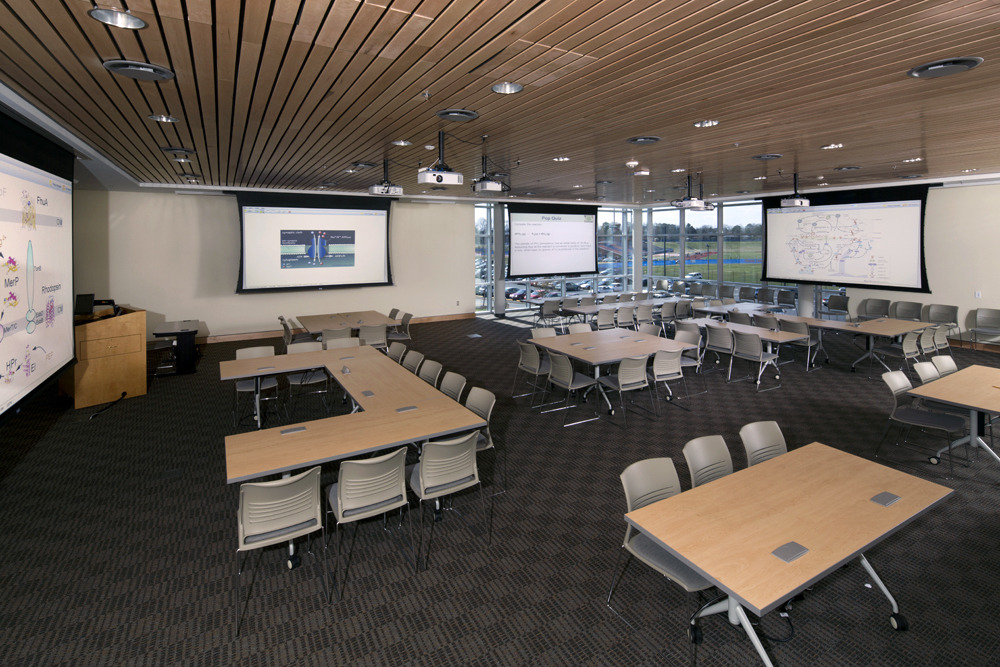
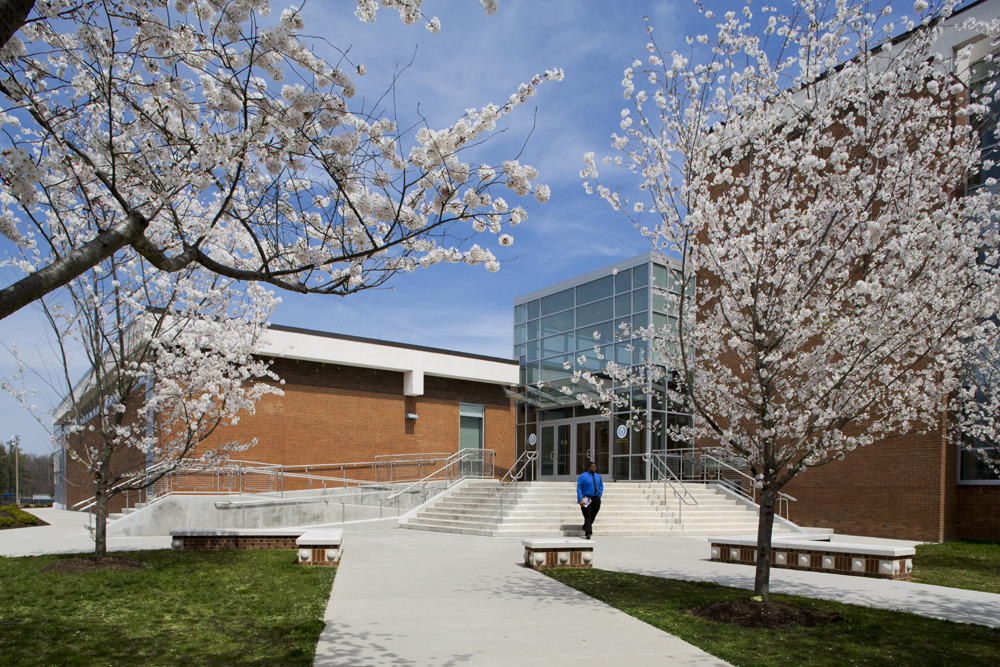
Presentation rooms were enlarged by removing outdated partitions, enabling more flexible, dynamic gatherings. The most striking change came at the front door; a glass entry tower now serves as a light-filled beacon, replacing the nondescript façade with a clear statement of identity.
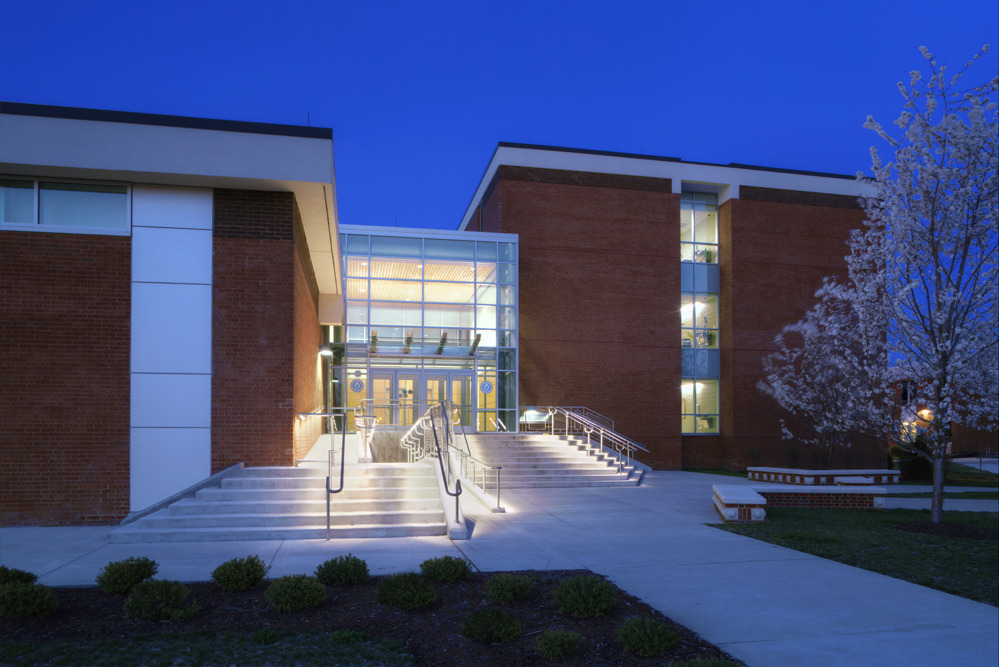
Phased construction ensured classes could continue without costly swing space, a strategy that saved resources and underscored the university’s commitment to progress without disruption. Today, the fully renewed Hunter-McDaniel Hall stands as a model of forward-thinking design—where transparency and accessibility come together to enrich learning across every discipline.