
Share This Story
An HVAC upgrade in an aging school has to account for the equipment, the building around it and the students and staff who use it every day. A 2020 report from the U.S. Government Accountability Office estimated that about 36,000 public schools needed HVAC updates and documented problems that had prompted temporary changes to school schedules.
At Cleveland Elementary School, Johnston County Public Schools (JCPS) and CPL found a piping route in an unusual place: the unused space between two roofs. The approach saved an estimated several hundred thousand dollars in demolition and ceiling replacement and reduced the time occupied spaces needed to be vacated for construction.
That project and a larger effort at Four Oaks Elementary School developed out of JCPS’s work with CPL to assess aging HVAC equipment and improve temperature and humidity control. Over several years of phased upgrades, the team faced decisions about when to repair, when to replace and how to make immediate work serve the schools’ longer-term needs.

Connect System Needs With Installation Costs
At Cleveland Elementary School, JCPS initially planned to replace the hydronic piping that carries hot and chilled water for heating and cooling while keeping the existing air-handling units. CPL's field investigation found that the piping connections to the units' coils were brittle and in poor condition, making coil replacement likely.
Replacing the coils would require dismantling and reassembling the air-handling units, at a cost almost equal to buying new units.
For JCPS, retaining the existing air handlers meant paying nearly the cost of new units for equipment expected to need replacement within about five years. The decision therefore involved both the immediate cost and how long that investment would serve the school.
The team chose new air-handling units as part of a comprehensive HVAC upgrade. CPL completed the expanded design by the original deadline.
The boilers were also nearing the end of their useful life, so the comprehensive upgrade included a new high-efficiency condensing boiler plant. The original boilers were rated at about 80% efficiency; the replacement units are rated between 91% and 98%. The new plant allowed the system to be designed around that higher efficiency. The scope also included replacement chilled-water pumps.
The broader upgrade also required a plan for installing new piping within the existing school. An earlier roof project had created an unusual opportunity. Cleveland originally had a flat roof. When the building needed a roof replacement in 2018, JCPS constructed a sloped metal roof above the existing roof, leaving an unoccupied, otherwise unusable space between them.
Working with JCPS, CPL developed a piping route through that space. A large opening in the side of the building provided access for bringing in piping materials.
Otherwise, the new piping would have been installed in the ceiling space below, requiring more coordination and more invasive work in occupied areas. Using the space between the roofs dramatically reduced demolition and associated ceiling and lighting work. It also reduced disruption below and substantially shortened the time affected spaces had to be vacated for construction.
The resulting scope reflected the condition and remaining life of the equipment. The installation plan addressed a different question: How much of the school would need to be disturbed to carry out that work? Together, those decisions allowed JCPS to pursue a broader HVAC upgrade while reducing associated demolition and disruption to occupied spaces.
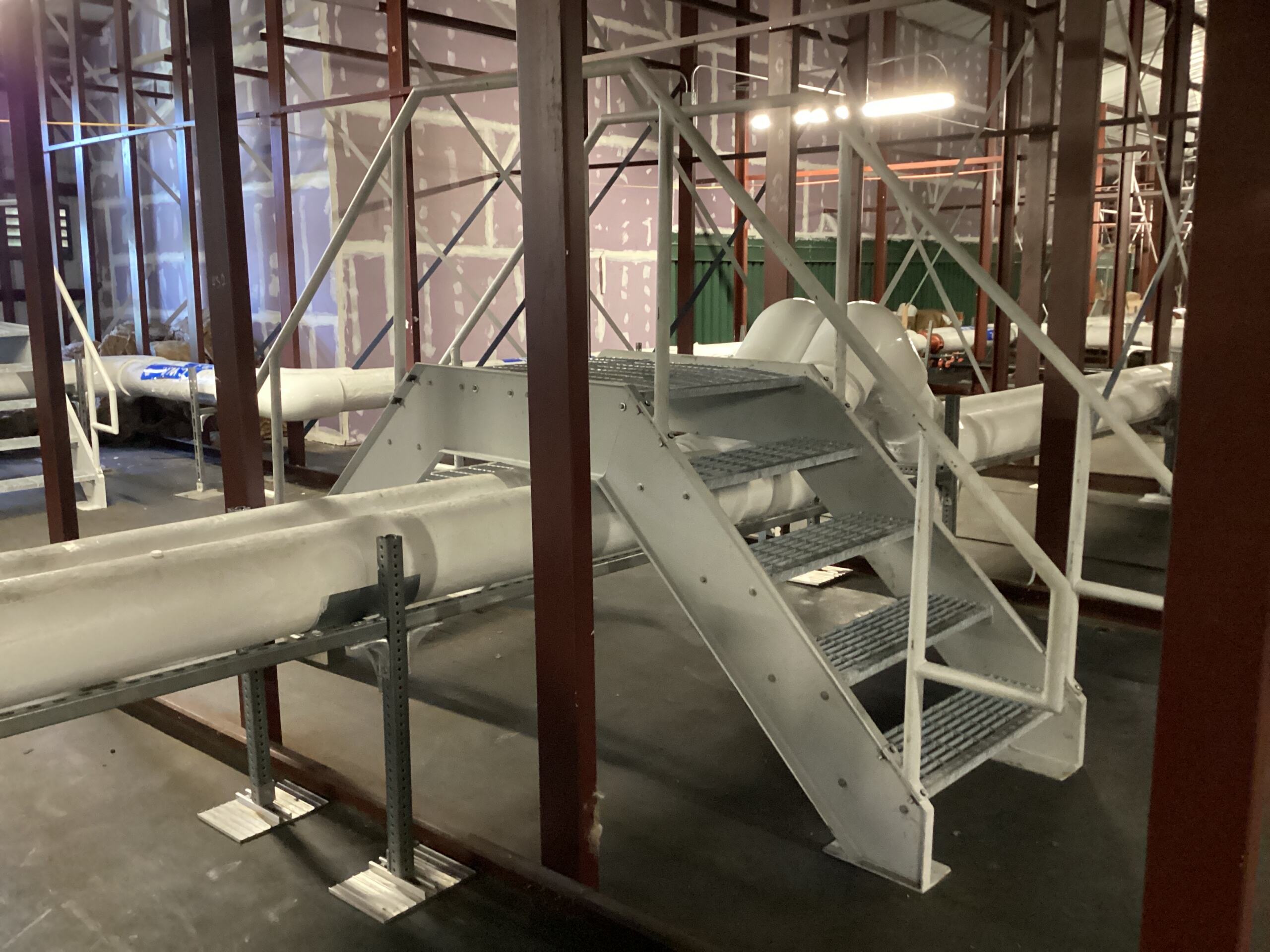
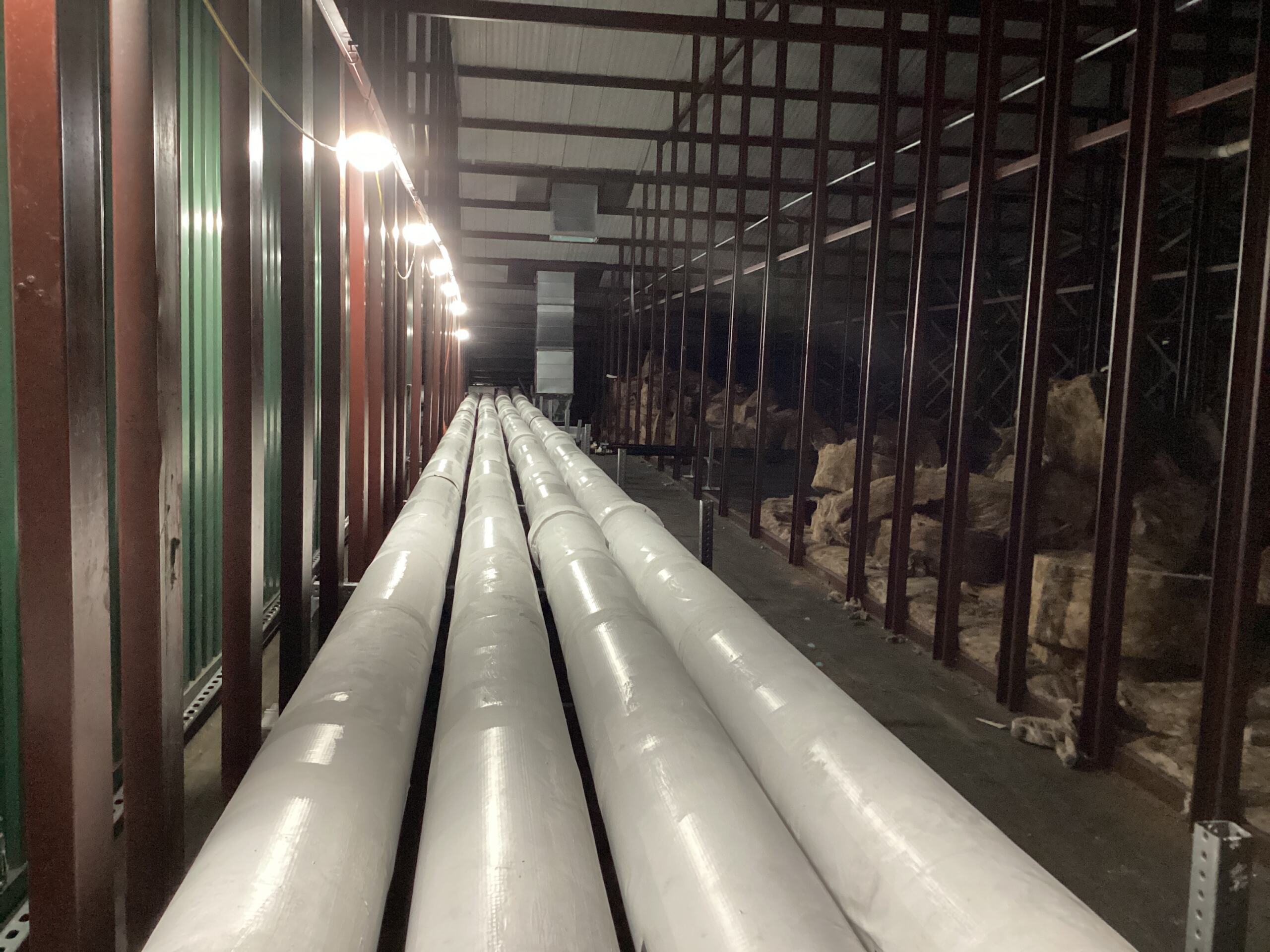
New piping runs between Cleveland Elementary School’s original flat roof and the sloped metal roof added above it in 2018. Using this space reduced work in the occupied areas below.
Make the First Phase Serve the Larger Investment
At Four Oaks Elementary School, the team also had to decide what could happen first and how that work would support later phases. The 140,000-square-foot school had a complex patchwork of systems, and JCPS and CPL evaluated several systems and approaches to simplify them through phased work.
The team fast-tracked an early phase to address immediate needs while coordinating its design with future plans for the school. Construction took place both over the summer and while school was occupied.
An early phase is itself a capital decision. Its value depends on what it resolves immediately and how it fits into the system the district ultimately intends to operate and maintain. That connection belongs in the design of the first phase.
Expect a Recommendation that Explains the Whole Investment
Before approving an HVAC upgrade, district leaders should expect a recommendation that explains the choice between repair and replacement in light of cost and remaining equipment life. The comparison should make clear what each option includes and which equipment would remain in service.
The installation plan should be equally specific. Which ceilings or lighting systems would be affected? Which spaces would need to be vacated, and for how long? Those implications belong alongside equipment costs when the district weighs its options.
For phased work, the recommendation needs to explain what the first investment resolves and how it fits into the eventual system. It should also identify how the sequence accommodates school operations. Leaders must be able to take that recommendation to their boards with a clear account of what the district is buying and why that approach makes sense for the school.
Help Your Aging School Meet Today’s Demands
A better education relies on an environment that is safe and efficient, with long-term equipment needs met and accounted for. CPL’s K-12 team is here to help your district navigate K-12 HVAC replacement, phased renovations and facility modernization to bring your school up to speed without ever slowing down the learning.
About the Author: Mike Pena

