
Share This Story
Across the country, school districts are being asked to do more than improve test scores. They are being asked to support student mental health, reduce chronic absenteeism, retain educators, and create learning environments that help students thrive in an increasingly complex world. Against this backdrop, biophilic design, an approach rooted in humans’ innate connection to nature, is moving from a “nice‑to‑have” amenity to a practical, performance‑driven strategy in K–12 environments.
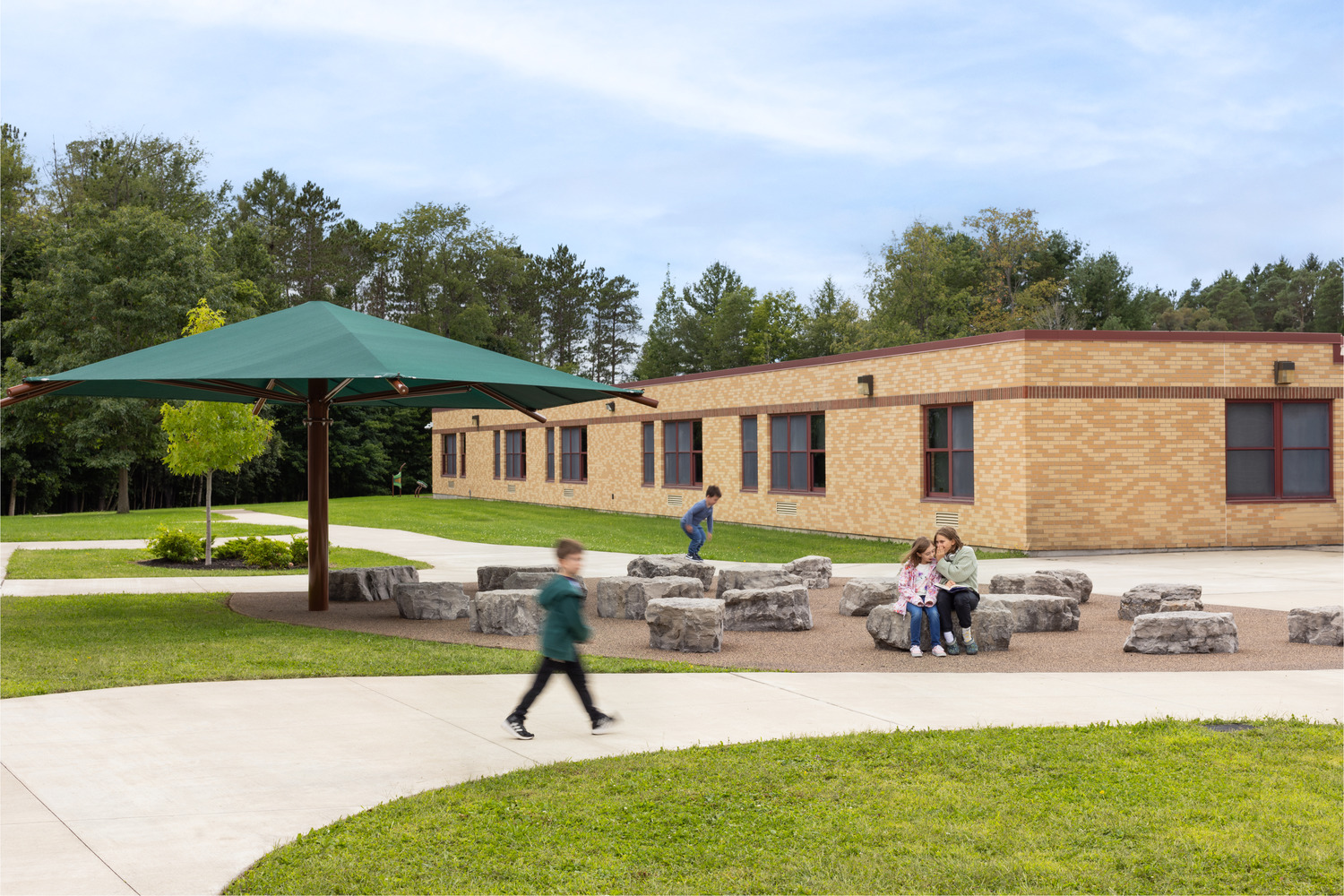
Biophilic design is not about filling schools with plants or pursuing costly certification programs. At its core, it is about bringing natural light, materials, patterns, and experiences into everyday learning environments in ways that support human health and cognition. Growing research shows that when schools thoughtfully integrate these elements, the benefits are measurable: higher student focus, improved emotional regulation, lower absenteeism, and healthier, more satisfied teachers.
Why Biophilic Design Matters—Now More Than Ever
Students and educators spend up to 1,000 hours per year inside school buildings. Many of those buildings, particularly older facilities, were designed for efficiency, not wellness. Static artificial lighting, limited exterior views, and hard, synthetic materials can amplify stress, fatigue, and disengagement over time.
Research grounded in biophilic theory demonstrates that exposure to nature or even representations of nature can lower stress, restore attention, and improve overall well‑being. In educational settings, studies summarized by organizations such as the Green Building Alliance and Terrapin Bright Green link biophilic strategies to improved cognitive performance, emotional stability, and academic outcomes. These findings are especially relevant as districts respond to rising rates of anxiety, neurodivergence, and burnout among both students and staff.
Daylighting: The Gateway Strategy With Proven Impact
Among biophilic strategies, daylighting consistently delivers the strongest return. Natural light is dynamic, changing throughout the day and across seasons, unlike artificial lighting that remains static. This variation supports circadian rhythms, helps regulate energy levels, and improves comfort and alertness.
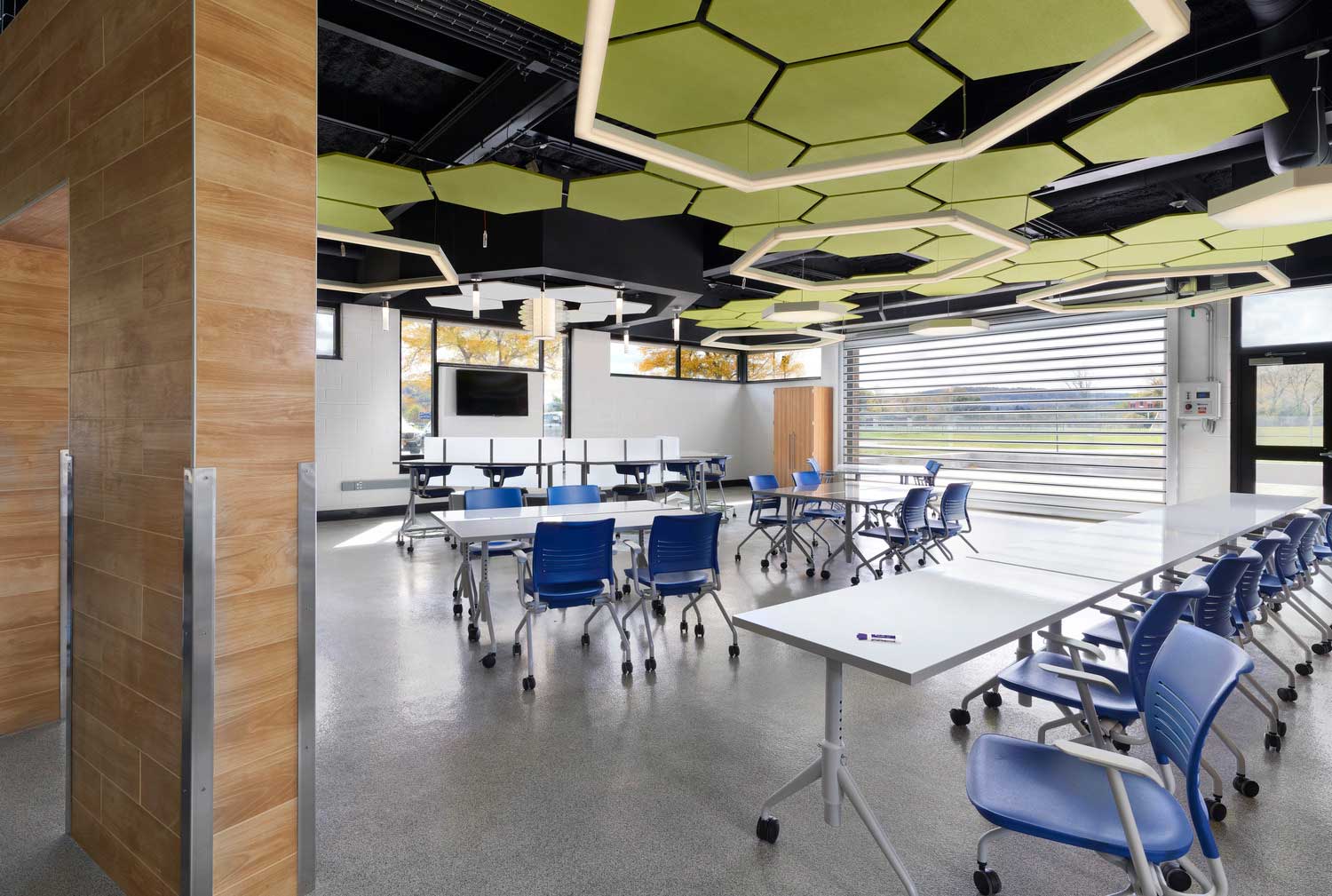
Multiple K–12 studies have shown that classrooms with ample daylight are associated with higher test scores, stronger concentration, and improved mood. Students in naturally lit spaces demonstrate better performance and fewer behavioral issues, while teachers report a calmer, more positive teaching environment. Importantly for district leaders, daylighting is often achievable through window placement, solar shading, and thoughtful orientation, rather than costly structural overhauls.
Natural Materials: Subtle Connections, Powerful Effects
Another high‑impact tactic involves the use of natural materials and textures, such as wood, stone, clay‑based products, and nature‑inspired finishes. These materials create subconscious connections to outdoor environments, making spaces feel warmer, calmer, and more human.
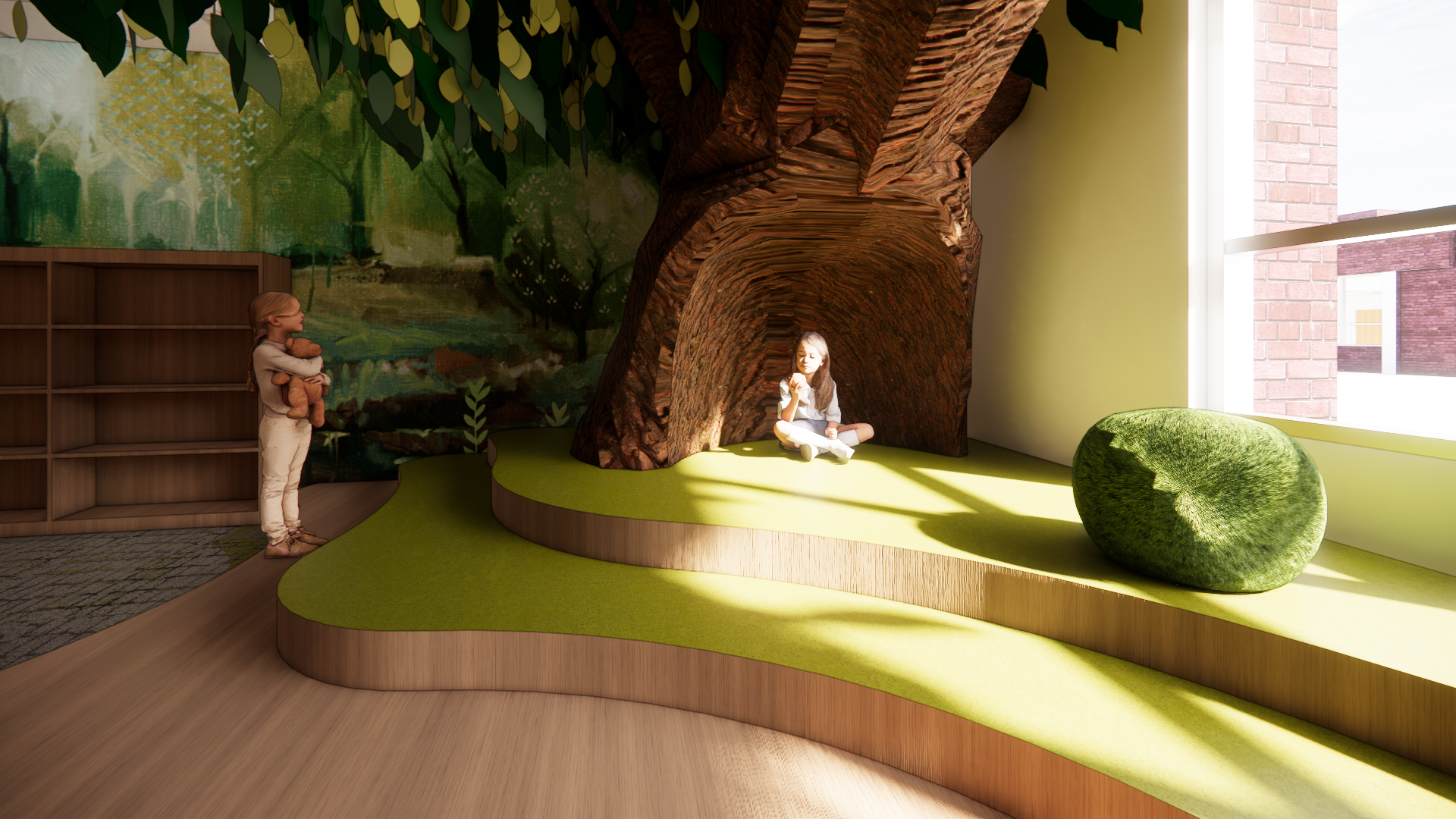
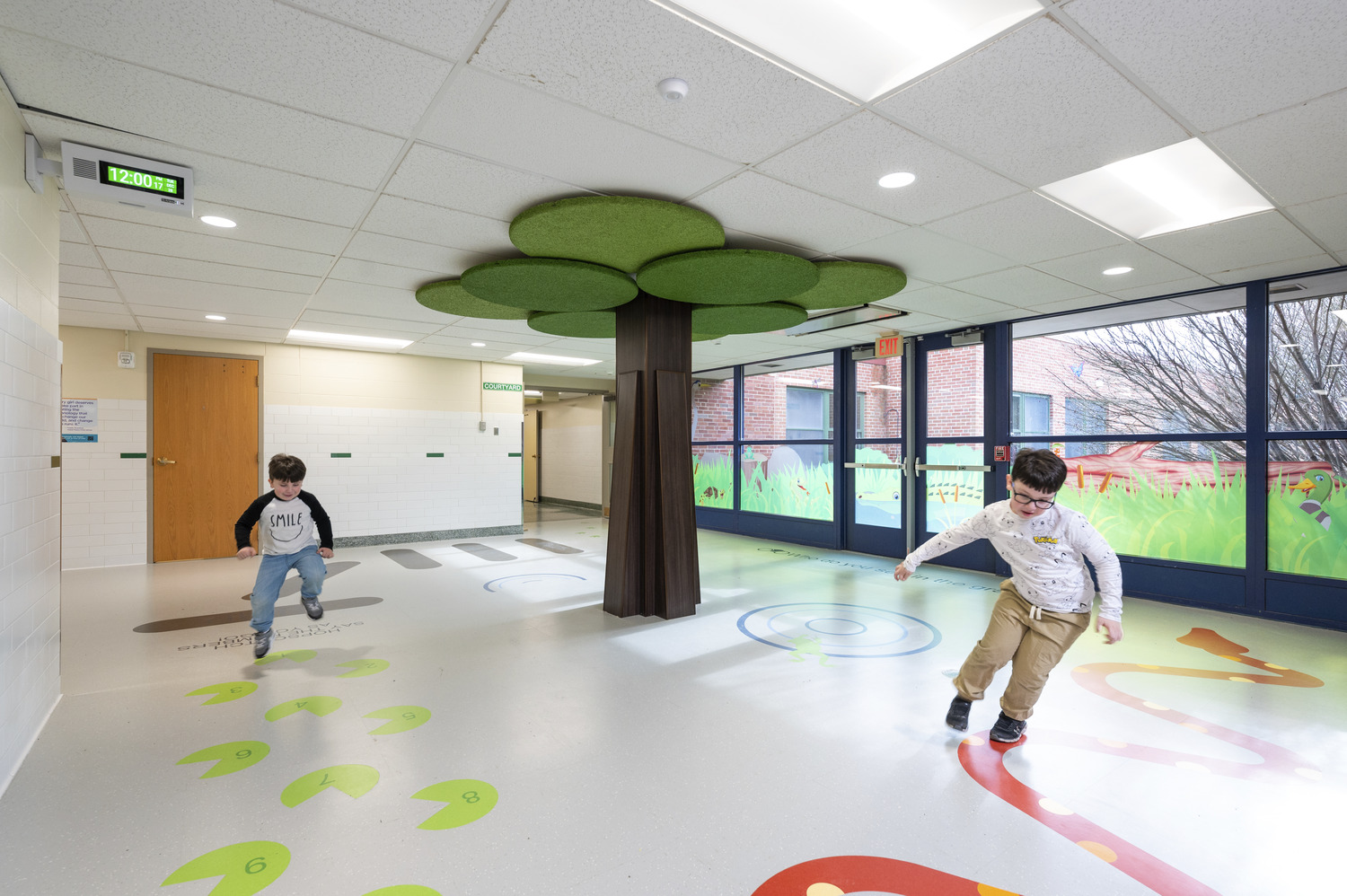
Importantly, biophilic design does not require premium materials everywhere. Strategic use, such as wood handrails instead of metal, natural textures in gathering spaces, or color palettes drawn from local landscapes, can dramatically shift the feel of a building without significant cost increases. Research shows that environments incorporating natural materials support emotional regulation, reduce stress responses, and increase students’ sense of comfort and belonging.
These subtle cues can be especially important for students with sensory sensitivities or trauma‑related needs. Natural textures and colors tend to be less overstimulating, helping create inclusive settings that support a wide range of learning styles.
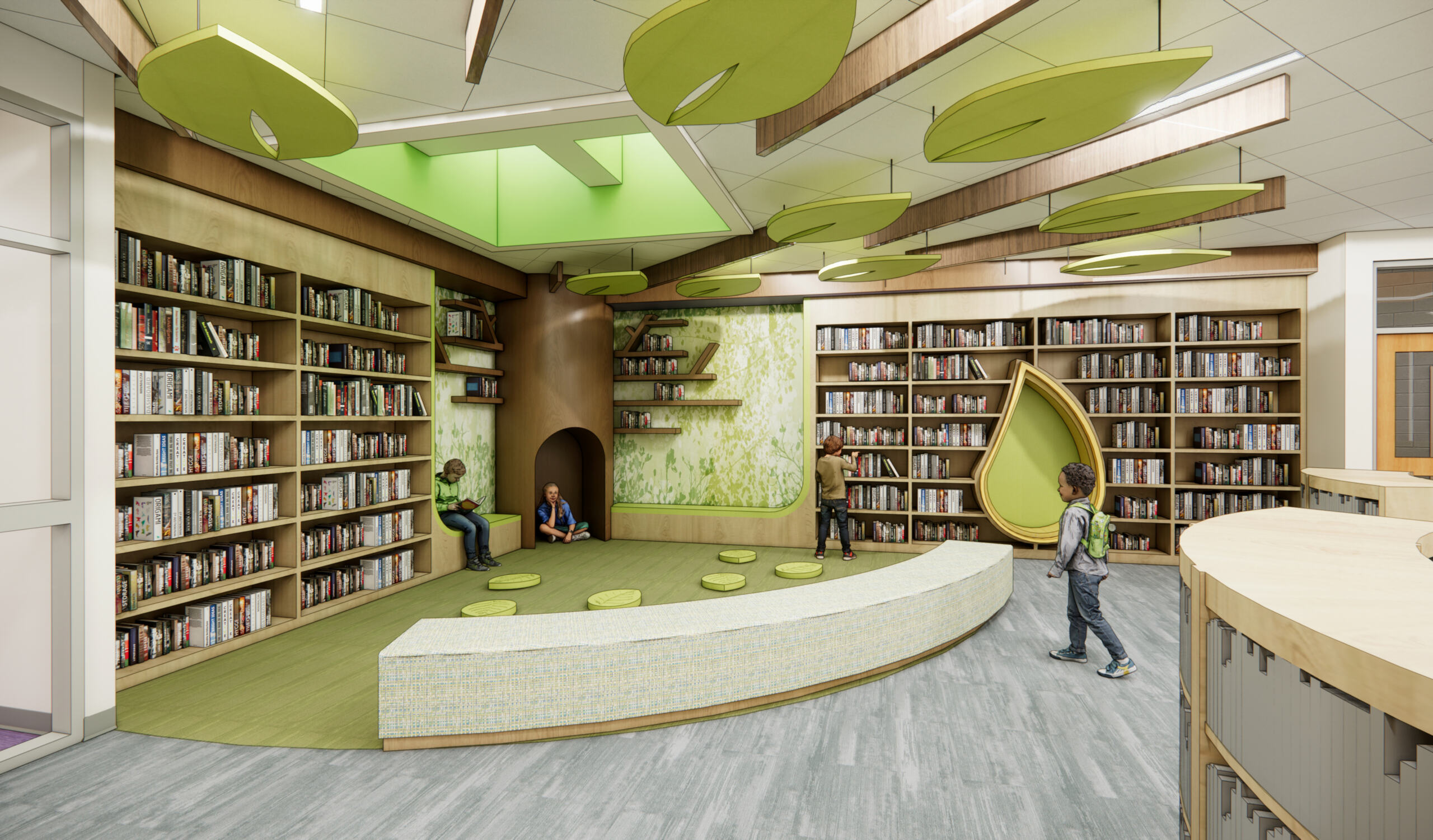
Indoor-Outdoor Connections: Extending Learning Beyond the Classroom
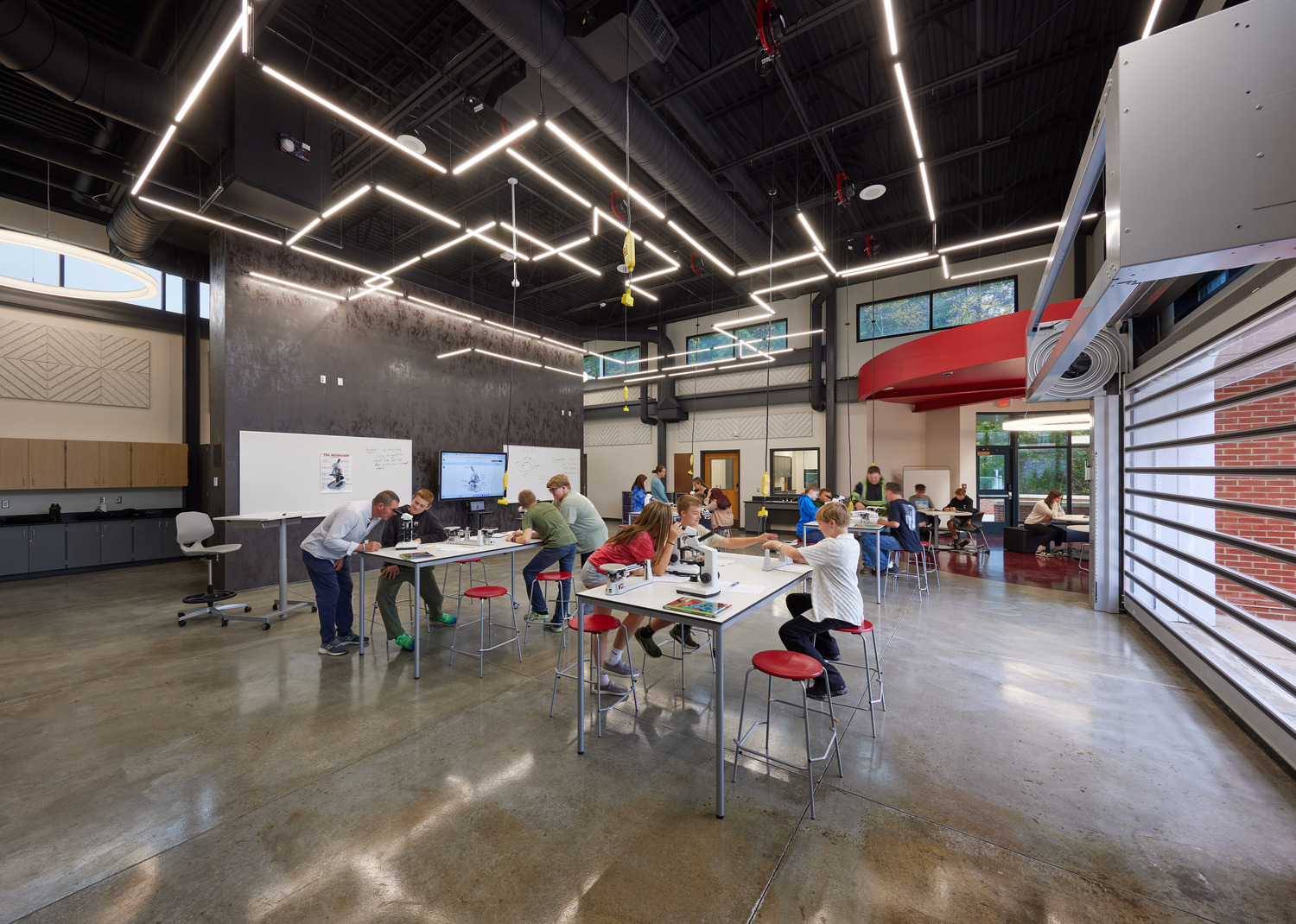
Visual and physical connections to the outdoors represent another core pillar of biophilic design. Large windows, views to green spaces, outdoor classrooms, and enclosed courtyards allow students to remain visually connected to nature throughout the school day, even when weather limits outdoor access.

Schools that pair these views with accessible outdoor learning areas often see additional benefits, including increased engagement, physical activity, and social interaction. These spaces also give teachers flexible instructional options, supporting hands‑on, experiential learning that aligns with evolving curriculum models.
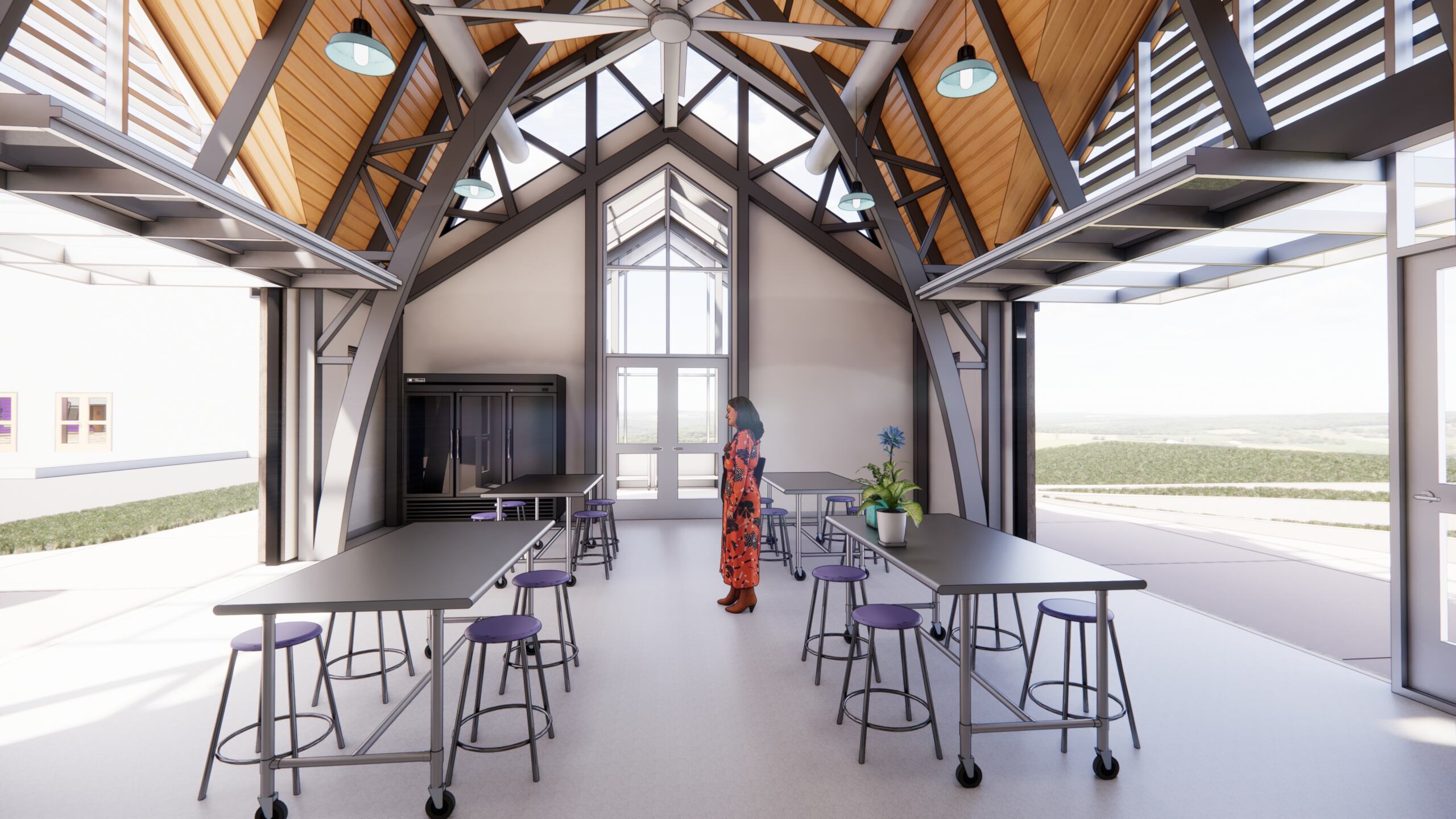
Notably, districts are increasingly using outdoor and semi‑outdoor spaces as shared community assets: places where students gather, decompress, and collaborate. In many recent projects, these nature‑connected areas have become some of the most heavily used and highly valued spaces on campus.
Wellness Without Certification: Simplicity Over Complexity
One persistent misconception is that biophilic design requires pursuing LEED, WELL, or other third‑party certifications. While those frameworks can be valuable, districts often achieve many of the same health benefits by designing to the principles, without the added cost, documentation, and maintenance requirements of certification.
Low‑VOC paints, daylight optimization, natural materials, and visual connections to nature are all biophilic interventions that align with standard capital planning cycles. Even low‑cost retrofits such as nature‑themed graphics, improved corridor daylighting, or updated material selections can deliver outsized wellness gains. This flexibility makes biophilic design particularly appealing for districts facing tight budgets or aging infrastructure.
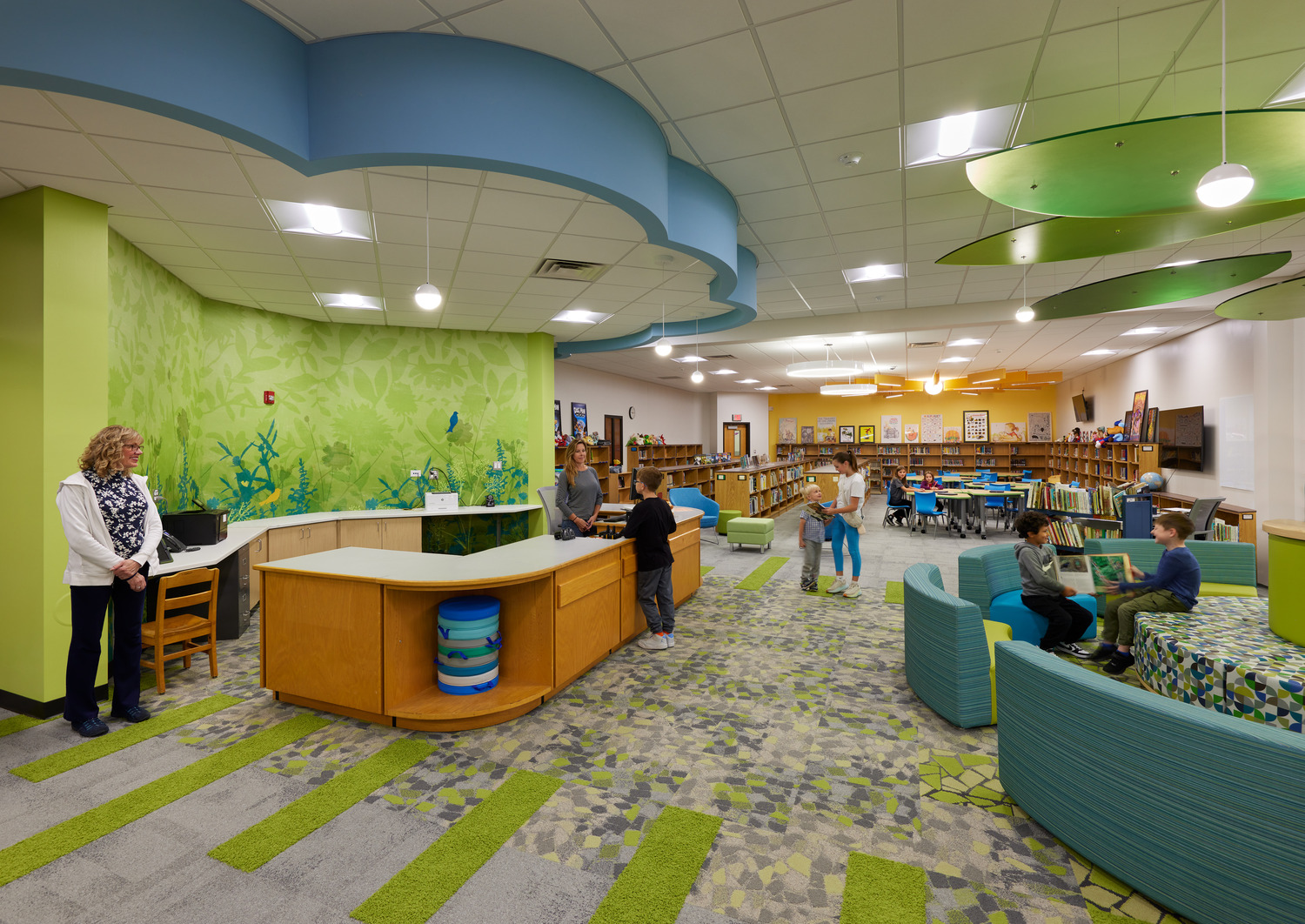
Measurable Outcomes: Attendance, Focus, and Mental Health
Perhaps the most compelling argument for biophilic design lies in outcomes. Research links nature‑based design strategies to reduced absenteeism, improved attention and memory, stronger social‑emotional learning, and increased teacher satisfaction. In practice, districts report calmer behavior, better attendance patterns, and improved staff retention; outcomes that directly affect funding, performance metrics, and community confidence.
Teachers, in particular, benefit from biophilic environments. Purposefully designed respite spaces and staff lounges have emerged as critical tools in addressing burnout. These spaces reinforce that educator wellness is not secondary to student success, but foundational to it.
A Scalable Path Forward
Biophilic design’s strength lies in its adaptability. Districts can start small by optimizing daylight, adjusting material palettes, or enhancing views, and build momentum over time. As mental health, equity, and wellness continue to reshape educational priorities, nature‑inspired design offers a proven, evidence‑based way to shape schools that support the whole child and the whole educator.
Ultimately, biophilic design is not about aesthetics. It is about performance, well‑being, and long‑term resilience. When schools reconnect students and teachers with nature, they create environments where learning feels more intuitive, engaging, and human. And in a time when schools are being asked to do more than ever, that connection may be one of the most powerful tools available.
Design for Student and Educator Well-Being
Creating healthier learning environments doesn’t require a complete overhaul. With the right strategies, districts can integrate daylight, natural materials, and meaningful connections to the outdoors in ways that support focus, attendance, and overall well-being.
Our team works with school districts to translate these principles into practical, scalable solutions that align with budgets and long-term goals. Connect with us to explore how biophilic design can support your next project.
References
- Ghaziani, R., Lemon, M., & Atmodiwirjo, P. (2021). Biophilic design patterns for primary schools. Sustainability, 13(21), Article 12207. https://doi.org/10.3390/su132112207
- Leif, K., & Loftness, V. (2024). A toolkit of biophilic interventions for existing schools to enhance student and faculty health and performance. Architecture, 4(2), 445–456.
- Browning, W. D., Ryan, C. O., & Clancy, J. O. (2014). 14 patterns of biophilic design: Improving health & well-being in the built environment. Terrapin Bright Green, LLC. https://www.terrapinbrightgreen.com/reports/14-patterns/
- Green Building Alliance. (n.d.). Biophilic design in schools. https://gba.org/resources/green-healthy-schools-resources/biophilic-design-in-schools/
- Terrapin Bright Green. (n.d.). Biophilic design case studies. https://www.terrapinbrightgreen.com/report/biophilic-design-case-studies/
About the Authors:
Leslie Harris and Marissa Colucci
Leslie Harris, AIA, CDT, IIBEC
As a Senior Architectural Project Manager with more than 30 years of experience, Leslie brings energy, precision and a collaborative spirit to every project he leads. He is guided by the belief that “you cannot make a building unless you are joyously engaged,” and his work reflects a deep commitment to design excellence, code compliance and technical clarity from concept through construction.
Marissa Colucci, CID, NCIDQ, IIDA, WELL AP
An industry expert with a gift for seeing the distinct potential in every space, Marissa’s technical proficiency and ability to develop visionary walkthrough presentations combined have helped our clients comprehend every step of our unique design process.
About the Author: CPL

