
Share This Story
Higher education leaders often encounter enrollment as a single institution-wide number: total headcount, year-over-year change or a long-range projection. Those figures matter, but they rarely tell the whole story. Even as a university faces broader demographic pressure, a particular program, credential or student population may be reaching record demand.
Effective higher education campus planning begins by identifying where those differences signal an academic opportunity and whether the campus can support it. In an uncertain market, the answer is not to stop investing but to invest with greater precision.
Higher Education Campus Planning Begins with Program Capacity
Understanding where demand is changing is only the first step. The next is translating that change into what a program actually requires. Enrollment may indicate the scale of demand, but it cannot show on its own whether the campus can support how a program teaches, operates and grows.
Consider two programs with similar enrollment. A lecture-based program may absorb moderate growth through scheduling or hybrid delivery. A nursing program, by contrast, depends on specialized skills labs, simulation environments, technology, faculty support and carefully sequenced instruction. Its constraint may not be the number of available seats, but whether the right spaces and resources are available at the right points in the curriculum.
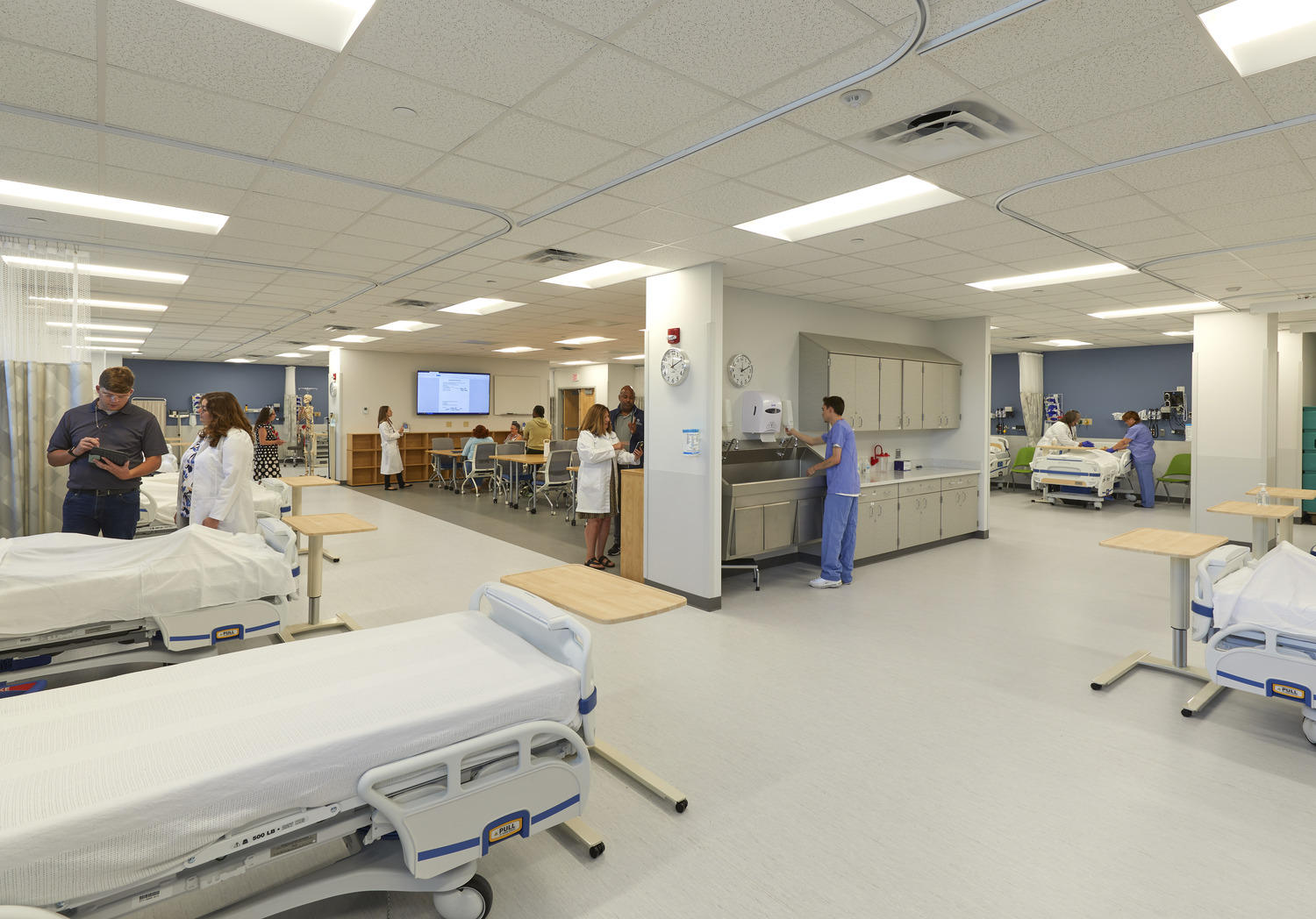
Seen this way, capacity is more than physical inventory. It is the institution’s ability to deliver a program effectively at the scale and level of quality its academic mission requires. That fuller understanding provides a clearer basis for determining whether changing demand can be accommodated operationally or requires a physical response.
Four Questions Guide a More Precise Investment
A physical constraint, however, does not automatically make the case for a capital project. Leaders must still determine whether the underlying demand is durable, whether addressing it advances an institutional priority and which response would create the greatest long-term value.
At CPL, our approach to higher education campus planning begins by defining the academic objective before testing possible solutions. Four questions guide the process:
- Where is demand changing?
- What is constraining the program?
- Which response will create the greatest value?
- Will that response remain useful as conditions change?
The first two questions establish the need. The latter two test the investment. Answering all four requires academic leaders, facilities teams, finance officers and planners to work from a shared set of facts. Enrollment and workforce trends help clarify the opportunity; program performance and curriculum reveal the academic requirements; and utilization, facility condition, operating costs and available capital ground the decision in physical and financial reality.
Considered together, this evidence allows institutions to compare options across the full campus portfolio. The right response may be adaptation, expansion, reuse or no project at all, depending on the academic value it enables, the risk it reduces and the flexibility it preserves.
That discipline matters because the risk runs in both directions. Building too much in a volatile market can burden an institution for decades. Withholding investment from a program central to its mission and future position can be equally consequential. No process can guarantee a perfect forecast, but a rigorous one gives leaders a defensible basis for knowing when action is warranted and when restraint is more valuable.
At the University of Rochester, Growth Unfolded Through a Series of Decisions
The University of Rochester (URochester) School of Nursing offers a useful example of this discipline. Its recent expansion was not an isolated response to a sudden enrollment spike. It was the latest step in nearly a century of adaptation as the school’s mission, pedagogy and student population changed.
Helen Wood Hall was built in 1925 as a nursing dormitory. After the School of Nursing became an independent school within the university in 1972, former residential rooms were converted into offices, classrooms and clinical lab space. That reuse extended the building’s value, but the original configuration increasingly limited the school’s ability to grow.
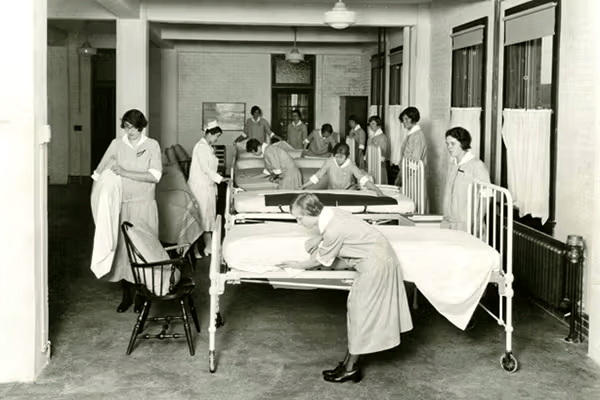
The university added the Loretta C. Ford Education Wing in 2006, creating the academic capacity the school needed at the time while positioning it for continued development. The project did not attempt to predict every future need. It addressed the clearest constraints and created a platform for the next decision.
As enrollment continued to grow after 2016, the School of Nursing again began to exceed its available capacity. Enrollment ultimately rose more than 50%, reaching an all-time high of more than 800 students across nearly 50 undergraduate and graduate programs. The challenge was not simply expanding space, but creating the right environments for contemporary nursing education, expanding experiential learning and extending the value of an existing campus asset.
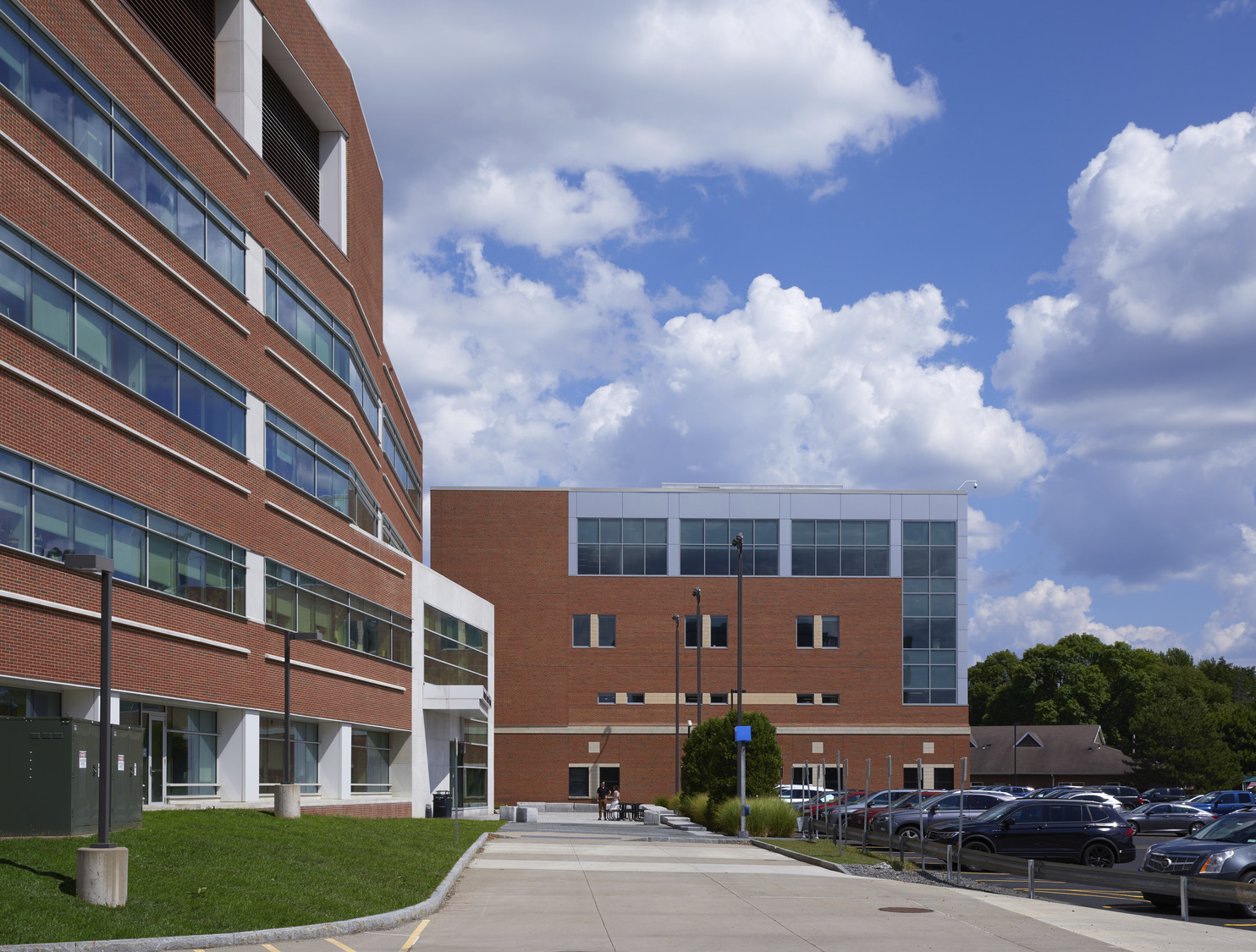
For nursing programs, simulation is not simply an amenity. In its landmark national study, the National Council of State Boards of Nursing found no statistically significant differences in nursing knowledge, clinical competency or NCLEX pass rates when high-quality simulation replaced up to 50% of traditional clinical hours. The finding does not mean that space alone produces stronger outcomes. It demonstrates why simulation capacity, when supported by faculty preparation, resources and program structure, has become core academic infrastructure.
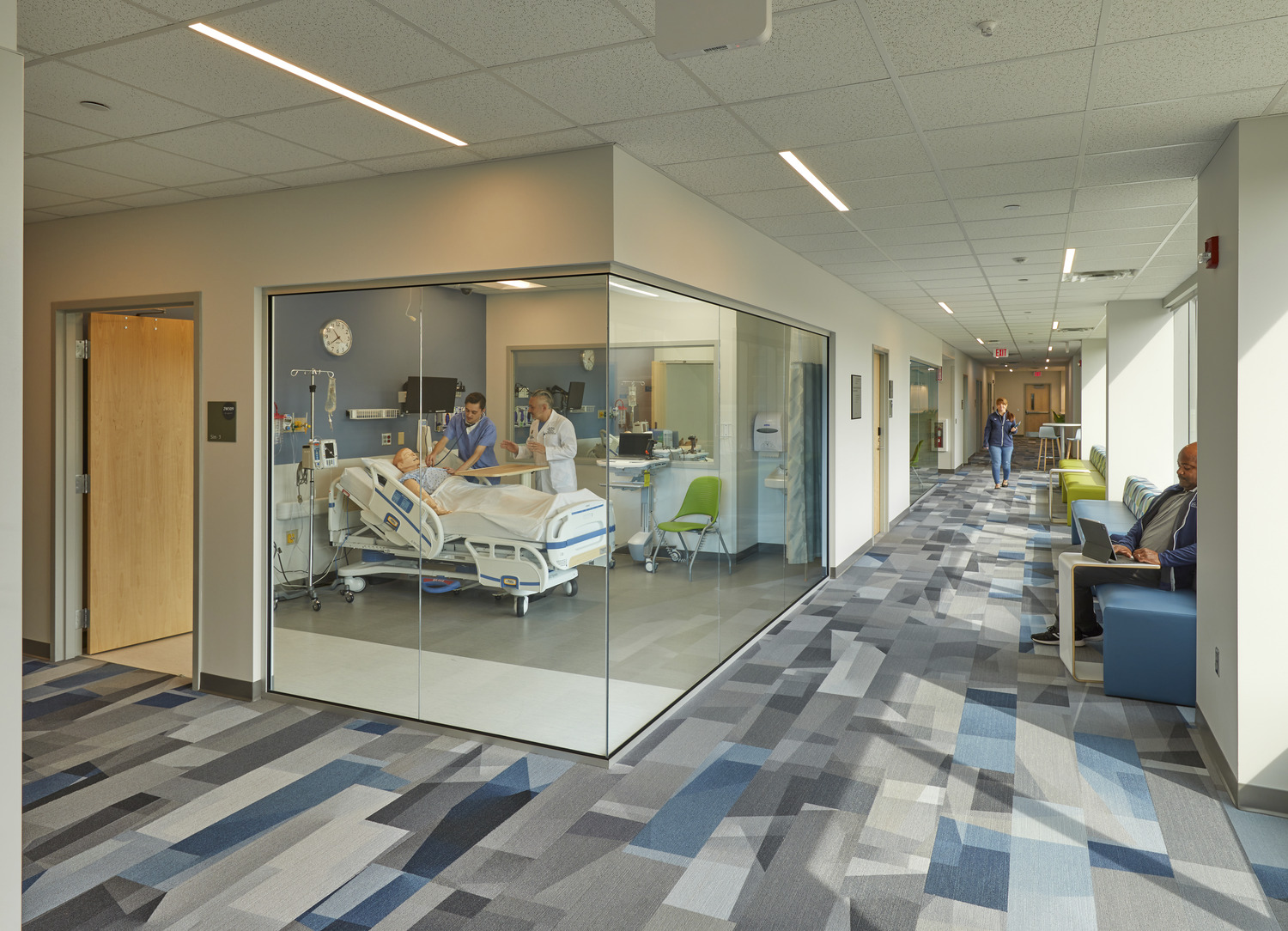
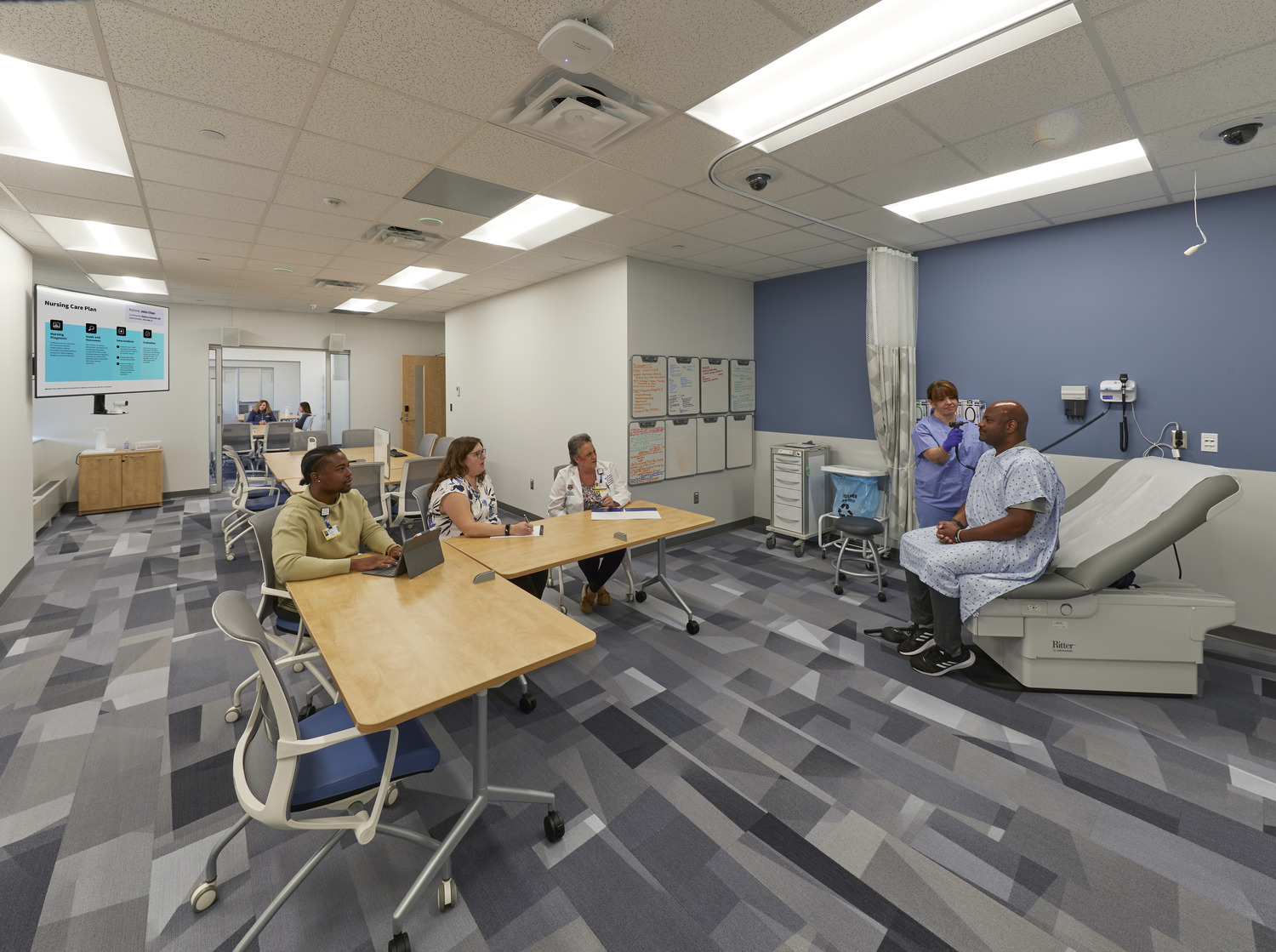
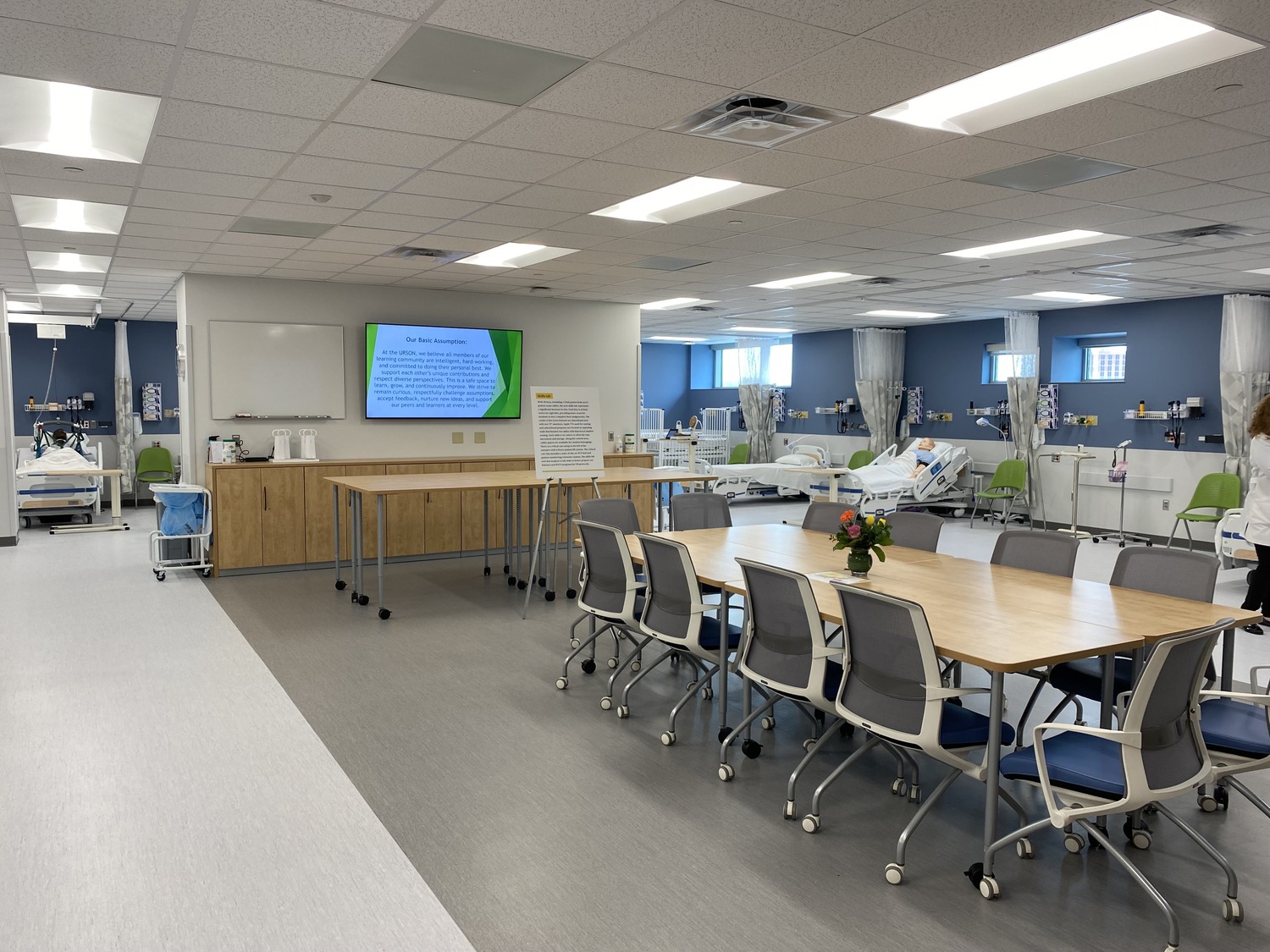
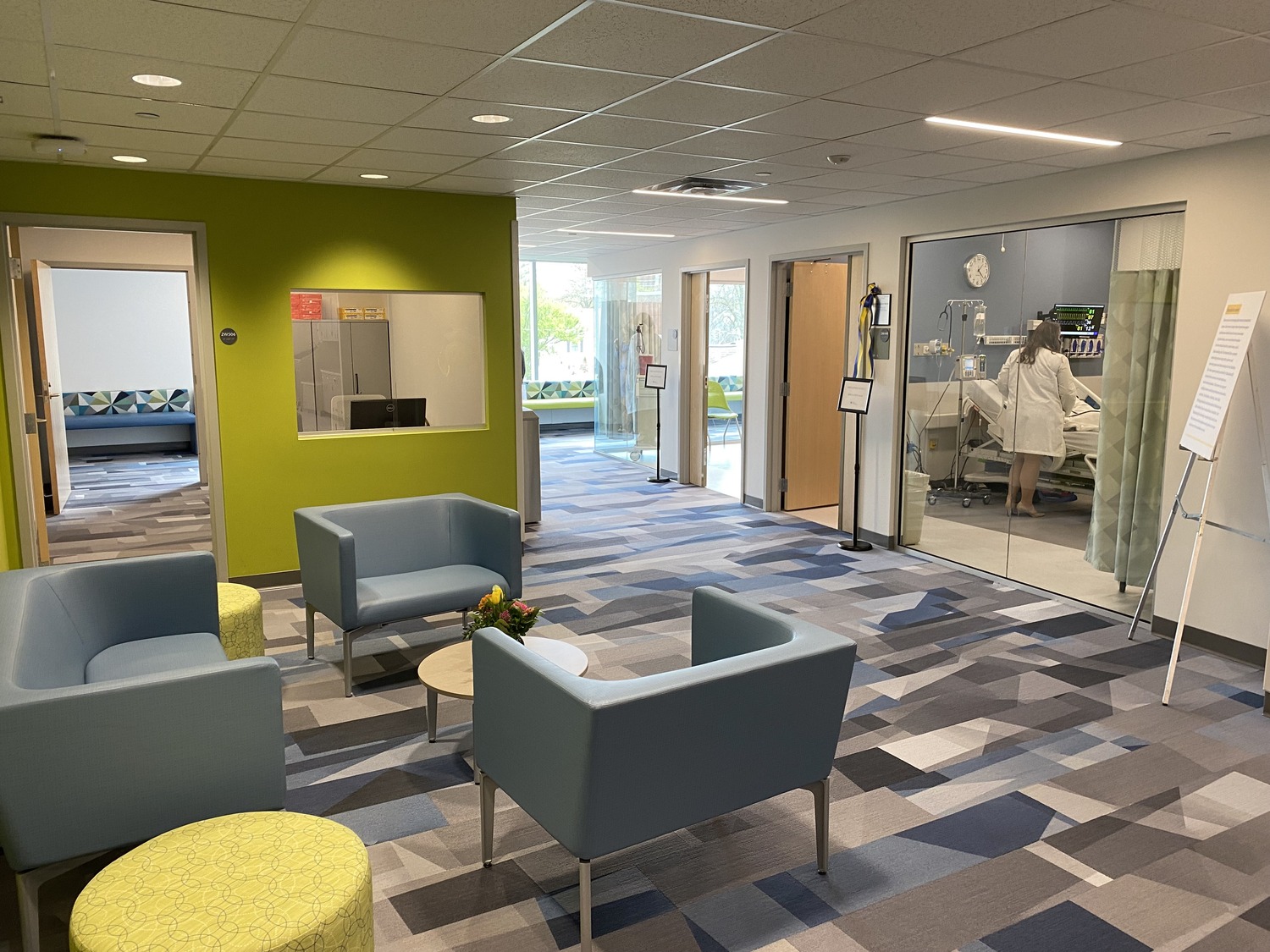
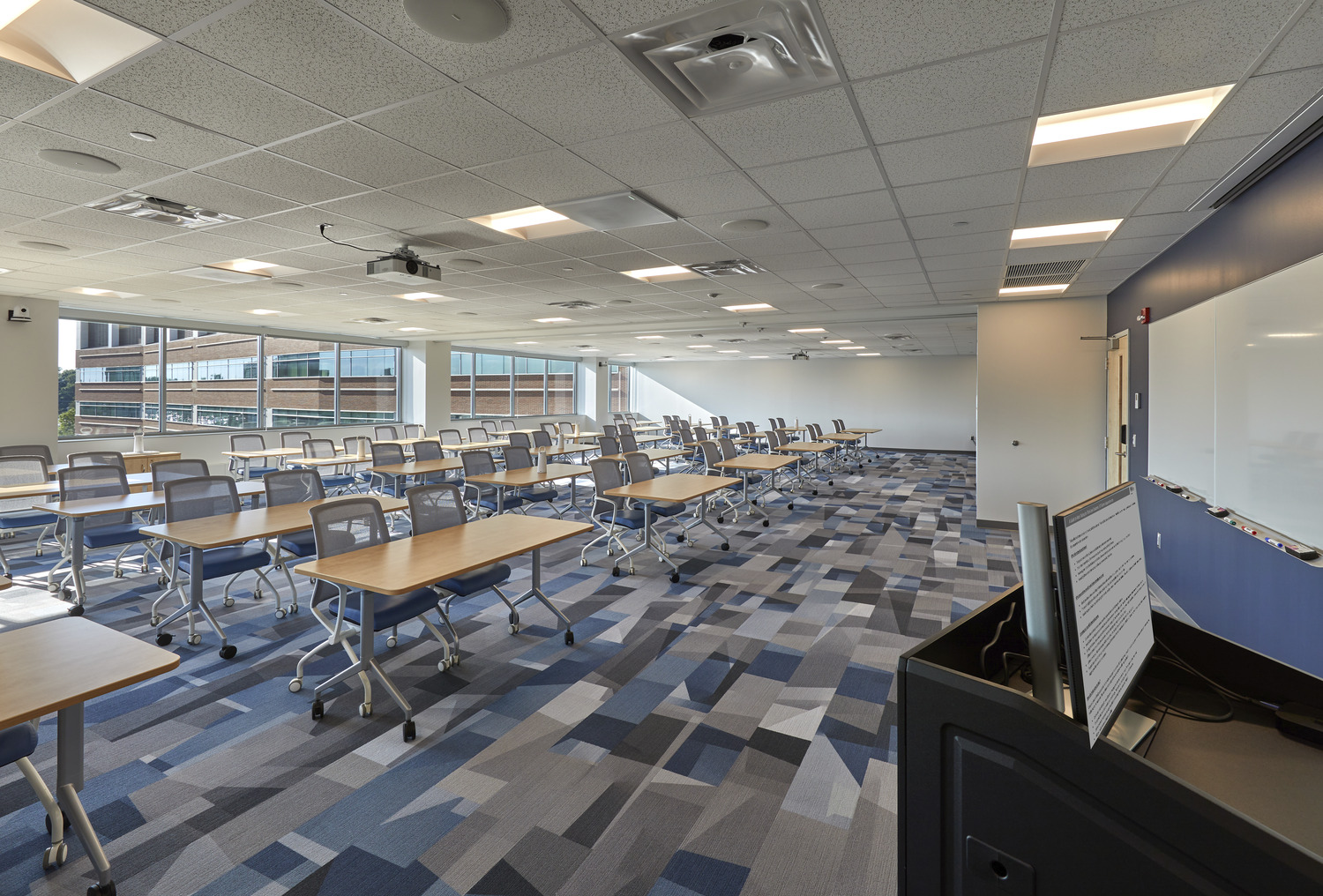
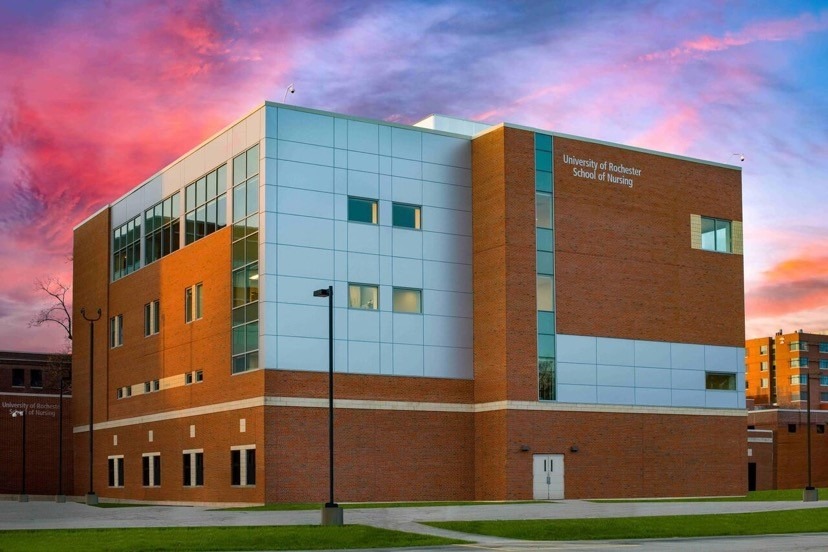
Completed in 2022, a $15 million vertical expansion added three stories and 26,000 square feet above the Ford Wing. Expanding in place allowed URochester to build on its earlier investment while adding the skills, simulation and extended reality environments the program required. The decision increased capacity without separating the new program space from the academic community already established at Helen Wood Hall.
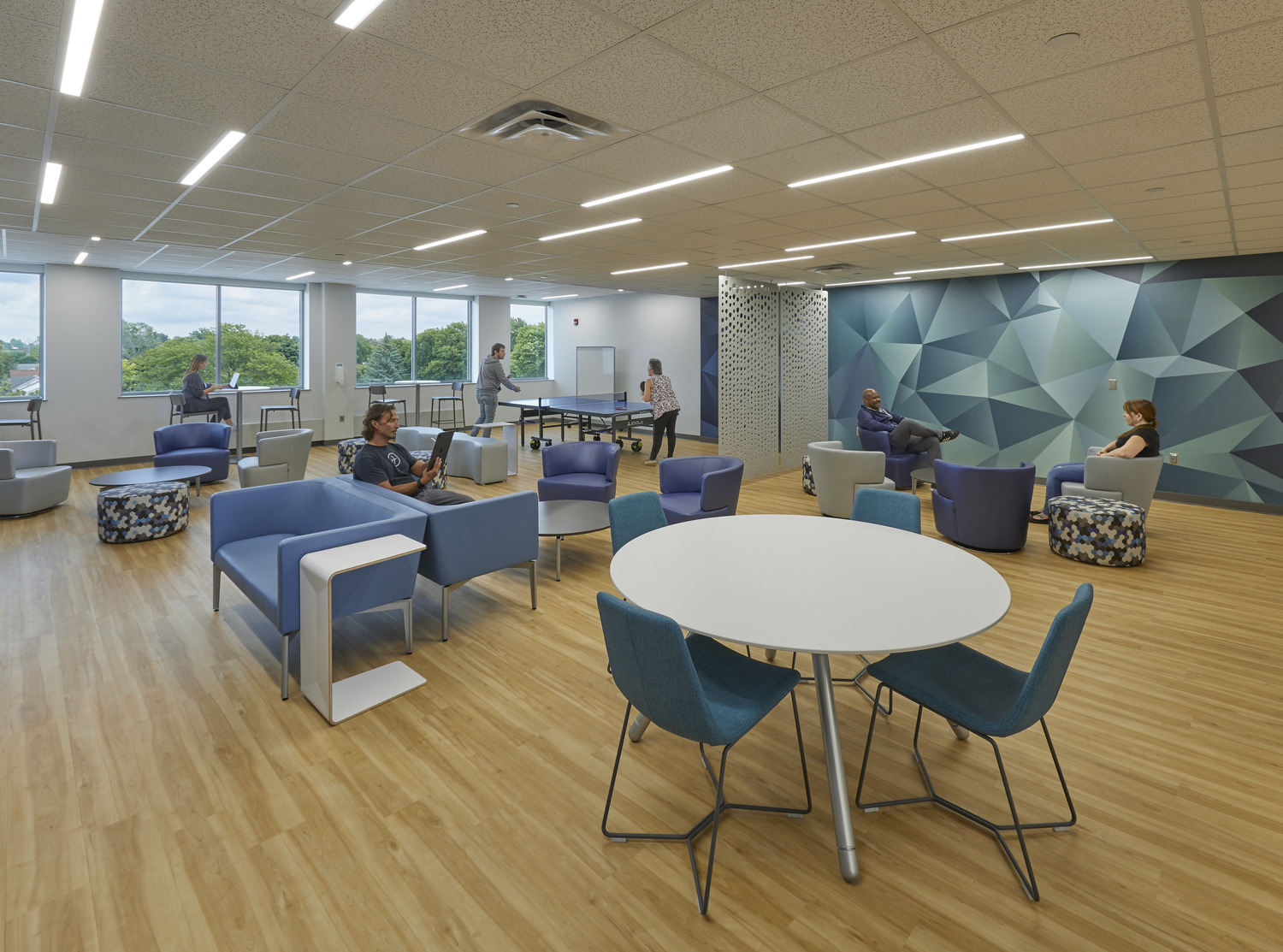
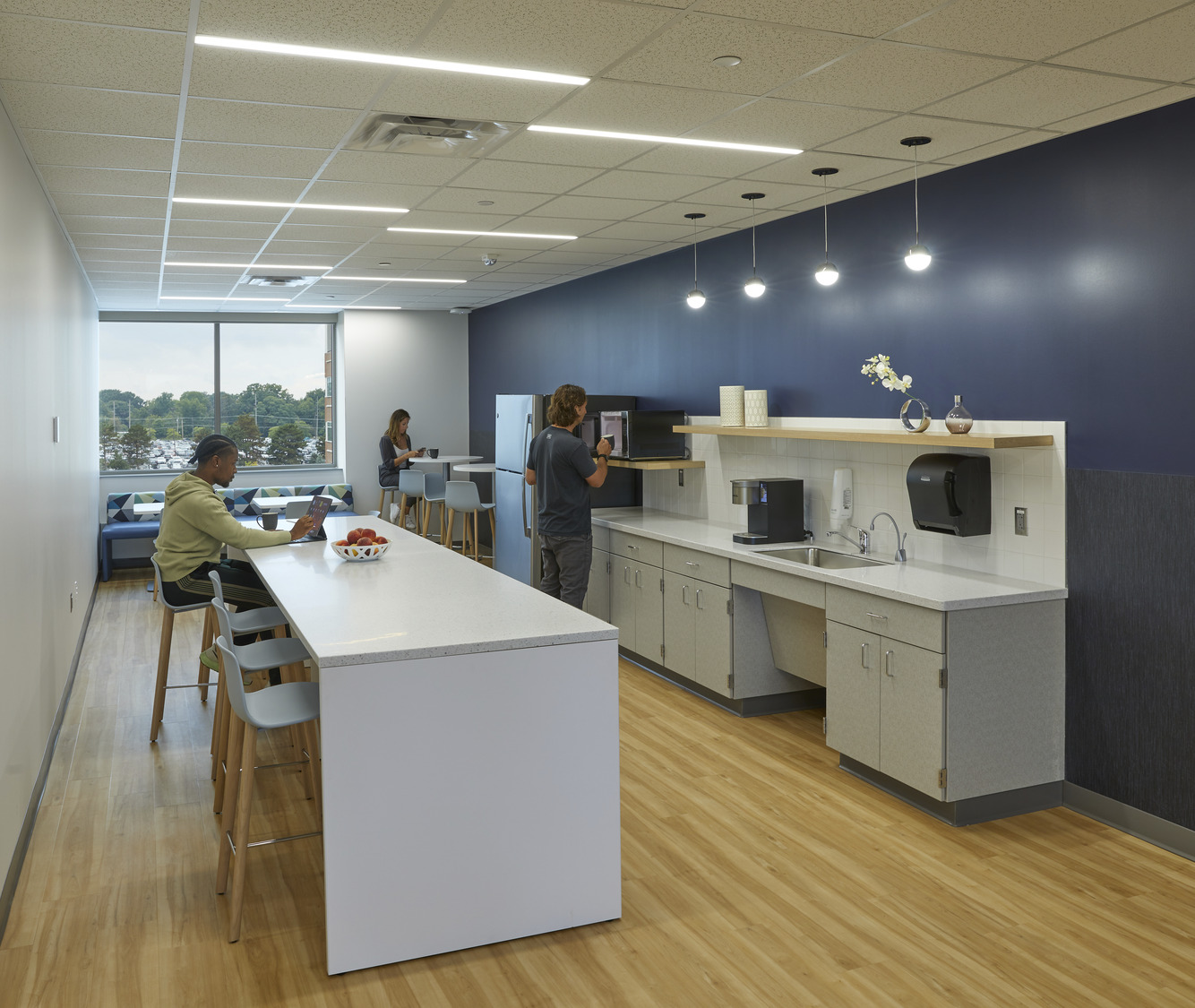
Flexible classrooms, briefing and debriefing rooms and informal learning areas support different class sizes, teaching formats and uses throughout the day. Their value lies less in the inventory than in the options they preserve. Each space responds to a current academic need while allowing the school to adapt as technology, pedagogy and enrollment continue to change.
A Building Is Finished. Institutional Capacity Is Built Over Time.
The value of a capital investment is not defined at the moment a building opens, but in what the institution is able to do with it afterward.
At U. of R., the School of Nursing has paired enrollment growth with strong student outcomes. Its first-time NCLEX pass rate rose from 80.11% in 2022 to 96.92% in 2024. Graduates across its reported master’s and doctoral programs achieved 100% employment within 12 months of graduation, while the Accelerated Bachelor’s in Nursing program maintained a five-year average graduation rate of 95%.
No facility can claim sole responsibility for academic results. Faculty, curriculum, student support, clinical partnerships and institutional leadership remain decisive, but the physical environment still plays an important supporting role. At Helen Wood Hall, that environment now operates at the scale and level of sophistication the program requires, reflecting how the university aligned space with a clearly defined academic opportunity and, in doing so, gave the school greater capacity to teach, simulate, collaborate and evolve.
A more meaningful measure is not whether every room is occupied, but how the investment reduced physical constraints on the program’s ambitions while preserving the value of decisions made decades earlier.
Invest with Greater Precision
Few institutions can wait for enrollment to become predictable before addressing aging facilities, constrained programs or limited capital. Uncertainty does not remove the obligation to make decisions; it raises the standard those decisions must meet. The strongest investments respond to demonstrated or strategically important demand, connect physical space to an academic priority and remain useful under more than one plausible future. They are grounded in what the institution needs to accomplish, not in a general assumption that every part of the campus should grow or contract together.
Meeting that standard may lead to new construction, adaptation, reuse, consolidation or a phased response. It may also show that no capital project is needed. The value lies in knowing the difference, directing finite resources where they can create the greatest institutional value and preserving options for what comes next. Enrollment uncertainty should not stop investment. It should make investment more precise.
Plan for What’s Next
Enrollment trends are only one part of the planning equation. Understanding program needs, capacity constraints and long-term priorities can help institutions make more informed decisions about where and how to invest.
Our higher education team works with colleges and universities to align academic goals, campus needs and capital investments. Connect with us to explore a more precise approach to planning for what’s next.
About the Author: Bill Greeley

