
Share This Story
Universities have long played a central role in advancing scientific discovery and translating it into societal benefit. What is changing is the scale, speed, and operational complexity required to move discoveries from bench to real-world application. As demand grows for new therapies, technologies, and innovations that strengthen human health and regional economies, higher‑ed institutions have a remarkable opportunity and responsibility to lead the charge.
Translational research (TR) environments are purpose-built ecosystems that intentionally connect discovery science, pre-clinical validation, and applied development within a single operational framework.
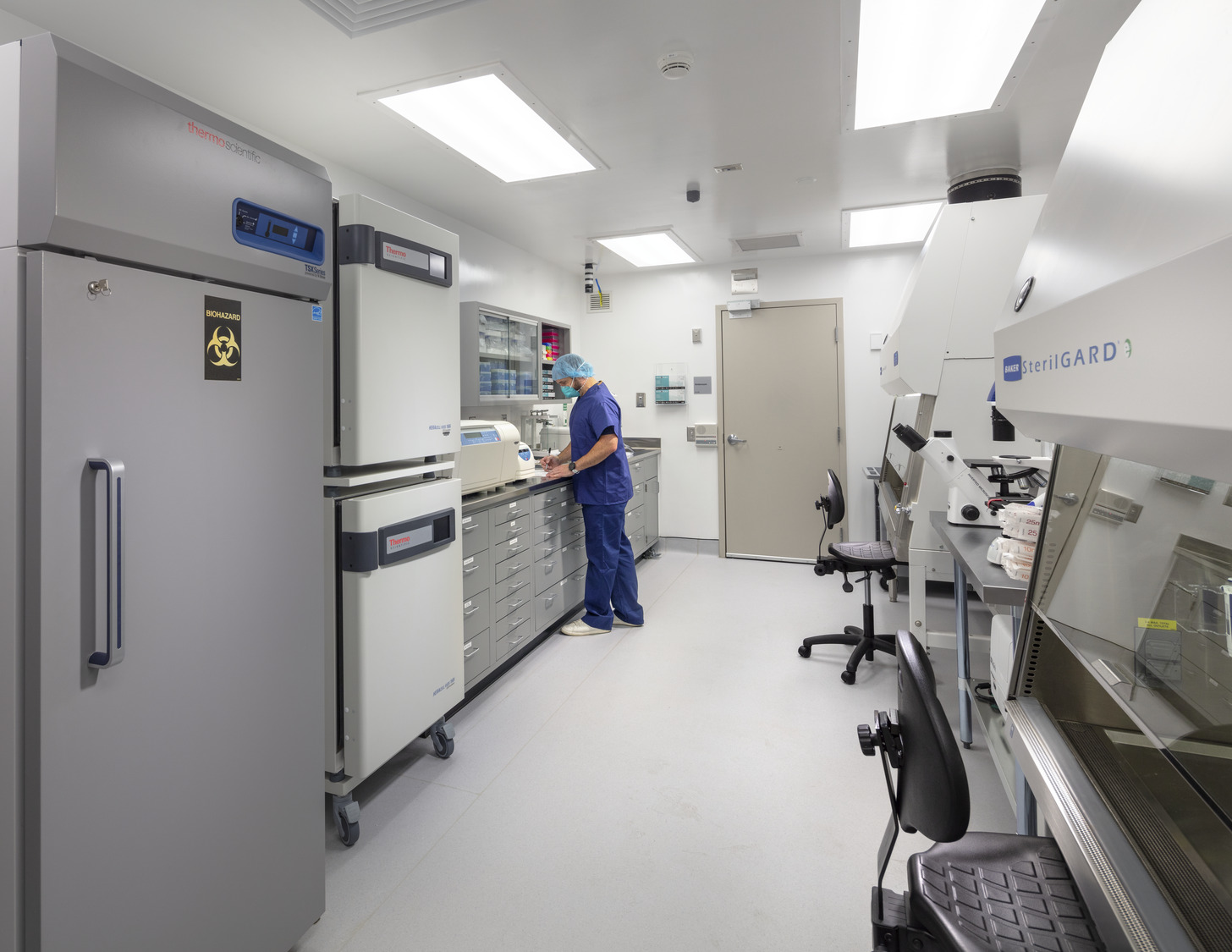
These environments are far more than laboratories. True translational research facilities integrate scientific rigor with operational precision, operating as dynamic ecosystems designed for agility, safety, and collaboration. They support a broad spectrum of programs ranging from advanced imaging and vivarium operations to bioengineering, data science, and regulatory-driven research workflows, while fostering partnerships with industry, government, and clinical stakeholders.
When universities invest in these high‑performance environments, they position themselves to compete for complex, multi-year funding mechanisms, attract top-tier research talent, expand their innovation capacity, and fuel sustained regional economic growth.
Why Translational Research Matters Now
Competitive research funding increasingly flows to institutions that demonstrate translational readiness—the ability to execute the full research pipeline with consistency, compliance and minimal operational risk. Sponsors evaluate not only scientific teams, but the institutional infrastructure that protects study integrity, including environmental control, program segregation, biosafety, and operational redundancy.
Effective translational facilities account for highly specialized requirements, including multi-layered security, biocontainment strategies, animal quarantine and transfer protocols, feed and bedding operations, enrichment and caging typologies, radioactive material handling, clinical prep and procedure suites, post-procedure recovery, and biohazardous waste management. Even small fluctuations in temperature, humidity, or air exchanges can jeopardize studies tied to multimillion‑dollar grants.
Facilities designed with robust primary building systems supported by redundant Building Automation Systems (BAS), resilient power infrastructure, and continuous monitoring give institutions a measurable advantage by ensuring continuity and safeguarding research investments.
Designing for a Complete Research Pipeline
Before a translational facility can accelerate discoveries, it must be intentionally shaped around how research actually occurs, not idealized workflows. Designing for a complete research pipeline means creating environments that remove friction, strengthen reliability, support ethical research practices, and unlock the full power of data.
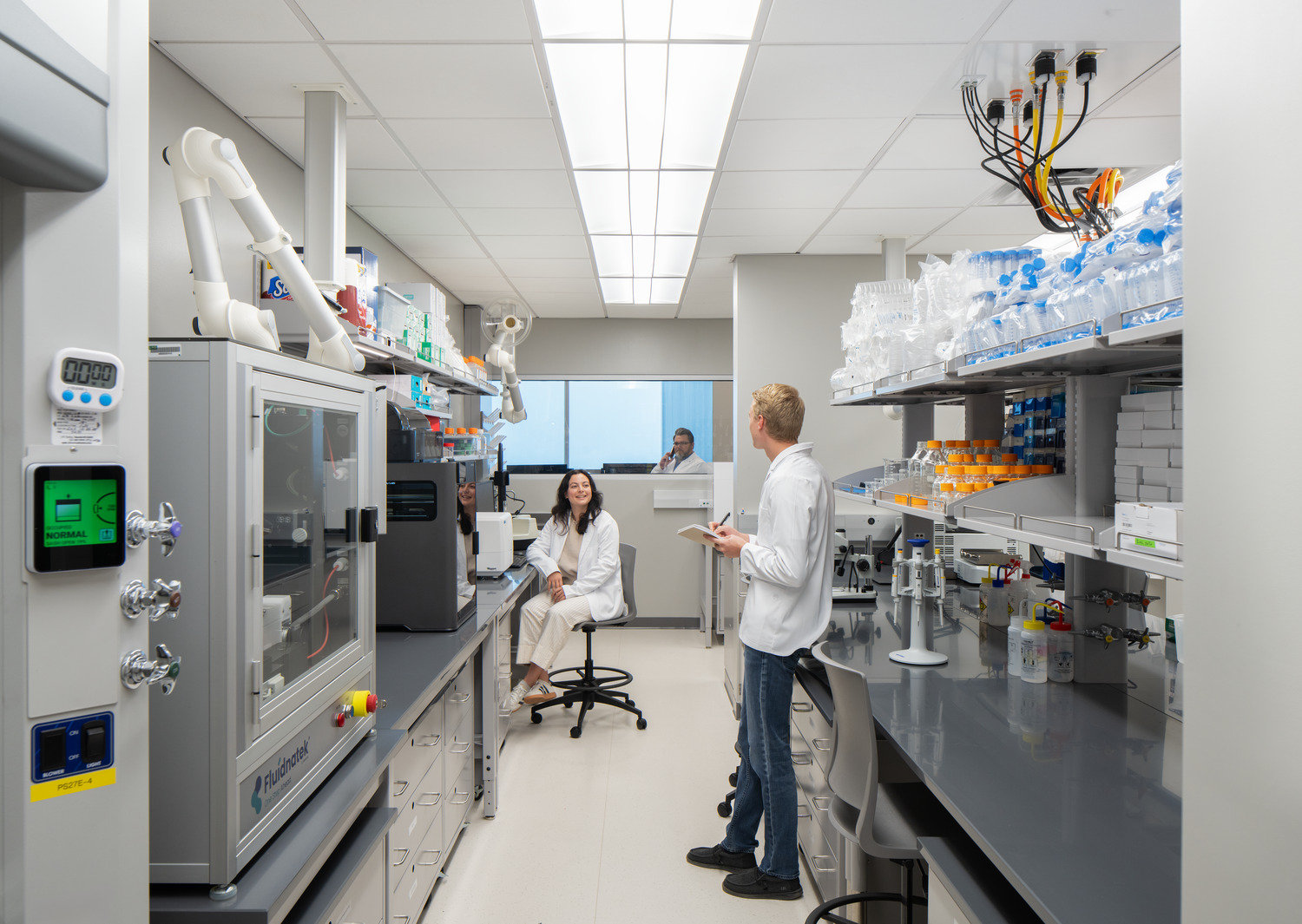
Research Pipelines Shape the Building – A successful translational environment begins with a precise understanding of the research journeys it must support. As planners and designers who specialize in translational science environments, we consistently see performance gains when facilities are organized around defined research pathways rather than generic lab typologies. Strategic clustering of imaging, procedures, analysis, and support spaces reduces transport risk, shortens cycle times, and maximizes equipment utilization.
Resilience Protects Research Integrity – Environmental stability is foundational to translational work. Facilities must therefore be engineered with layered resilience, including tightly controlled temperature and humidity , validated air change strategies, secure environmental monitoring, and redundant systems that maintain performance through outages or maintenance events. This level of reliability is increasingly expected by sponsors and regulatory bodies, and directly impacts institutional credibility.
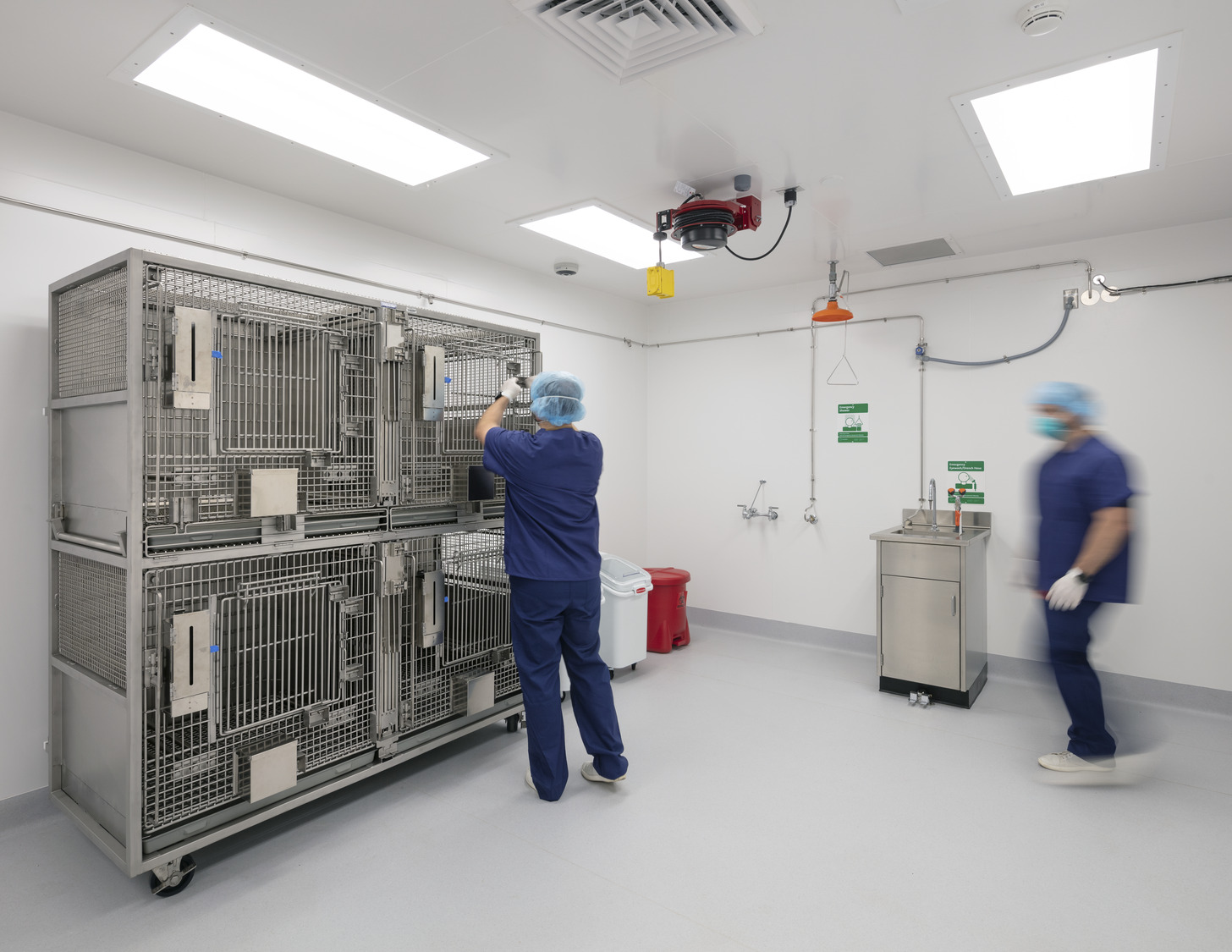
Ethical and Secure Animal‑Care Environments – Pre‑clinical research demands a sophisticated balance of animal welfare, staff safety, and scientific control. Designing these environments requires deep familiarity with species-specific behaviors, regulatory standards, and operational logistics. Thoughtfully planned caging systems, enrichment strategies , and material flows support both ethical research outcomes and reproducibility.

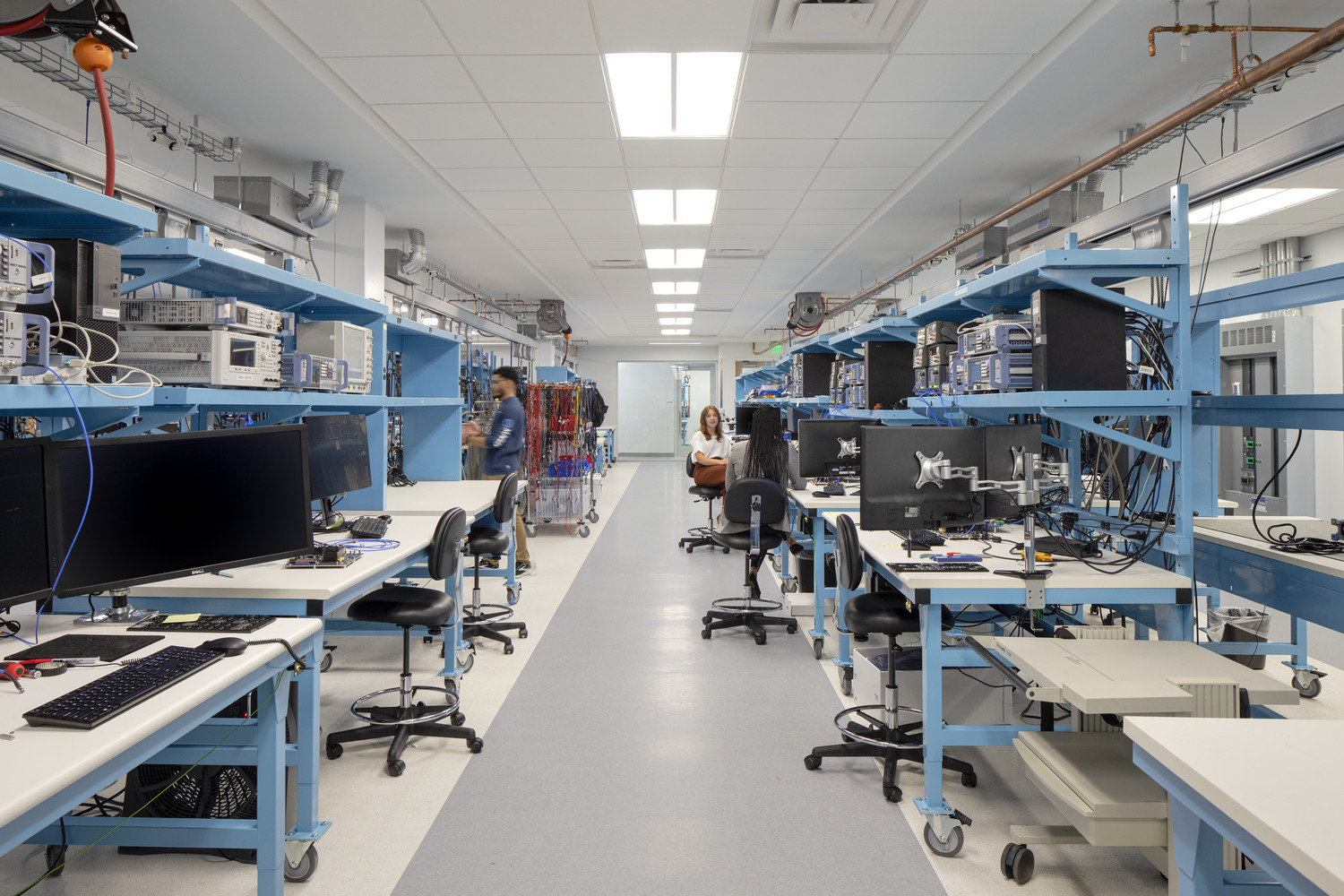
Computation as a Core Utility – As data‑intensive research reshapes translational science, computation must be treated as foundational infrastructure. Our experience shows that facilities that plan early for data density, AI workflows, and remote collaboration are better positioned to scale research programs and integrate external partners.
Case Study: PRIMIR — A Fully Integrated Translational Campus
PRIMIR serves as one example of how a fully integrated translational research ecosystem can be realized when long-term scientific goals, operational requirements, and facility design are aligned from the outset. Located on a secure 200‑acre campus, the environment supports over 600 primates and other large-animal programs, enabling complete pre‑clinical workflows to occur within a single, controlled setting.
Projects of this magnitude require specialized expertise in regulatory compliance, phased equipment integration, security zoning, and environmental control. This experience directly informs how future translational environments should be planned.
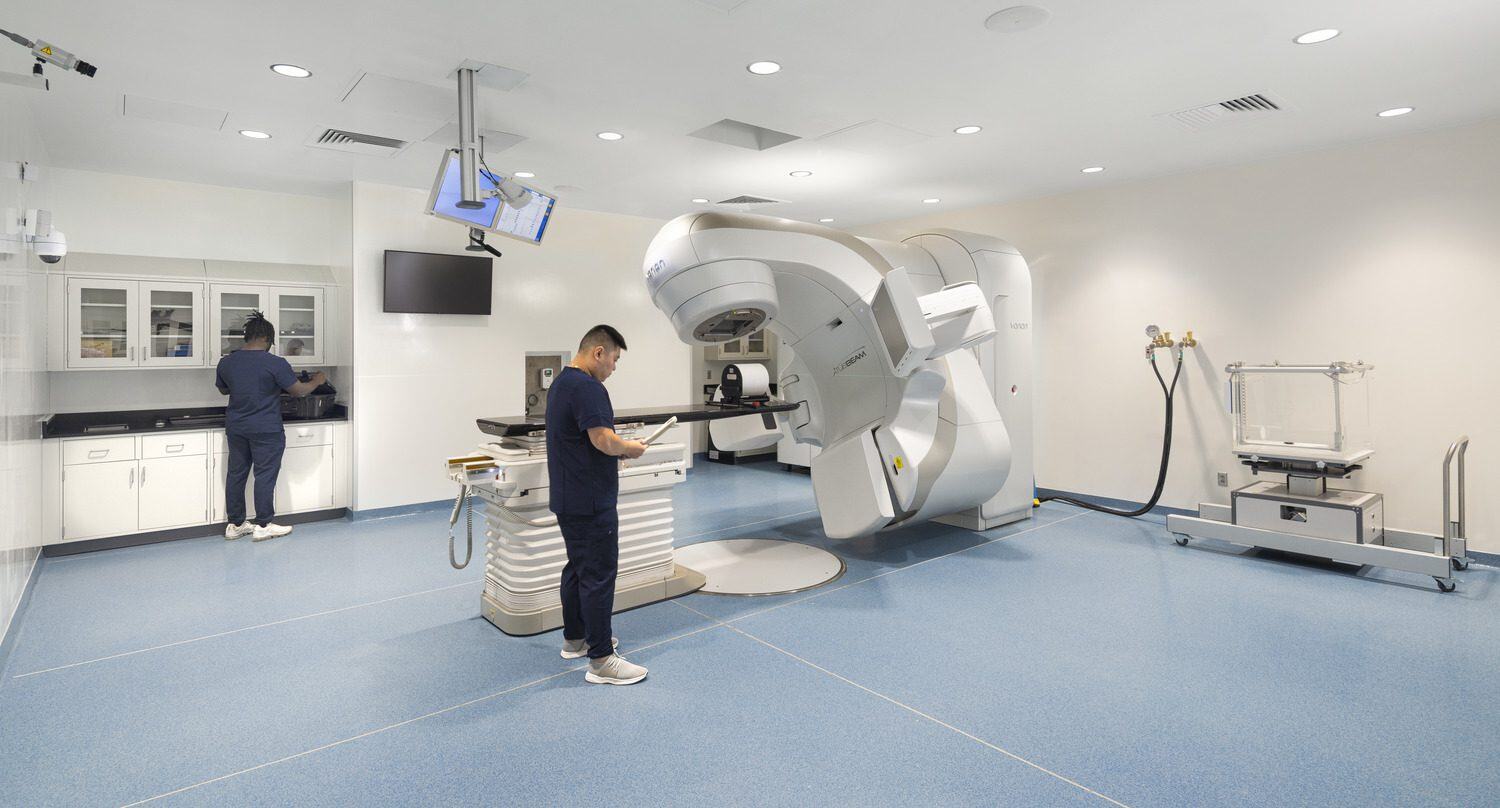
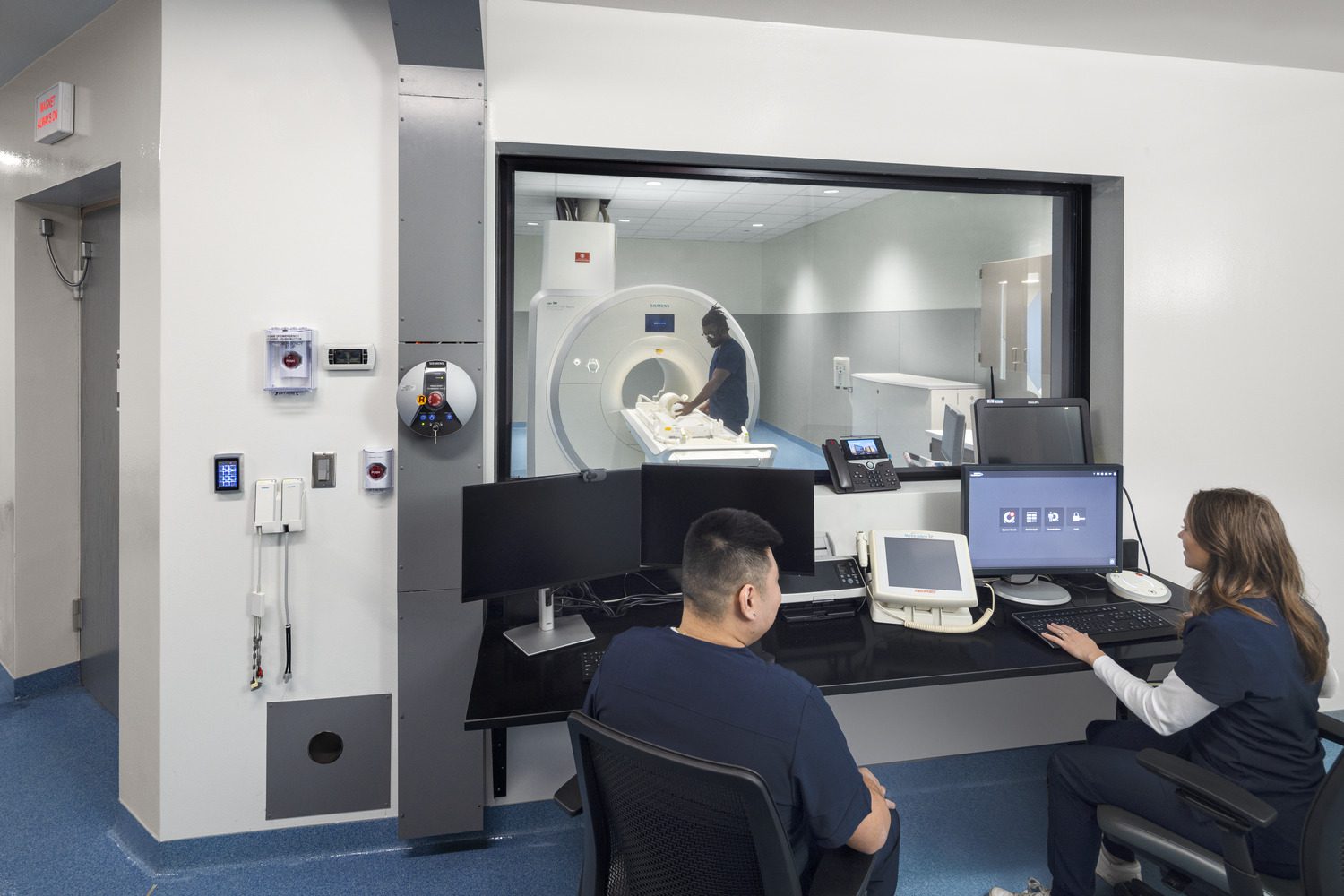
The facility brings together advanced imaging suites, high‑containment research environments, specialized animal‑care programs, and robust computational infrastructure to support multiple simultaneous studies. By consolidating these capabilities, PRIMIR allows researchers to prepare, image, analyze, and monitor subjects without the delays, risks, or stress associated with transporting animals offsite, resulting in a more streamlined process that benefits both scientific outcomes and the well‑being of the research community.

Setting the Foundation for Long‑Term Success
Advancing a translational research facility begins with clarity around three fundamental commitments: the research journeys your institution must support, the partners that must be integrated from day one, and the resilience and computational capacity required to sustain high‑performance science.
Institutions that engage experienced translational research planners early are better equipped to make informed design decisions that protect funding, accelerate discovery, and build durable research platforms. When planned with intention, translational facilities become long‑term strategic assets—elevating institutional distinction and reinforcing trust across the research ecosystem.
Plan for What’s Next in Research
Translational science is advancing quickly, and institutions are being asked to support more complex research with greater speed and accountability. The decisions made today will shape funding competitiveness, talent attraction, and long-term research performance.
Our team works alongside colleges and universities to align research goals with high-performing environments that support the full pipeline. Connect with us to start shaping a strategy that supports what’s ahead.
About the Author: Eric Leibenguth

