
Share This Story
Shrinking demographics, rising costs and fierce competition are forcing colleges and universities to rethink what drives enrollment. Today, student life has emerged as a powerful tool for both recruitment and retention. Nationally, only 76% of first-year students continue into their second year (National Student Clearinghouse, 2023), meaning nearly one in four leaves before earning a degree—a costly setback to both mission and revenue.
Research shows that a sense of belonging, engagement and overall wellbeing are stronger predictors of persistence than academic performance alone (Tinto, 2016; Strayhorn, 2019). Wellness initiatives, flexible housing and inclusive campus communities are no longer “nice-to-have” amenities; they are essential pillars of enrollment strategy.
First Impressions that Shape Decisions
Colleges and universities that intentionally marry student life investments in dining, residence halls and recreation with capital planning see measurable gains, while those that neglect this link risk losing their competitive edge.
Admissions offices form the earliest perceptions of an institution. To this end, many campuses are transforming their welcome centers into student-focused spaces that reflect authenticity, leverage technology and highlight their overall goals. Additionally, by integrating one-stop student service centers into these renovations, administrators can signal a commitment not only to attracting prospects, but supporting their long-term, holistic growth and success.
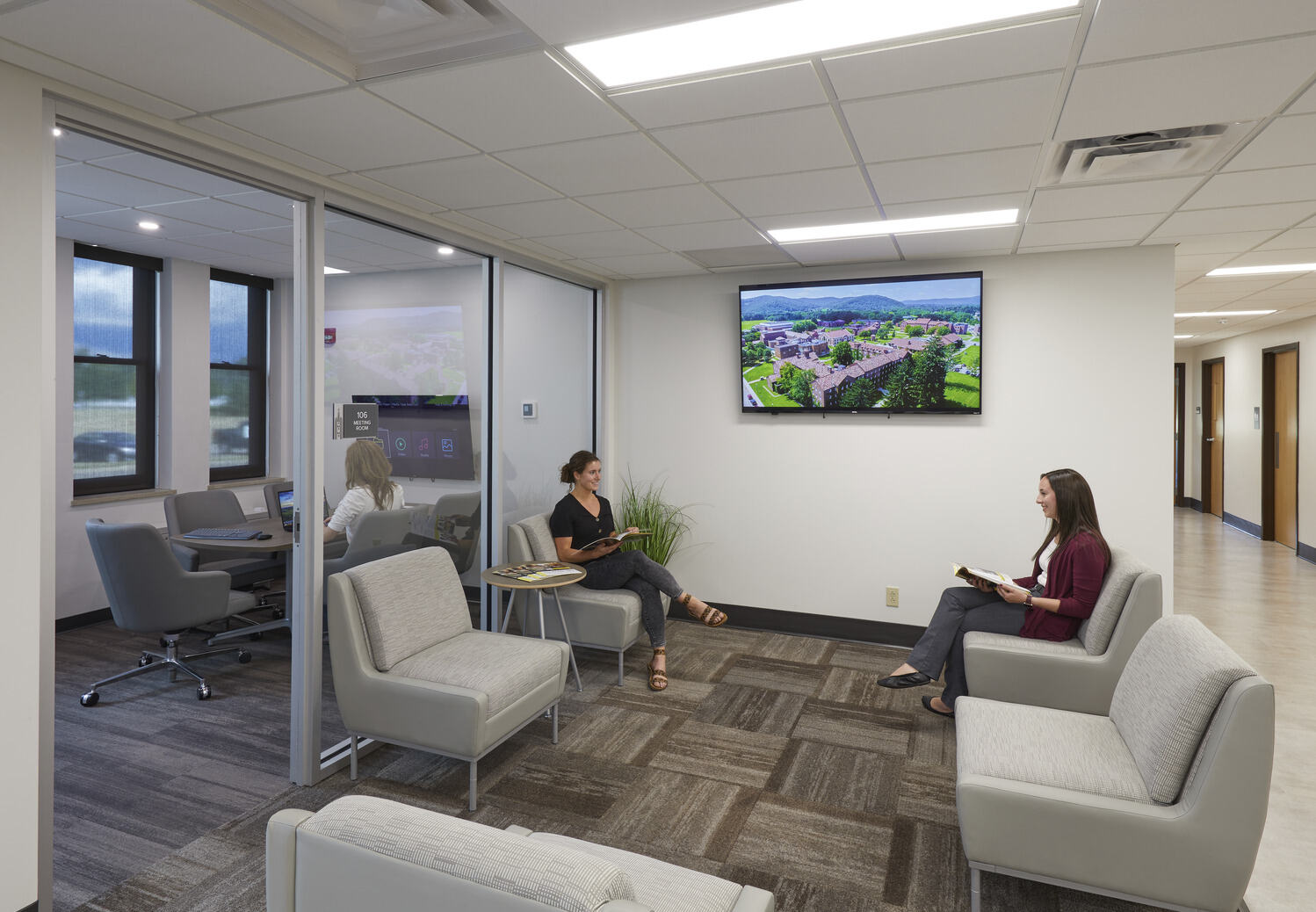
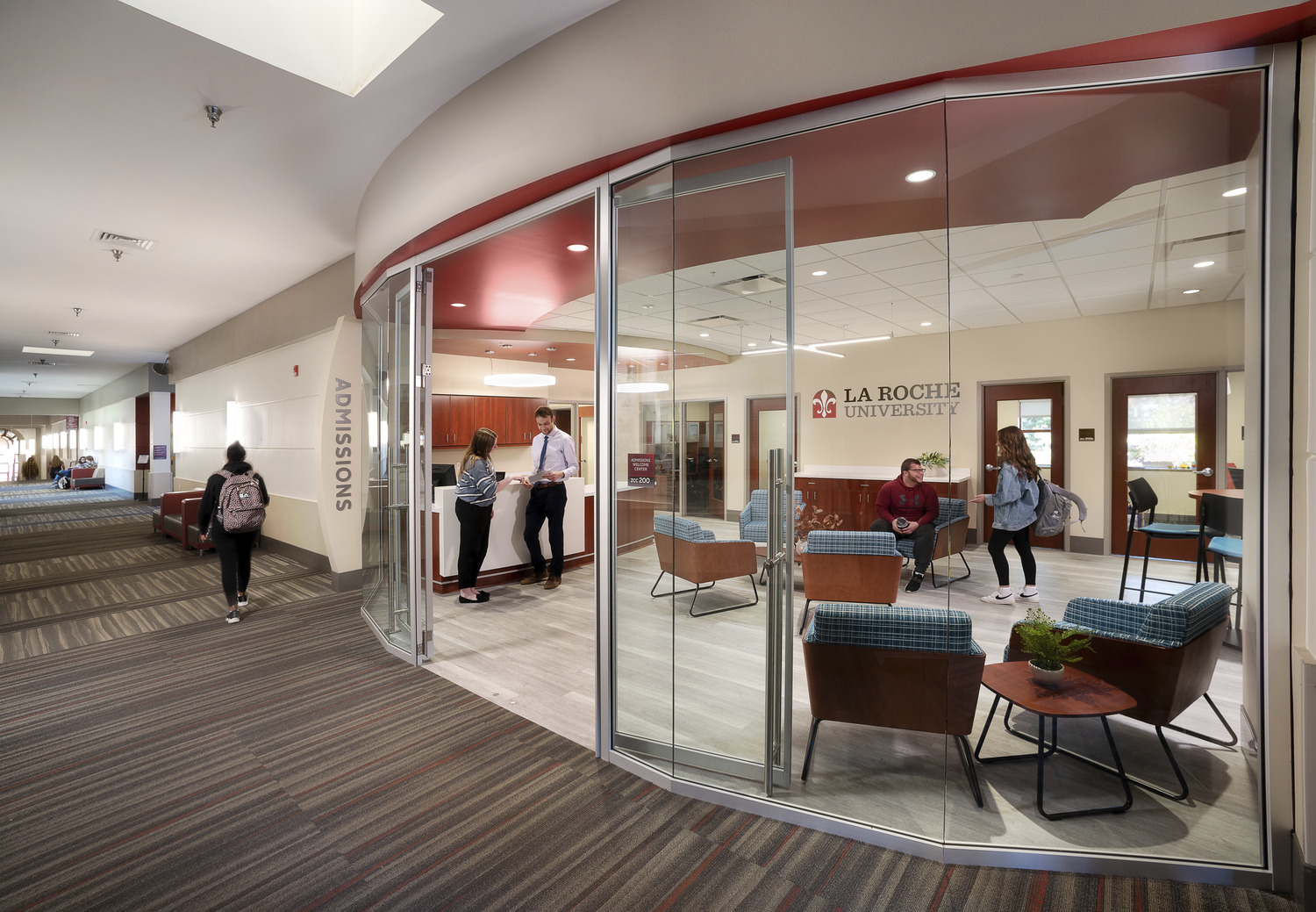
Left: St. Bonaventure University’s admissions suite features bright consultation rooms and reception, leading directly to the One Stop Student Services center for seamless support throughout the student journey. Right: La Roche University’s admissions boasts glass walls and contemporary finishes, creating an open gateway that projects a high quality of life to prospective students and families from the moment they arrive.
Student Housing as Community
Suite-style layouts, lively social hubs, dedicated study spaces and access to outdoor amenities promote privacy and interaction alike. Research shows that students living on campus are up to 12% more likely to stay with their college than commuters (ACE, 2021), and many institutions are piloting wellness policies to achieve these figures, reduce stress and bolster support (EAB, 2025).
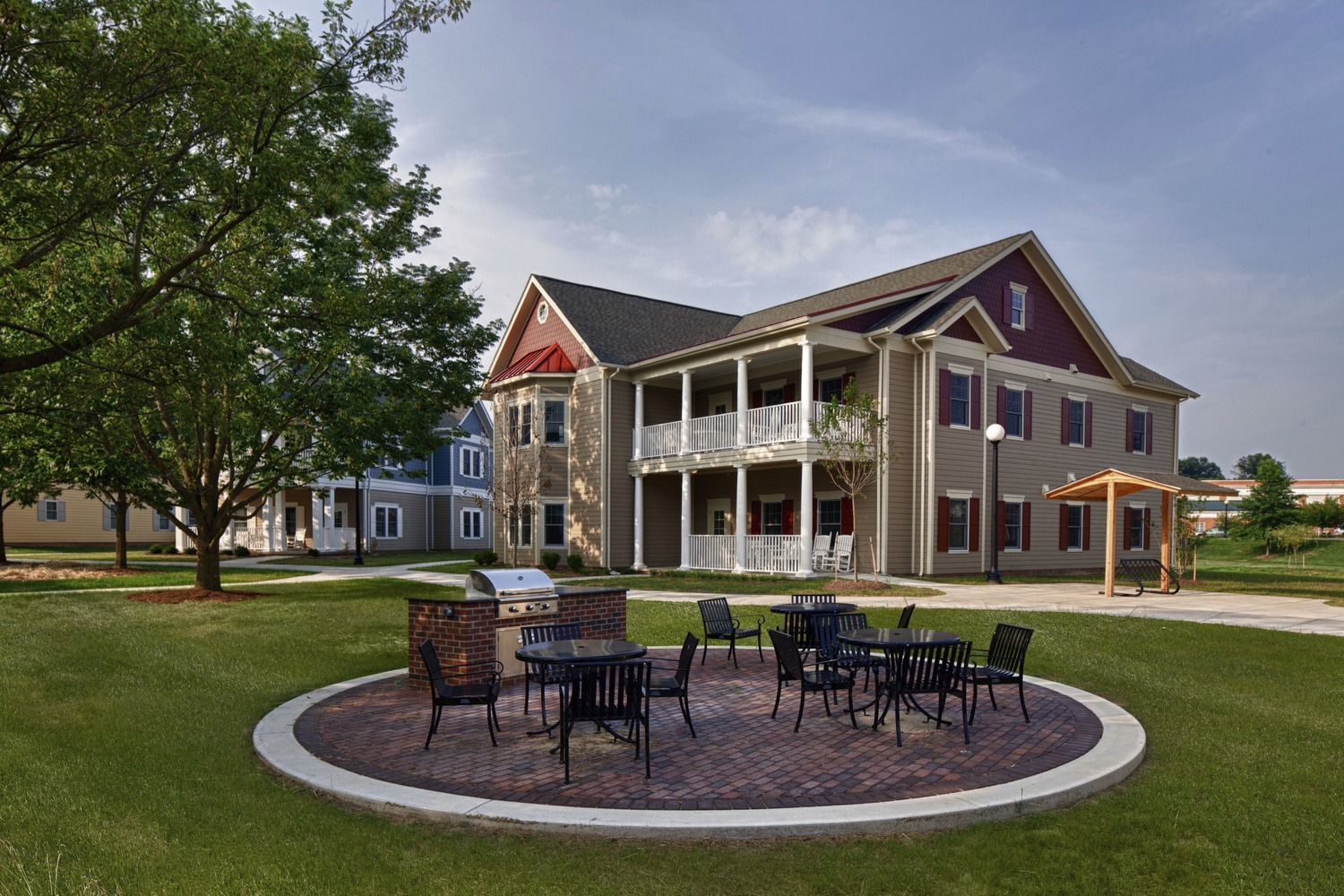
Bridgewater College’s Stone Village Apartments include outdoor patios, grills and group seating spaces that extend living areas beyond the walls, nurturing relaxation and everyday hangouts.
Student Commons as Hubs for Connection
Student commons serve as the heart of campus life—combining academic support, social spaces and versatile collaboration areas where people naturally gather. For prospects, they highlight an emphasis on the student experience. For those enrolled, they represent daily mentorship and camaraderie; key drivers of persistence and graduation (NSSE, 2022).

The University of Rochester’s (U of R) Gleason Library Student Commons demonstrates how open, malleable environments encourage learning and co-creation. Writable walls, varied seating and clear sightlines invite visitors to work together, brainstorm or focus individually.
Dining as a Community Hub
Campus dining halls have evolved from simply providing meals to becoming community hubs. Often, they uphold choice—with communal tables, cozy booths, high-tops and quiet nooks—so students can gather, study or recharge in ways that best suit their unique preferences. In this vein, research shows that students who share meals with peers report higher engagement (NSSE, 2022). Guided by feedback, many campuses are also expanding food options to include healthier, more inclusive alternatives for those with gluten intolerance and other dietary needs.
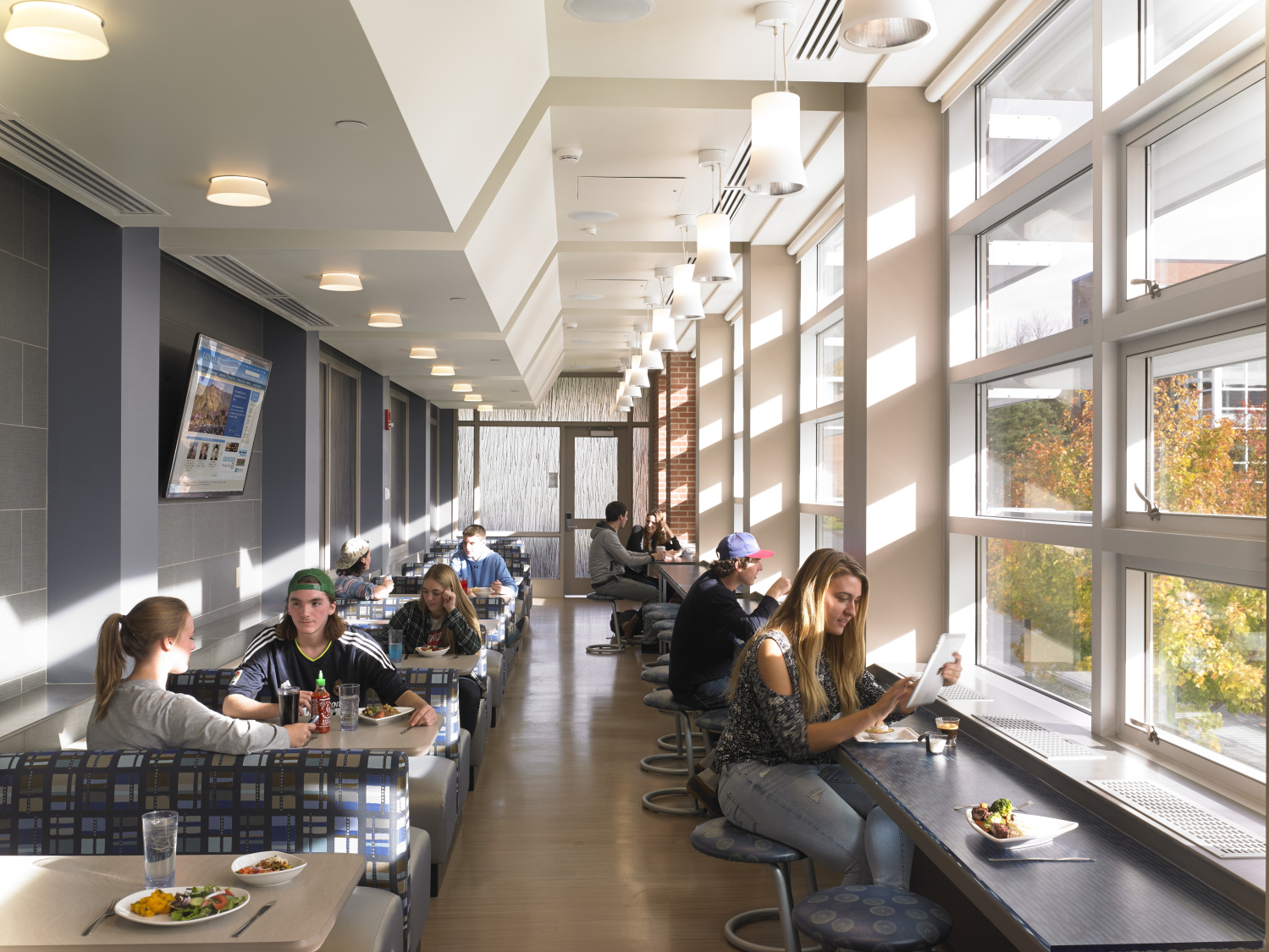
SUNY Geneseo’s Letchworth Dining Hall includes a myriad of booths, counter seating along expansive windows and open tables to give students a true place of choice. Natural light and finishes add warmth, while the layout reinforces the idea that dining is not just about food, but about creating daily gathering rituals.
Recreation that Builds Belonging
According to NASPA (2022), students who participate in recreation and wellness programs are 2.5x more likely to report a robust sense of belonging. Expansive fitness areas and integrated wellness suites welcome athletes, non-athletes and alumni alike.
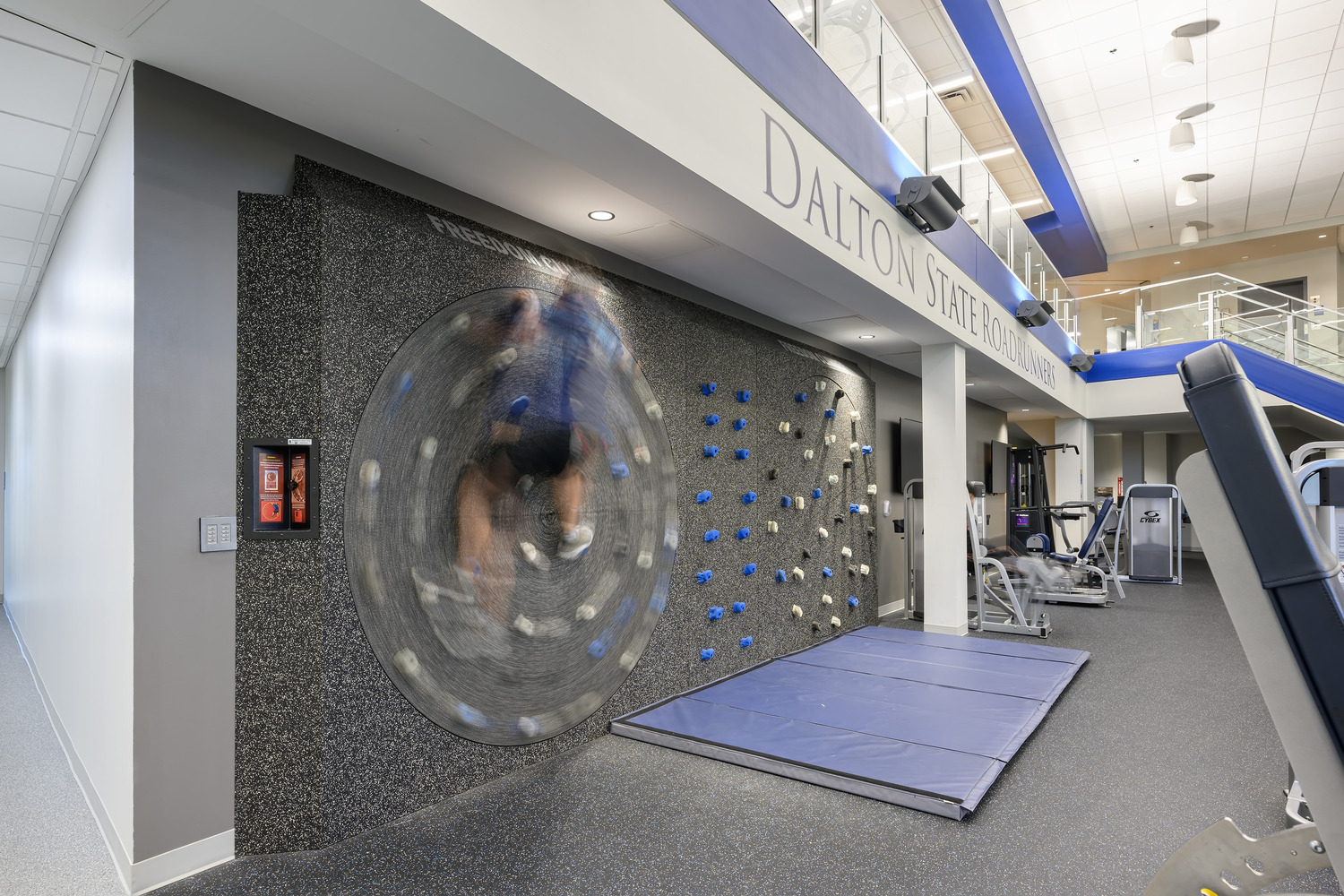
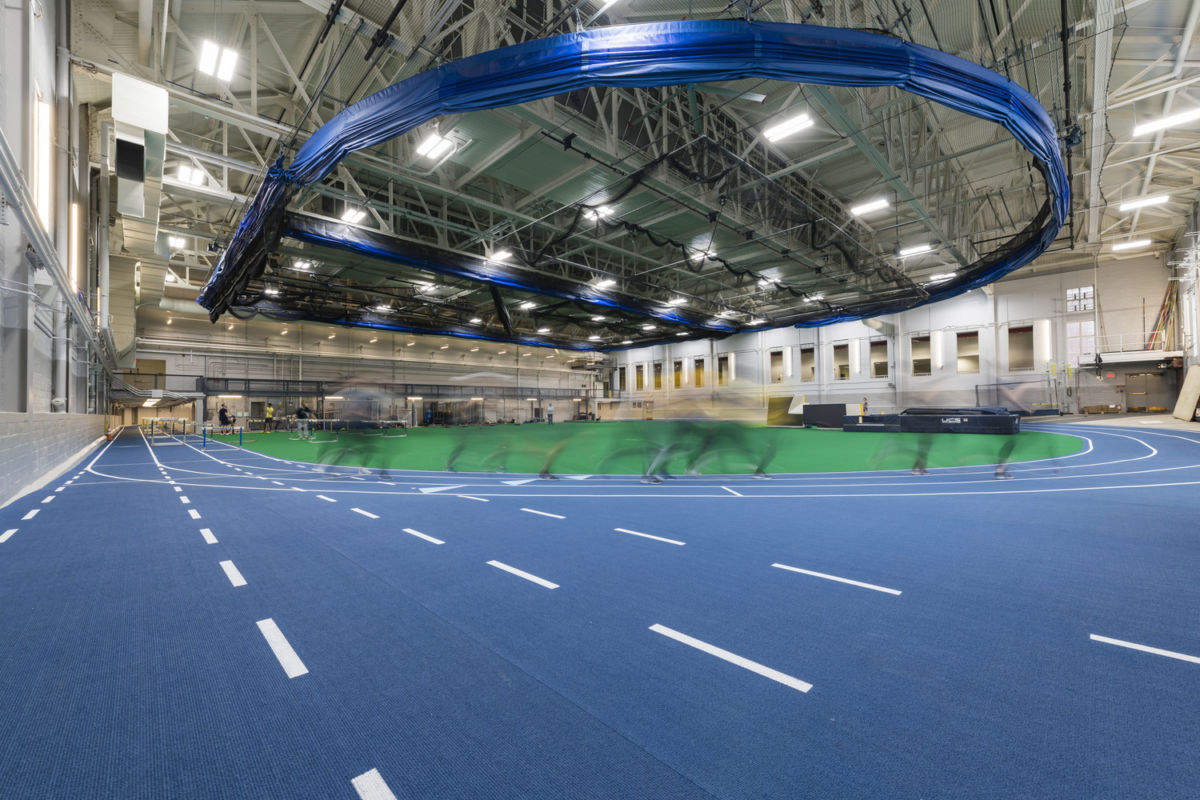
Left: Dalton State College’s Bandy Gym is a renovated athletic space with updated fitness equipment, climbing walls and open sightlines, designed to attract new students while boosting wellness and school pride. Right: U of R’s Indoor Recreation Center is a reimagined facility with a multi-lane track, turf infield and dedicated training zones, serving varsity athletes, club teams and everyday recreation.
The Case for Student Life as an Investment
Each student who persists preserves thousands in tuition. Those immersed in student life report nearly double the satisfaction of peers (NSSE, 2022).
Walkable campuses with a variety of student- spaces report up to 4.8% higher freshman retention (Chronicle of Higher Ed, 2020).
Spaces alone do not ensure graduation. Cohort-based initiatives can lift retention by 9%, while targeted coaching for at-risk populations has produced gains of 20% (Tinto, 2016).
Our Steps to Align Planning with Student Life
- Assess Current Gaps with Data: Begin with residence life studies, facility assessments and student experience audits to pinpoint the housing, dining and recreation gaps that most affect retention.
- Engage Stakeholders in Design Workshops: Through workshops with students, faculty and alumni, we ensure each project reflects lived experience and fosters belonging.
- Prioritize High-Impact Projects: We prioritize investments—such as admissions centers, dining hubs and wellness spaces—that immediately enhance recruitment and campus life.
- Phase for Success: We structure implementation to limit disruption and align with funding cycles, using clear visuals and cost models to build support.
The Broader Lesson
Student life is no longer a backdrop; it’s a vital enrollment driver. Colleges and universities that embrace this reality are positioned to thrive, even as the demographic cliff looms. For presidents, CFOs and facilities leaders, the choice is clear: standing still carries risk, while investment in student life builds opportunity.
Ready to Elevate Student Life on Your Campus?
CPL partners with higher-education leaders to align capital planning with student success, designing spaces that deliver measurable returns in enrollment, dedication, and belonging.
About the Author: Bill Greeley

