
Share This Story
Staffing hurdles dominate healthcare headlines, but another challenge is equally as pressing: the built environment. For decades, hospitals and clinics have rightly prioritized patient-centered design. Yet in doing so, staff needs have been overlooked. The result is a workforce asked to perform at its best in environments that chip away at their wellbeing and performance.
The Pressures Fueling Burnout
Compassion fatigue isn’t new, but its scale today is unprecedented. Nearly half of U.S. health workers reported frequent burnout in 2022—up from a third in 2018—with rates spiking during the COVID-19 pandemic.
Furthermore, while nursing vacancies are chronic, the recent physician shortage is alarming. Fewer doctors are entering the profession even as patient volumes rise. Those who stay face mounting administrative burdens: regulatory paperwork, insurance coding and defensive documentation that keep them from the bedside.
Add to that outdated facilities—windowless staff workrooms; inefficient layouts from spaces and uses evolving over time with few amenities—and the problem compounds. This combination of overwork and under-support leaves professionals depleted, undermines safety and threatens the continuity of care for patients.
The solution? Revamping facilities not only as places where patients heal, but as environments that promote respite for those who deliver treatment.
Where Design Makes the Difference
Staff-oriented design choices can help positively reframe retention conversations, and organizations with accommodating workspaces see higher morale and even better patient outcomes. A future-ready framework rests on five pillars:
Human Experience: Control over the environment—adjustable desks, task lighting, temperature settings and acoustic design—helps sustain focus. Poorly planned corridors or charting areas push personal discussions into patient and family areas, eroding privacy. In contrast, soundscaping and designated collaboration zones preserve discretion and foster team camaraderie. These shifts in autonomy translate directly into greater satisfaction.
Beauty & Biophilia: Access to daylight and nature improves circadian health and mood, yet staff areas are typically excluded from this consideration. Outdoor courtyards, shaded walking paths and windows adjacent to work zones can reconnect caregivers to life beyond the hospital walls.
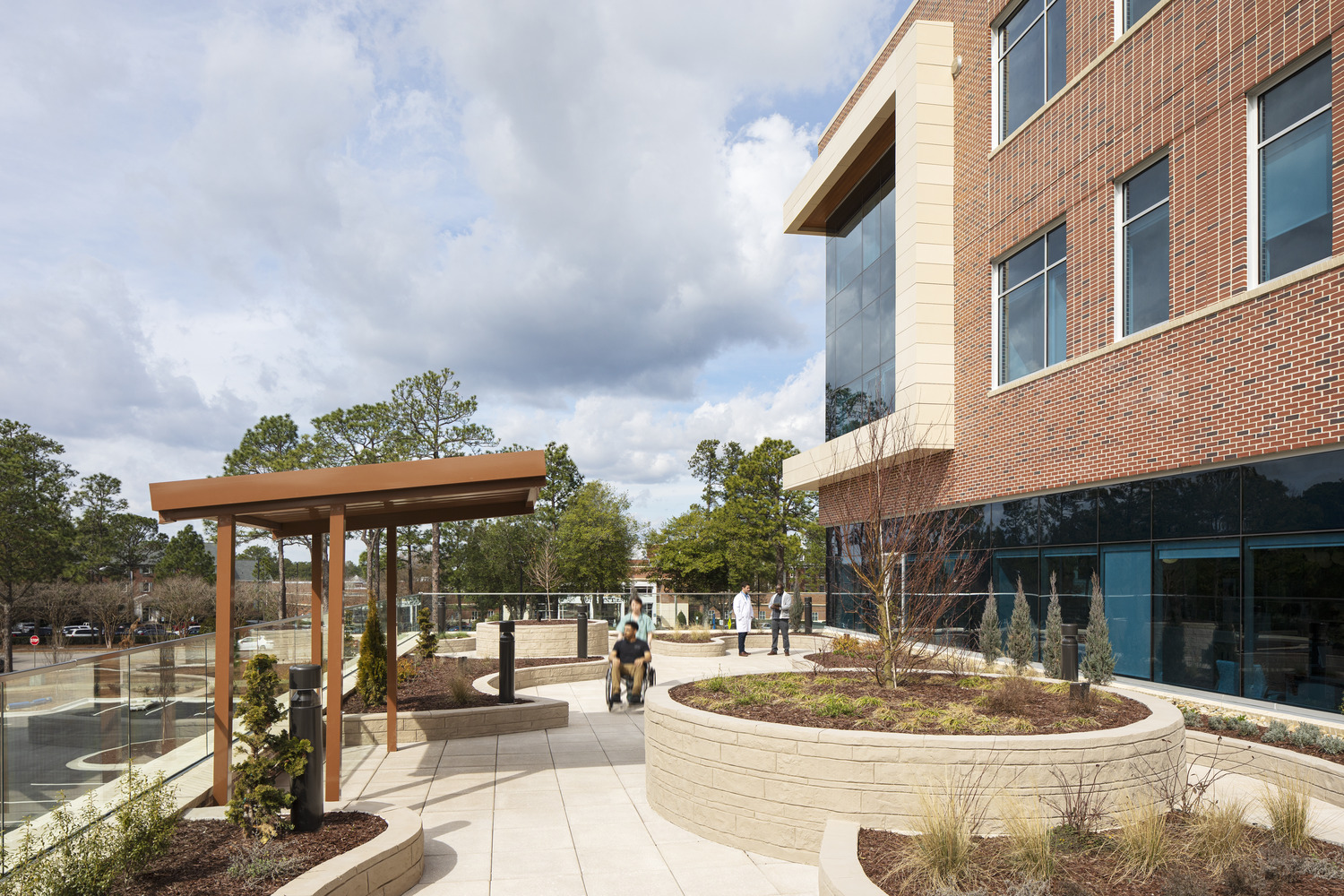
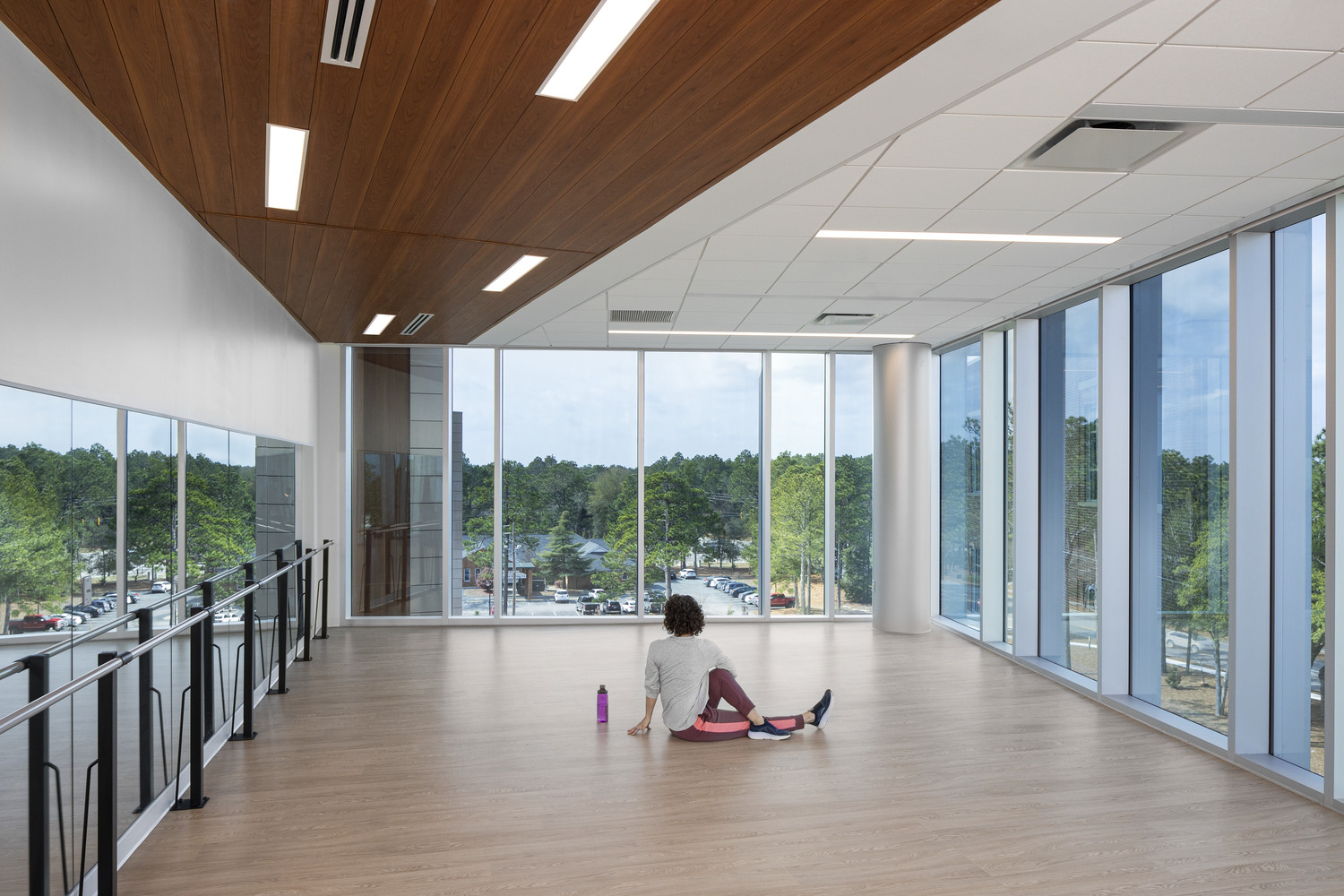
At the FirstHealth Cancer Center, healing gardens and a wellness hub with fitness, art and meditation programs were created for patients and staff. Within its first year, retention across the system rose by 20–25%, with many crediting the center’s calming atmosphere.
Technology Integration: Aging equipment isn’t just inconvenient; it prevents clinicians from providing the caliber of care they know is possible. Infrastructure that upholds advanced imaging technologies, reliable backup power and adaptable operating rooms ensures scalability.
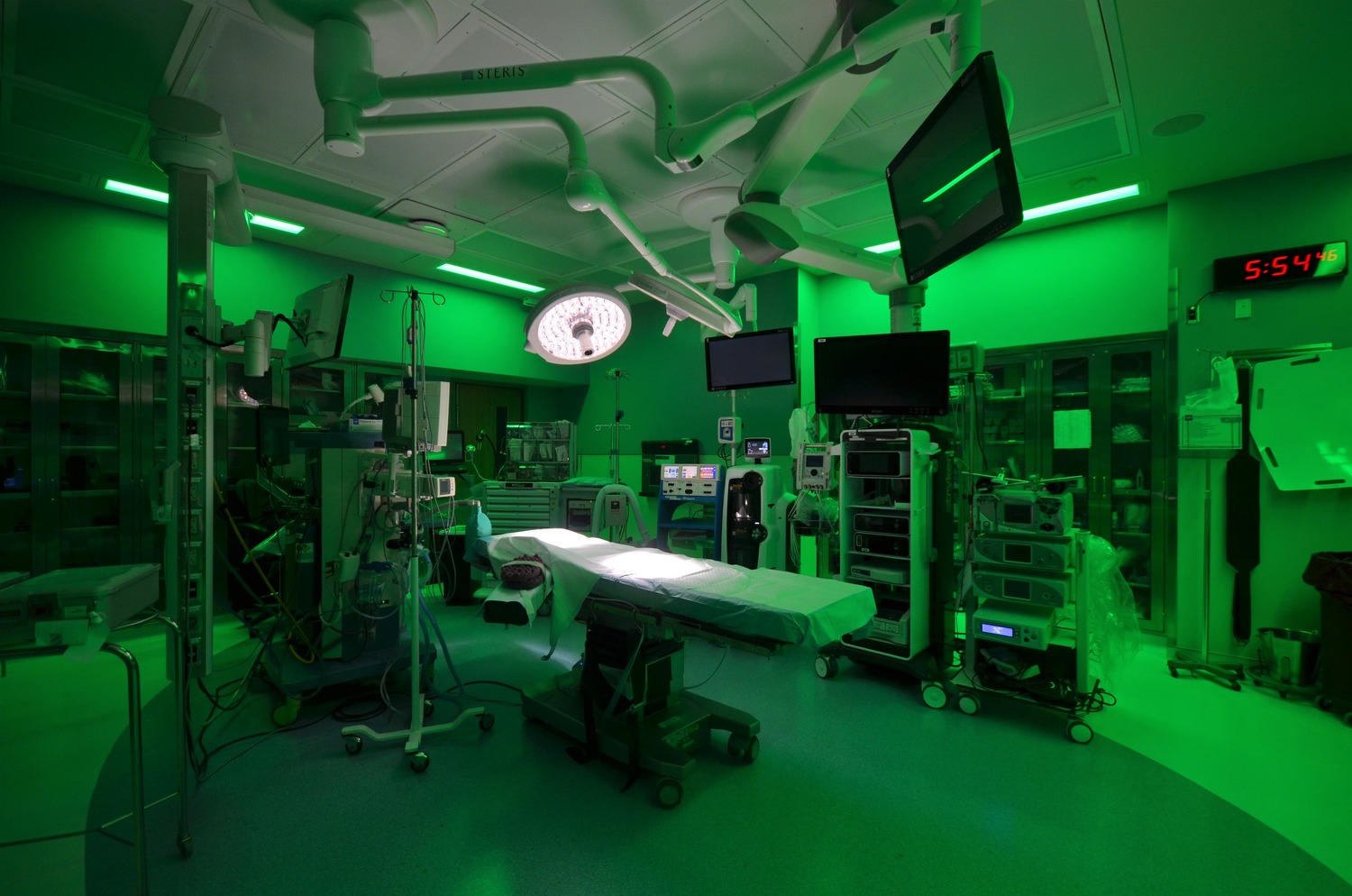
Holy Spirit Hospital’s surgical wing renovation turned 1960s-era operating rooms into a next-generation nexus with robust building systems,, expanded suites, advanced infection-control lighting and robotic surgical capabilities.
Sustainability & Safety: COVID-19 underscored the need for healthcare environments that protect both staff and patients while flexing under pressure. Adaptable acuity rooms and adjustable HVAC and tech infrastructure create resiliency to fluctuating patient loads. Patient rooms equipped with negative pressure capabilities provide surge-ready isolation, reducing wait times and exposure risks.
Equally important, balancing “onstage” patient areas with private, “offstage” staff-only spaces gives team members safe places to brainstorm or decompress without disrupting patient rest and confidentiality. Together, these tactics reassure staff that their work will remain manageable during crises.
Operational Efficiency: Workflow-driven design—such as decentralized nurse stations or multiple medication resource rooms and thoughtfully placed equipment alcoves located conveniently within a wing—saves valuable steps with ease of access. These investments signal to clinicians that their time is as valuable as the equipment in the building.
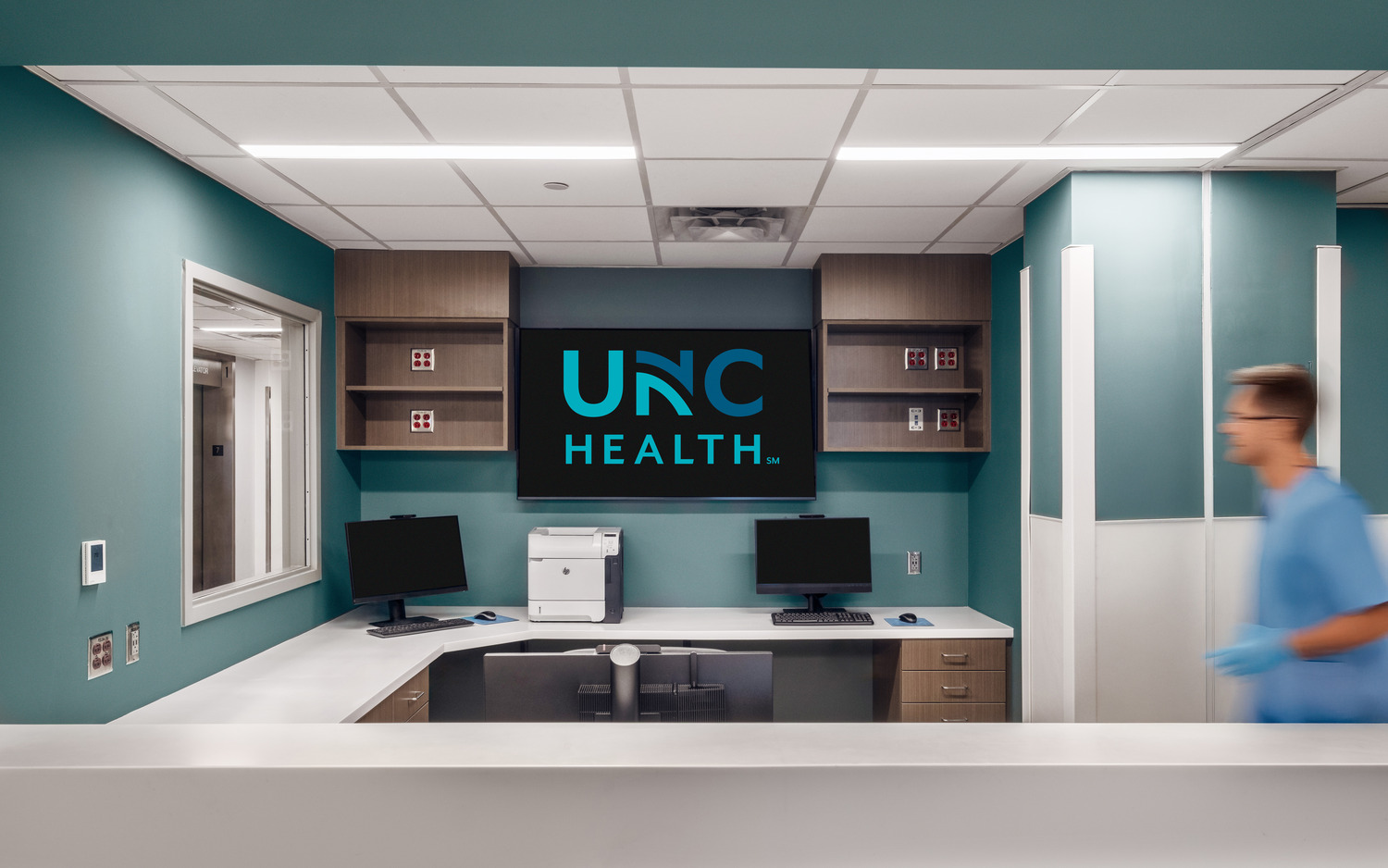
At UNC Health Wayne, replacing standard nursing stations with smaller, dispersed alcoves gave nurses clearer sightlines into patient rooms, cut response times and freed space for on-unit storage. Corridor lighting was also redesigned to remove disorienting strobe effects, enhancing comfort and dignity.
A Business Imperative
Burnout isn’t merely a human cost—it’s a financial detriment. Clinician turnover adds nearly $1B in excess spending annually, according to Mayo Clinic Proceedings, making staff-catered design a mission-critical business strategy. Moreover, fatigued teams are likely to make mistakes: nurses experiencing exhaustion have a 26%–70% higher risk of adverse patient events.
For healthcare leaders, the path forward lies in proactive planning to ensure every stage of capital investment amplifies gains.
3 Key Steps for Getting Started
Retention is Resilience
The highest care standards depend not only on attracting top talent, but on keeping it. Through this level of comprehensive master planning, progressive medical leaders are optimizing assets and unlocking long-term value—cultivating environments that nurture staff as intentionally as patients to stabilize teams, elevate treatment experiences and build systems that truly last.
About the Author: Linaea Floden

