
Share This Story
Communities across the country are redefining what it means to be resilient. Beyond simply reacting to natural disasters, they are planning ahead, managing risks, and building systems that protect while enabling rapid recovery. Today, true preparedness means more than stockpiling supplies—it demands strategies that prevent harm, safeguard people, ensure effective crisis response, and support long-term stability.
At the heart of this effort are municipal facilities, which can do more than serve their day-to-day functions—they can anchor community resilience, acting as hubs for safety, continuity and recovery.
From tornadoes and floods to heat waves and rolling power outages, public buildings are being called upon to protect lives, maintain operations and support communities during crisis. The challenge is designing or retrofitting these spaces to withstand the unexpected, all without compromising utility, cost-efficiency or community values.
Planning for the Unknown
The most important priority for any government agency is safeguarding human life. While it’s impossible to protect every home or neighborhood, communities can create safe, reliable places for people during emergencies. Shelters with hardened structures and backup power are essential, but space and cost limitations often make them insufficient on their own.
A promising solution lies in reimagining existing civic assets. Community centers, hockey arenas, libraries, and other large public structures can be designed or retrofitted to serve as resiliency hubs. These buildings already have the scale and public access needed; with the right upgrades, they can become sanctuaries during disaster events. Tools like microgrids, modular storm shelter retrofits, and phased implementation strategies allow these transformations to happen without disrupting daily operations.
Comprehensive campus and municipal assessments offer another critical entry point. By evaluating each building in a civic network, architects can identify immediate life safety risks—such as structural weaknesses, outdated electrical systems or flood vulnerabilities—and begin fortifying for the future. This approach shifts the conversation from deferred maintenance to strategic resilience, ensuring public facilities are prepared not just for today, but for the unknown challenges ahead.
Create safe, reliable community shelters with hardened structures and backup power.
By retrofitting existing civic assets—like community centers, hockey arenas, and libraries—to serve as sanctuaries during disaster events.
Through campus and municipal assessments that identify risks (cracks, outdated systems, flood hazards) and shift thinking from maintenance to resilience.
Duality of Purpose
Space in public buildings is often at a premium, making single-purpose safe-zones impractical. Therefore, it’s important to design existing spaces to serve multiple roles—functioning for everyday use while transforming into safe havens during emergencies.
This dual-purpose approach also applies to energy resilience. Maintaining communications during a crisis is critical, but ensuring heating, cooling and basic operations when the grid is down can be equally urgent.
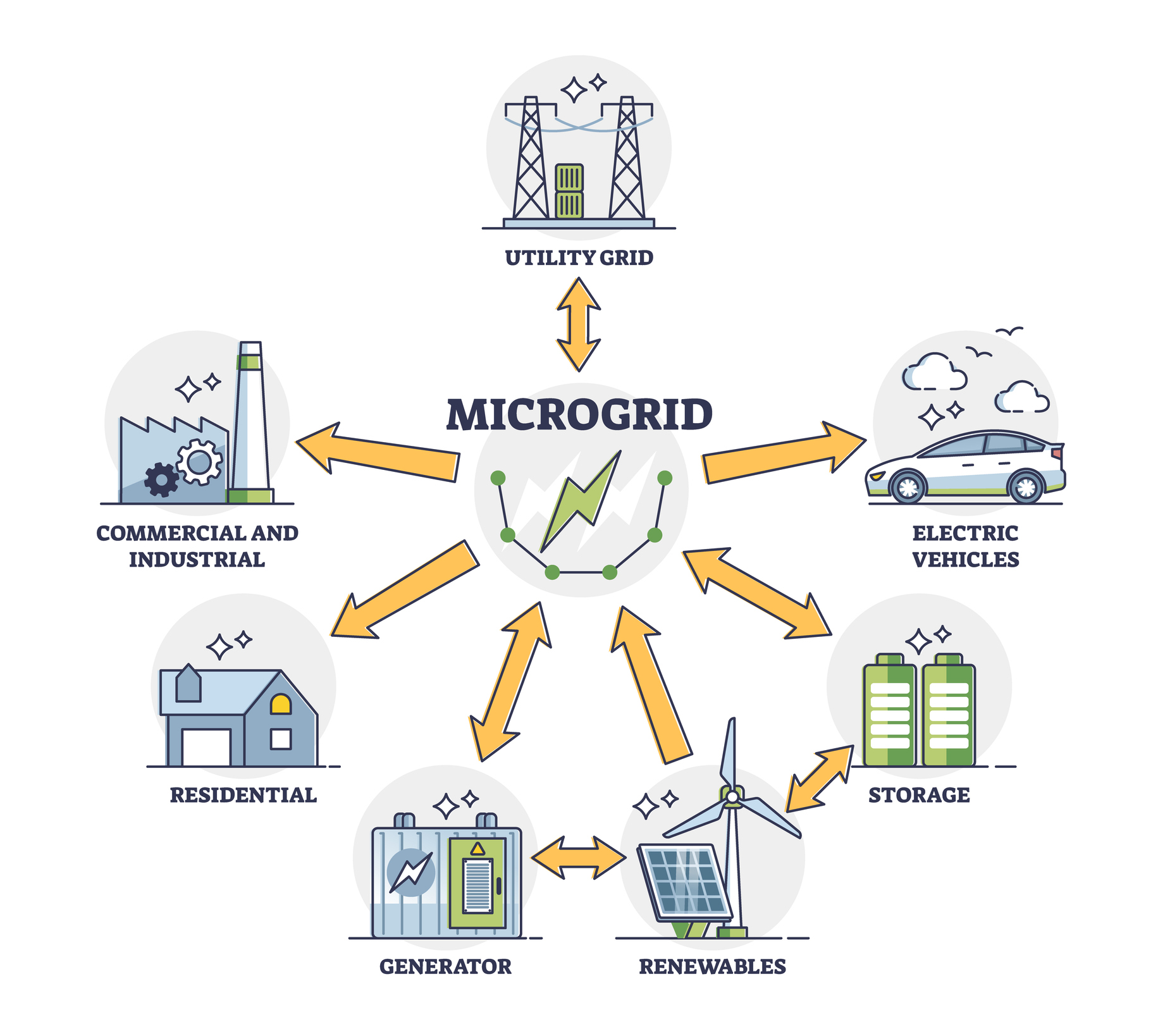
Microgrids offer a compelling solution. By creating a spiderweb network of mini generation, storage and distribution systems, communities can ensure continuity of power without relying on traditional utilities. With the right planning, these systems not only keep facilities operational during emergencies but can also stabilize energy costs for the long term, reinforcing public buildings as true resiliency hubs.
Responding to Changing Standards
Recent updates to building codes reflect the growing urgency of climate adaptation. Whether driven by climate change or regional weather trends, these adjustments signal a shift in how we must think about durability and safety.
But compliance alone isn’t enough—foresight and strategic planning are essential. As designers, we must lead the conversation, guiding public owners on extending FEMA flood zones, preparing for increased wind load, and addressing the long-term implications of deferred maintenance.
Enhanced resilience isn’t just about meeting today’s codes—it’s about anticipating tomorrow’s. What is considered “beyond code” now may soon become the standard. Helping clients navigate the line between compliance and proactive design ensures public buildings do more than meet regulations—they protect lives.
Case Study: Stanley A. White Recreation Center – Rebuilding with Resilience
A powerful example of resilient municipal design can be found in New Bern, North Carolina, where the Stanley A. White Recreation Center was redesigned after being destroyed by Hurricane Florence in 2018. CPL partnered with the City of New Bern to create a facility that not only restored a beloved community hub but reimagined it as a model of energy-efficient, hazard-ready design.

Spanning 35,000 square feet, the revitalized center was envisioned with intergenerational use in mind, offering fitness areas, multipurpose rooms, health screening spaces, and full-sized courts for basketball, pickleball and volleyball. A suspended walking track adds variety and accessibility, while a history wall honors the legacy of Stanley A. White and the center’s role in the community.
What sets this project apart is its emphasis on structural durability and energy resilience. The building features 12-inch-thick insulated concrete panels, providing enhanced occupant comfort and protection against extreme weather. These design choices ensure that the facility can serve as a safe, reliable space during future emergencies—whether as a shelter, a wellness hub or a coordination center.
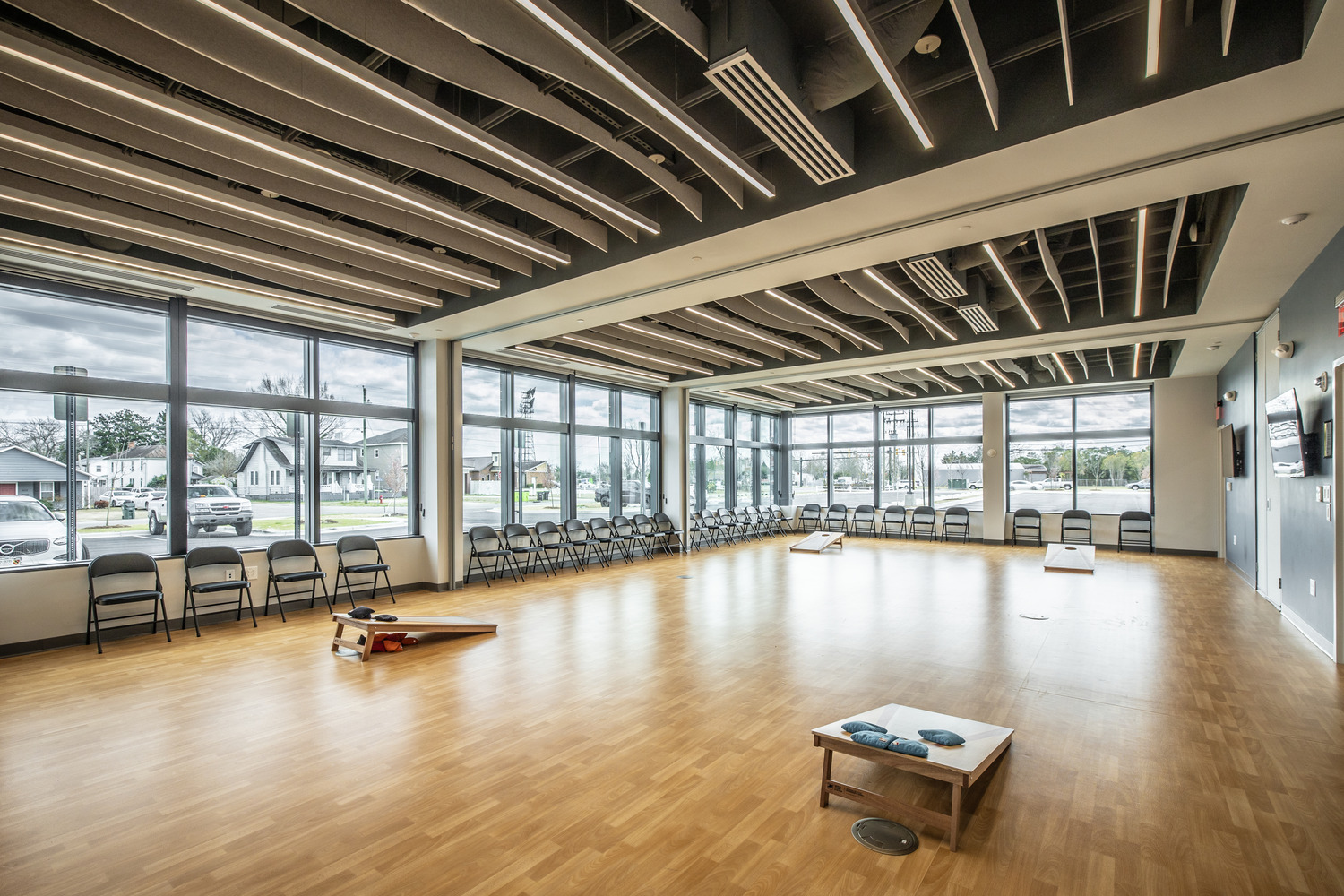
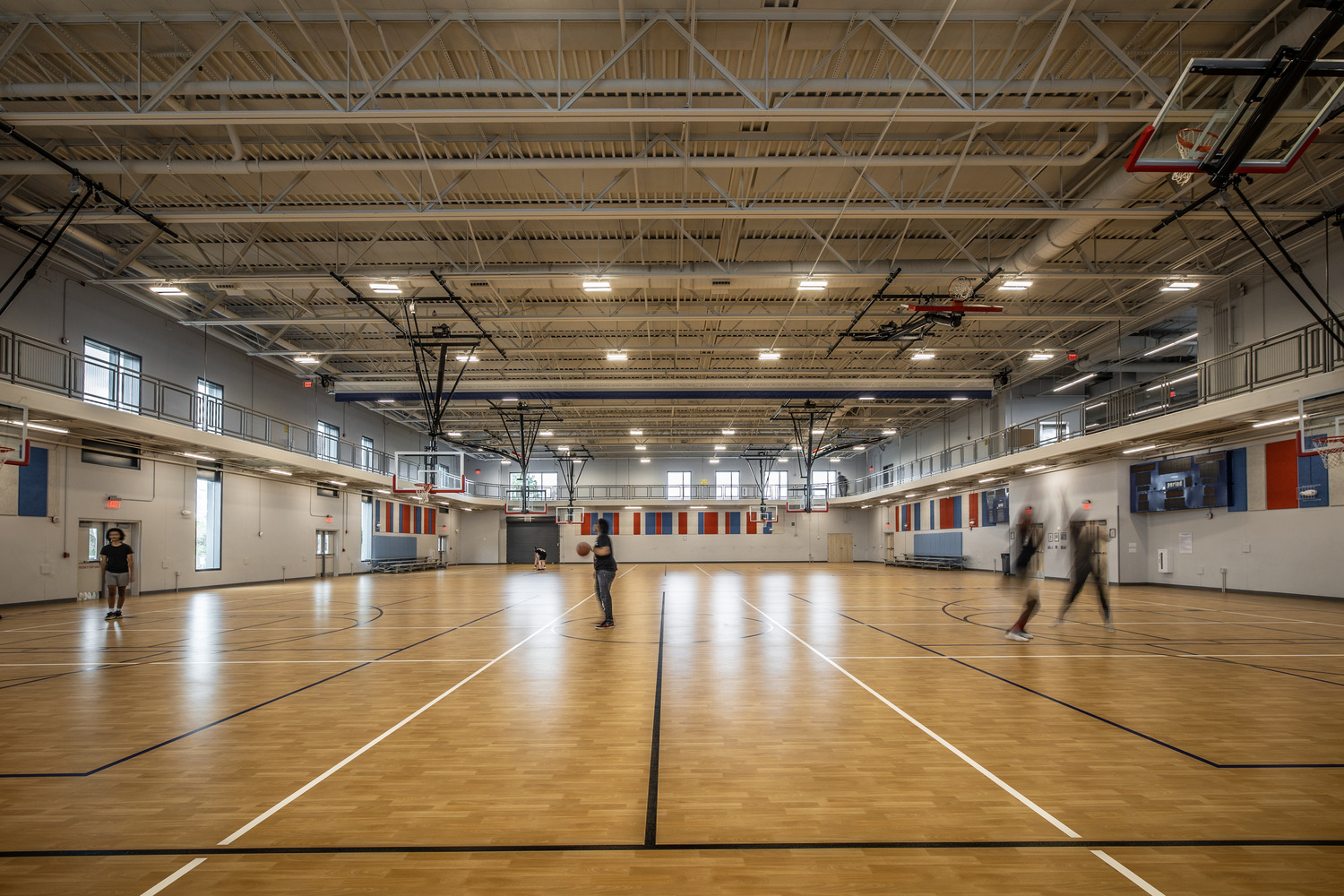
The Stanley A. White Recreation Center exemplifies how municipalities can turn disaster recovery into an opportunity for long-term resilience. By investing in adaptable infrastructure and community-centered design, New Bern has created a space that honors its past while preparing for the future.
Building for the Future
As climate risks grow, so does the need for integrated, community-centered design. Municipal facilities must be built to last—not just structurally, but operationally. That means planning for fire, flood, wind, hurricanes and tornadoes; designing for energy independence; and creating spaces that serve the public in both ordinary and extraordinary times.
Local resiliency is no longer optional. At CPL, we view it as a responsibility. By combining code fluency, hazard-specific strategies, and energy innovation, we help communities create facilities that protect, empower and endure —ensuring they are ready for the challenges of today and the uncertainties of tomorrow.
About the Authors: Marie Carone and Steve Jouriles
Marie Carone, AIA, NCARB, LEED AP BD+C
As a Senior Principal in the Community & Culture practice, Marie brings over two decades of architectural expertise, leading complex projects across cultural and commercial sectors. She specializes in balancing diverse stakeholder interests to deliver impactful, community-driven solutions that enhance the built environment. Marie fosters lasting relationships with public agencies and governmental clients, ensuring seamless collaboration throughout every project.
Stephen Jouriles, AIA, CDP, LEED AP
As a Principal at CPL, Steve’s responsibilities encompass project procurement, precise code and zoning analysis, feasibility studies, due diligence surveys, program space development and schematic design through construction administration for projects spanning the higher education, community and healthcare sectors. A member of the International Institute of Building Enclosure Consultants and a LEED AP, he serves as an excellent go-to resource for questions about roofing systems, enclosures and sustainability.
About the Author: CPL

