The University of South Florida’s biomedical engineering program is growing rapidly, driving increased recruitment of primary investigators and demand for advanced research space. In response, CPL’s Higher Education Practice partnered with the university to reimagine the 7th floor of the Interdisciplinary Science Building—aligning facility investment with long-term goals for research growth, student engagement and program identity.
Completed
2026
Project Budget
$5.5 M
Architecture, Interior Design
Key Contact
Mark Mistriner

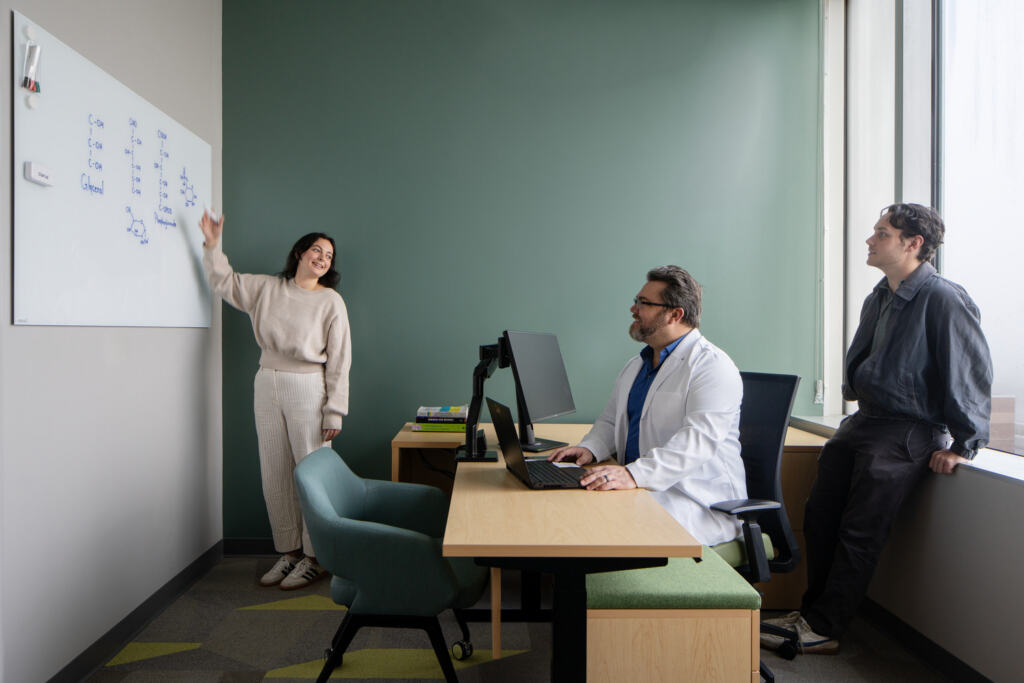
The renovation transforms a former welcome center into a series of purpose-built environments that support research, teaching and student engagement.
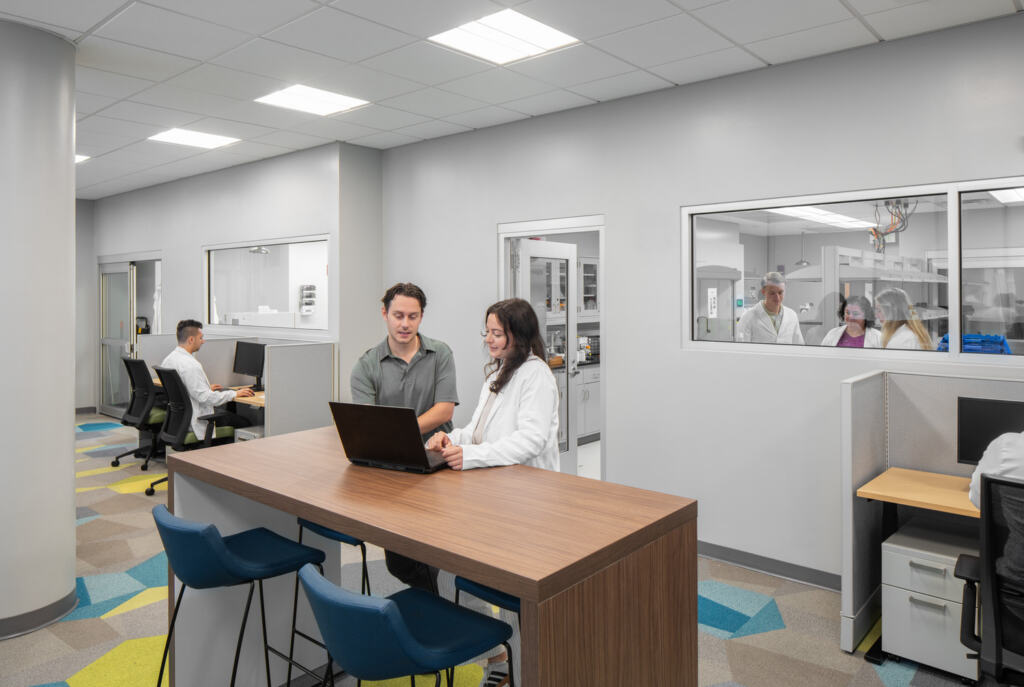
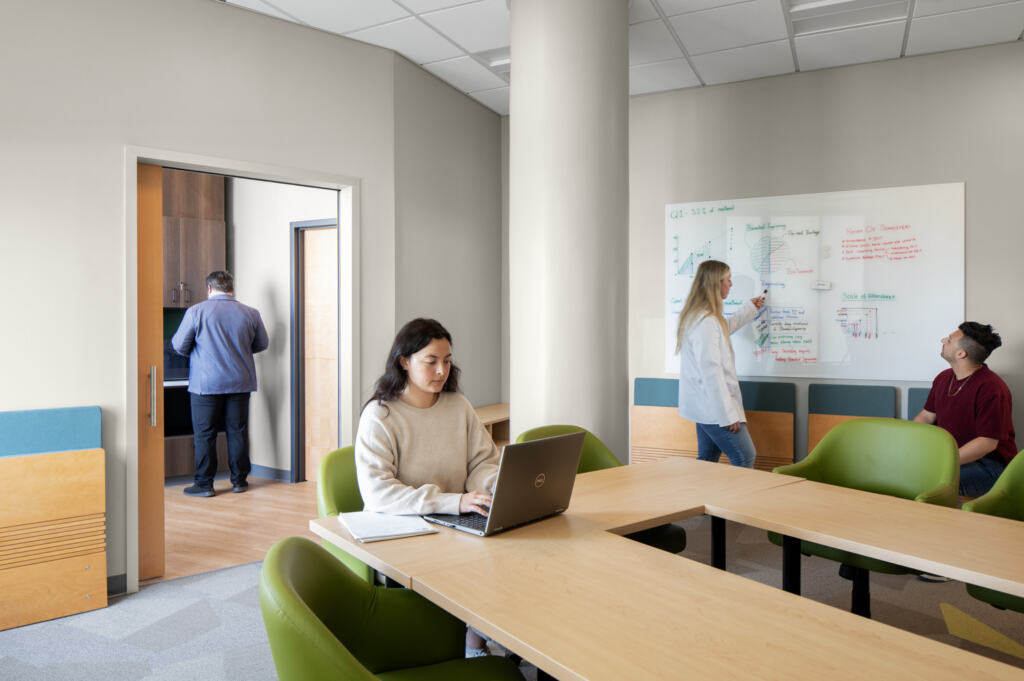
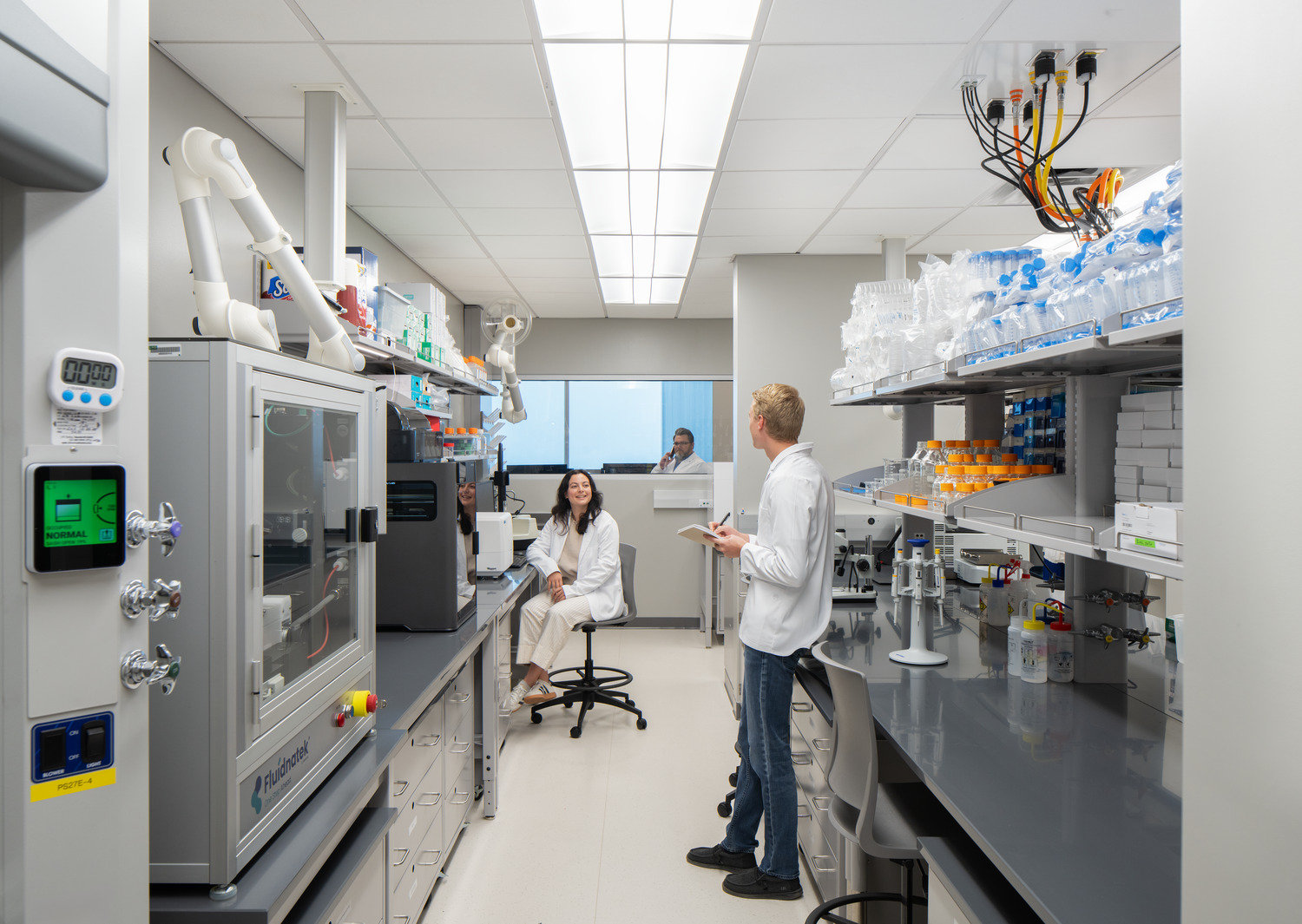
Within this framework, research laboratories are tailored to individual primary investigators, each designed around specific equipment, workflows and research methods. Adjacent graduate write-up spaces a direct connection to active research, while a faculty-led teaching lab supports repeated instructional use by rotating student groups.
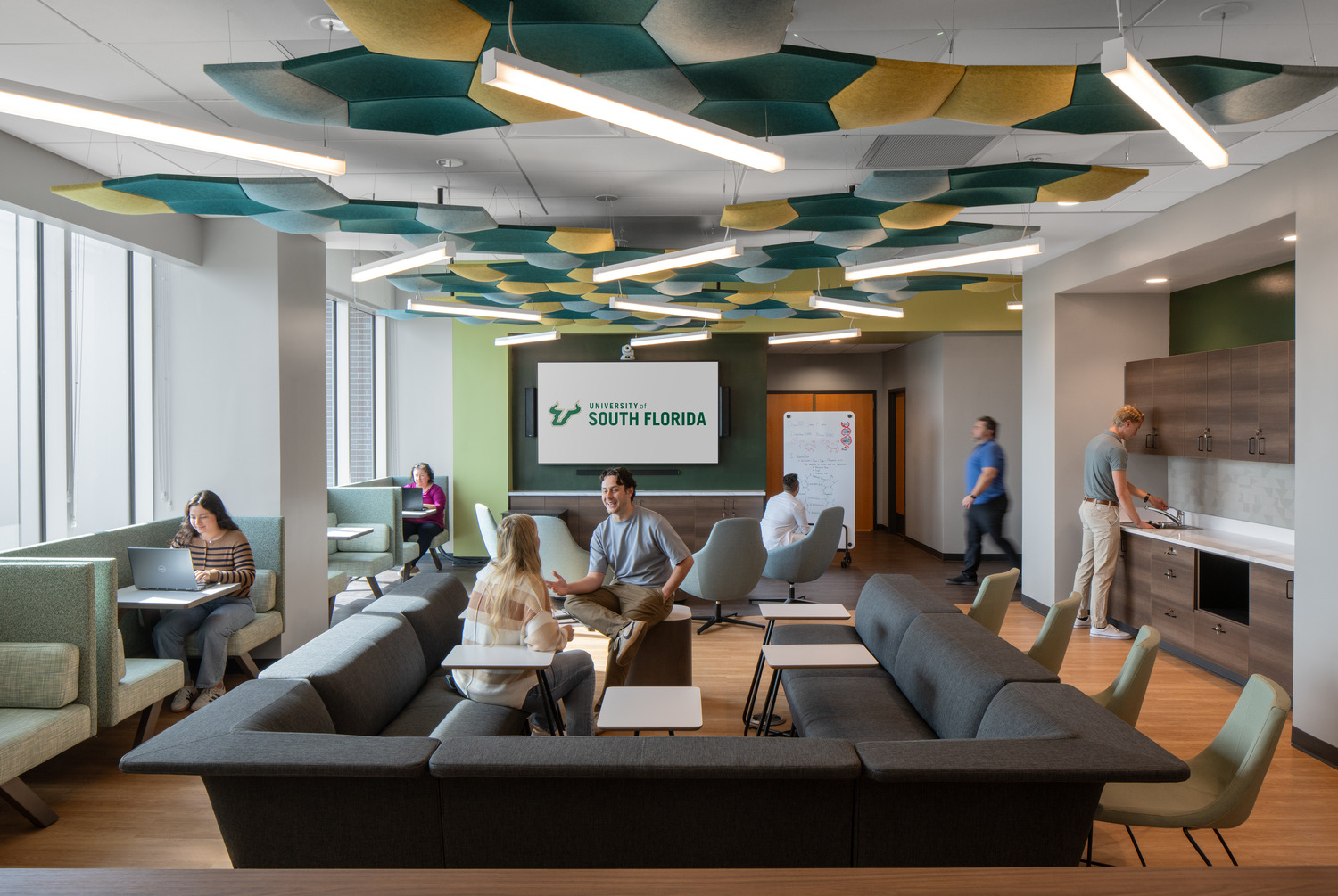
A makerspace, converted from former offices and conference rooms, supports biomedical prototyping and testing through digital fabrication tools, enabling rapid development and validation of emerging technologies. A dedicated student engagement space further expands how the building supports interaction, providing a flexible environment for classes, collaboration and informal gathering.
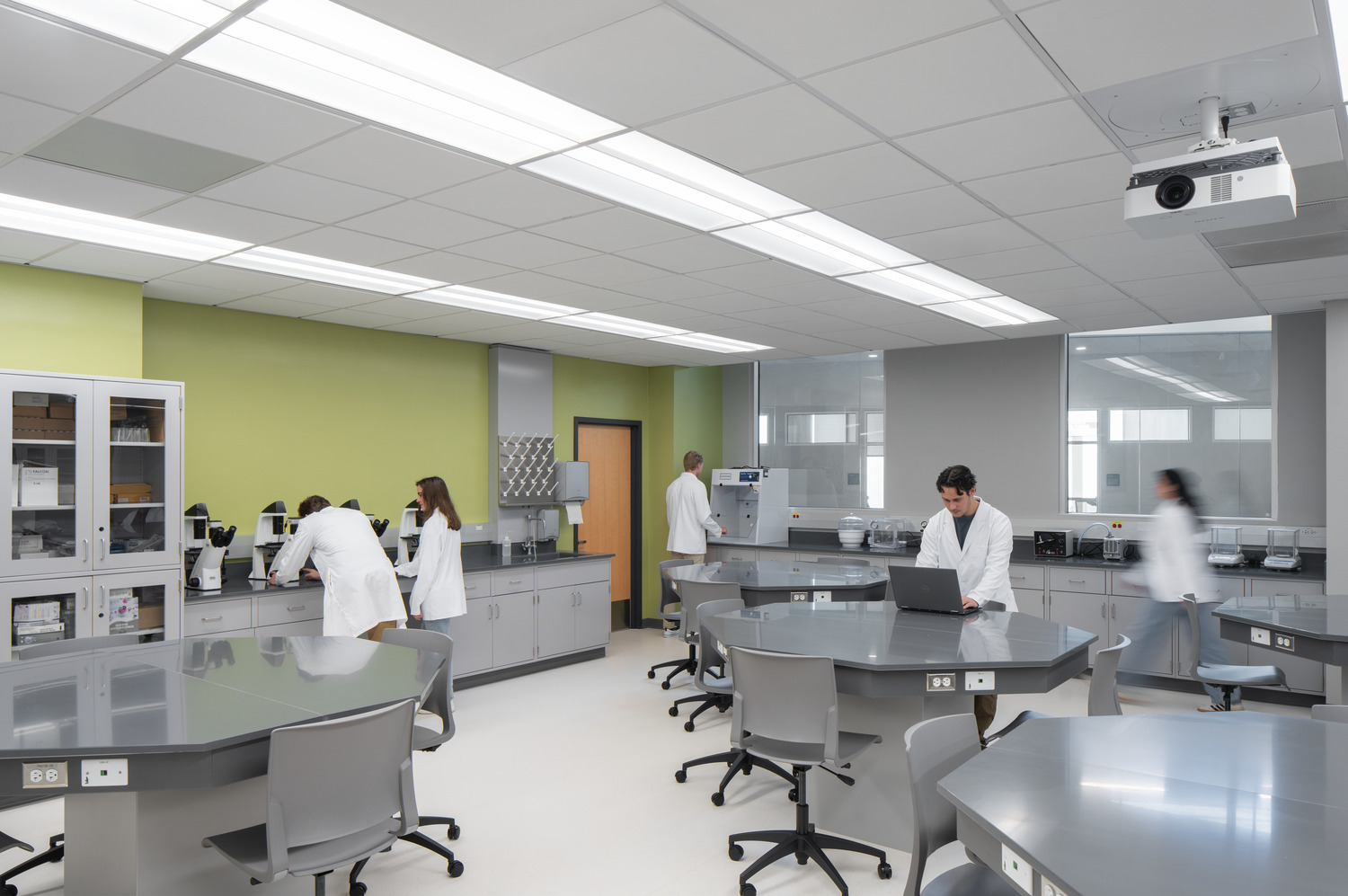
Across all spaces, strategic design moves reinforce visibility and connection. Interior glazing allows students to observe research activity while maintaining required separation, while carefully introduced daylight improves spatial quality and helps reduce the close-in nature often found in research environments.
For students, these environments create a more connected academic experience—linking classroom learning, hands-on experimentation and active research within a single building. The result is greater exposure to real-world scientific work and more meaningful engagement with faculty-led discovery.
For the University of South Florida, the impact extends beyond the renovation itself. The project strengthens research capacity, supports recruitment of leading investigators and enhances the university’s ability to deliver advanced biomedical innovation.