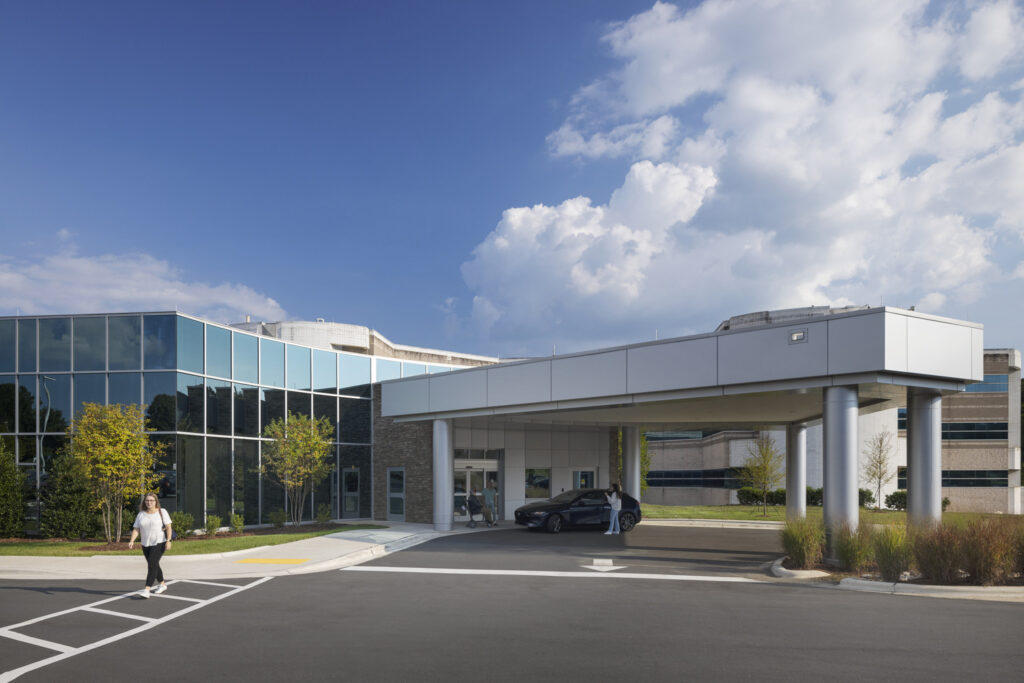
For more than a century, UNC Health Wayne has served as a cornerstone of care in Wayne County. This commitment to patient wellbeing inspired the reimagining of an outdated 60-bed medical/surgical unit into a modern Intermediate Care (“step-down”) Unit that balances clinical sophistication with a restorative, human-centered environment.
Client
UNC Health Wayne
Location
Goldsboro, North Carolina
Total Project Cost
$9.27 M
Project Type
Acute Care
Key Contact
Michelle Trott
Completed
2025
Size
16,189 sq. ft.
Services
Architecture, Interior Design, Mechanical Engineering, Electrical Engineering
Photographer
Lange Photo Studio

CPL’s healthcare practice team led the redesign, bringing together clinical stakeholders and hospital leadership to ensure the project addressed both immediate operational challenges and long-term community health goals. Our strategy centered on three priorities: enhancing safety, improving the patient and family experience, and streamlining caregiver workflow. Each decision was guided by evidence-based design principles and operational insight, ensuring the unit would serve effectively for decades to come.
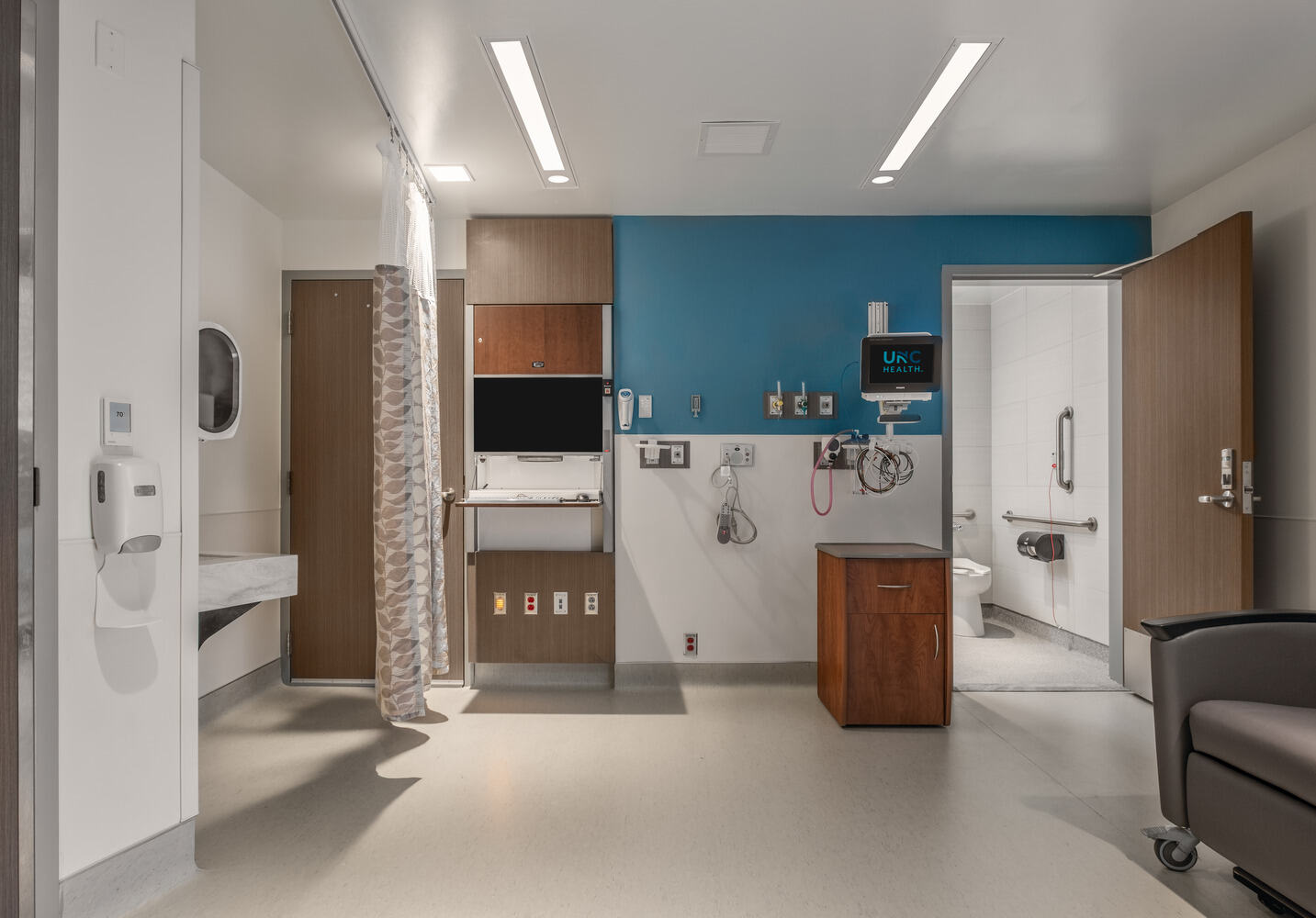
The transformation began by replacing a dense mix of semi-private rooms with 28 private intermediate care rooms, nearly doubling the square footage per patient. This allows families to remain close at the bedside while accommodating advanced equipment such as respirators.
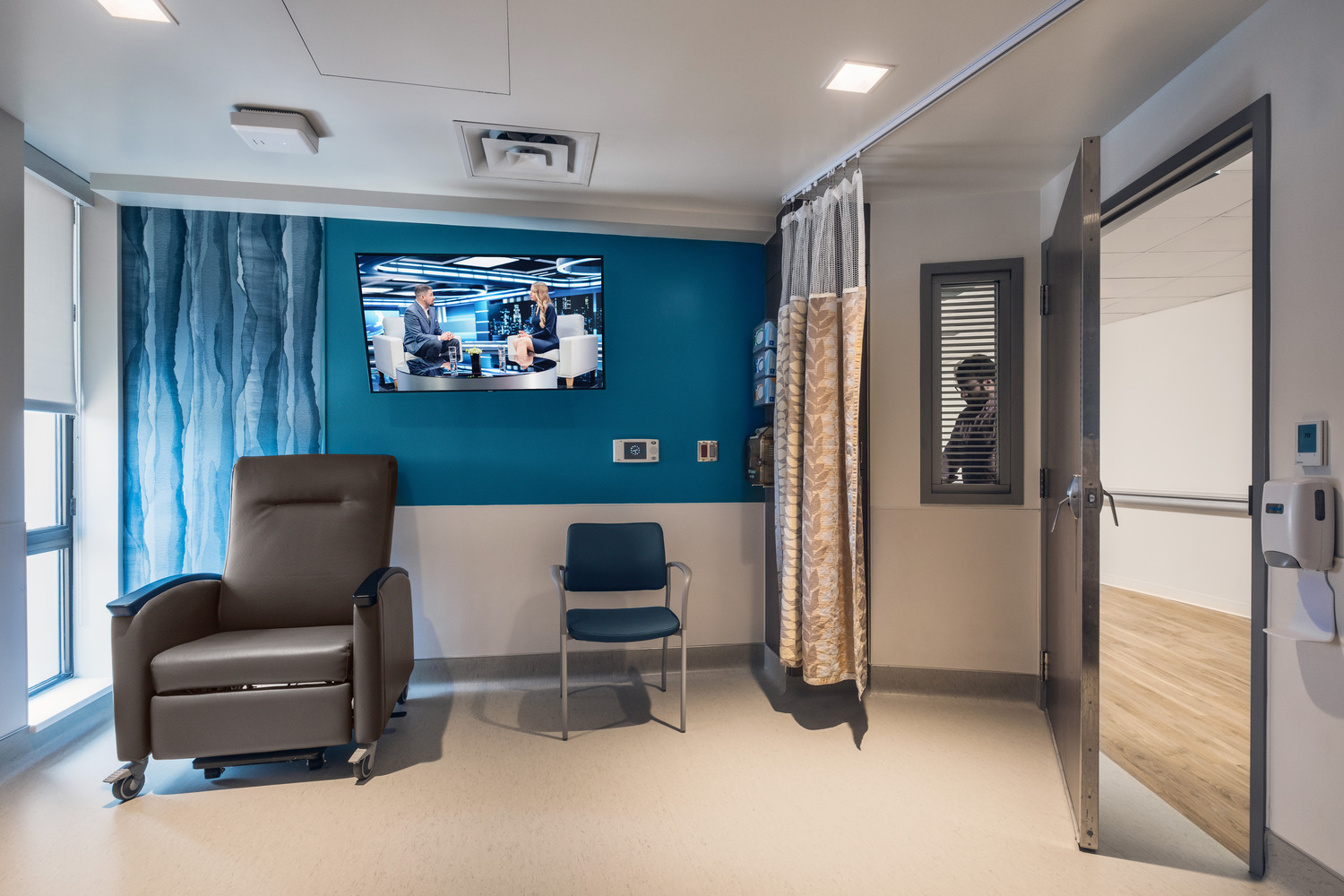
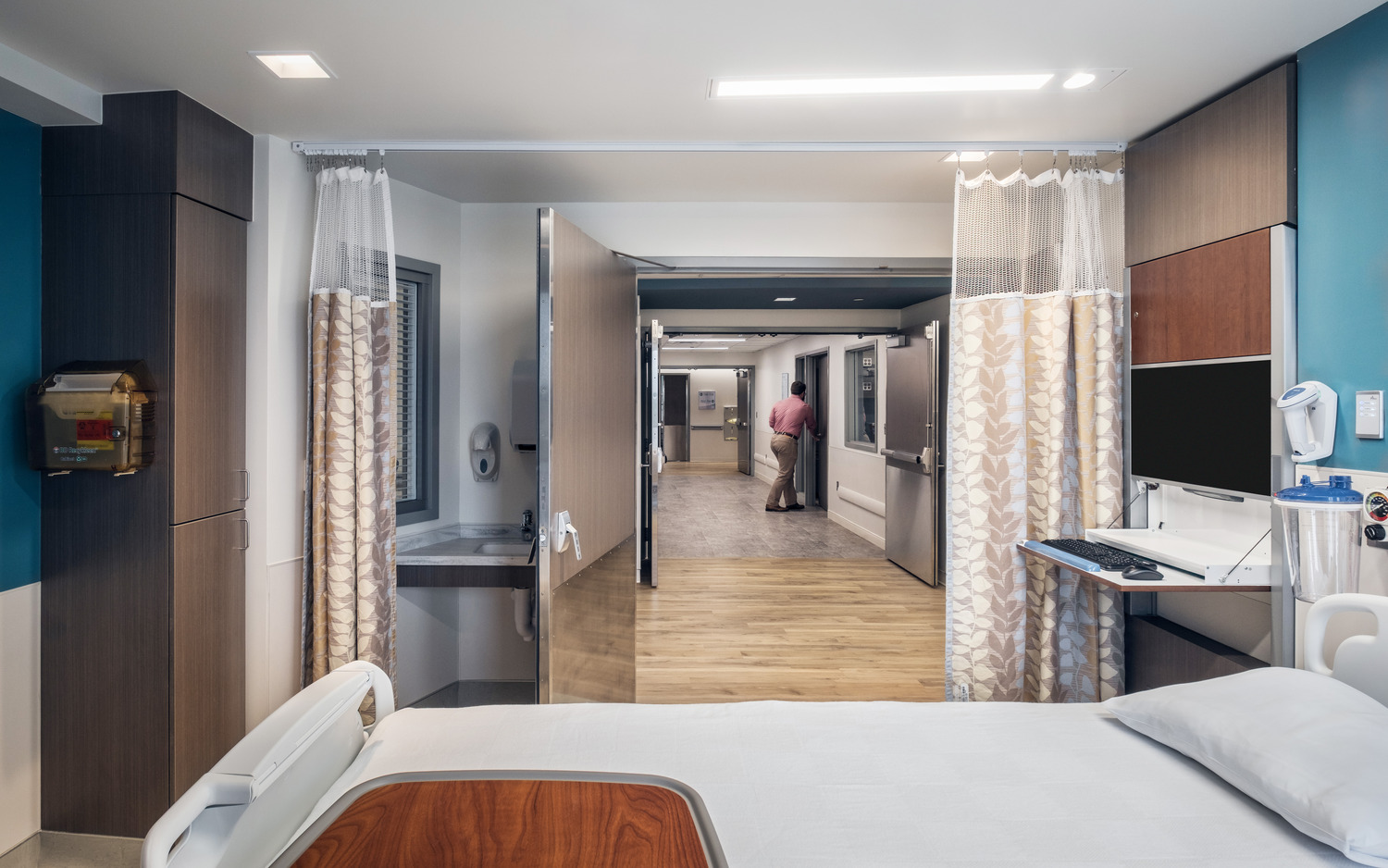
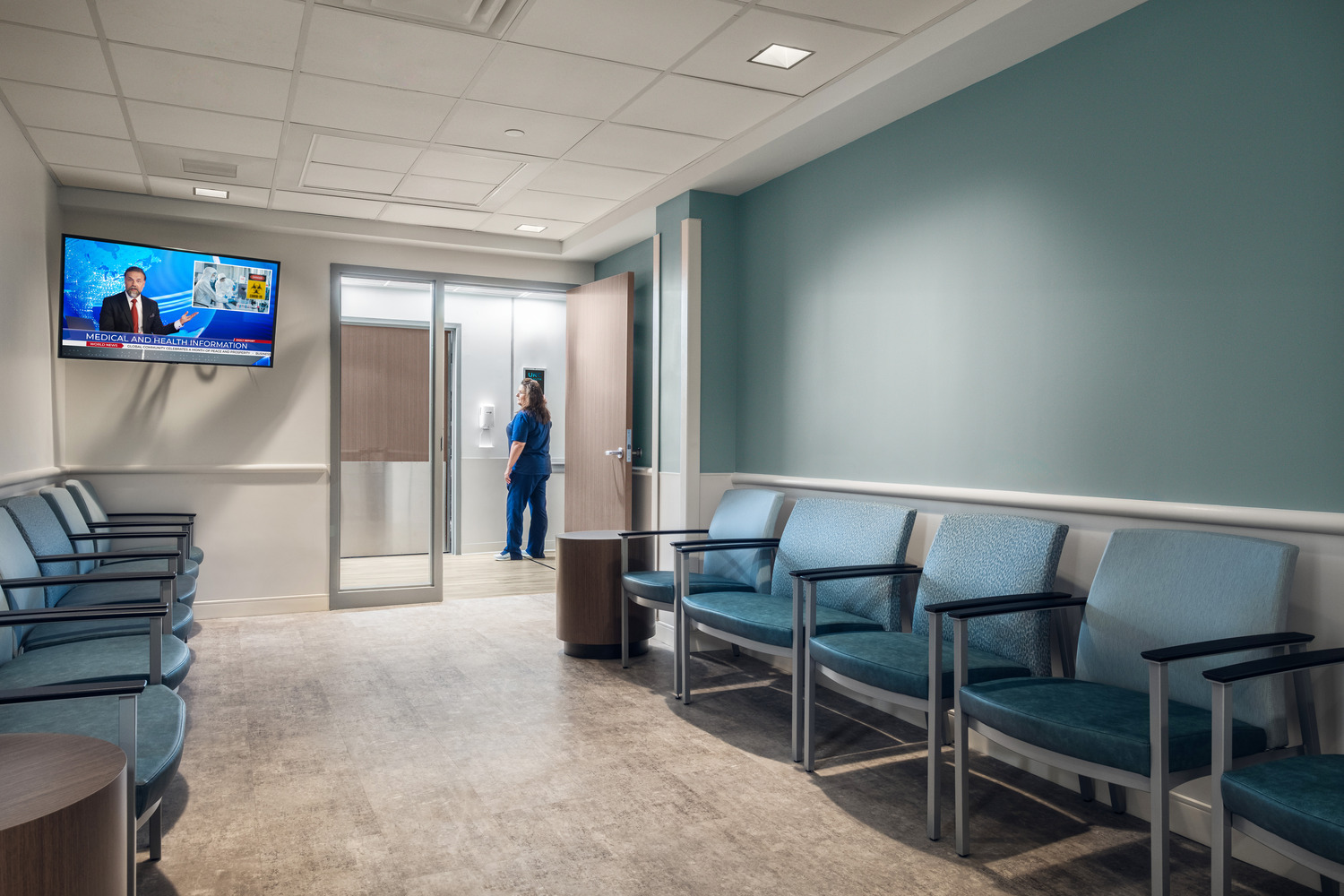
Additionally, every room was designed as an airborne infection isolation (AII) room with scrubbable finishes in calming coastal tones, and four rooms include ante rooms with precision airflow management to protect both immunocompromised and infectious patients. To enhance comfort and wellbeing, bed orientation was rotated to ensure every patient enjoys a window view, while glare-reducing lighting minimizes strain for those lying in bed.
Bathrooms were also upgraded with zero-threshold showers and dual-sided access for safer assisted bathing, and four rooms were fully ADA-compliant to foster patient independence.
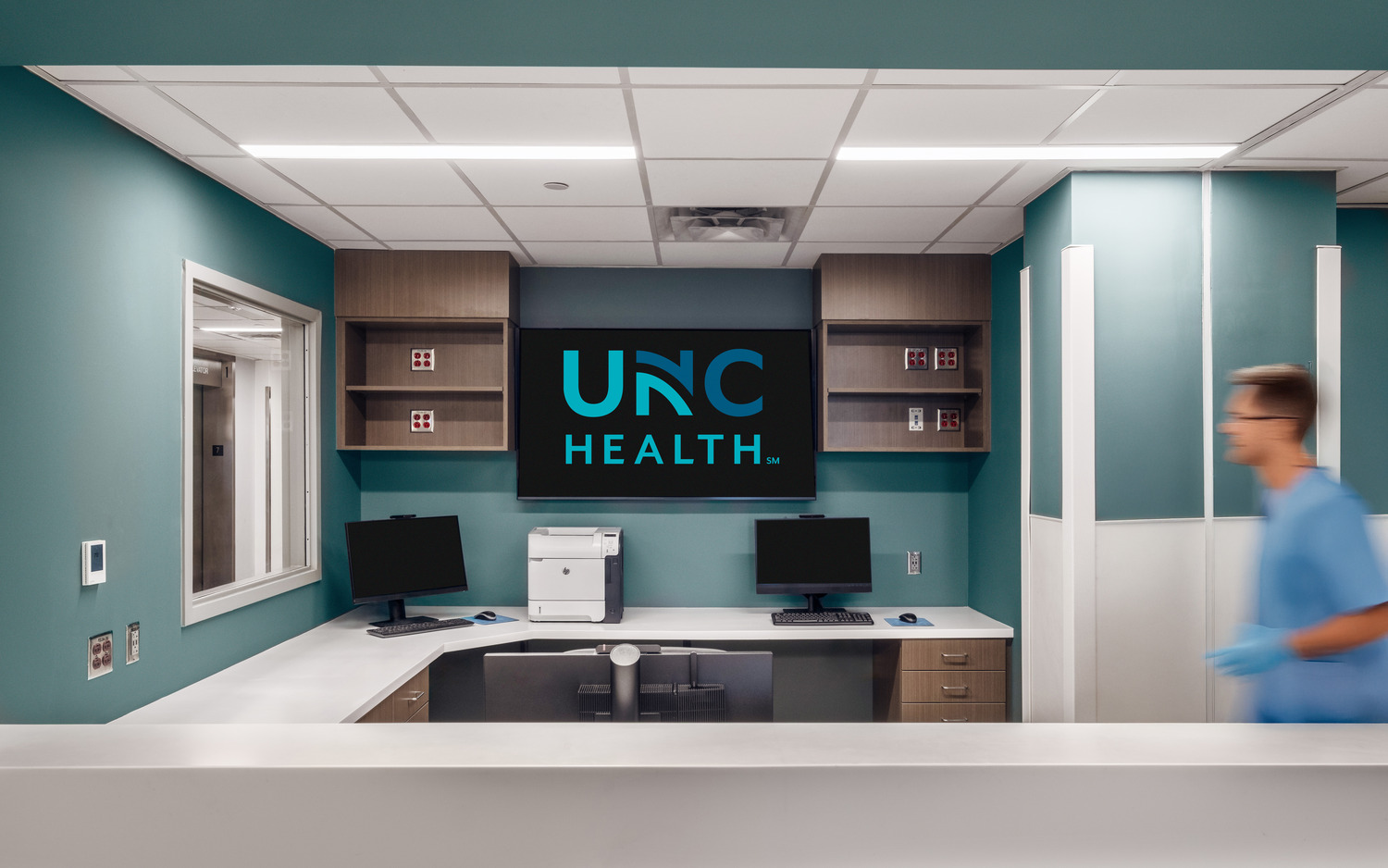
Equally important was the rethinking of how caregivers work within the unit. The outdated model of a single centralized nursing station was replaced with a decentralized approach that distributes small alcoves throughout the floor. This change gives nurses continuous sightlines into patient rooms while significantly reducing response times.
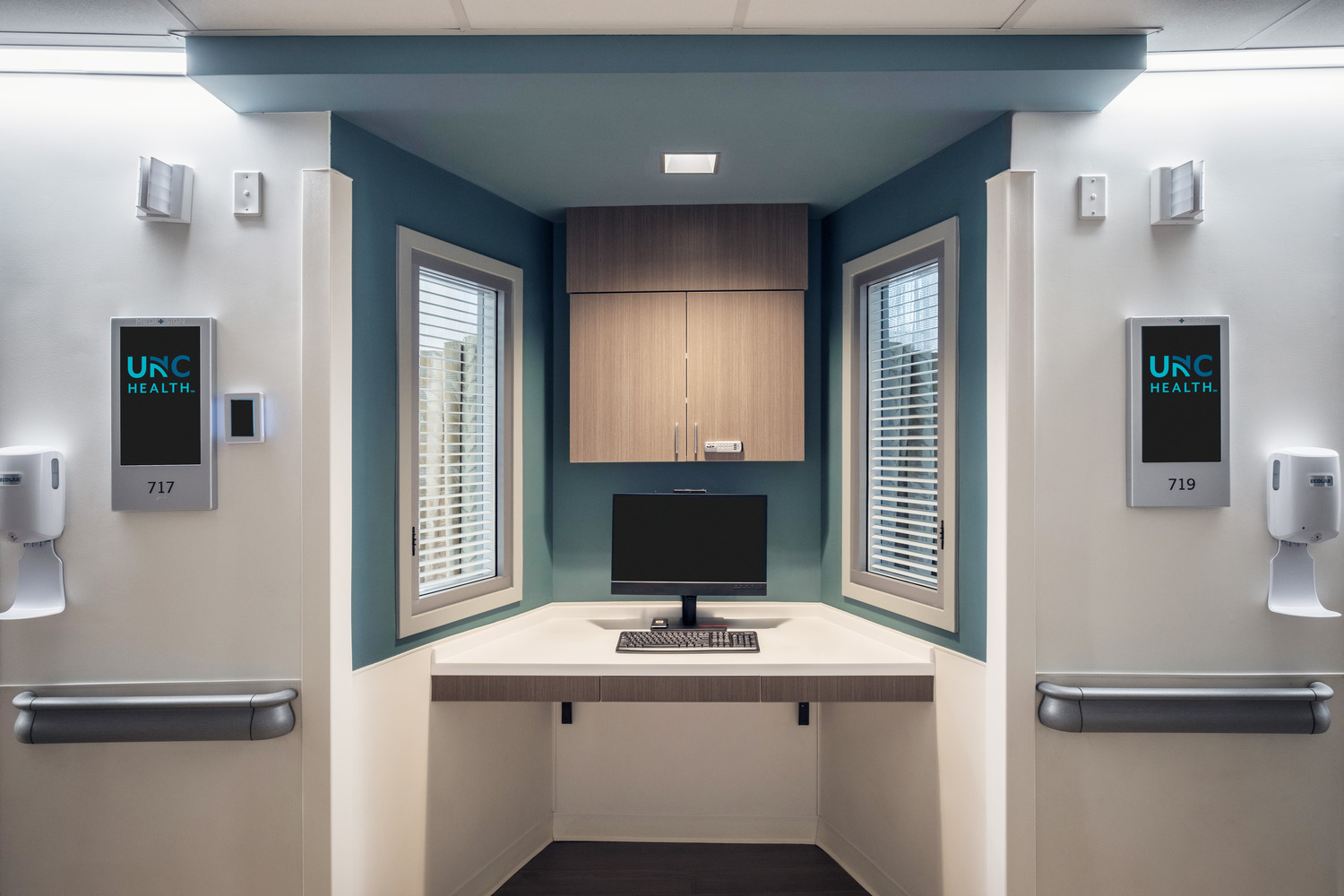
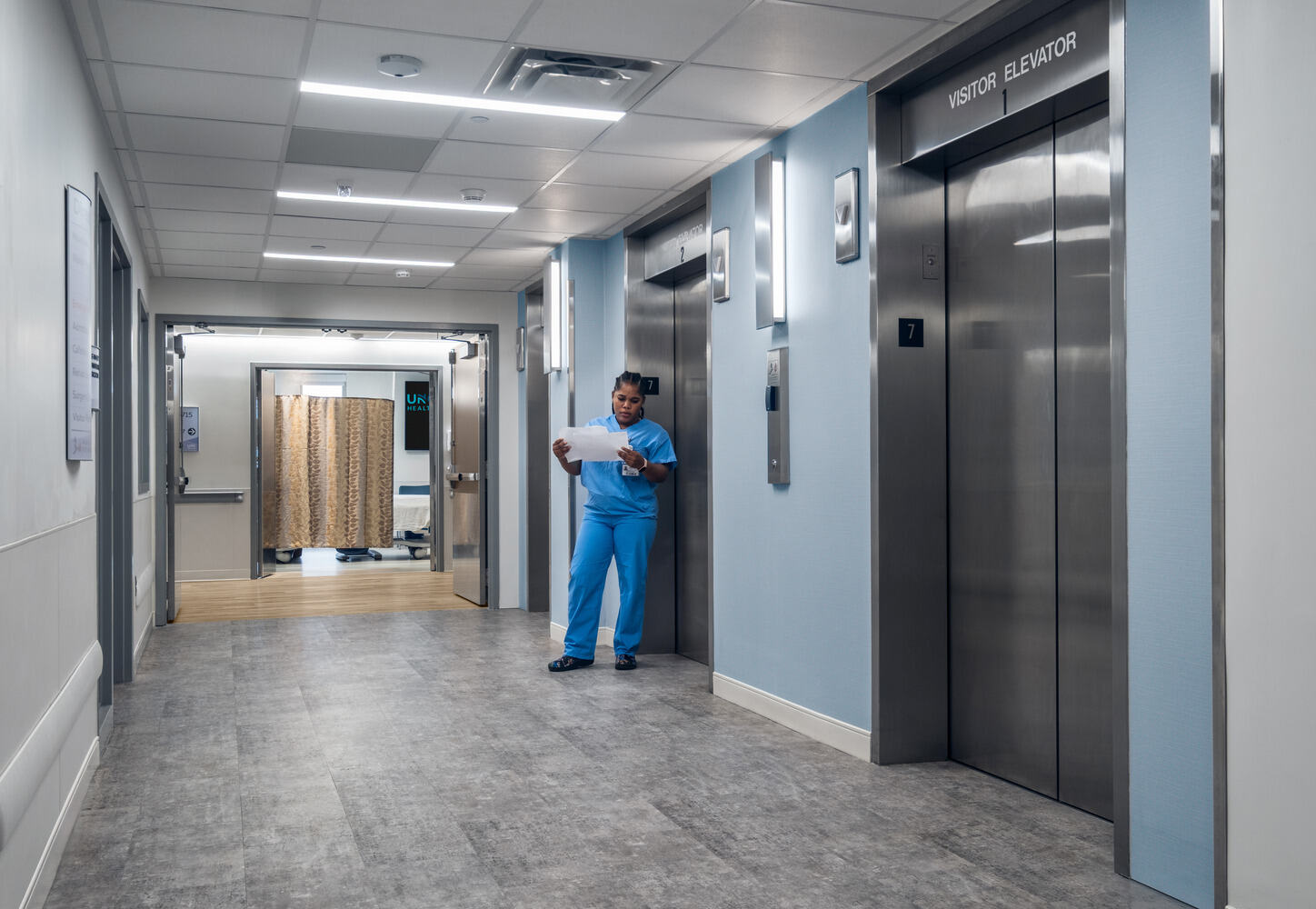
By minimizing the footprint of the central station, we were also able to create dedicated on-unit storage for equipment, streamlining workflow and reducing the risk of error. Corridor lighting was redesigned with edge-mounted linear fixtures that eliminate the strobing effect experienced by patients being transported on their backs, further improving comfort and dignity in care.
The result is more than a renovation; it is a strategic reinvestment in acute care delivery. This forward-looking environment not only equips clinicians with the tools they need to perform at their best, but also ensures that patients and families feel supported, connected, and cared for at every step of the healing journey.