
Bolivar-Richburg Central School District is modernizing its learning environments to reflect changing curriculum needs and emerging career pathways.
Client
Bolivar Richburg Central School District
Location
Bolivar, New York
Key Contact
Jason Benfante
Photographer
Tim Wilkes
Completed
2025
Project Budget
$12.4 M
Services
Architecture, Interior Design, Mechanical Engineering, Electrical Engineering, Plumbing

Through a voter-approved capital improvement project (CIP), the district partnered with CPL’s K–12 Practice team to develop a comprehensive renovation plan for both the Elementary and Middle/High Schools.
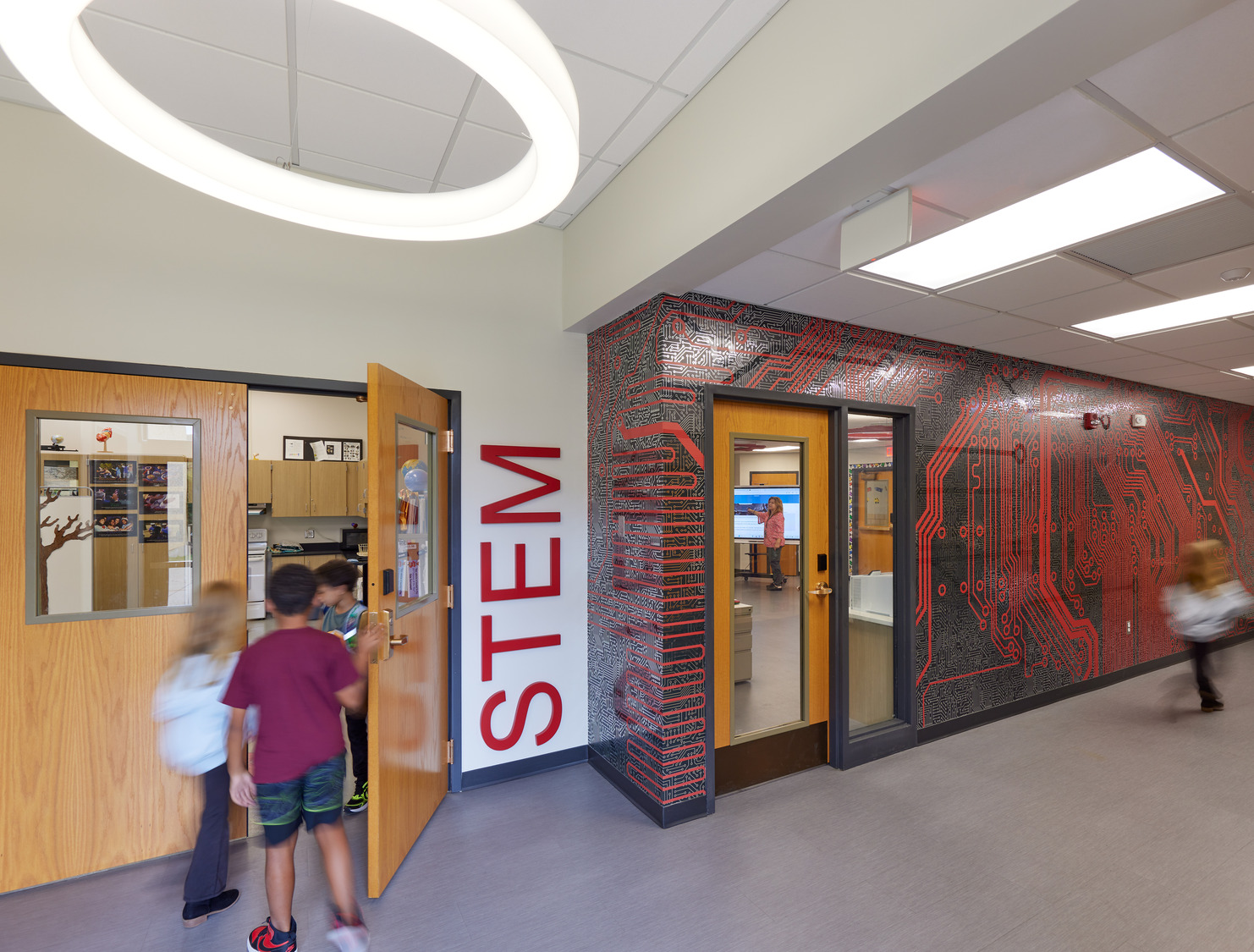
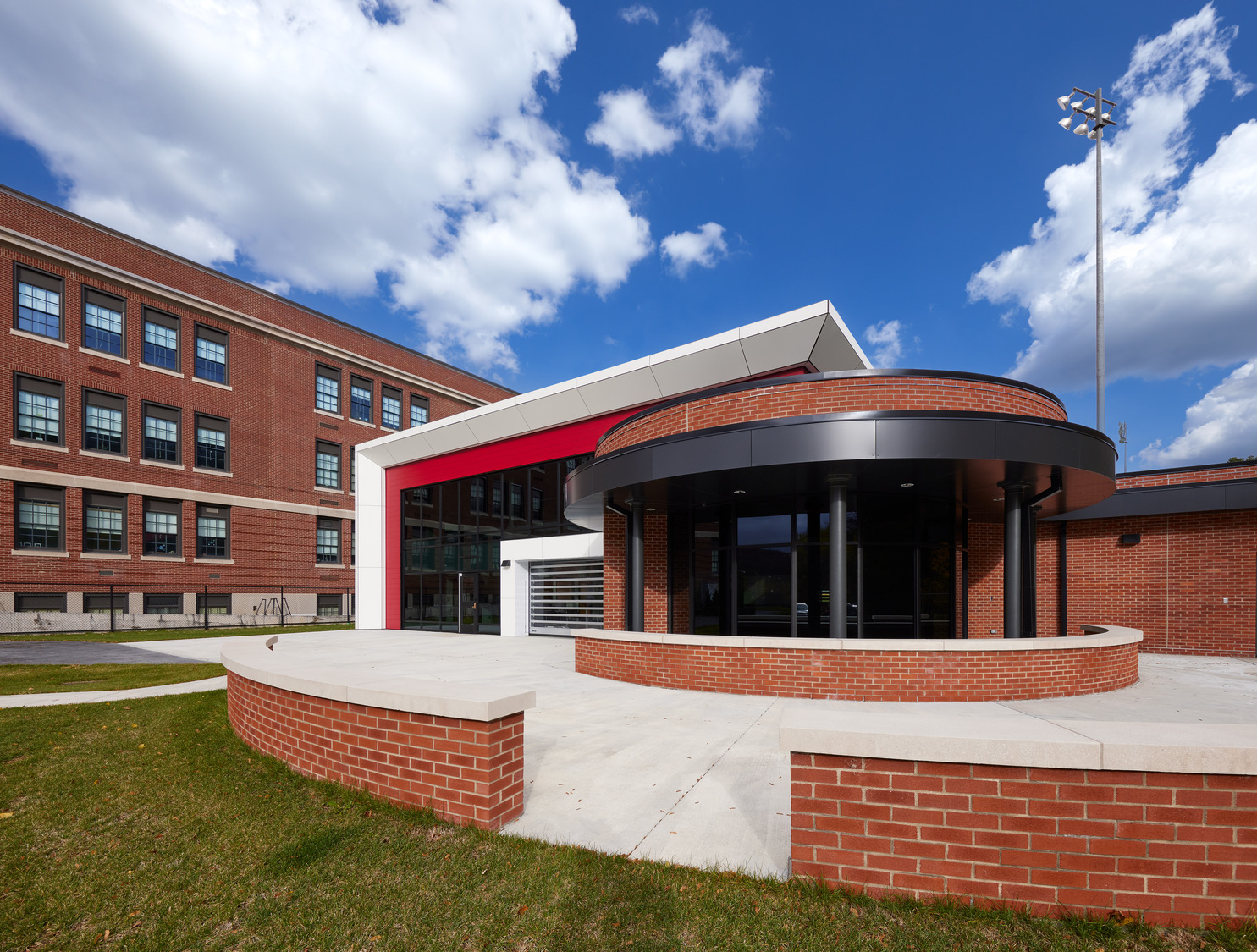
The project adds a 5,000 sq. ft. high school expansion and new STEAM-focused learning spaces across both schools. These spaces support hands-on instruction in science, technology, engineering, arts and math, while encouraging collaboration, presentation and independent learning within adaptable settings.
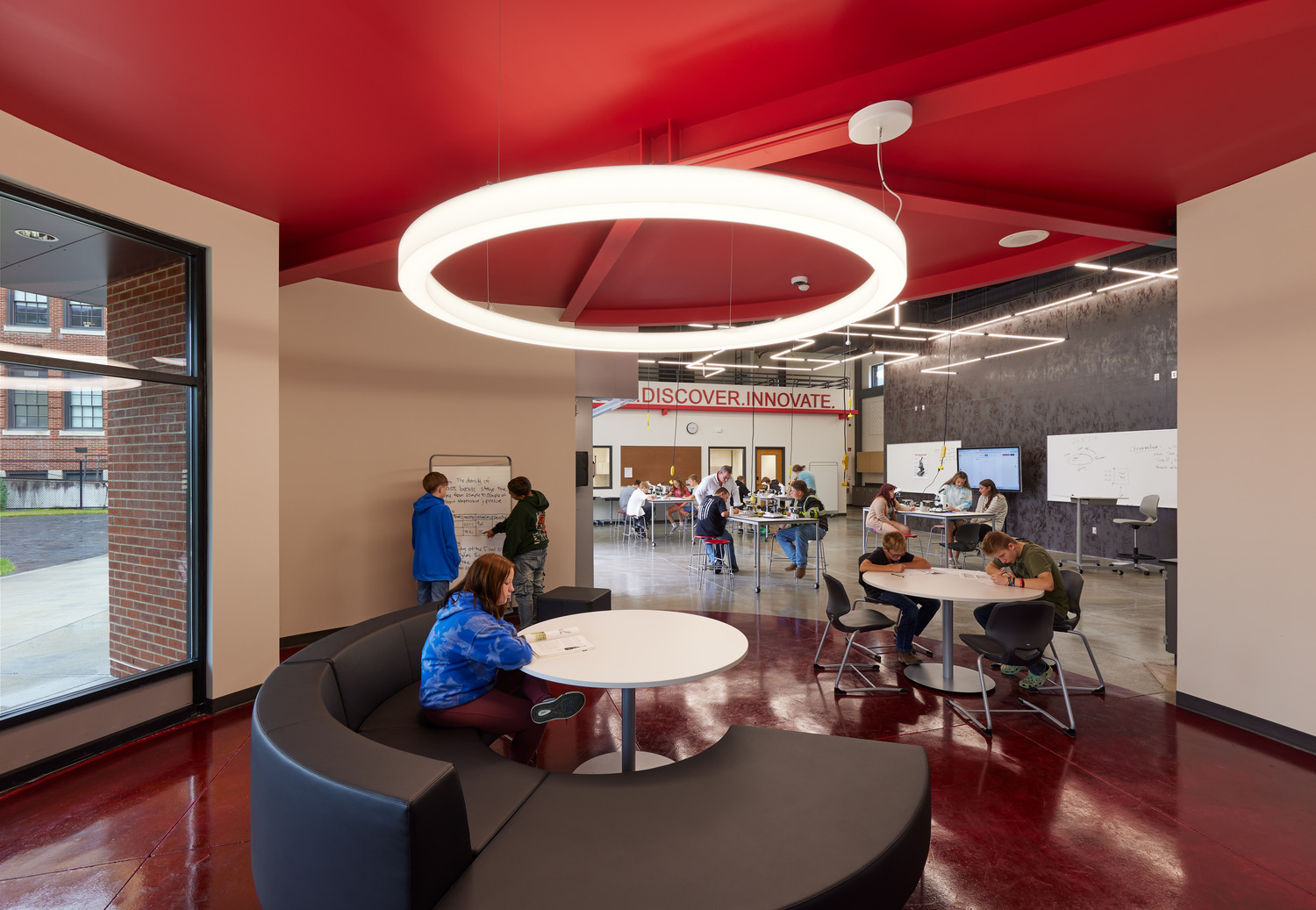
At the high school, new classrooms and breakout areas expand instructional flexibility, giving educators space to shift teaching methods throughout the day. At the elementary school, dedicated STEAM and computer labs introduce students early to coding, robotics and engineering-based learning, building foundational skills through active learning.
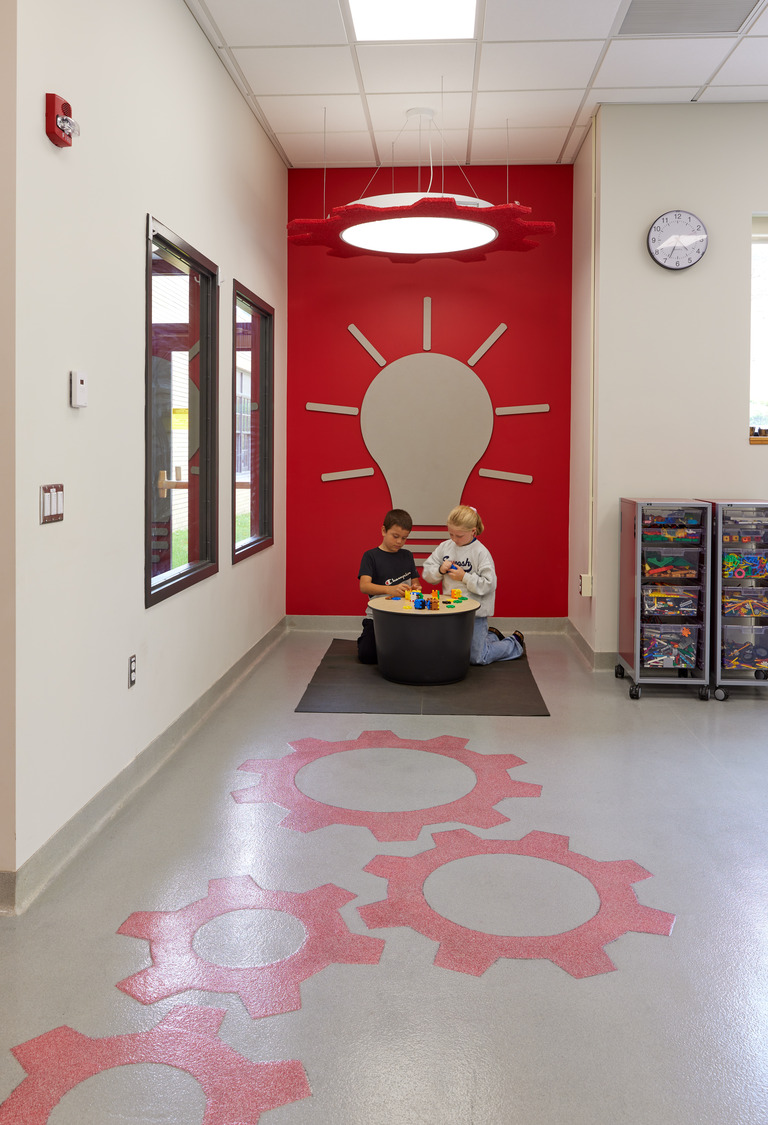
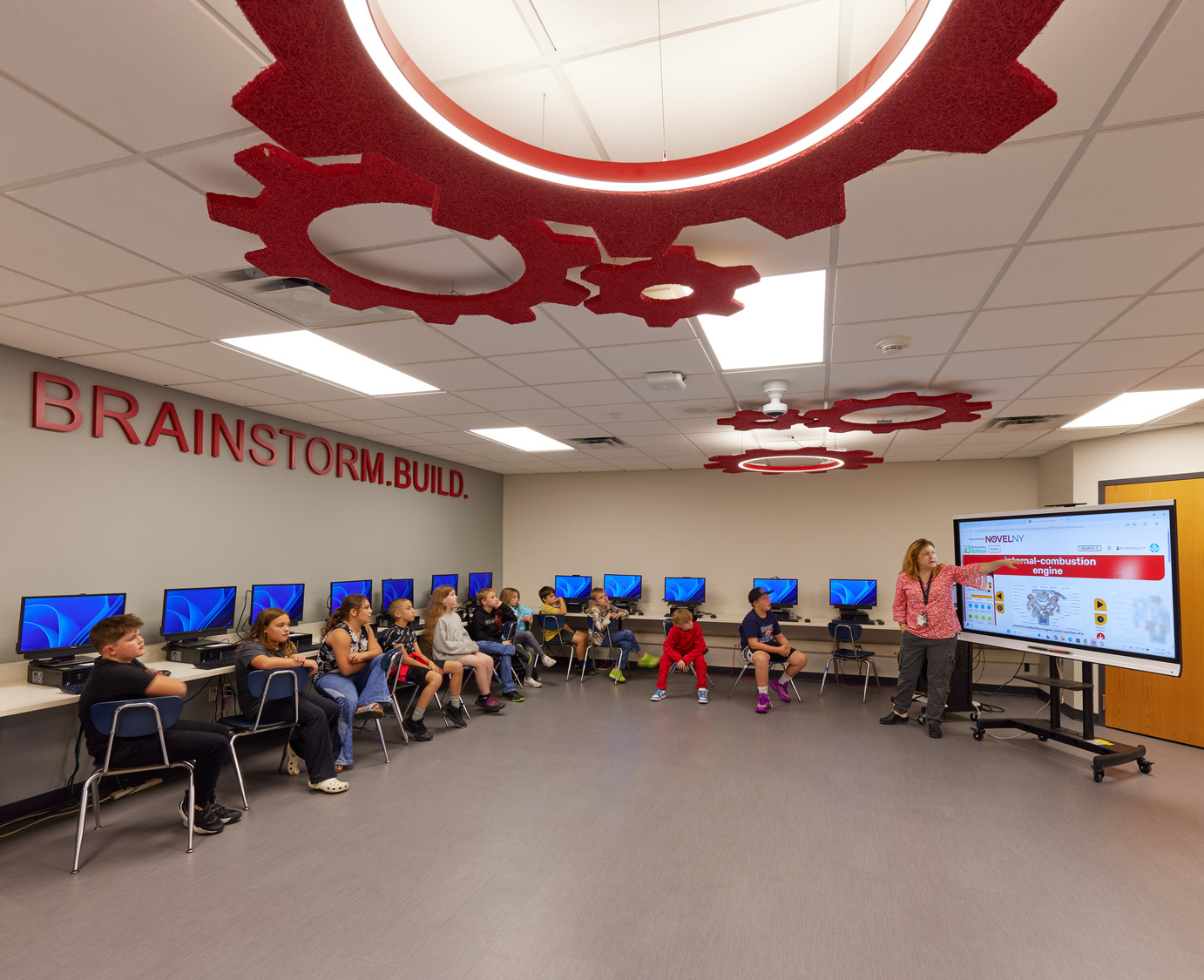
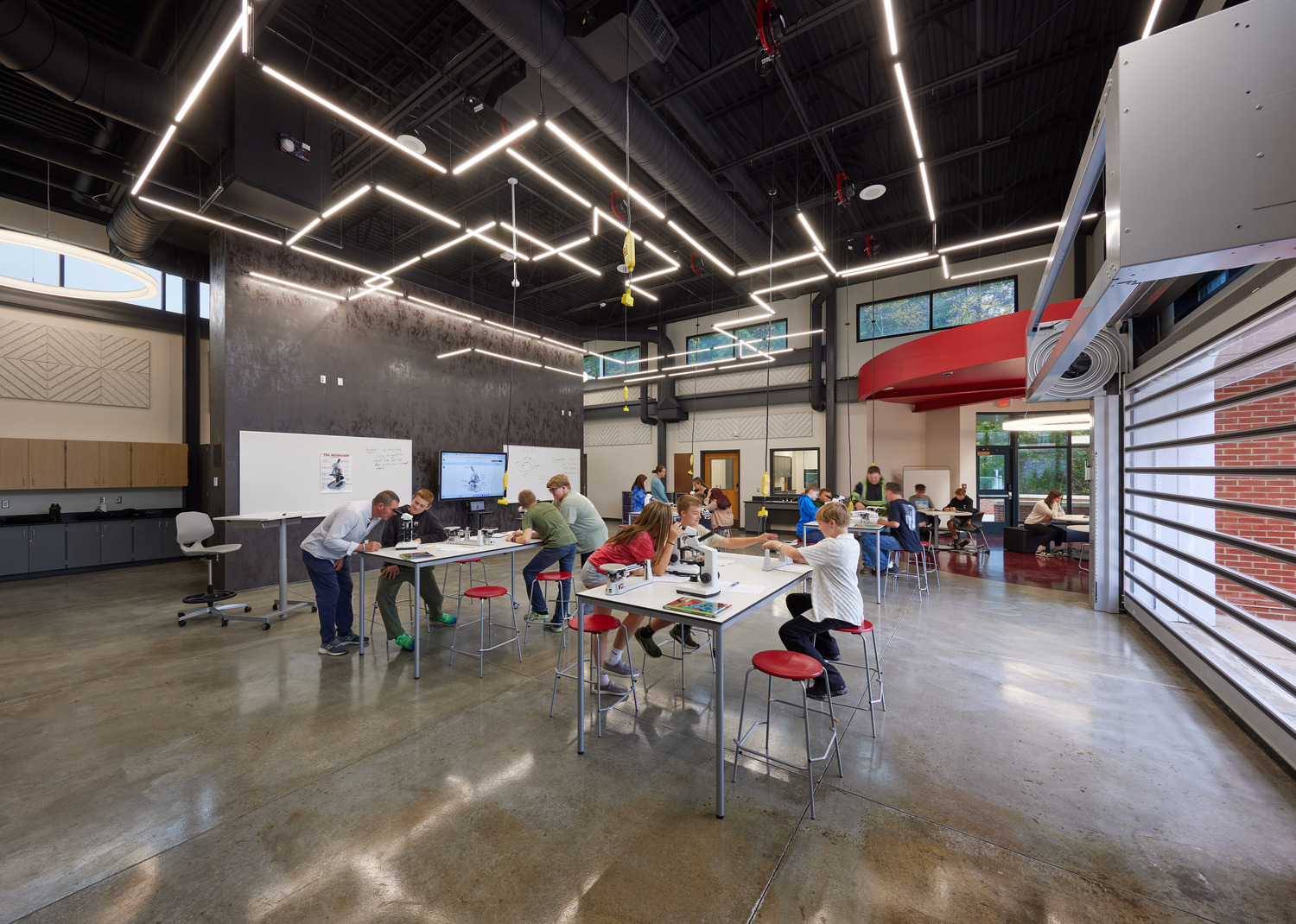
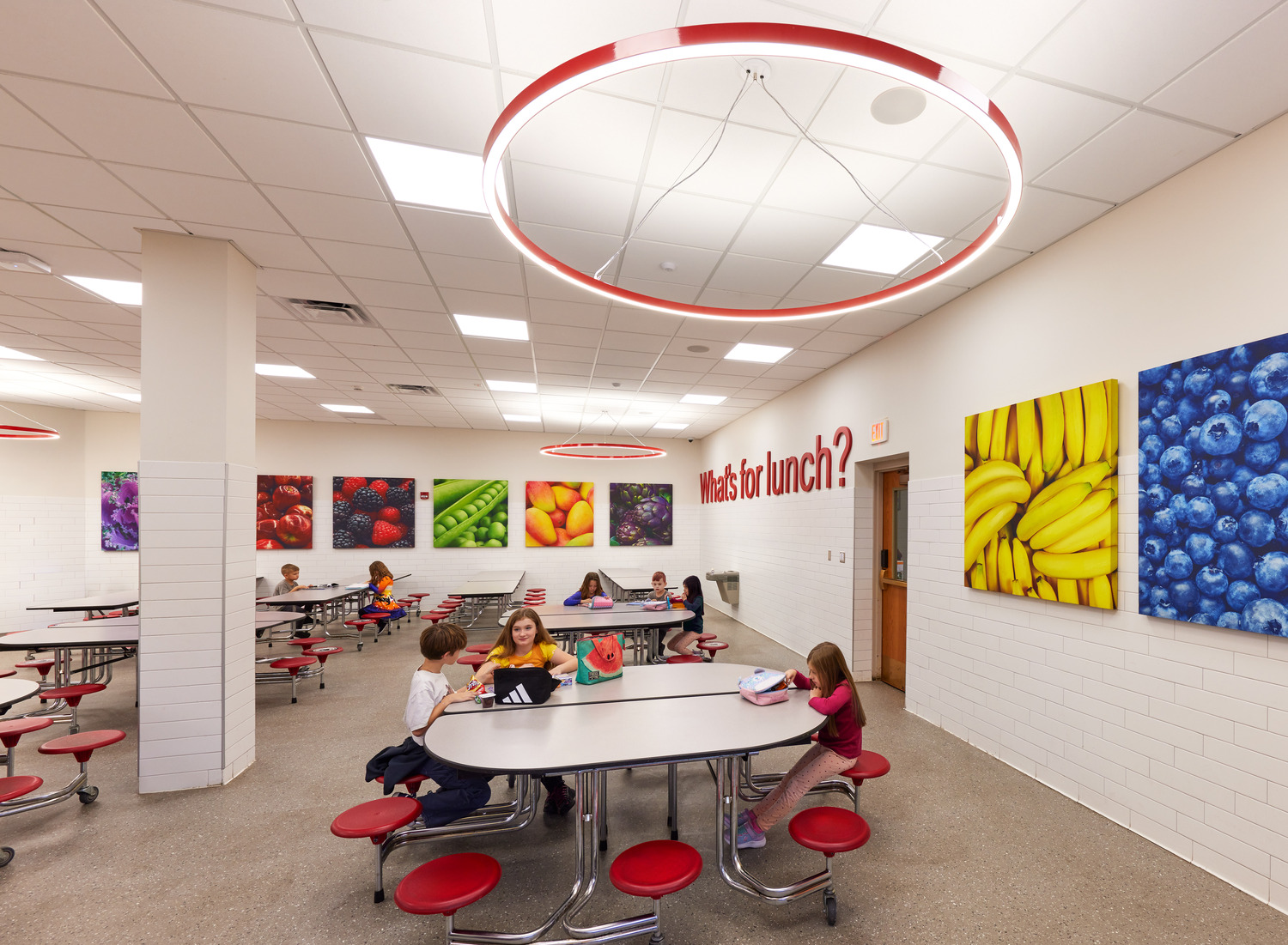
Adaptability is central to the design. Movable furniture, breakout rooms and reconfigurable layouts allow learning environments to transition seamlessly between instruction, group work and community use. Large glass openings bring in natural light and connect learning spaces to the surrounding environment, improving comfort and engagement for students and staff.
Across the district, additional upgrades include HVAC improvements and renovations to classrooms, shared learning areas and athletic facilities. These enhancements improve building performance and support more consistent conditions for students and educators across daily use.
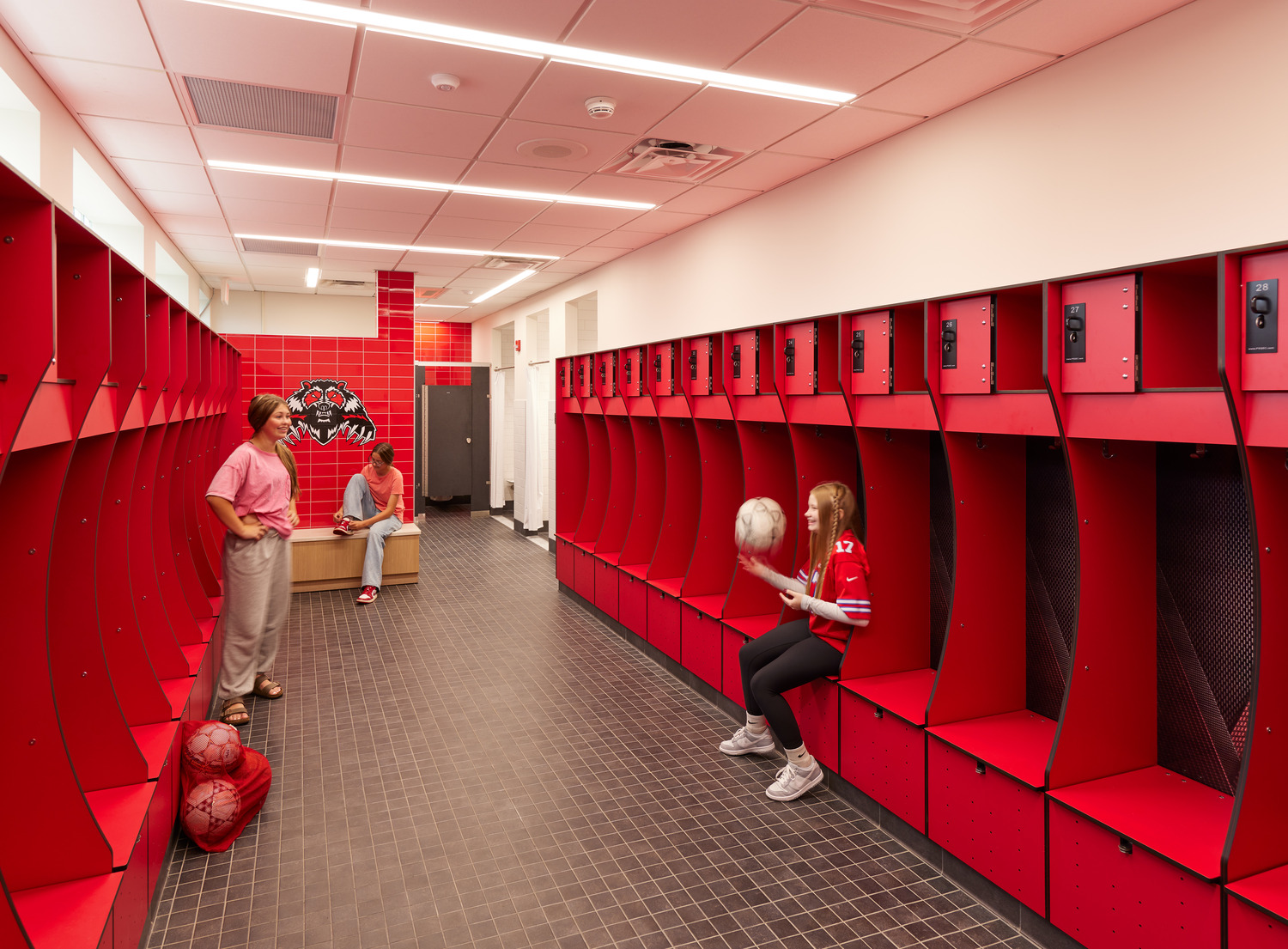
This project creates more than updated facilities—it shapes how learning happens across the district. Students gain access to environments that support exploration and skill-building, while educators gain the flexibility to adapt instruction in real time. Together, these spaces position Bolivar-Richburg to support learning that is more connected, more responsive, and better aligned with what students need next.
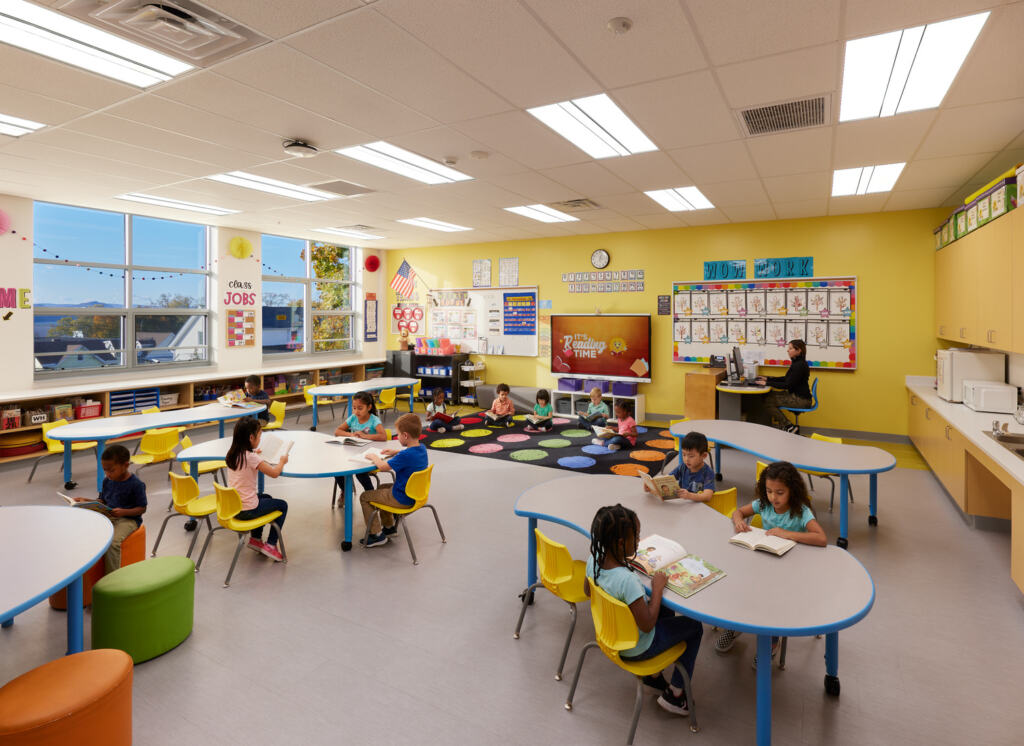 Park Early Childhood Center Second Floor Addition