
Share This Story
Senior living and healthcare-adjacent environments are at an inflection point. With a growing demographic and evolving expectations, design has the power to transform challenges—like rising costs and workforce constraints—into catalysts for innovation. The question is no longer “Should we design for seniors?” but “How can we create spaces that deliver real value and inspire the next decade of care?”
Building on established senior-first principles—ergonomics, lighting, acoustics, wayfinding and hospitality integration—design becomes a lever to elevate safety, dignity and operational performance while enriching everyday life.
Balancing aesthetics and function without compromise
When function informs form, senior-first environments avoid institutional aesthetics while quietly meeting healthcare requirements. Materials selected for glare control, acoustic absorption and durability reduce resident stress, minimize maintenance cycles and support infection-control protocols—without sacrificing warmth or identity.
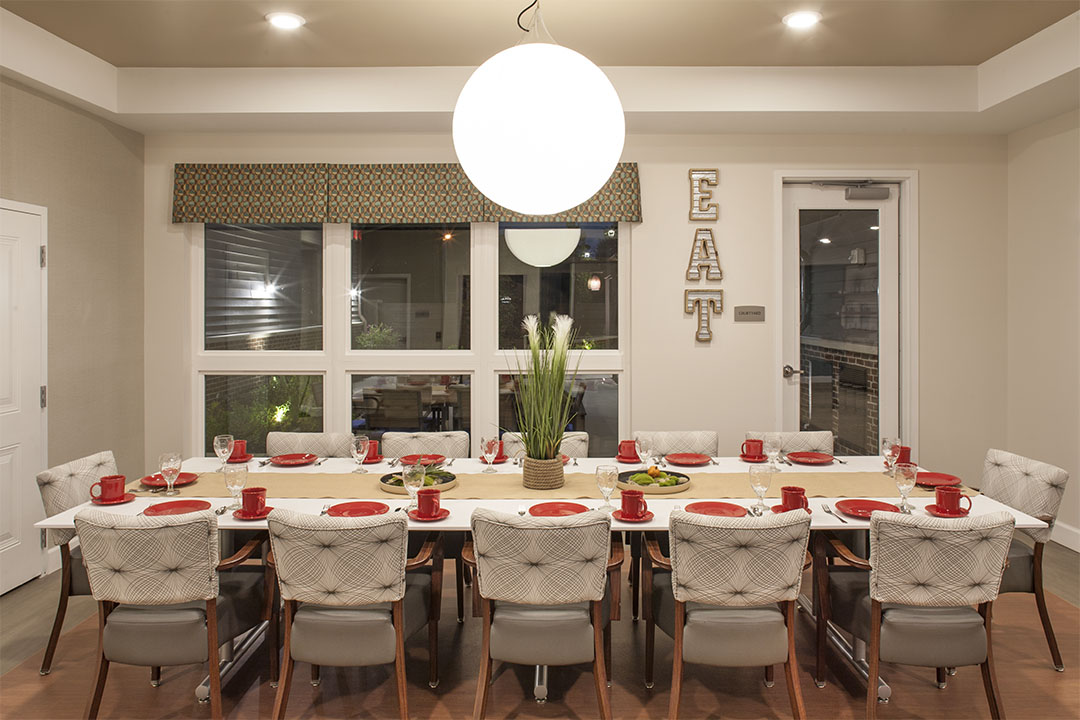
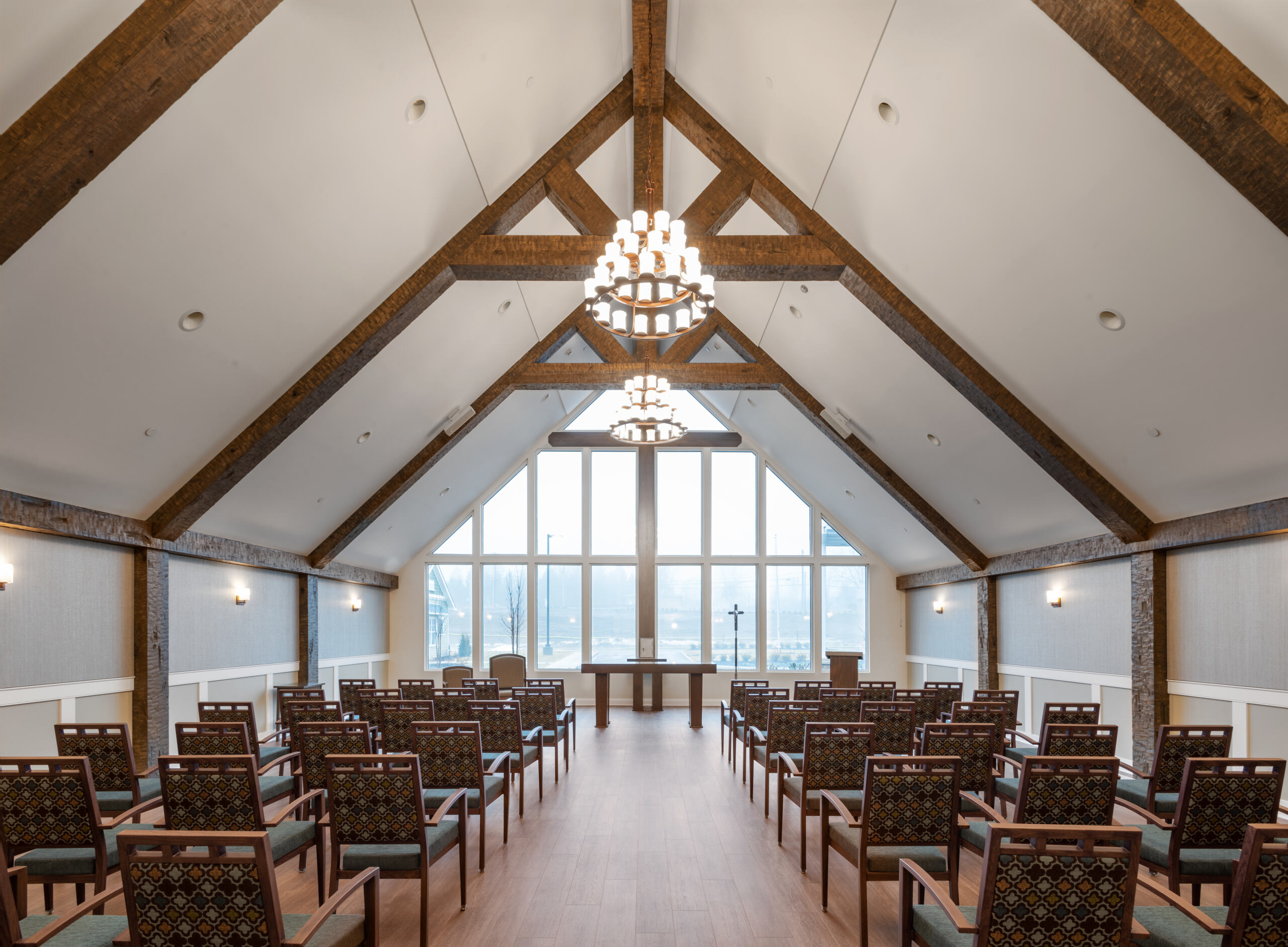
Memory‑care “neighborhoods” designed with a mid‑century look and feel and abundant daylight at The Grove at Oakleaf Village in Columbus create residential familiarity—each neighborhood includes an open kitchen, dining table and living room to support privacy and meaningful activity. At The Village of St. Edward’s Wadsworth campus, restaurant‑style dining spaces, a fitness center, salon and outdoor areas are integrated alongside spiritual programming in a dedicated chapel, aligning design quality with identity.
Human‑centered features that uphold independence
Design interventions should be judged against resident autonomy. Senior‑first choices mitigate reliance on staff and promote independence. Layered lighting and acoustic control help residents focus, connect and self‑navigate. Hospitality-forward amenities influence more than experience—affecting occupancy, family perception and length of stay. Spaces that feel active, welcoming and dignified reinforce trust and support long-term community reputation.
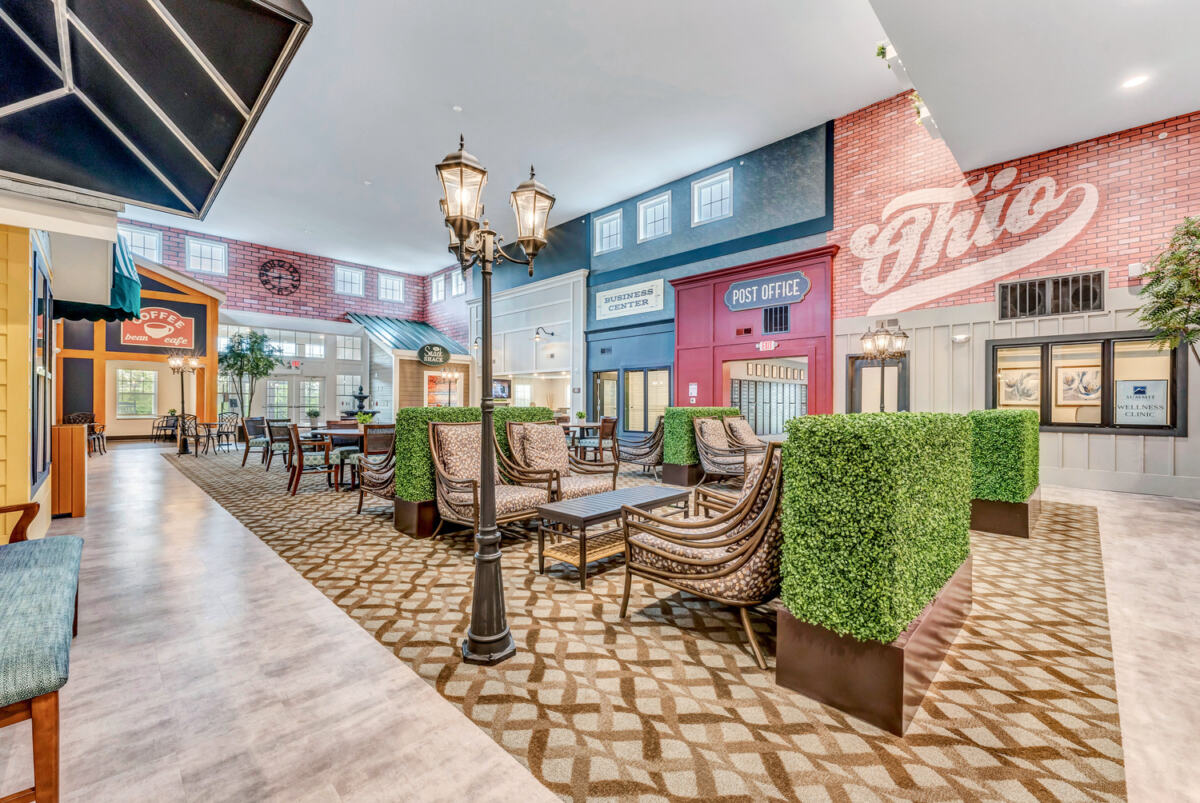
At its heart, the Homestead Village Active Senior Living Facility offers a library, fitness center, salon, post office, wellness room, family/game room, a pet care center and more. This concentrated mix not only makes daily life simpler for residents but also fosters social interaction—a critical factor in upholding physical and mental wellness.
Lighting, acoustics, and wayfinding as operational enablers
Glare-controlled lighting, consistent acoustic treatments and legible wayfinding reduce fall risk, lower resident agitation and decrease staff interruptions—particularly during peak circulation hours. Together, these elements can prevent disorientation events, cut “escort” time and support calmer, more confident movement throughout the community—freeing staff to focus on proactive care.
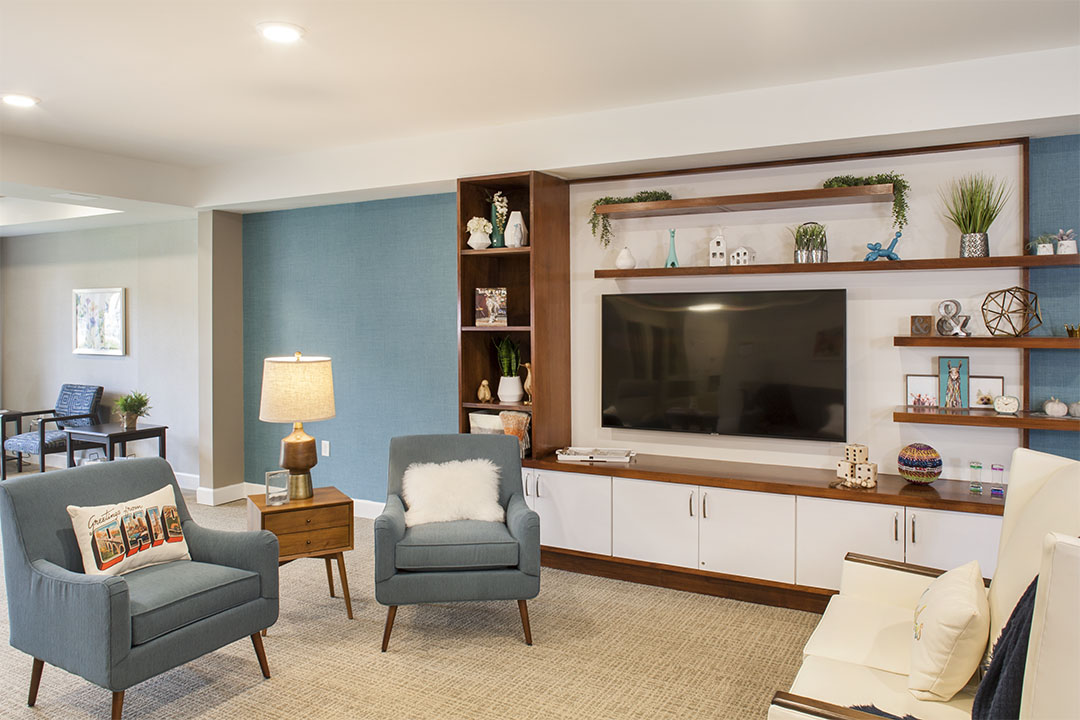
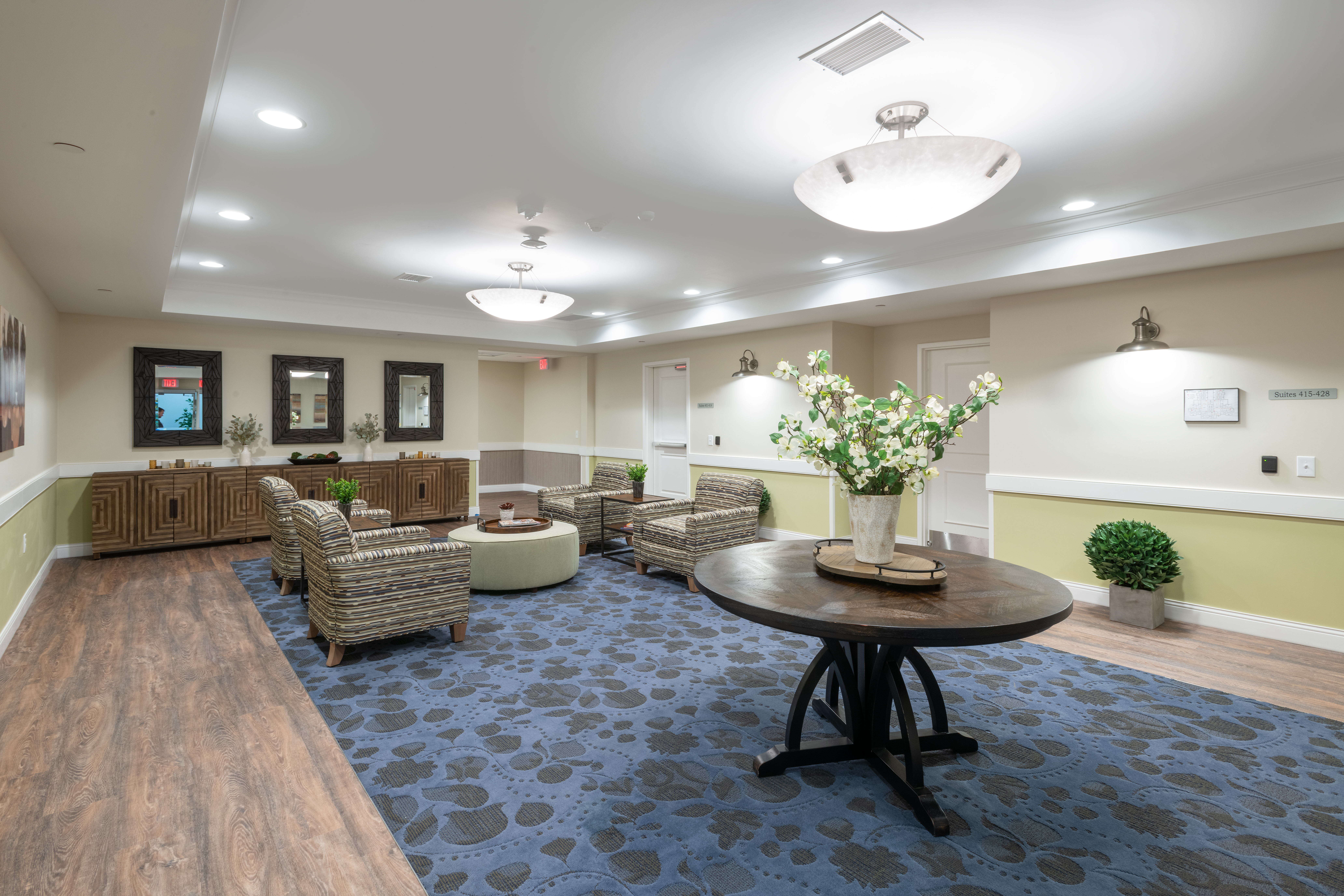
The Grove’s four smaller “neighborhoods” and clearly defined communal rooms, including a sunroom for one‑on‑one therapeutic care and a high‑ceilinged social living room, provide intuitive landmarks and quieter gathering zones that combat overstimulation. At St. Edward’s Wadsworth campus, a coherent campus plan spanning independent living, assisted living and memory care makes transitions less disruptive and preserves consistent environmental cues.
The operational and financial case: where design meets ROI
From leadership’s perspective, the value of senior‑first design is realized in fewer incidents, smoother workflows and smarter use of staff. Consider four impact channels:
Safety & Incident Reduction
Seamless flooring transitions, glare‑controlled lighting, ergonomic furniture and legible wayfinding lower risk and potential costs.
Staff Efficiency
Spaces that minimize resident confusion and support self‑navigation reduce “escort” time and ad‑hoc redirections, allowing staff to focus on clinical care and proactive engagement.
Energy & Maintenance Savings
Targeted upgrades to HVAC, envelope, and lighting systems produce 5–10‑year savings curves—critical as post‑COVID operational costs persist.
Revenue & Satisfaction
Hospitality‑caliber dining and programming increase family participation and resident satisfaction—key drivers of occupancy and reputation.
While “aging in place” remains a compelling vision, some operators are now re‑balancing toward distinct care zones to streamline staffing and clinical workflows. Senior‑first design supports both models by maintaining consistent environmental cues across settings.
Implementation roadmap: 5 steps that respect the budget
Leaders and developers can integrate these principles in phases:
Senior‑first design is a strategic investment. By integrating hospitality with healthcare rigor through ergonomics, lighting, acoustics, intuitive wayfinding and flexible programming, leaders can reduce staff burden, enhance safety and create communities that residents are proud to call home. With mission‑critical thinking, CPL partners with organizations to transform what’s possible in senior care—today and in the decade ahead.
About the Authors: Heidi Johnson and Shital Galani
Heidi Johnson, IIDA
As an Interior Designer in our Healthcare practice, Heidi has spent more than 20 years transforming medical environments into spaces that uplift the human spirit. With a meticulous eye for materials, finishes and color, she brings warmth and empathy into every design, whether it’s a vascular lab, orthopedic clinic, autism treatment center or full-scale hospital. Her ability to blend aesthetic intention with technical rigor makes her an invaluable asset to clients and colleagues alike.
Shital Galani, AIA, ACHA
As a Principal Architect with over two decades of experience, Shital is a trusted leader in healthcare design, known for delivering thoughtful solutions across the entire continuum of care, from behavioral health facilities to outpatient clinics and medical office buildings. A registered architect in seven states, he brings a deep well of knowledge and calm confidence to every project, championing design decisions that serve both patients and providers. His mentorship and strategic insight continue to shape the growth of our Healthcare practice team.
About the Author: CPL

