
Share This Story
Essential public infrastructure is reaching a tipping point. According to the American Society of Civil Engineers (ASCE), 39% of U.S. roads are in poor condition, 1/3 of the nation’s bridges need repair work or replacement and many water and wastewater systems have exceeded their intended service lives.
Meanwhile, residents expect hassle-free commutes and more resilient utilities—without the burden of higher taxes or service interruptions. For local governments with tight budgets, the question isn’t just what to fix, but how to do so affordably.
The answer? Thoughtful upgrades rooted in regulatory know-how and funding strategies that stretch every dollar.
From Grant Applications to Activation
External funding is key for most infrastructure projects. Municipal leaders rely heavily on state and federal support, but not all grants are created equally, and not every venture is application-ready by default.
Success therefore hinges on two things: early engagement and a clear understanding of available opportunities.
Water & Wastewater Grants
National programs such as USDA’s Rural Development and HUD’s Community Development Block Grants (CDBG) help underserved towns and cities address vital water and sewer needs. At the state level, resources vary widely but continue to grow with evolving demand.
In New York, for example, the Water Quality Improvement Project (WQIP) program and the Water Infrastructure Improvement Act (WIIA) offer expenditures for projects with tangible environmental and public health gains.
Bridge & Roadway Grants
Transportation follows a different—but equally layered—path. The Federal-Aid Highway Program and the Surface Transportation Block Grant (STBG) provide broad assistance for roadway and bridge rehabilitation and reconstruction, with money typically channeled through state DOTs or MPOs.
Other regional initiatives like CHIPS employ formula-based, predictable aid for local roadways—calculated by population and mileage and ideal for efforts lasting at least a decade.
Water & Wastewater Grants
Federal programs help underserved communities address vital water and sewer needs.
State resources vary but continue to grow with demand.
Bridge & Roadway Grants
For transportation projects, federal funds are distributed through state DOTs or MPOs.
Regardless of project type or agency, winning proposals typically share three major elements:
- A compelling case for regional impact—particularly when the project tackles joint challenges through intermunicipal collaboration or by consolidating infrastructure with neighboring counties
- Clearly defined outcomes—with measurable evidence for community wellness, land protection or code conformance
- Fiscal responsibility—backed by data or phased implementation for greater return on investment
Compliance is tightly woven into the funding process. The relationship is symbiotic: the same agencies that enforce requirements also help pay for projects. Consequently, strong rapport with agency contacts and extensive knowledge of grant criteria can lead to letters of support and faster approvals.
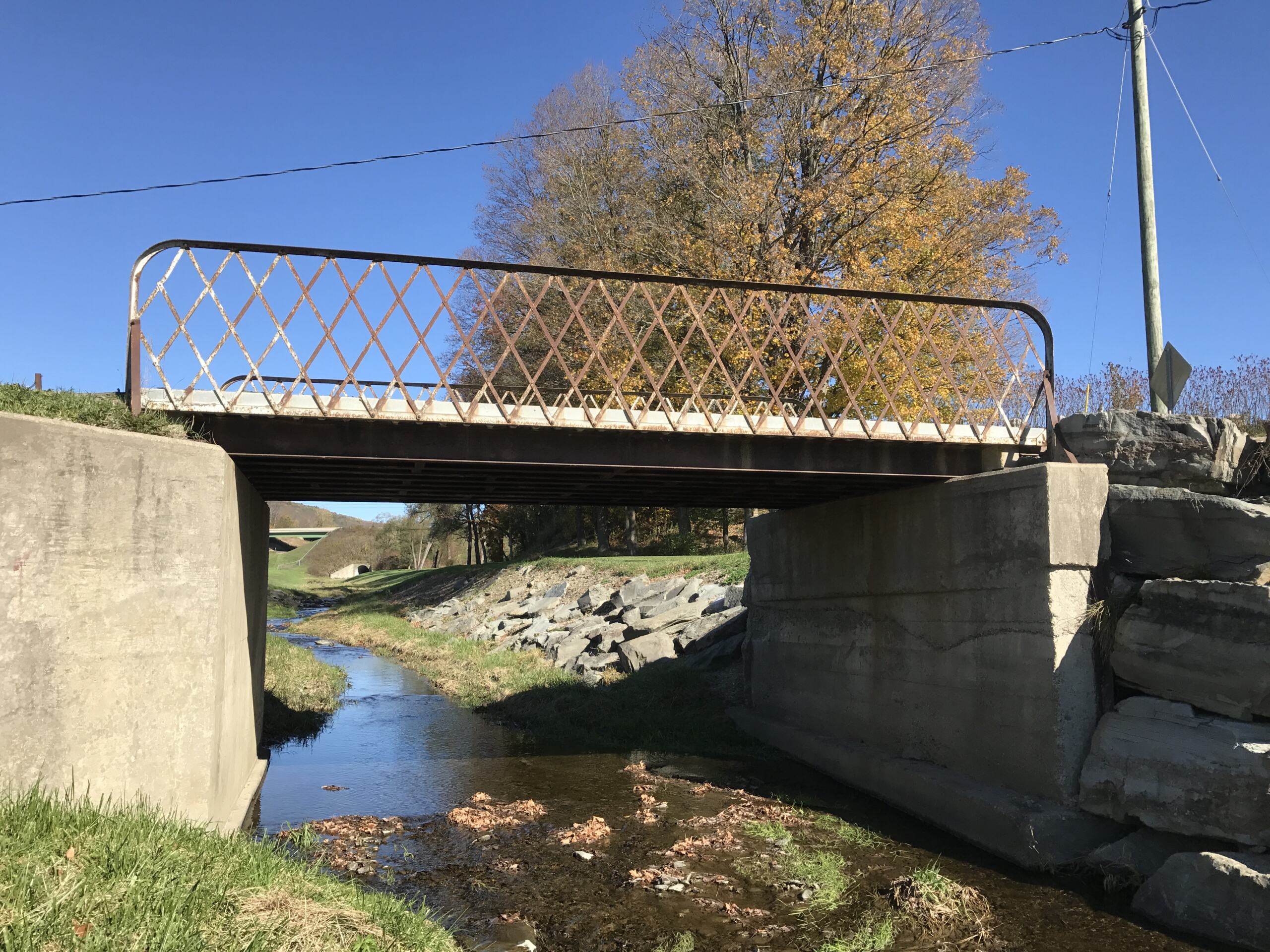
In Avoca, a deteriorating bridge near school athletic fields became a pressing issue, but the district lacked the necessary capital for improvements. Recognizing the mutual advantage, we connected K-12 administrators with local officials, joining forces to craft a BRIDGE NY application that achieved funding.
Water & Wastewater Wins on a Budget
When water systems or facilities begin to show their age, full-scale replacement may seem unavoidable. But with the right methodology, retrofits can dramatically enhance performance at a fraction of the cost.
A prudent first step is to conduct a cost-benefit analysis that weighs operational needs, longevity and funding terms, considering equipment durability, maintenance demands and staff insights.
From there, decision-makers might embrace strategies like:
- Intelligent Control Systems: Updating SCADA platforms, automation and alarm notifications boosts system responsiveness and operator awareness while reducing callouts.
- Infiltration & Inflow (I/I) Reduction: Sewer lining, lateral repairs and manhole rehab cut infiltration/inflow, free up treatment capacity and stop overflows.
- Process Optimization: Reconfiguring tanks and flow paths maximizes treatment efficiency and minimizes construction interference.
- Energy Efficiency: VFDs, lean motors and renewables slice operating costs and uphold sustainability.
- Redundancy Upgrades: Backup power, floodproofing, right-sized equipment and added wet weather storage bolster reliability and climate readiness.
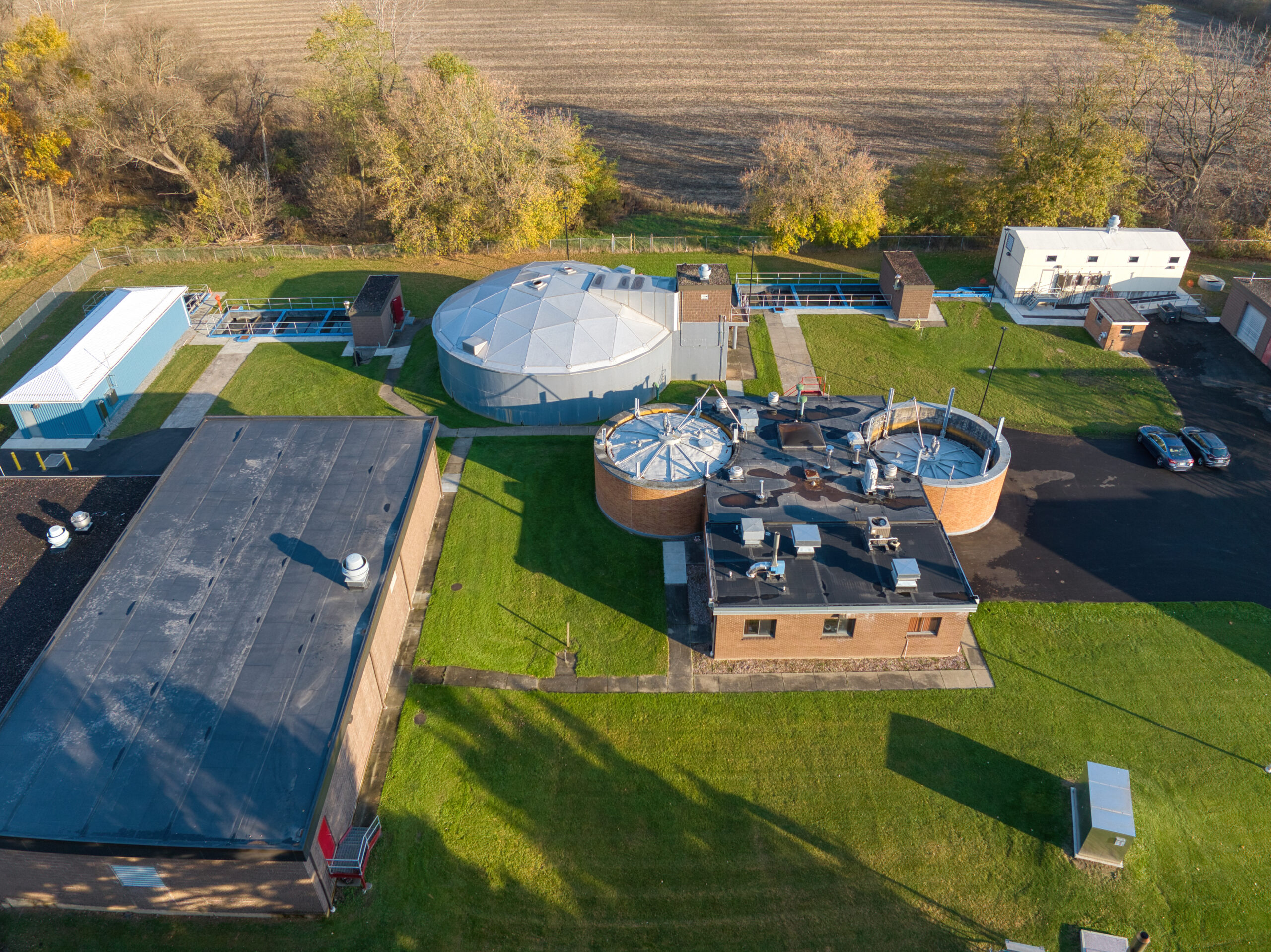
To satisfy new effluent standards, the Village of Akron upgraded its wastewater facility with a new rotating biological contactor (RBC) system, better flow management, rehabilitated digesters and UV disinfection. Our team helped secure $1.49 million in grant funding and a 30-year, zero-interest loan through the Clean Water State Revolving Fund, making the project financially feasible.
Repairs That Go the Distance
Dated roadways and bridges present a distinct set of hurdles within the infrastructure landscape. Deferred maintenance can quickly escalate minor surface issues into larger reconstruction needs, unless municipalities intervene with proactive, data-driven approaches, such as:
- Pavement Preservation: Mill-and-fill, overlays and reclamation elongate lifespans when prioritized by need and use.
- Subsurface Repairs: Stabilizing soil and reinforcing base layers can prevent ongoing surface failure.
- Bridge Deck and Joint Rehabilitation: Targeted repairs to decks and expansion joints increase endurance and combat water infiltration that can compromise bridge integrity.
- Scour Protection: Installing riprap or grout bags around bridge foundations can mitigate erosion risks and ensure long-term safety.
- Smart Monitoring: Sensors and IoT tech enable real-time tracking and anticipatory maintenance.
- Green Infrastructure: Bioswales, permeable pavements and buffers manage runoff and build expediency.
- Utility Coordination: Aligning sewer, broadband and electric overhauls with road projects can stop disruptions.
Quiet Progress, Big Results
Modernization isn’t always flashy. Sometimes, it looks like a smoother drive, lower energy bills or a system that stays compliant for decades. By marrying practical vision with deliberate phasing and the right funding mix, growth-oriented communities can extend the life of critical infrastructure without breaking the bank or causing unnecessary delays.
About the Author: Jason Foote

