
Share This Story
State and local governments across the country are taking proactive steps to modernize mortuary science and medical examiner facilities, recognizing the opportunity to strengthen public health infrastructure and meet the needs of growing communities. These investments support more efficient caseload management, improved workforce development, and enhanced services that reflect evolving expectations for quality and dignity.
In states such as North Carolina, for example, population growth has outpaced available medical examiner services for years, prompting the governor to call for multiple new regional facilities to serve expanding multi‑county jurisdictions. These centers often operate 24/7 and require environments that keep pace not just with demand, but with the safety, privacy, and technological needs of today’s professionals.
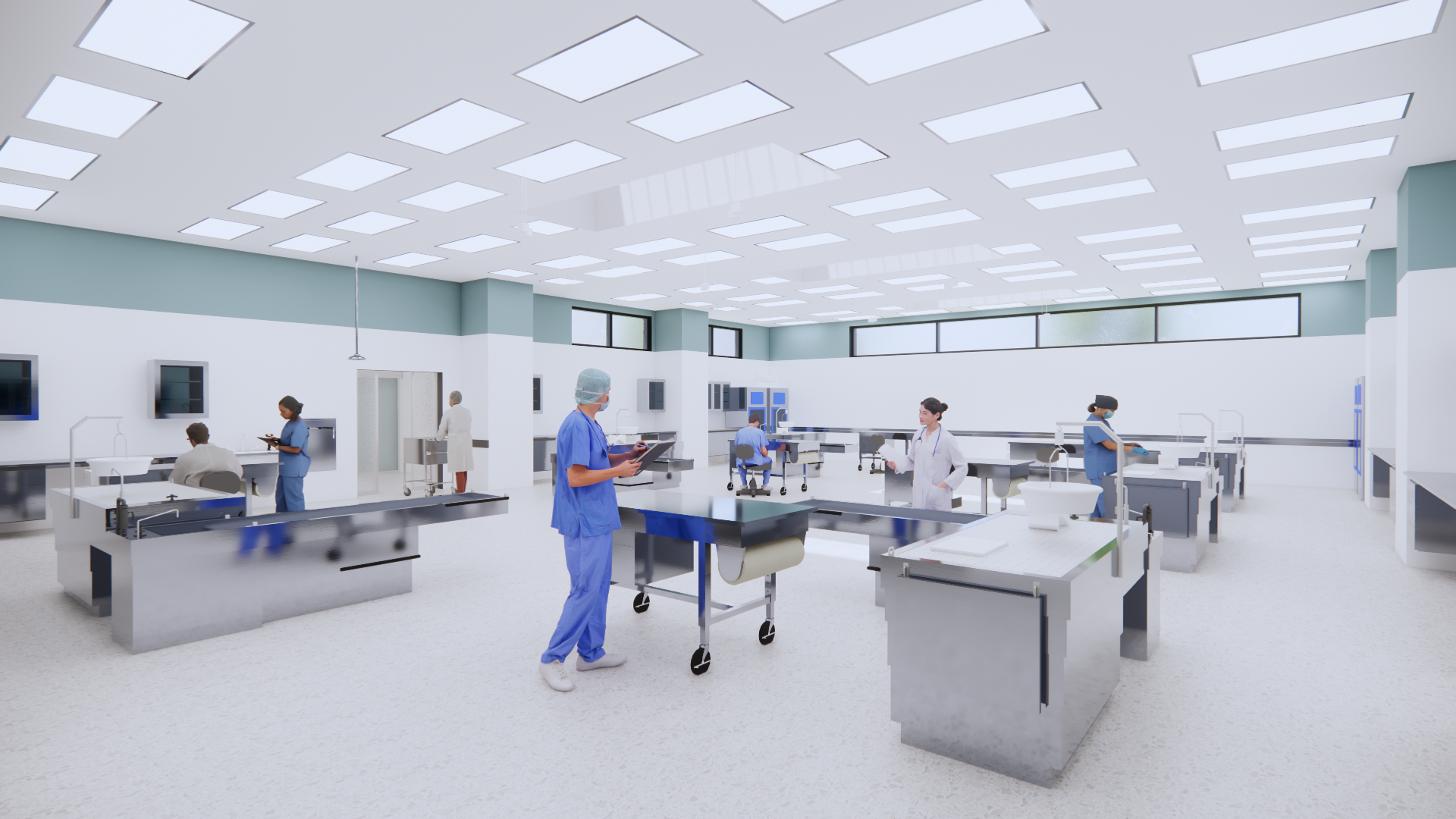
Government leaders—county executives, public safety directors, state health officials, and capital planning authorities—play an essential role in ensuring their communities have the mortuary infrastructure needed to support public health, forensic accuracy, and emergency preparedness. Yet mortuary science and autopsy facilities are among the most misunderstood, complex, and highly regulated building types in the public sector. Their requirements differ from those of hospitals, public health labs, or traditional academic science facilities. Understanding these realities early can prevent costly missteps, improve long‑term operational efficiency, and contribute to healthier, safer working environments for pathologists, investigators, students, and law enforcement partners.
A Rising Need for Modern Mortuary Facilities
The renewed urgency for mortuary science and medical examiner facilities is driven by several forces. Population migration from the Northeast to the South and West has intensified regional caseloads, requiring more robust infrastructure and expanded staffing. In many states, the medical examiner system is operating at or beyond capacity, with older facilities lacking the space, ventilation, or technological integration necessary for today’s forensic workloads. As a result, states are increasingly funding new regional centers to relieve strained systems and ensure timely, high‑quality death investigation services.
Another factor driving facility development is workforce pipeline pressure. Communities across the country face shortages of trained pathologists, death investigators, and funeral service professionals. Colleges and universities are responding by exploring or expanding mortuary science programs, often in partnership with state agencies or regional health systems. These academic partnerships benefit government entities by cultivating a stronger, local workforce and enabling students to observe, learn, and train in purpose‑built environments aligned with real‑world practice.
Specialized Facility Requirements: What Government Leaders Need to Know
Mortuary science and medical examiner labs are fundamentally different from traditional academic, STEM, or health science facilities. Their infrastructure requirements demand early planning, realistic budgeting, and design expertise specific to forensic and decedent‑care environments.
A modern facility typically includes embalming labs, autopsy suites, decomposition rooms, secure cold storage for decedents, medical waste holding, chemical storage, sallyports for confidential and secure transfers, and dedicated locker rooms, shower facilities, and gowning areas for staff. Unlike other lab environments, mortuary spaces must be designed around strict odor control, high air‑exchange rates, infection prevention, and heavy‑duty sanitation needs. Features such as seamless floor‑to‑wall transitions, high‑durability terrazzo flooring, and specialized drainage prevent contamination and enable efficient wash‑down and disinfecting.
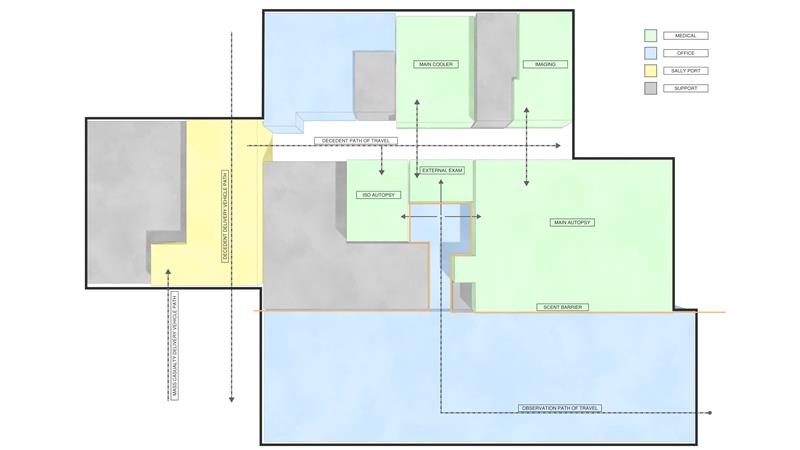
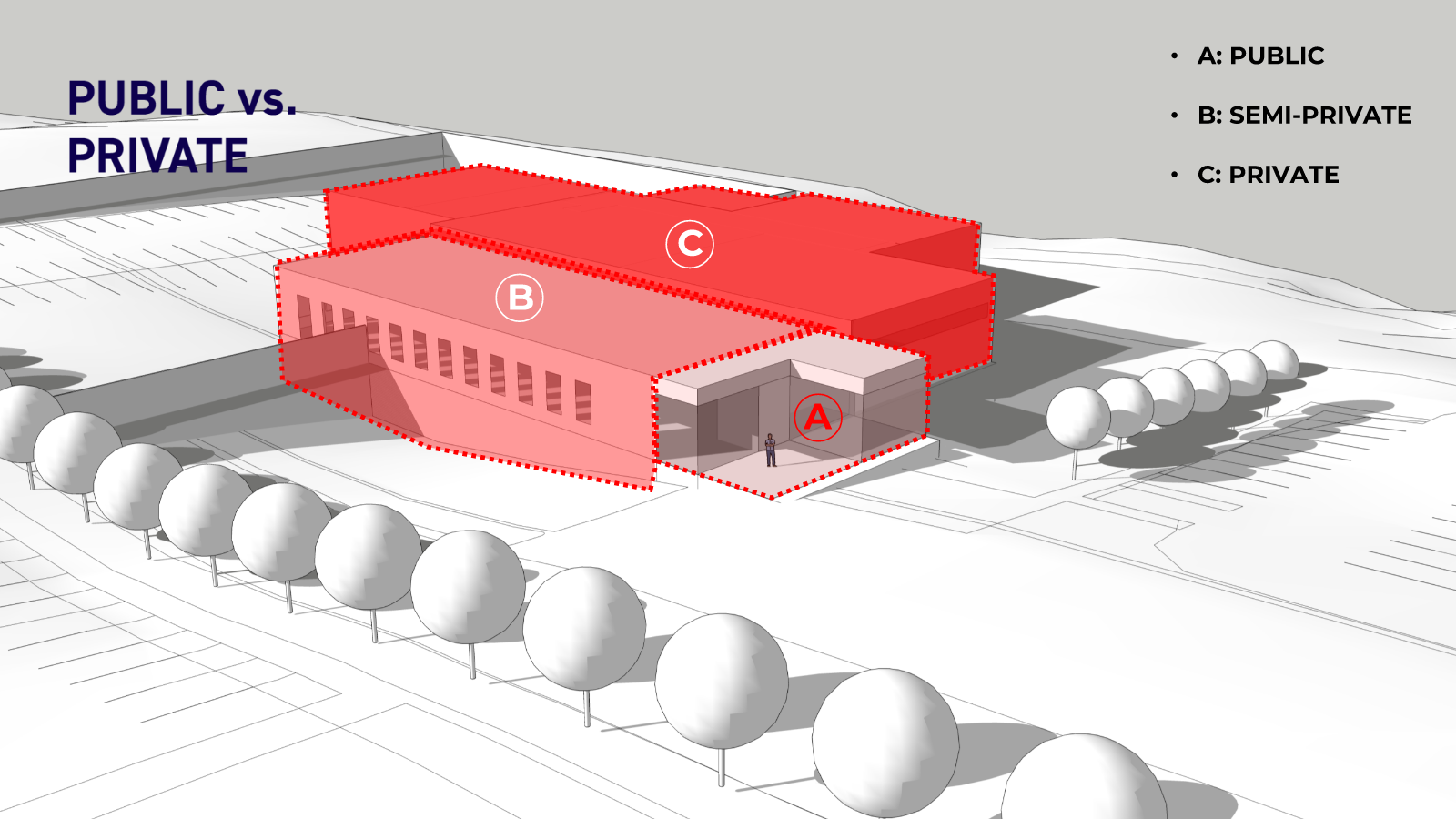
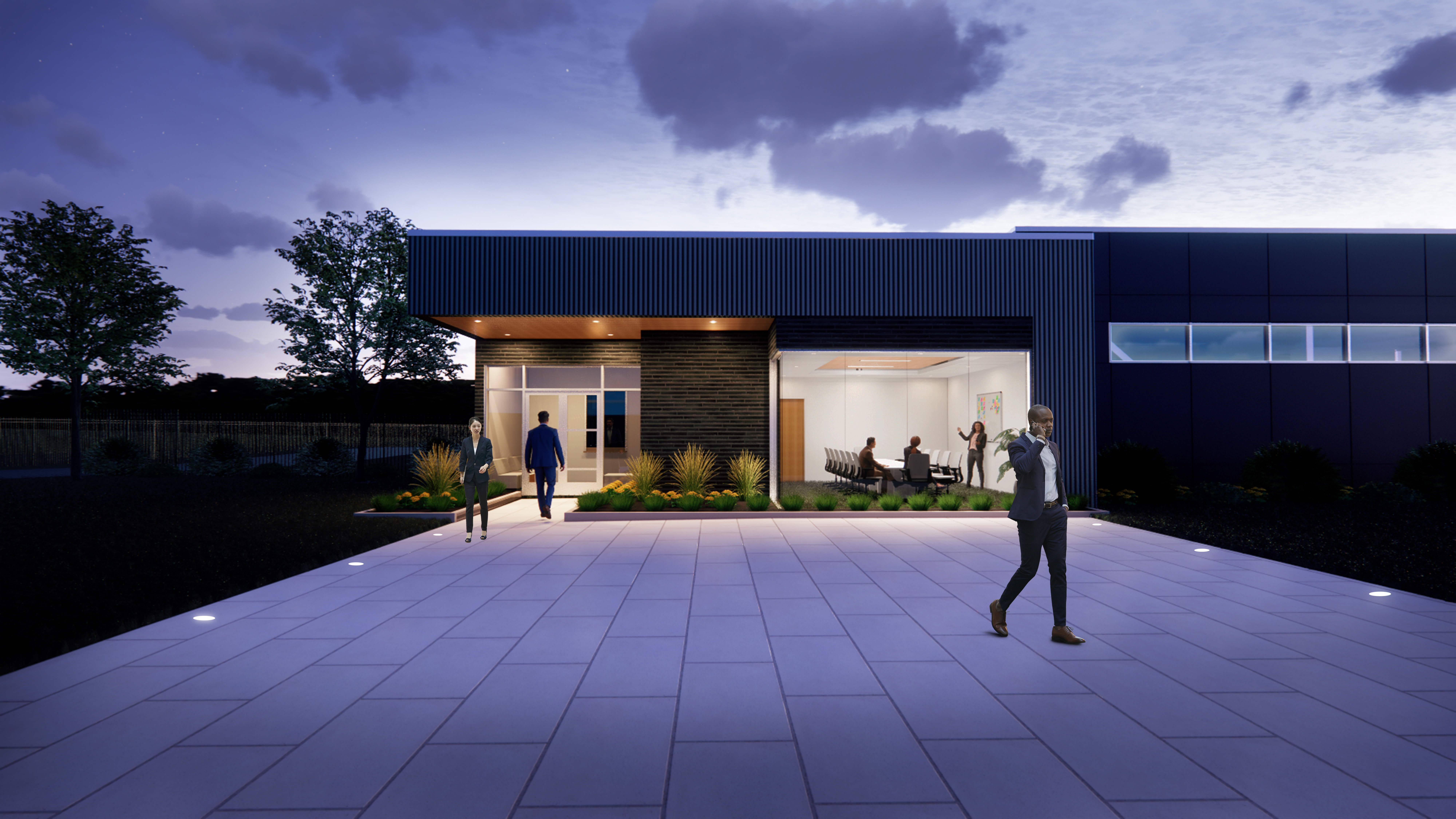
Security and privacy are equally vital. Because these facilities may receive high‑profile decedents or support active criminal investigations, they require ballistic‑rated materials at the public frontage, elevated windowsills, access‑controlled entrances, and separated public and private circulation paths. Exterior approaches must consider vehicular threat mitigation, while press‑management zones and discreet wayfinding minimize disruption and protect confidentiality. Sallyports must be fully enclosed to shield decedent transfers from public view, and many regions now request designs large enough to accommodate semi‑trailers for mass‑fatality events.
Government planners should recognize that these requirements make mortuary facilities cost‑comparable to advanced research labs, typically ranging between $1,000–$1,400 per square foot. Early cost education is essential. When planners and decision makers understand these costs early, they are better positioned to plan proactively and prioritize the specialized systems, durable finishes, and essential support spaces that enable these facilities to operate efficiently and safely.
In addition, recruitment and retention increasingly depend on high‑quality support environments—particularly as more women enter the field—making lactation rooms, showers, and locker areas non‑negotiable components of modern facilities
Compliance, Accreditation, and Operational Safety
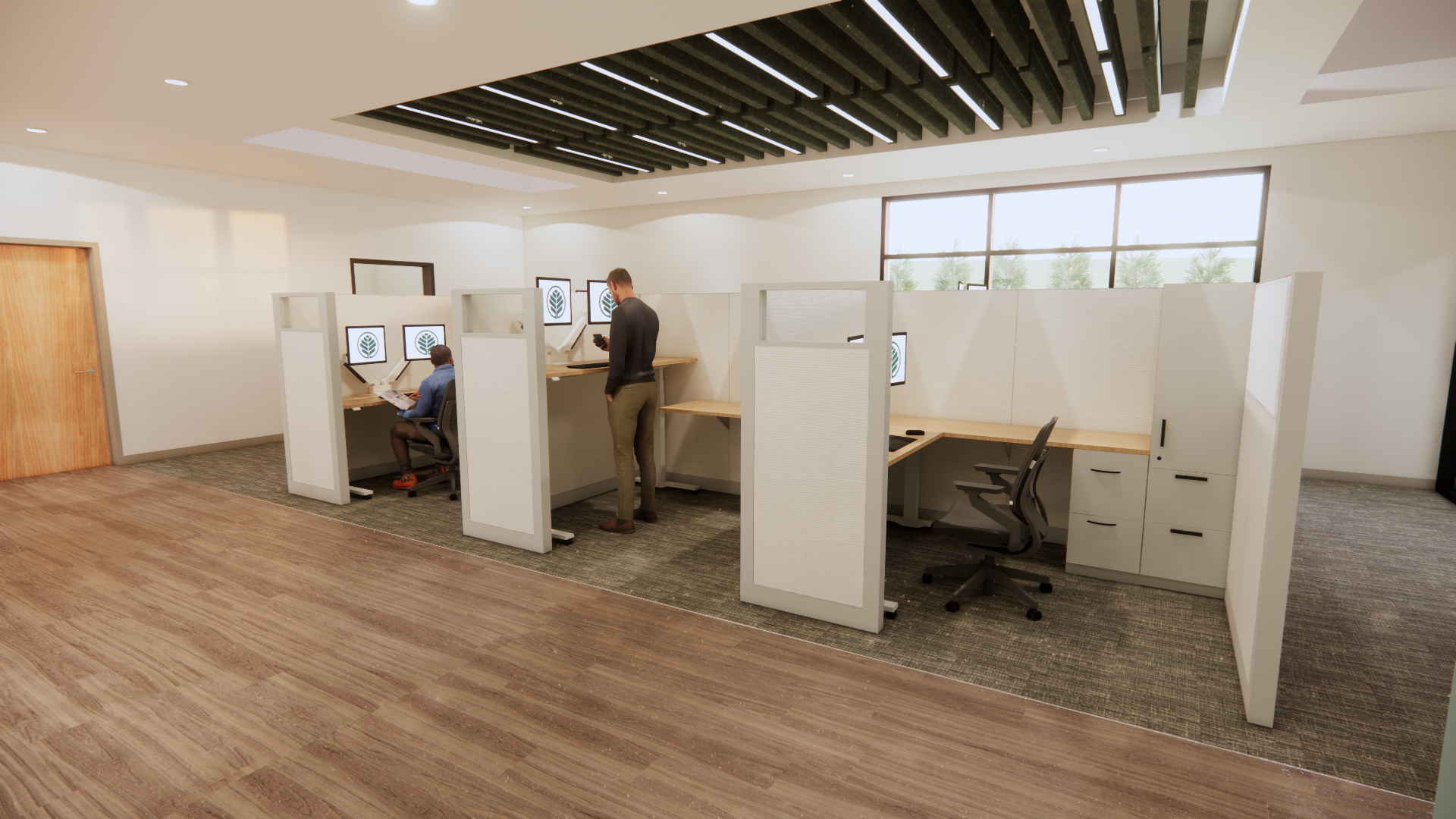
Proper health and safety compliance is central to mortuary facility planning. These buildings must meet requirements established by OSHA, the state board of medical examiners, and accreditation bodies governing autopsy and forensic practice. Regulatory checklists detail everything from sanitation protocols and air‑exchange rates to lighting levels and disinfection systems. Daylight access—often absent in older basement‑level facilities—is increasingly recognized as critical for staff health and operational performance.
The greatest challenge for many municipalities is adapting outdated rooms in existing buildings. Renovation projects often struggle with insufficient ventilation, low ceilings, inadequate structural support for autopsy equipment, and aging mechanical systems unable to achieve required airflows. Retrofitting can also be limited by lack of space for sallyports or cold storage expansions. As a result, many jurisdictions are now opting for new, purpose‑built facilities that support modern workflow, regulatory compliance, and staff well‑being.
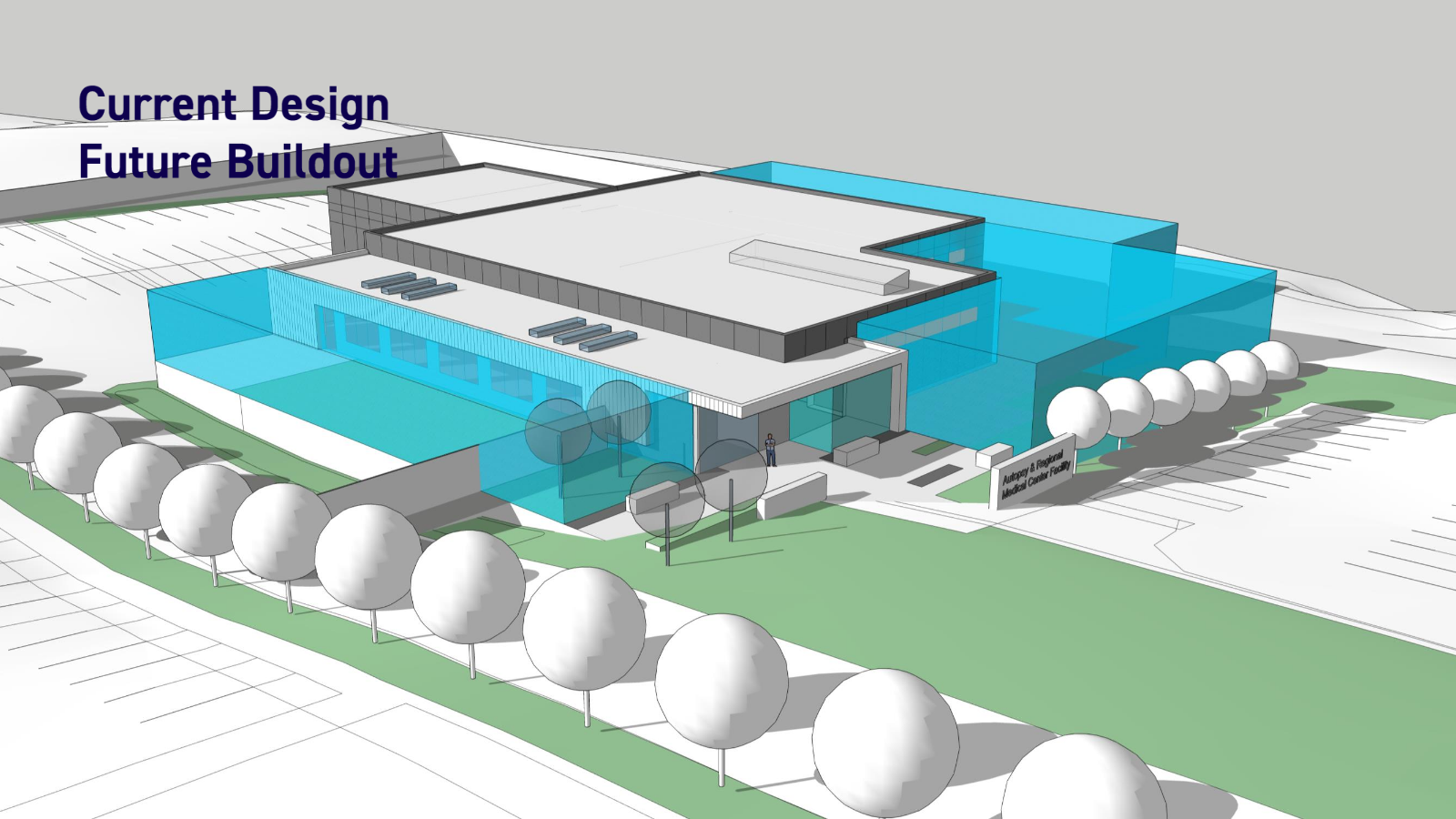
Given the continuous nature of operations, expansion must be designed to occur affordably and without service interruption. Flexible design strategies, such as modular construction, phased expansion zones, and easily upgradable infrastructure help ensure that critical services remain uninterrupted, even as needs evolve.
Designing Student-Centered Learning Environments
For public universities offering mortuary science programs, facility design plays a direct role in student preparation, emotional resilience, and professional readiness. Students must learn within realistic environments—but also within spaces that reduce anxiety, support mental health, and promote respectful engagement with decedent care.
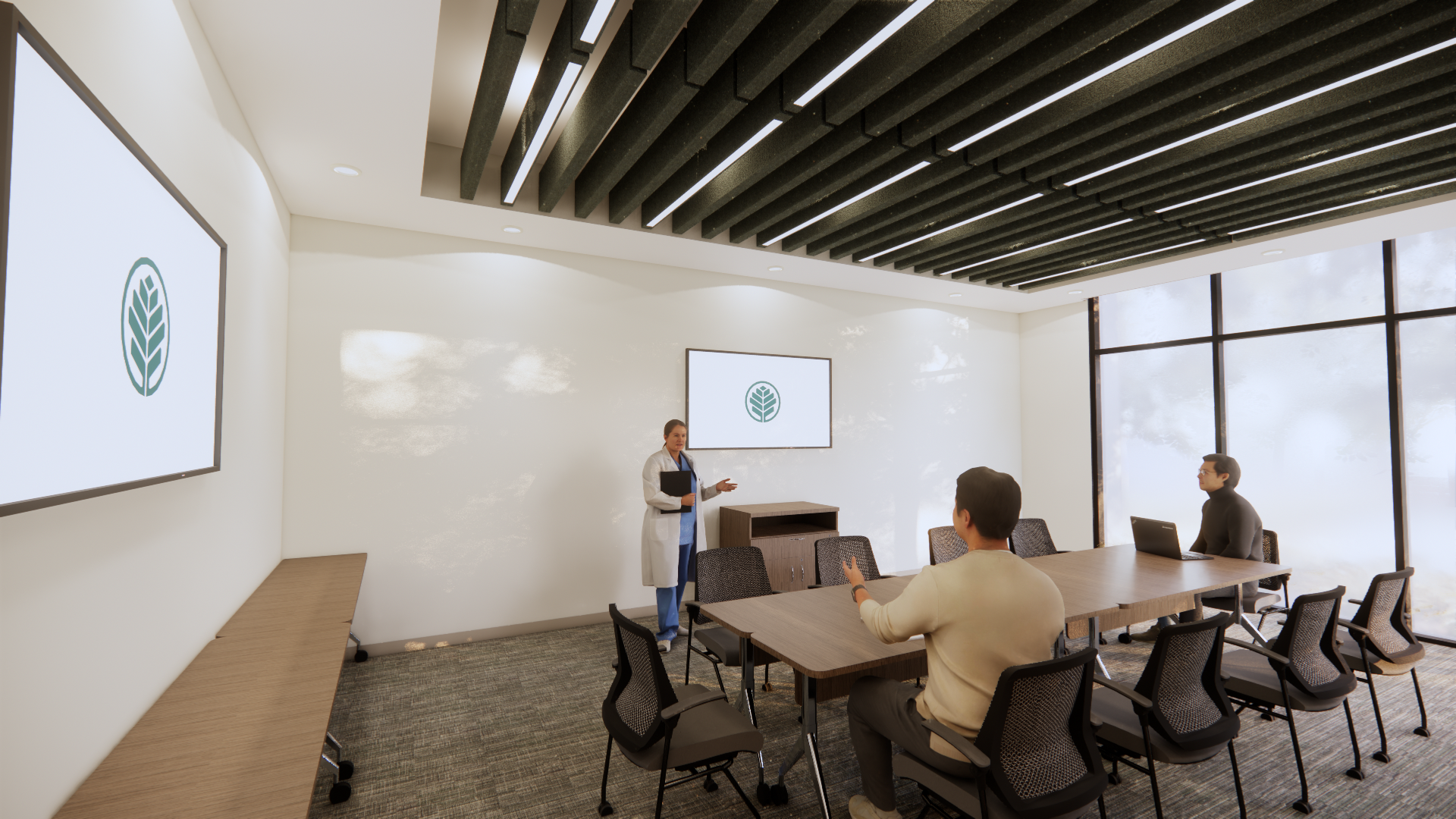
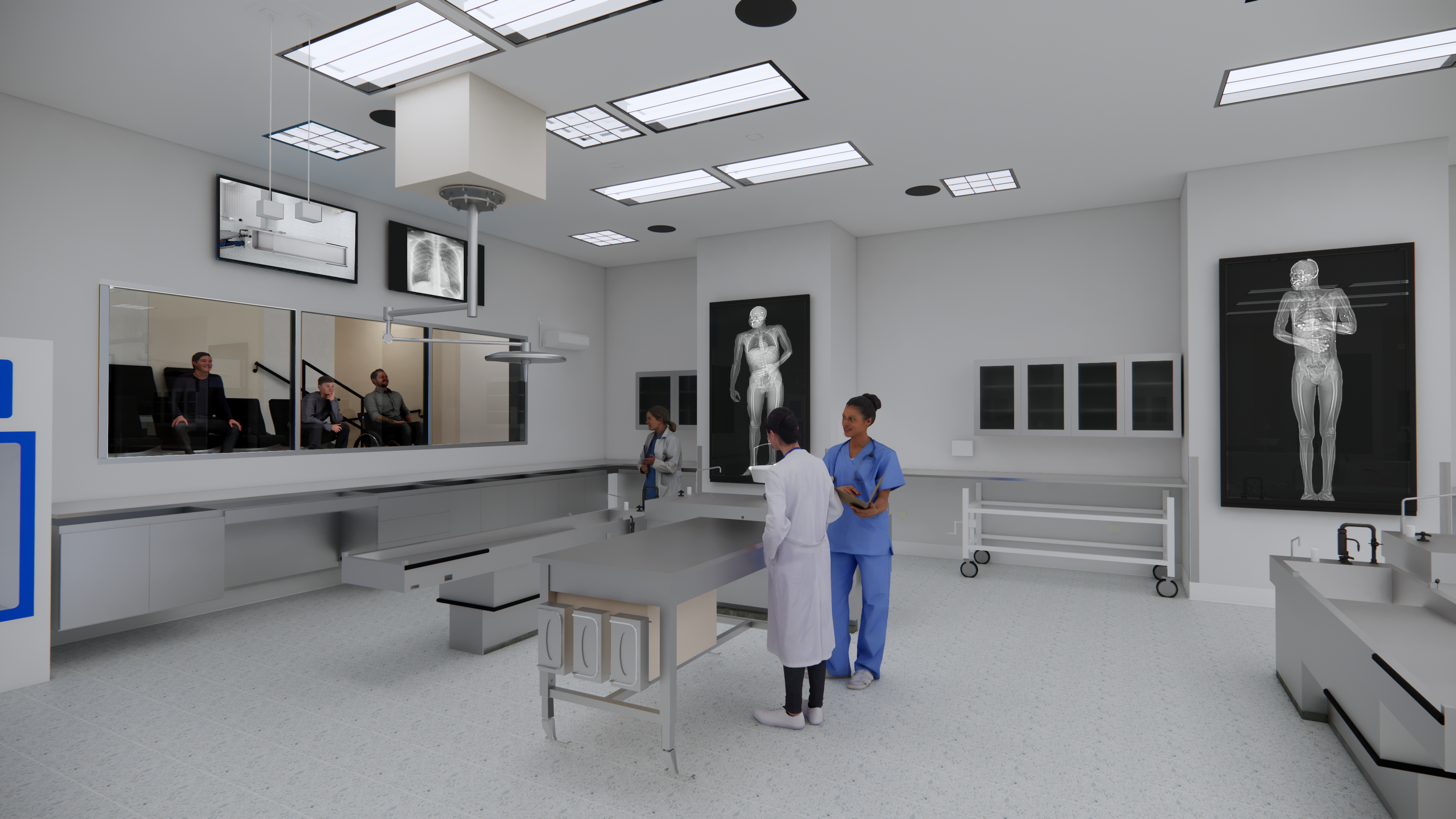
Observation rooms with tiered seating and advanced audiovisual systems allow students, residents, and law enforcement to observe procedures without disrupting autopsy operations. Remote displays provide close‑up views of pathology work while maintaining safe separation. Dedicated viewing rooms for family or legal identification offer privacy and dignity, while faculty spaces support debriefing and reflective learning. Thoughtful lighting, controlled acoustics, and strategic daylighting balance the technical and emotional demands of this field.

Building for Flexibility and Future Demand
Finally, flexibility must guide every mortuary facility plan. Population shifts, emergent technologies, and unexpected crises—from pandemics to mass‑fatality events—can quickly alter service demands. Facilities should allow for phased growth, expandable storage, scalable sallyports, and adaptable administration areas. Designing with public, semi‑public, and private zones supports secure circulation while providing future opportunities for expansion.
Government decision makers who invest early in flexibility, safety, technology, and student‑centered design position their communities for long‑term resilience. With the right planning and partnerships, modern mortuary science and medical examiner facilities can strengthen public health systems, support the workforce pipeline, and ensure communities remain equipped to meet essential needs with dignity, respect, and efficiency.
Plan With Confidence. Build With Purpose.
Mortuary science and medical examiner facilities demand early alignment across operations, compliance, cost, and community expectations. Whether you are evaluating renovation options, planning a new facility, or preparing a capital request, CPL helps government agencies navigate complex requirements and make informed, future-ready decisions.
About the Author: Eric Leibenguth

