
Share This Story
Every school tells a story—and for neurodiverse students, the environment often determines how it unfolds. Flickering lights, echoing hallways or crowded commons turn focus into frustration. Thoughtful design changes that narrative, creating spaces where everyone can thrive.
As expectations for inclusion grow, today’s capital plans must balance asset preservation with projects that promote health, safety and overall well-being. By planning for those who think differently, forward-looking administrators can reduce stressors and bolster the well-being of their entire K-12 community.
Rethinking Design as a Learning Driver
For decades, classrooms followed a single model: rows of desks and uniform expectations. But learning, like students themselves, exists on a spectrum. Today’s schools must reflect that reality through movement and choice that enable understanding.
Inclusive design anticipates the needs of students with ADHD or processing sensitivities, leveraging mindful lighting, acoustics and spatial flow as essential tools for clarity. When guided by six key principles, design surpasses aesthetics, translating equity from a policy goal into a foundation for better learning.
1. Incorporating Flexibility into Every Classroom
Adaptability is the framework for inclusivity. Varied zones—with quiet reading corners, tactile play areas and configurable seating—give students autonomy to participate in ways that feel natural.
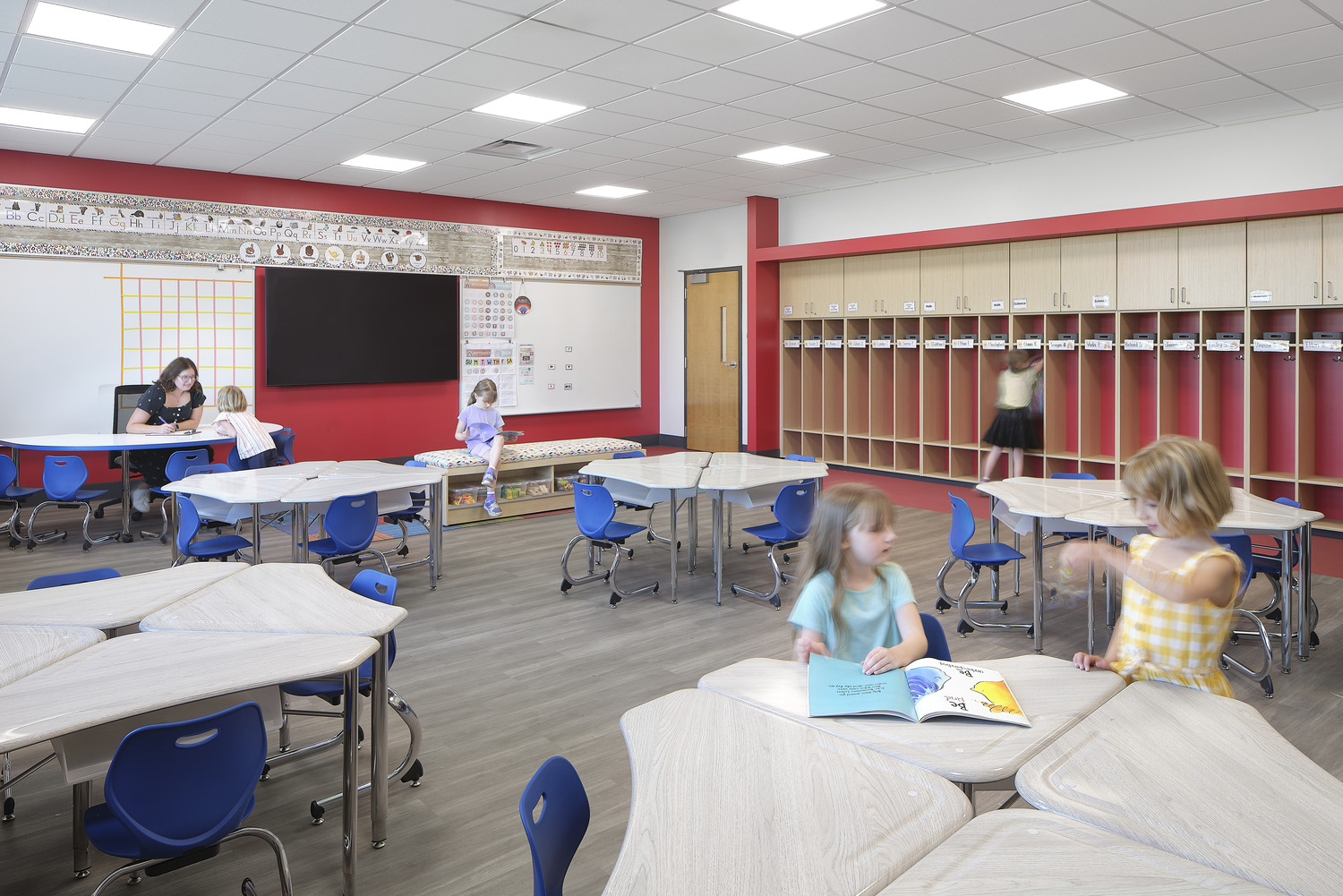
At Kenmore Town of Tonawanda Union Free School District (Ken-Ton), modular furniture, interactive displays and dual touch screens let teachers optimize layouts for collaboration or individual learning.
That same approach can extend beyond traditional programs. Life skills labs allow students to practice everyday routines—like cooking or budgeting—that build independence. Paired with clear wayfinding through signage or floor patterns, these spaces also help learners move more comfortably through their day.
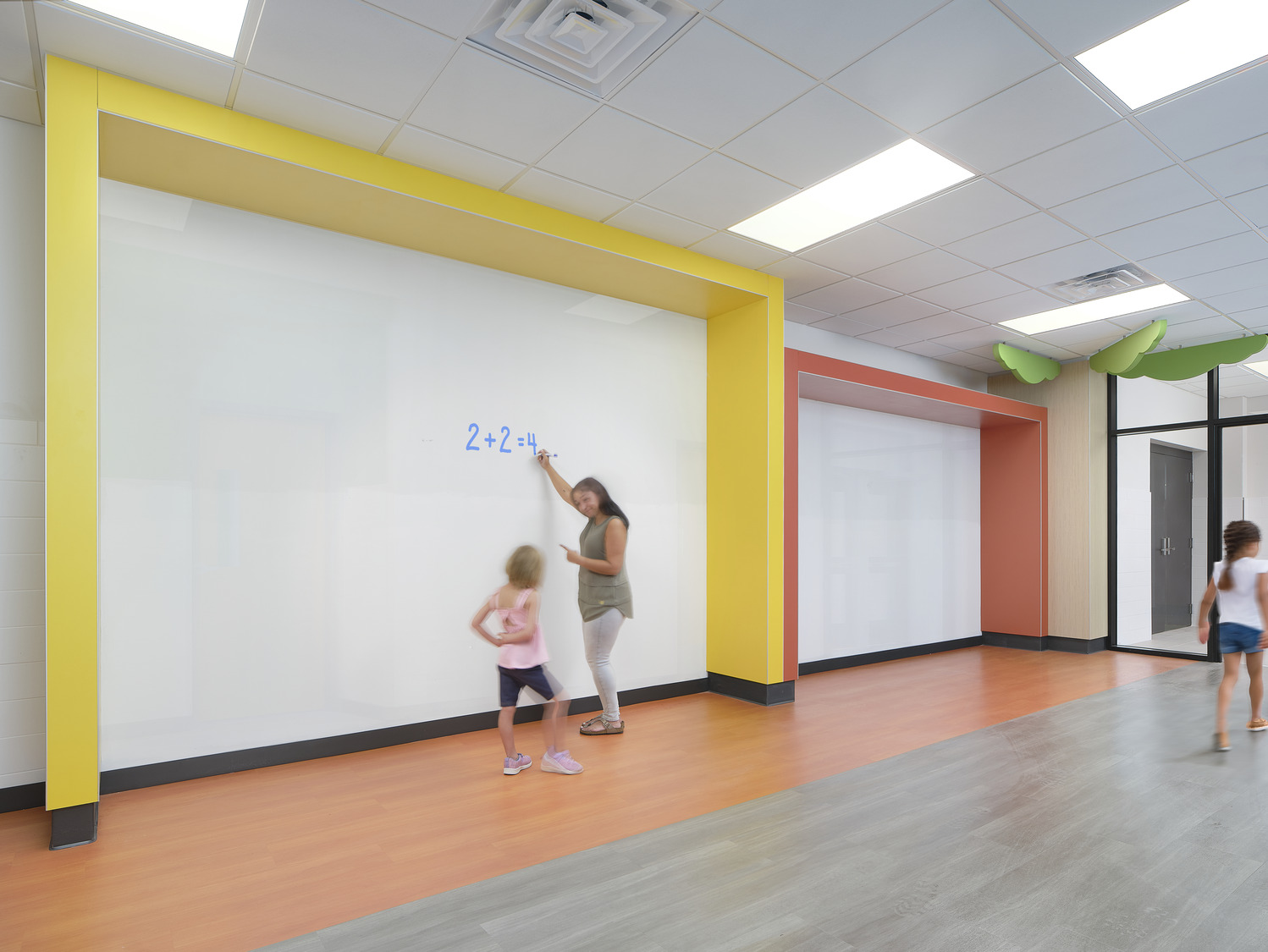
A writable wall at Ken-Ton offers another outlet, encouraging creativity and dynamic problem-solving.
At the secondary level, flexibility defines technology labs and STEAM suites that turn abstract concepts into tangible pathways. Moreover, when CTE programs mirror community workforce needs in fields like ag-tech, cybersecurity or advanced manufacturing, neurodiverse students can better see how their strengths apply to future academic, vocational or personal opportunities.
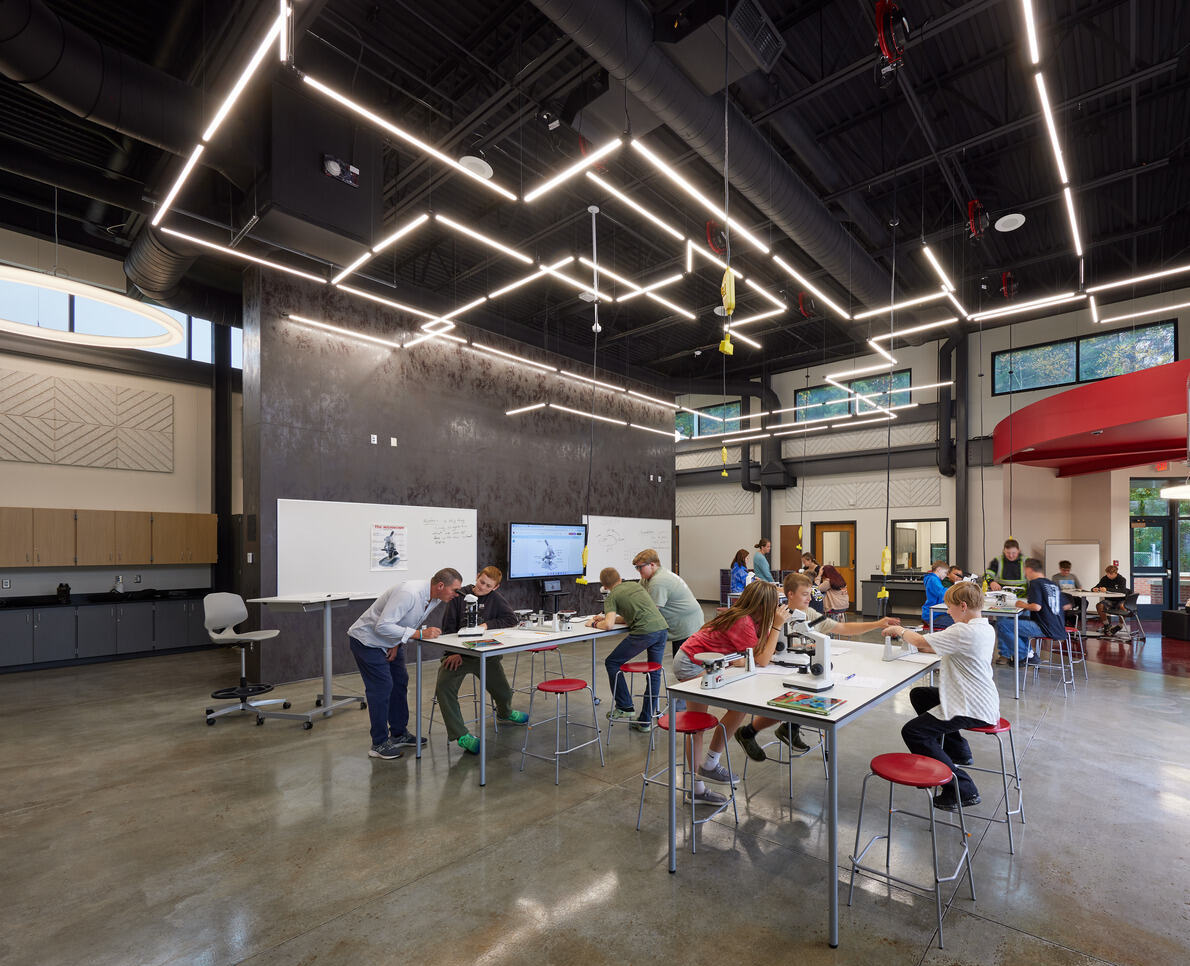
This presentation space at Bolivar-Richburg CSD’s STEAM wing is designed to facilitate interactive project showcases, bridging professional environments and the student experience.
2. Lighting with Intention
K-12 students log nearly 9,000 hours in classrooms, many built before daylight’s influence on learning was understood. Research links fluorescents to fatigue, while natural light enhances mood and academic performance. One study found that students in daylit classrooms advanced 20% faster in math and 26% faster in reading than peers in poorly lit environments.
Effective design pairs dimmable, indirect LEDs with controlled daylight to mitigate visual strain. Achieving balanced daylighting means more than adding windows; it requires planning that considers orientation, region and use in all spaces.
Designers can use both interior and exterior features—window treatments, light shelves and spandrel panels—to bring in daylight without heat gain; these strategies can be adapted to north and south solar patterns for consistent light year-round. Conversely, labs and media rooms benefit from adjustable artificial lighting to combat screen glare.
3. Providing Sensory Elements & Spaces
Quiet areas give young minds a chance to decompress before stress becomes disruption, using kinesthetic design: soft tactiles, resilient materials and interactive features that invite touch and discovery.
Textured or patterned walls bring sensory design into hallways and transition zones, guiding students to trace, press or balance as they walk and channeling restless energy between activities.
Dedicated sensory rooms amplify this concept with tools that engage multiple senses—LED bubble lights, color-changing panels and mats that encourage self-regulation. Even small spinning or raised elements can help students re-center throughout the day
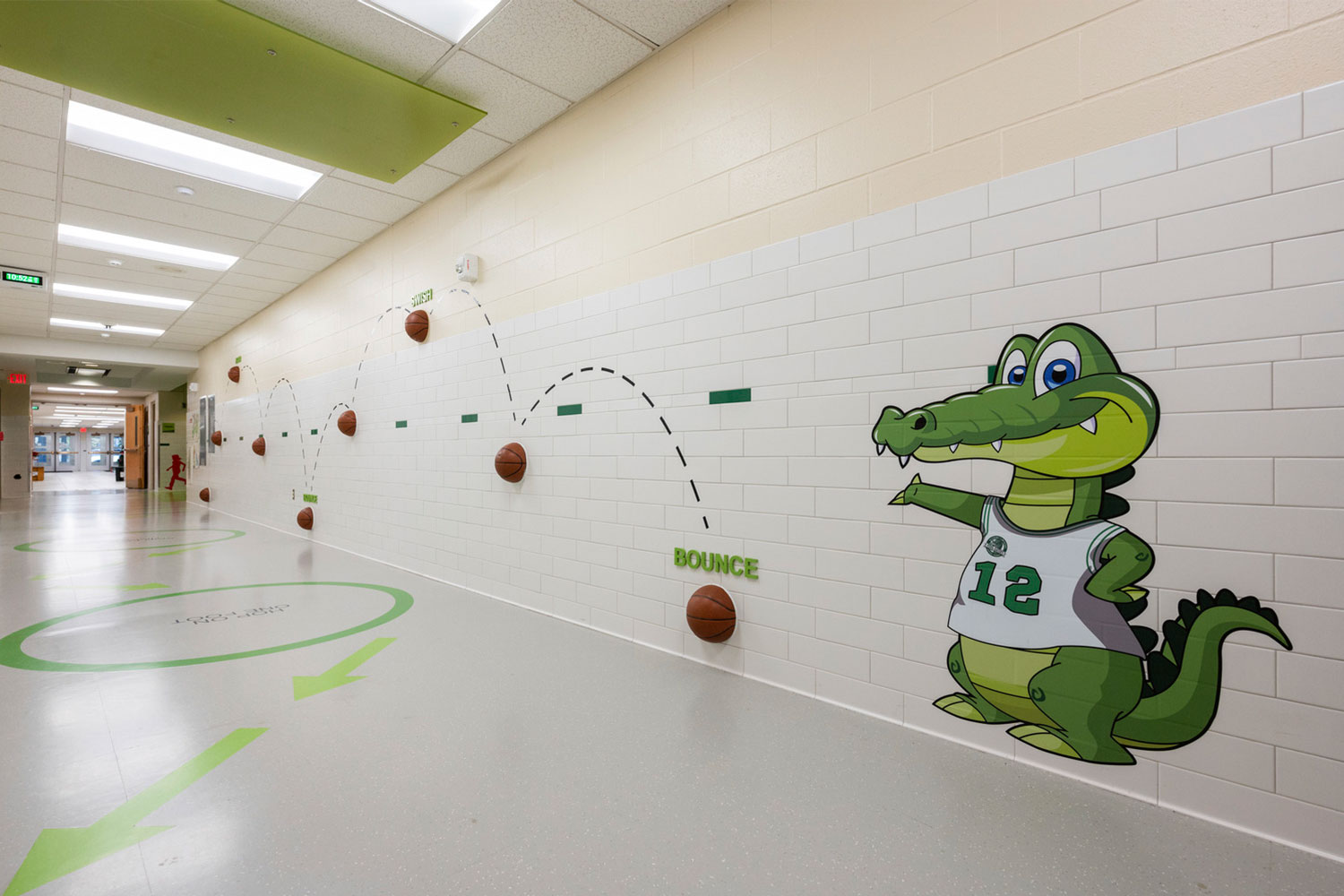
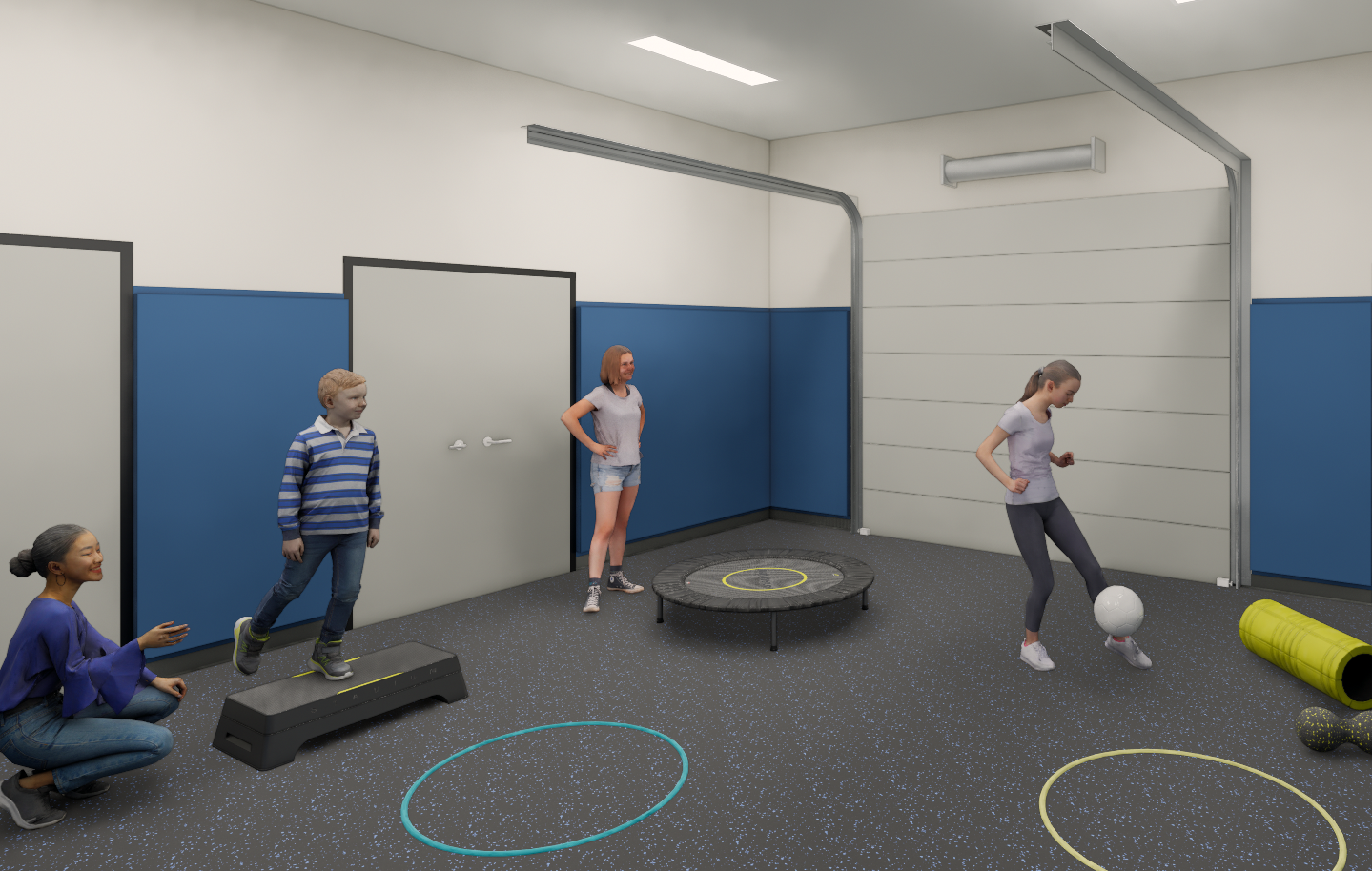
At Allegany-Limestone CSD, tactile walls contribute to a corridor that promotes calm between classes. Similarly, Intensive Treatment classrooms at OLV Human Services will offer sensory-rich gross motor experiences using trampolines, balance tools and tactile zones.
4. Managing the Sounds of Learning
Noise is one of the most common triggers in traditional schools. Tactical planning considers how sound travels between spaces, grouping louder art, music or sports programming away from low-volume classrooms. Materials such as acoustic ceiling tiles, wall panels and baffles maintain appropriate white noise levels—neither too loud nor too quiet. Corridor layouts can also minimize noise distraction while incorporating clear sightlines for supervision, preventing anxiety and bullying.
5. Harnessing Color as a Cognitive Tool
Color shapes how people feel and behave. Deliberate palettes energize or soothe depending on the space’s purpose—where warm tones like reds and oranges activate gymnasiums, cool hues like blues and greens encourage relaxation in counseling offices.
This also supports navigation and emotional management. Subtle shifts in wall or floor tones allow students to orient themselves with confidence. Involving interior designers in color planning from the outset ensures these choices are research-informed and rooted in district-wide academic goals.
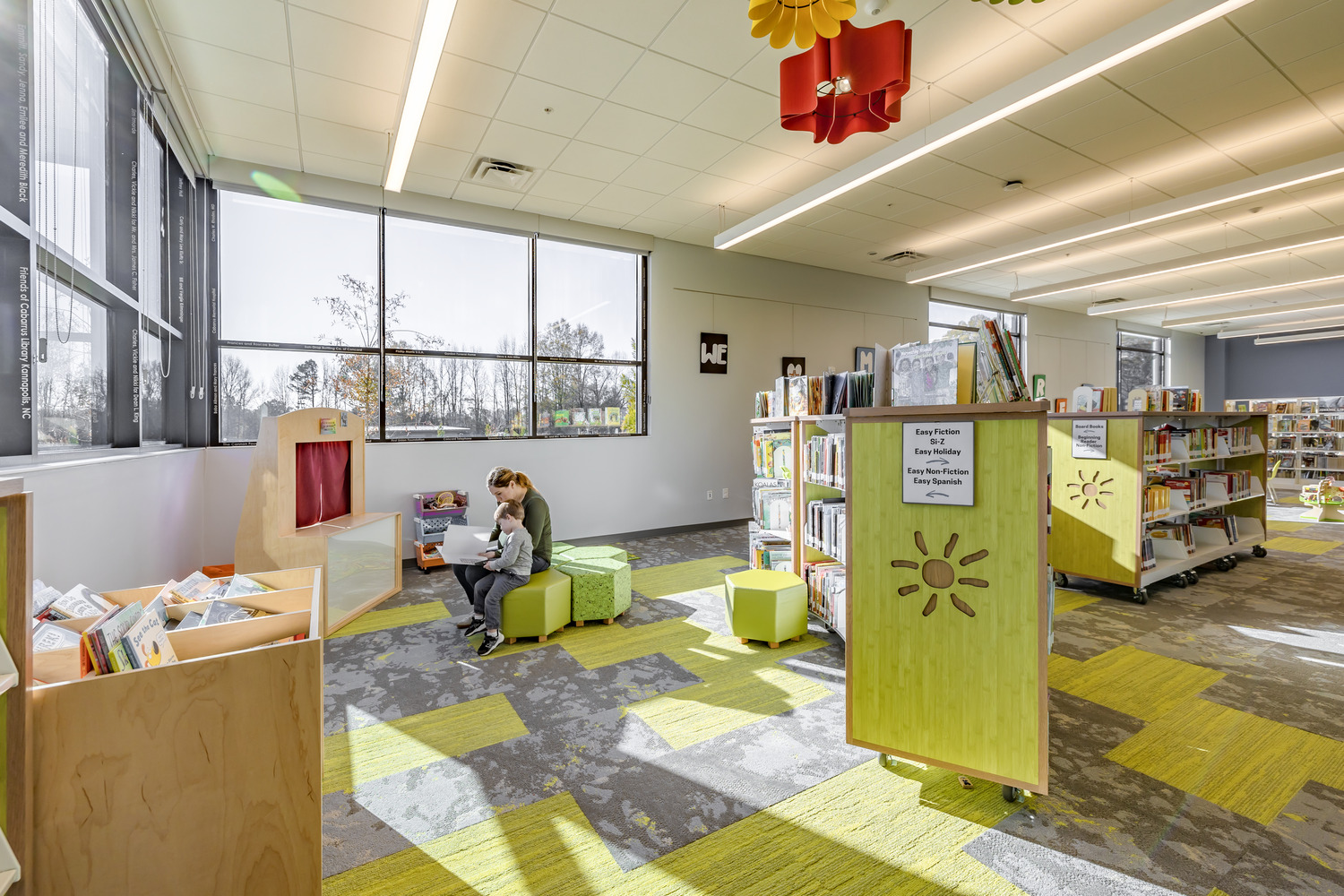
Gentle colors define the children’s space at the Cabarrus County Library & Active Living Center, fostering tranquility for easy reading. Biophilic views of nature, and organic textures further lessen anxiety for cognitive well-being.
6. Investing in the Teacher Experience
Good design considers both students and those who mentor them. With turnover costs averaging upwards of $25,000 per teacher, providing purpose-built lounges and planning rooms is a powerful retention strategy. Environments that offer restoration and focus lighten the emotional load, sharpen readiness and keep great educators inspired to stay.
A Blueprint for Belonging
No two minds are alike, which makes versatility critical as facilities evolve, whether scaling sensory supports or reconfiguring shared spaces. Districts that prioritize sensory-informed environments typically see:
- 55% of teachers reporting a decrease in behavioral incidents
- Lower absenteeism and higher retention
- Increased satisfaction and less exhaustion
To get started, leaders can:
By considering inclusive design as part of the capital planning process, administrators transcend building improvements to achieve measurable gains in academic performance, wellness and equity. Every design decision becomes a demonstration of commitment to all learners—and a catalyst for lasting success.
About the Author: Brittany Nowicki

