
Share This Story
Step inside many public works garages, maintenance shops or town halls, and a familiar picture emerges: buildings designed decades ago for smaller fleets, fewer staff and lighter regulations, now straining to meet today’s demand.
Often hidden from public view, these facilities rarely receive the same attention or funding as schools, libraries or parks. The result is cramped offices, undersized bays and outdated systems that waste energy and inflate operating costs. The good news? With proactive planning, communities are finding practical ways to stretch resources and keep essential services strong.
The Price of Waiting
Tight budgets may make it tempting to patch issues as they arise, but this almost always drives up long-term costs: for instance, the backlog for federal buildings rose from $171 billion in 2017 to $370 billion in 2024 due to deferred maintenance. In some fast-growing towns, employees have even worked without proper restrooms or break areas—a reminder that poor spaces affect staff as much as budgets.
Making Old Buildings Work in New Ways
New construction isn’t realistic when capital is tight, and public works buildings typically fall to the bottom of the priority list since they’re out of view. In some cases, adaptive reuse and historic preservation offer cost-effective alternatives; though for highly technical fleet or fuel storage facilities, relocation may be the more practical path.
For administrative offices repurposed from underutilized municipal real estate, the key is balancing conservation with functionality: rethinking circulation patterns; converting large, unpartitioned spaces into open-plan areas or meeting rooms; and discreetly weaving in new systems, from HVAC and life-safety equipment to digital capabilities. Other simple choices, such as adding more windows for increased daylight or modular furniture, can extend usefulness and occupant comfort.
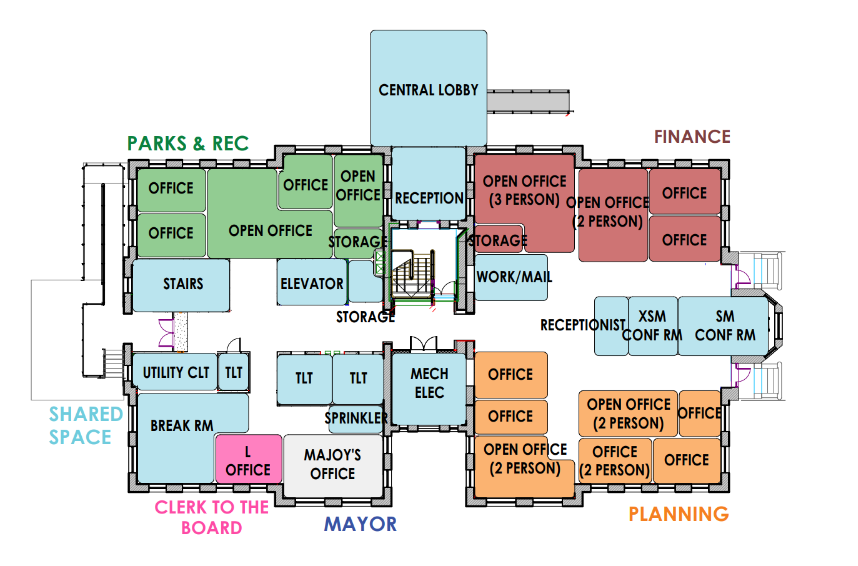
In Zebulon, NC, a 1909 school building on the National Register of Historic Places was repurposed as the town hall and municipal offices. A space utilization study is now helping leaders explore creative ways to revamp former classrooms and untouched basement areas, ensuring the facility preserves local character while upholding vital departments.
Planning for Growth & Flexibility
Older garages can buckle under the weight of larger vehicles, evolving service routines and emerging needs, such as alternative fuel infrastructure or changing maintenance requirements—slowing response times and boosting costs. To this end, master planning and space optimization empower leaders to uncover inefficiencies, prioritize retrofits and phase projects strategically.
At the district level, co-locating services amplifies the benefits: teams collaborate more easily, workflows become more fluid and resources are used economically. Shared hubs also enhance public access, offering convenience for residents while bolstering trust and municipal connections.
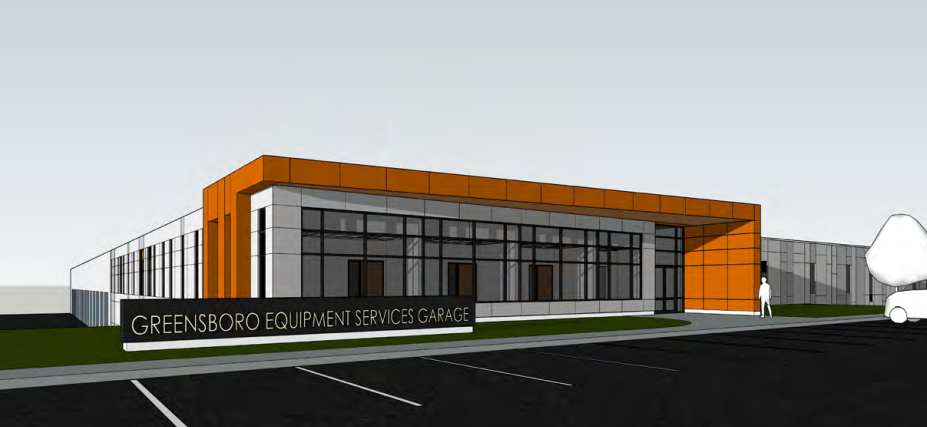
A facility study revealed that Greensboro’s equipment and procurement teams had outgrown their sites; a challenge compounded by nearby highway and rail expansions. The city is now redeveloping a brownfield into an 80,000 sq. ft. LEED Silver–equivalent one-stop garage with new bays, joint workspaces and EV charging; reducing costs and positioning teams to serve residents with greater impact.
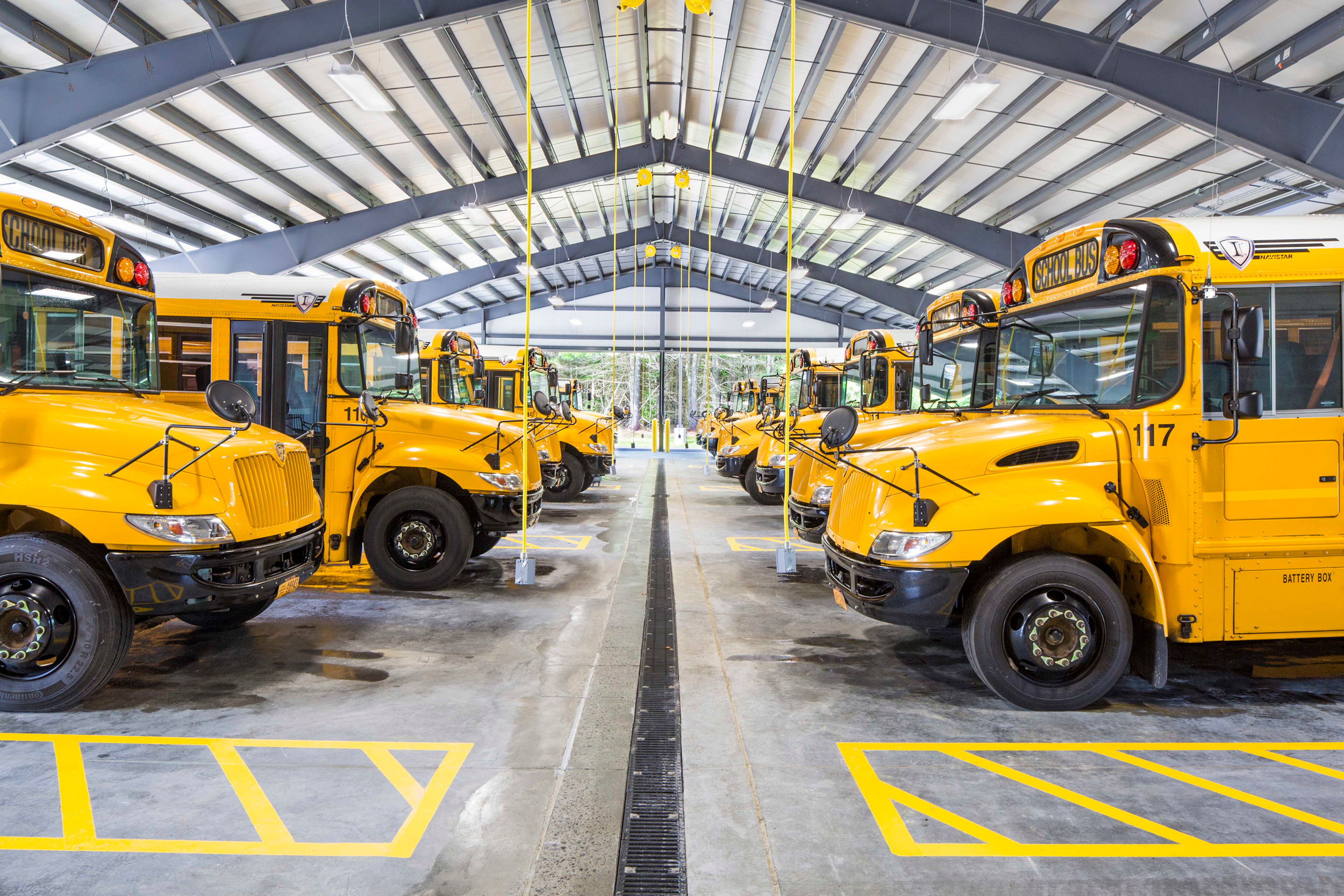
Smaller communities are seeing similar gains. In Corinth, NY, swift development and harsh winters pushed the district’s decades-old bus garage past its limits, leaving too little room and inadequate systems to maintain the fleet. A detailed programming study helped right-size a new building and consolidate transportation and maintenance functions.
Greener Building Systems, Lower Costs
For many public works teams, the biggest budget drain isn’t visible equipment, but the aging mechanical, electrical and plumbing (MEP) systems behind the walls. Legacy boilers, chillers, plumbing and wiring quietly waste energy and water and pose safety and compliance risks. When they fail, emergency repairs are more expensive than a planned renovation.
A forward-looking approach to MEP modifications can prolong facility life, decrease overhead and cultivate more sustainable environments. Even modest updates deliver measurable returns:
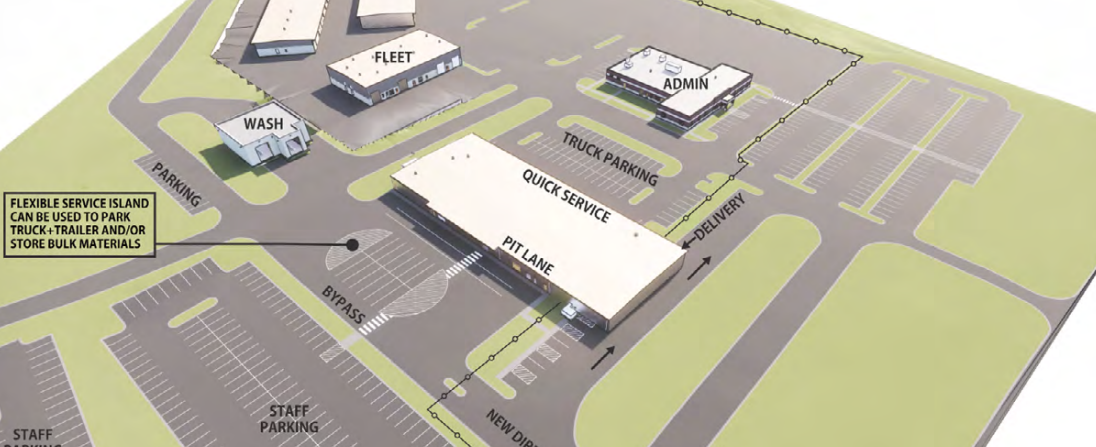
The city of Durham, NC is overhauling its Public Works Operations Center through a sequenced renovation that keeps services running around the clock. Reconfigured mechanical and electrical systems, building envelopes and rooftop solar photovoltaic integration will future-proof the facility, while new training, simulation and emergency response spaces are unifying teams.
Investing Where It Matters Most
Public works facilities may not grab headlines, but they remain the backbone of local infrastructure. By pairing preemptive feasibility studies with capital planning cycles, municipal leaders can align upgrades with funding opportunities—from historic tax credits to state programs and utility partnerships—and lay the groundwork for larger outlays in the future.
Ultimately, progressive leaders recognize that revitalizing these “back-of-house” spaces isn’t just about budgets; it’s about supporting the staff who keep services running, and strengthening the resilience and identity of the communities they sustain.
About the Author: Rachel Nilson

